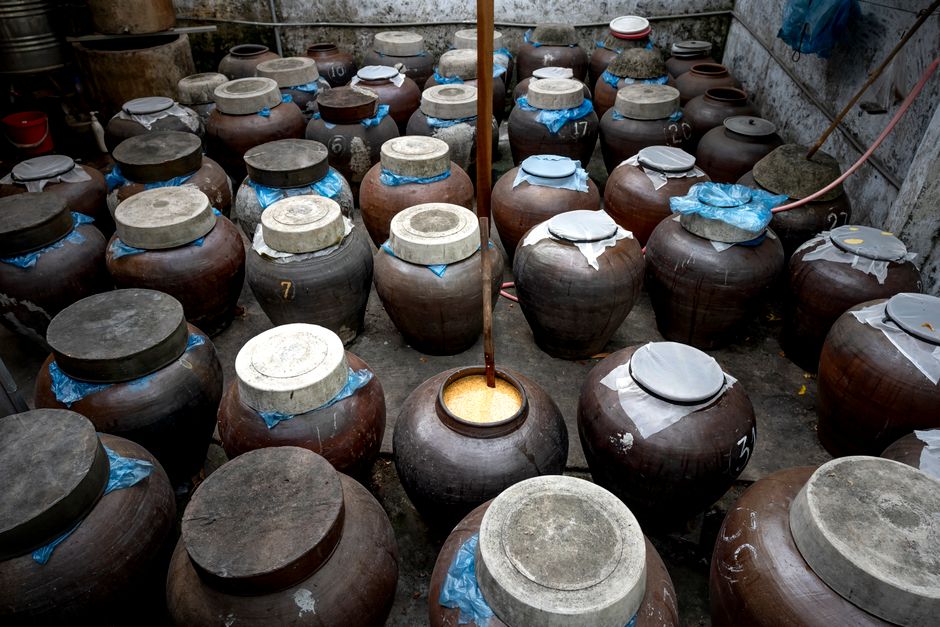
Fermentation Fundamentals: Transforming Ingredients with Ancient Techniques
Fermentation is an ancient culinary art that has found its place in modern kitchens, intriguing home cooks and professional chefs alike. This transformative process not only preserves food but also enhances its flavors and nutritional value. By harnessing the power of microorganisms, you can cultivate a range of incredible tastes and textures that elevate your culinary creations. From tangy sauerkraut to rich Kimchi, this age-old technique has made its mark globally, connecting cultures through shared flavors and traditions.
At its core, fermentation is a natural process involving the breakdown of sugars by bacteria, yeasts, or molds. This biochemical reaction contributes significantly to the development of complex flavors and aromas, turning simple ingredient components into masterpieces. The principles of fermentation are surprisingly simple, yet the results can be nothing short of extraordinary. One can achieve transformations in taste and texture that are not only conducive to preservation but also beneficial for gut health. It's a win-win for everyone involved in the kitchen!
As we dive deeper into the world of fermentation, we'll explore various techniques that you can incorporate into your cooking repertoire. Whether you're interested in fermenting vegetables, creating homemade yogurt, or brewing your own kombucha, this guide will provide you with all the essential knowledge and confidence needed to embark upon this culinary adventure. Let’s make way for delicious transformations while respecting traditional practices and modern twists.
Understanding Fermentation
The first step in mastering fermentation is understanding how it works. Fermentation is essentially a metabolic process where microorganisms convert sugars into acids, gases, or alcohol, depending on the type of fermentation. There are several types, but for home cooks, the most relevant include lactic acid fermentation, alcoholic fermentation, and acetic acid fermentation. Each type uses different microorganisms and produces distinct outcomes.
Lactic Acid Fermentation
Commonly used for vegetables and dairy products, lactic acid fermentation is carried out by lactic acid bacteria. This process is responsible for well-known foods like yogurt, sauerkraut, and kimchi. When foods undergo lactic acid fermentation, the sugars are converted into lactic acid, which acts as a natural preservative while imparting a tangy flavor.
Key Points:
Alcoholic Fermentation
This type of fermentation involves yeasts, primarily Saccharomyces cerevisiae, which convert sugars into alcohol and carbon dioxide. It's crucial in the production of beer and wine, and also in the fermentation of bread. The process is both delicate and complex, requiring precise control of temperatures and timing to yield desired flavors.
Key Points:
Acetic Acid Fermentation
Also known as vinegar fermentation, this method converts alcohol into acetic acid using bacteria, primarily Acetobacter. This is how we get vinegars and products like kombucha. Acetic acid fermentation is fundamental in creating tangy flavors in culinary staples like pickles and salad dressings.
Key Points:
Essential Ingredients for Fermentation
Understanding your ingredients is key to successful fermentation. Even slight variations can yield dramatically different results. Here are the essential ingredients and their roles in the fermentation process:
Salt
Salt is often the unsung hero of fermentation, as it regulates the growth of bacteria. It helps prevent the development of spoilage organisms while fostering beneficial ones. When making fermented vegetables, the general guideline is to use 2% to 3% salt based on the weight of the vegetables. For example:
Water
Using the right type of water is crucial. Tap water can contain chlorine or other chemicals that may inhibit fermentation. It's best to use filtered, distilled, or spring water to give your microorganisms the best chance to thrive.
Sugar
In alcoholic fermentation, sugar serves as the primary food source for yeast. The kind of sugar used can affect both the taste and the alcohol content of the final product.
The overall sugar concentration for fermentation typically ranges from 10% to 20% in fermented beverages.
Starter Cultures
Some fermentations can occur naturally, but using starter cultures can ensure more consistent results and flavors. Lactic acid starter cultures are available for dairy products, while specific yeast strains can be used for brewing beer and wine.
Flavoring Agents
Once you’ve established your base ingredients, feel free to experiment with additional flavoring agents such as:
These aromatic ingredients can enhance the final taste, providing a tailored flavor profile for your fermented fare.
Equipment You’ll Need
While fermentation may seem like a complicated process filled with high-tech gadgets, the truth is that you can achieve fantastic results with minimal equipment. Here’s a quick rundown of what you might need:
Jars and Containers
Weights
Using weights helps keep fermented foods submerged beneath the brine, which is vital to prevent spoilage. You can use clean stones, ceramic weights, or even zip-lock bags filled with brine.
Thermometer
A food thermometer enables you to monitor temperature accurately, which is essential for successful fermentation. Temperatures outside the optimal range can lead to unexpected results.
pH Strips
Using pH strips can help you monitor the acidity of your fermentation. A pH level below 4.6 indicates a safe product, as most harmful bacteria cannot thrive in such acidic environments.
Spatulas and Spoons
Using non-reactive utensils (like plastic or silicone) will help prevent undesirable reactions during fermentation.
Common Fermented Foods and How to Make Them
Let's dive into some popular examples of fermented foods that you can try making at home. Each recipe will include instructions, timelines, and helpful tips to ensure your success.
Sauerkraut
One of the most accessible fermented foods, sauerkraut, is a fantastic introduction for beginners looking to dip their toes into fermentation.
#### Ingredients
#### Instructions
- Remove outer leaves of the cabbage, then cut it in half and shred it finely.
- In a large bowl, sprinkle salt evenly over the shredded cabbage.
- Use your hands to massage the cabbage and salt mixture until it releases juices, about 5-10 minutes.
- Pack the cabbage tightly into a clean jar, pressing down to ensure it is submerged in its own juice. Leave about an inch of headspace at the top.
- Seal the jar loosely with a lid or place a weight on top. Leave it at cool room temperature (around 65°F to 75°F) for about 1 to 4 weeks.
- Taste the sauerkraut after one week to assess the flavor. Continue fermenting until desired. Once done, transfer to the fridge, where it can last for several months.
"Fermentation is not just a food preservation technique, but a flavorful journey through time."
Kimchi
Kimchi is a beloved staple in Korean cuisine, showcasing a spectrum of flavors, and is highly customizable.
#### Ingredients
#### Instructions
- Dissolve salt in water and submerge the cabbage. Let soak for about 2 hours.
- Mix ginger, garlic, sugar, fish sauce, and red pepper flakes to create a paste.
- Once cabbage is brined and rinsed well, combine it with the paste thoroughly, ensuring every leaf is coated.
- Pack the mixture into clean jars, pressing down firmly to release more liquid. Leave some headspace for expansion, and ferment at room temperature for 2 to 5 days, tasting along the way.
Kombucha
Making kombucha, a fermented tea, may seem complex but is straightforward once you get the hang of it.
#### Ingredients
#### Instructions
- Boil water and dissolve sugar thoroughly. Add tea bags and steep for about 15 minutes. Allow the mixture to cool to room temperature.
- Once cooled, remove tea bags and pour the tea into a clean glass jar. Add the SCOBY and previously brewed kombucha.
- Cover the jar with a cloth (secured with a rubber band). Leave at room temperature away from direct sunlight for 7 to 10 days.
- After the initial fermentation, you can add fruit, herbs, or other flavorings if desired. Bottle and keep refrigerated.
"Embrace the wild side of culinary creation — fermentation brings life to your kitchen!"
Health Benefits of Fermentation
Beyond unique flavors and extended shelf life, the health benefits of fermented foods add depth to their appeal.
Probiotics
Fermented foods are rich in probiotics, live bacteria that promote a healthy gut microbiome. Incorporating these foods can help improve digestion and nutrient absorption, making your bodies more resilient.
Nutrient Enhancement
Fermentation enhances bioavailability, allowing your body to absorb nutrients more efficiently. For instance, fermented dairy products like yogurt offer improved lactose tolerance for those who are sensitive to lactose.
Preservation of Nutrients
Fermented foods can preserve vitamins that might otherwise degrade. Vitamin C levels often remain high in fermented vegetables, making them a fantastic nutrient-rich addition to your diet.
Potential Mental Health Benefits
Emerging research suggests a strong connection between gut health and mental well-being, dubbed the gut-brain axis. Incorporating fermented foods into your routine may contribute to improved mood and may reduce symptoms of anxiety.
Troubleshooting Common Fermentation Issues
As with any craft, fermentation can encounter challenges. Here are some common issues with potential solutions:
Off Flavors
Mold Formation
Slow Fermentation
Conclusion
Fermentation is a rewarding journey that connects you with centuries of culinary art and science. By understanding the fundamentals and engaging with the process, you unlock the ability to transform simple ingredients into complex, flavorful creations. Whether it’s a jar of sauerkraut gracing your table or a chilled glass of kombucha, the fruits of your labor will surely impress family and friends alike.
Experimenting with fermentation can be incredibly fulfilling, reflecting your personal taste and preferences. Don’t hesitate to play around with flavors and techniques — the only limits are your creativity and willingness to learn.
This ancient practice holds the potential to elevate your home cooking into realms of nourishment and taste previously unexplored. Embrace the wild and wonderful world of fermentation, and you may find a new passion that not only enhances your dishes but also enriches your life.
Happy fermenting!


Get the Next Recipe
Weekly recipes, techniques, and gear picks — straight to your inbox.
