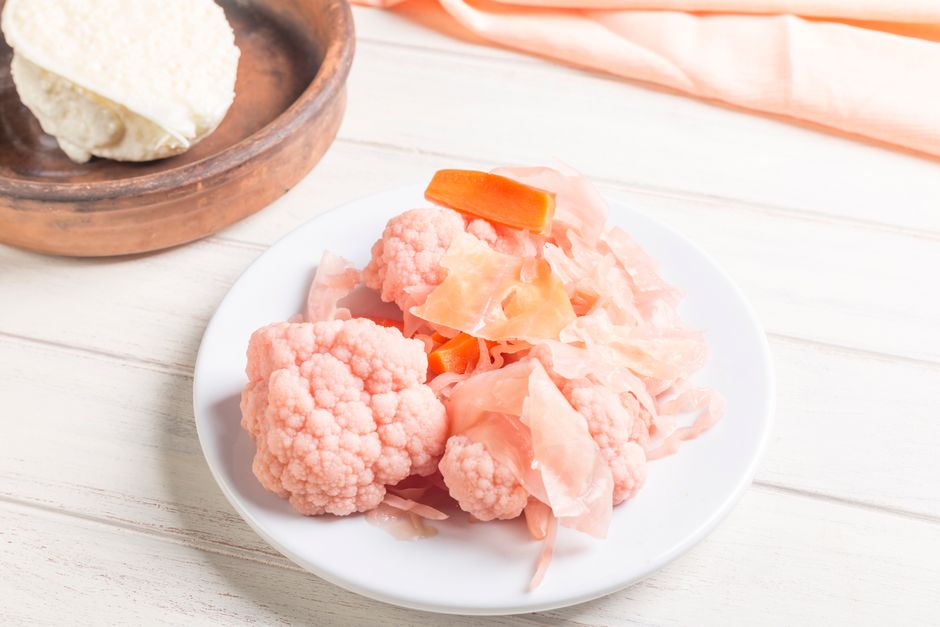
Fermentation Fundamentals: Unlocking Flavor Through Time and Microbes
Understanding the intricate art of fermentation can be as rewarding as it is delicious. From the bubbling jars of homemade sauerkraut to the tangy depth of a well-aged kimchi, fermentation unlocks a world of flavors that enhance our culinary experiences. The process relies on microscopic organisms such as bacteria, yeast, and molds, which transform ordinary ingredients into extraordinary fare. These organisms are not merely agents of decay; they are powerful catalysts of flavor and nutrition. By controlling their growth and fermentation conditions, home cooks can create a remarkable range of flavors, textures, and aromas while also promoting health benefits associated with consuming fermented foods.
The beauty of fermentation lies in its simplicity and diversity. Nearly every culture worldwide has its own version of fermented foods, showing how deeply rooted this practice is in our culinary heritage. From yogurt and sourdough to miso and vinegar, the range of fermentables is vast. Despite its long-standing presence in human history, many home cooks still find the practice daunting. However, once you understand the basic principles and get comfortable with the fermentation process, it can quickly transform your kitchen into a playground of flavors.
As we embark on this journey into the realm of fermentation, the goal is to demystify the techniques and provide you with the knowledge necessary to start your own fermentation projects. We will explore the science behind fermentation, various methods and ingredients, troubleshooting common problems, and even dive into advanced techniques for those ready to take their skills to the next level. This blog will serve as your go-to guide and resource for unlocking flavor through time and microbes.
The Science of Fermentation
Fermentation is fundamentally a metabolical activity carried out by microorganisms, primarily bacteria and yeast. When these microorganisms consume sugars and starches, they produce energy while releasing byproducts like alcohol, carbon dioxide, and lactic acid. This natural process can significantly alter the flavor, texture, and nutritional profile of food. Understanding the science behind fermentation can help you appreciate the nuances of the flavors achieved through different fermentation techniques.
Microorganisms at Work
The primary players in fermentation are lactic acid bacteria (LAB), yeast, and molds. Each microbe contributes unique flavors and textures depending on the food being fermented and the conditions under which fermentation occurs.
Understanding these microorganisms’ unique properties can guide your choice of ingredients and methods when fermenting at home.
Fermentation Conditions
The conditions under which fermentation occurs can greatly influence the outcome of your attempts. Key factors include:
By carefully controlling these variables, you ensure your fermentation is successful and yields vibrant flavors each time.
Types of Fermentation
Fermentation can be classified into two broad categories, each reflecting different processes and outcomes: lactic acid fermentation and alcoholic fermentation. Within these categories, there are various fermented foods across cultures, showcasing the diversity of flavors achievable through these methods.
Lactic Acid Fermentation
Lactic acid fermentation is perhaps the most common method of fermentation for vegetables and dairy. This type of fermentation relies almost exclusively on non-spore-forming lactobacilli. The process begins when these bacteria consume the sugars present in food, producing lactic acid as a byproduct.
- Sauerkraut: Shredded cabbage mixed with salt, allowing LAB to proliferate.
- Kimchi: Korean fermented vegetables, often cabbage or radishes, spiced with ingredients like garlic and ginger.
- Yogurt: Milk fermented with specific bacterial cultures that thicken the milk and impart a tangy flavor.
Key Steps for Making Sauerkraut:
"The best flavor is built over time, patience is the secret ingredient to successful fermentation."
Alcoholic Fermentation
While lactic acid fermentation might dominate the vegetable world, alcoholic fermentation is vital for making drinks and certain breads. This process typically involves yeasts converting sugars into ethanol and carbon dioxide.
- Beer: Made with malted grains, hops, yeast, and water. Yeast ferments sugar from malt, creating alcohol.
- Wine: Fermented from grapes or other fruits, diverse in flavor depending on the variety of grapes used and fermentation methods.
- Sourdough Bread: Yeast ferments sugars to produce gas bubbles, resulting in bread's characteristic texture.
Basic Process of Making Sourdough Bread:
“Fermentation is about balance—between your levels of yeast activity and acidity—to create the perfect harmony of flavors."
Health Benefits of Fermented Foods
Beyond the tantalizing flavors and aromas that come from fermentation, there are numerous health benefits associated with incorporating fermented foods into our diets. The science behind these benefits is increasingly being recognized in the fields of nutrition and health.
Probiotics and Gut Health
One of the most notable advantages of consuming fermented foods is their rich content of probiotics—the beneficial bacteria that support digestive health.
- Enhances gut flora: Regular consumption can help maintain a healthy balance of gut bacteria.
- Improves digestion: Probiotics assist with breaking down food and absorbing nutrients more efficiently.
- Supports immune function: A healthy gut microbiota is linked to a more robust immune response.
Foods Rich in Probiotics:
Nutritional Bioavailability
Fermentation can also enhance the bioavailability of certain nutrients in foods, making them easier to absorb by the body. For example, the fermentation process can break down anti-nutritional factors such as phytates and tannins found in grains and legumes, increasing the absorbance of minerals like calcium, iron, and zinc.
#### The Impact on Nutritional Content
Incorporating a variety of fermented foods into your diet can help diversify your nutrient intake, strengthening your body's overall function.
Mastering Fermentation Techniques
As you become more comfortable with fermentation, exploring advanced techniques can take your culinary skills to new heights. Mastering these can allow for more control over flavor profiles and product consistency.
Controlling Fermentation Variables
One of the keys to successful fermentation is understanding and manipulating variables:
Secondary Fermentation
For products like beer and wine, a secondary fermentation step can significantly enhance flavor and complexity. During secondary fermentation, additional ingredients like fruit, spices, or even extra sugars can be added to deepen flavors or create carbonation.
Steps for Secondary Fermentation:
“Exploration in fermentation leads to unexpected flavors and the thrill of the unknown."
Troubleshooting Fermentation Issues
Even experienced fermenters encounter problems. Understanding common pitfalls and how to solve them can save a batch and maintain the integrity of your creations.
Common Problems and Solutions
Testing for Doneness
Knowing how to test whether your fermentation is complete is crucial. For most fermented vegetables, a taste test will tell you if the flavor is satisfactory. For drinks like kombucha, looking for the right balance between tartness and sweetness before bottling is essential.
Innovative Fermentation Projects
Once you have a handle on basic techniques and troubleshooting, you may want to expand your horizons into more specialized fermentation projects. These can include beverages and unique vegetable fermentations, each offering layers of flavor and complexity.
Kombucha
Kombucha is a popular fermented beverage with a delightful tang. It combines sweetened tea and a SCOBY (symbiotic culture of bacteria and yeast).
#### Steps to Brewing Kombucha:
Experimental Fermented Vegetables
Why stop at the classics? Venture into experimental territory with unique blends and additions.
Encourage creativity: the nature of fermentation invites experimentation!
Conclusion
Fermentation not only enhances flavors but also connects us to cultures, histories, and health practices spanning the globe. As we explore the realms of lactic acid and alcoholic fermentation, we unlock culinary possibilities while promoting wellness through the consumption of probiotic-rich foods. With an understanding of the foundational science, coupled with practical techniques, you are now equipped to embark on your own fermentation journey in the kitchen.
Whether you choose to begin with staple fermented foods like yogurt and pickles or dive into the complexities of sourdough and kombucha, the key is to enjoy the process. Mistakes will happen, and not every fermentation will turn out perfectly, but perseverance breeds experience and skill. Taking the time to pursue fermentation fundamentals not only heightens your culinary prowess but also enriches your meals, promoting health and wellness in the process.
So gather your ingredients, sanitize your equipment, and allow the magic of transformation to occur! With a little patience and a lot of curiosity, you will soon be crafting delicious fermented foods that elevate your cooking to new levels. Enjoy the rewarding journey of flavors that develop over time, and remember: whether deliciously tangy or surprisingly sweet, every created batch tells a story—the story of transformation through time and microbes.

Get the Next Recipe
Weekly recipes, techniques, and gear picks — straight to your inbox.
