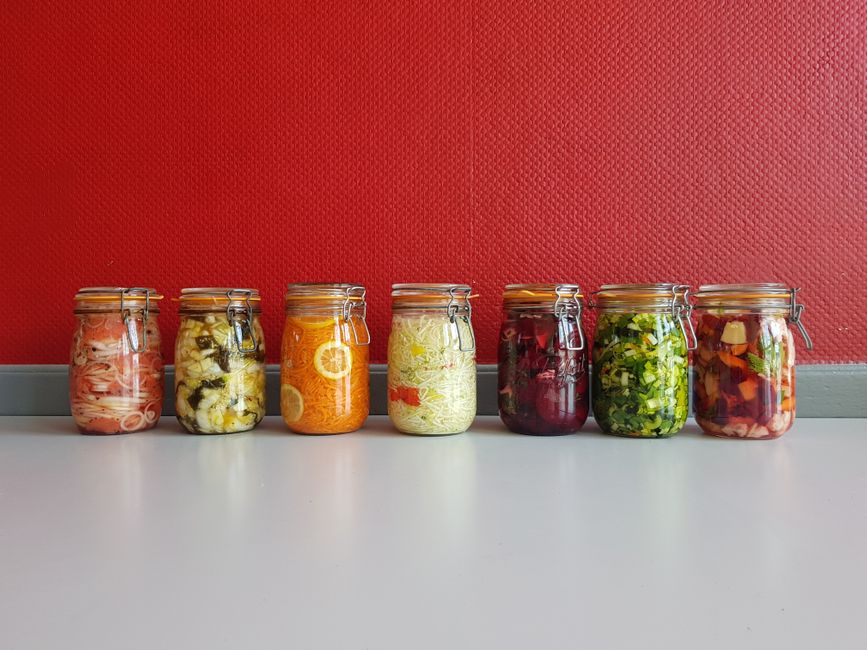
Fermented Foods: Ancient Preservation Meets Modern Nutrition
Fermentation is one of the oldest methods of preserving food known to humanity, bridging the gap between ancient culinary practices and modern nutrition science. Originally discovered during a time when refrigeration was nonexistent, our ancestors learned that by harnessing the power of naturally occurring microorganisms, they could not only prolong the life of their perishable items but also enhance their flavors and improve their nutritional profiles. Today, fermentation has made a remarkable comeback, seamlessly woven into the fabric of contemporary diets, as health enthusiasts and food lovers alike seek the bold, tangy flavors and health benefits these ingredients provide.
In recent years, fermented foods have gained tremendous popularity, driven by a growing body of research linking them to improved gut health, immune system function, and overall well-being. Foods such as yogurt, sauerkraut, kefir, kombucha, and various fermented vegetables are no longer relegated to niche markets; they have found their place in mainstream grocery stores and kitchen pantries worldwide. This revival raises important questions: What is it about the process of fermentation that renders it so valuable? How can home cooks tap into this ancient technique to elevate their meals and health?
This blog will dive deep into the world of fermented foods, exploring their history, health benefits, various types, and techniques to incorporate them into your kitchen repertoire. You’ll learn about the science behind fermentation, essential ingredients and equipment, and step-by-step instructions on creating your own delicious fermented dishes. Whether you are a seasoned chef or an amateur looking to experiment with fermentation, you will find valuable insights and practical tips to inspire your culinary journey.
The History of Fermentation
Origins and Evolution
The art of fermentation can be traced back thousands of years across the globe, from the earliest civilizations in Mesopotamia to the bustling markets of ancient China and beyond. Evidence suggests that fermented foods have been part of the human diet for over 5,000 years, with every culture developing unique techniques and recipes suited to their regional ingredients and climate. For instance, the ancient Egyptians utilized yeast fermentation to make beer, while in the Far East, fermentation transformed soybeans into staples like soy sauce and miso.
As societies evolved, so did fermentation techniques. Fermented foods offered a practical solution to food preservation, reducing spoilage and waste in times when fresh produce was not readily available. Mixing different ingredients also led to fascinating flavor profiles, contributing to the cultural culinary landscape. Notably, through fermentation, wars and trade could influence regions—think of sauerkraut in the German diet or kimchi in Korean cuisine, highlighting not only preservation but cultural identity.
Cultural Significance
The significance of fermentation extends beyond preservation. In many cultures, these foods symbolize community and tradition. For instance, in Eastern Europe, families often prepare batches of kvass, a fermented bread drink, during summer months as a traditional social activity. Similarly, in Korea, the preparation of kimchi can involve large gatherings where family members come together to mix and season cabbage, sharing stories while creating a beloved staple that will nourish them through the winter months. Each culture has its methods, often passed down through generations, demonstrating a rich tapestry of communal and familial bonds.
This cultural connection is crucial in understanding the modern renaissance of fermentation. With a rise in health awareness, people are increasingly looking for foods that are not only flavorful but also provide health benefits. Fermented foods have risen to popularity in modern diets partly because they recall our ancestors' wisdom while embracing contemporary nutrition’s evolving landscape.
The Science Behind Fermentation
At its core, fermentation is a natural metabolic process where microorganisms such as bacteria, yeasts, and molds convert sugars and starches into alcohol or acids. Lactic acid bacteria, for example, are paramount in many fermentation processes, converting sugars into lactic acid, which acts as a natural preservative while giving fermented foods their signature tang.
Fermentation comprises multiple stages and is influenced by various factors, including temperature, pH levels, and the specific strains of microorganisms present. Each type of fermentation—whether it is lactic acid fermentation (as in yogurt), alcoholic fermentation (as in beer), or acetic acid fermentation (as in vinegar)—yields distinct flavors and textures. Here's a quick rundown of how the process works:
The result of this intricate dance between microbe and food is not just preservation; the process also enhances the bioavailability of nutrients, making vitamins and minerals more accessible for absorption in our bodies. Moreover, fermentation frequently introduces probiotics, live bacteria beneficial for gut health, into our diets.
Health Benefits of Fermented Foods
Nutritional Enhancements
Fermented foods offer a plethora of nutritional benefits that can enhance your overall health. Many fermented products are rich in probiotics, which are live microorganisms that provide health benefits when consumed in adequate amounts. Probiotics contribute to a balanced gut microbiome, which is essential for proper digestion, nutrient absorption, and immune system support.
Several studies have shown that the consumption of probiotics can aid in managing digestive issues such as irritable bowel syndrome (IBS), diarrhea, and constipation. Additionally, fermented foods can help reinforce the gut barrier, preventing harmful bacteria from entering the bloodstream and causing inflammation. Beyond digestive health, some research suggests probiotics may play a role in mental health, reducing symptoms of anxiety and depression, which connects gastrointestinal health to brain health in what’s now referred to as the gut-brain axis.
Enhanced Nutrient Absorption
Fermentation can also boost the nutritional profile of food by increasing the bioavailability of nutrients. For instance, the soaking and fermenting of grains and legumes can break down anti-nutrients like phytic acid, which interferes with mineral absorption. Fermented grains not only provide beneficial bacteria but also become easier to digest and allow for improved absorption of iron, zinc, calcium, and B vitamins.
Moreover, as microorganisms break down complex carbohydrates, they can convert them into simpler forms, making them easier for our bodies to absorb. The fermentation process also synthesizes certain vitamins, particularly B and K vitamins, adding an extra health benefit to foods we might already consume.
Immune System Support
A healthy gut is intrinsically linked to a robust immune system. Fermented foods can support immune health by fostering a balanced gut flora, which in turn aids in the production of immune cells and antibodies. Almost 70% of the immune system resides in the gut, so including fermented foods in your diet aligns seamlessly with overall health objectives.
Regular consumption of fermented foods may reduce the risk of infections, inflammatory responses, and even chronic diseases. For example, daily servings of yogurt or kefir have been associated with improved immune function and reduced incidence of respiratory infections. By fostering a diversified and flourishing gut microbiome, we can indirectly bolster our body’s defenses against harmful pathogens.
Types of Fermented Foods
Dairy Ferments
Dairy fermentation is perhaps the most recognized form of fermentation in many cultures. Yogurt, kefir, and cheese are not only delicious but also packed with health benefits.
- 1 quart of milk (whole, low-fat, or skim)
- 2-3 tablespoons of plain yogurt with live active cultures
Steps:
1. Heat the milk to around 180°F to kill any unwanted bacteria.
2. Let it cool to about 115°F, then whisk in the yogurt.
3. Pour into a container, cover with a lid or cloth, and keep warm (around 110°F) for 6-12 hours.
4. Refrigerate once set.
"Fermentation meets creativity in dairy, embracing both tradition and innovation."
Vegetable Ferments
Fermenting vegetables is another wonderful way to introduce probiotics into your diet. The most common types include sauerkraut, kimchi, and pickles.
- 1 medium head of cabbage
- 1 tablespoon of sea salt
Steps:
1. Shred the cabbage finely and place it in a large bowl.
2. Sprinkle salt over the cabbage and knead the mixture with clean hands for about 10 minutes until it becomes watery.
3. Pack the cabbage tightly into a clean jar, leaving at least 1 inch of headspace.
4. Cover with a cloth and let ferment at room temperature for 1-4 weeks, checking for taste and texture.
Beverage Ferments
Kombucha and kvass are examples of fermented beverages that have developed a strong market in recent years.
- 1 cup of granulated sugar
- 8 bags of tea (black or green)
- SCOBY (symbiotic culture of bacteria and yeast)
Steps:
1. Brew the tea and dissolve the sugar in it.
2. Let it cool to room temperature and transfer to a clean jar.
3. Add the SCOBY and top up with water, covering it with a cloth.
4. Ferment for 7-14 days, tasting regularly until the desired tartness is achieved.
"Beverages can be both refreshing and invigorating, providing probiotics with each sip."
The Art of Fermentation at Home
Essential Ingredients and Equipment
To embark on your fermentation journey, having the right ingredients and equipment is essential. While some recipes are incredibly simple, achieving optimal results will require a bit of investment in proper tools.
- Vegetables: Cabbage, carrots, cucumbers, beets, etc.
- Salt: Opt for natural, non-iodized sea salt or kosher salt without additives.
- Sugar: Raw, unrefined sugar is preferred for beverages like kombucha.
- Water: Filtered, clean water is vital for ensuring a healthy fermentation environment.
- Starter cultures: Specific bacteria and yeast strains can help kick-start fermentation.
- Glass jars: Essential for holding vegetables and liquids during fermentation.
- Weight: To keep veggies submerged below the brine, consider using a clean weight or a small jar filled with water.
- Cloth covers: For beverage ferments, cloths protect the contents while allowing air circulation.
- Thermometer: Ensures the fermentation process occurs within a safe temperature range.
Safe Fermentation Practices
Fermentation is generally safe but can carry risks without proper hygienic practices. Some essential tips include:
Fermentation Techniques for Home Cooks
Diving into fermentation can be intuitive, but developing consistently successful results is often more nuanced. Here are a few techniques to help:
Experimenting with fermentation techniques can yield delightful surprises! Trust your palette and be bold in combining spices, seasonings, and even various types of fruits and vegetables as you become more familiar with the art.
Conclusion
As we have explored throughout this article, fermented foods are not only a testament to human ingenuity in preserving food but also a gateway to elevating health and culinary enjoyment. The depth of flavors that fermentation introduces to our meals is unmatched and continues to enrich culinary traditions around the world.
From improving gut health through the consumption of probiotics to increasing the nutritional value of everyday ingredients, fermentation reflects a harmonious blend of science and art that any home cook can embrace. This ancient process, far from being an obscure kitchen trick, is essential to understanding and appreciating the multifaceted world of food.
By incorporating fermented foods into your diet, you bring not only a rich tapestry of flavors to your table but also the wisdom of centuries of culinary tradition. So gather your ingredients, get your hands dirty, and embark on your fermentation journey today; your taste buds and health will certainly thank you!

Get the Next Recipe
Weekly recipes, techniques, and gear picks — straight to your inbox.
