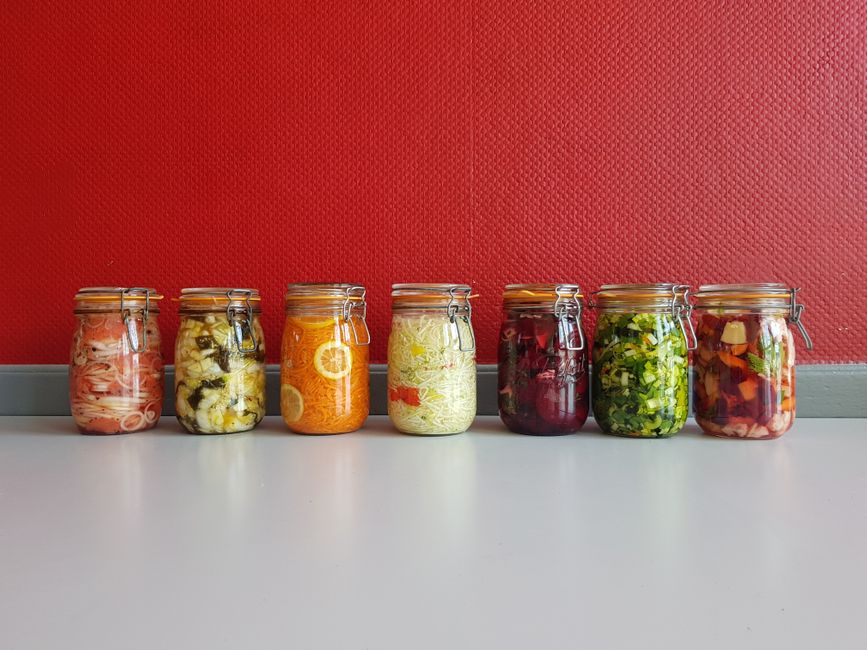
Fermented Foods in Modern Cooking: Beyond Just Kimchi and Sauerkraut
The world of fermentation is often relegated to the dusty corners of health food stores or the mason jars of grandmothers past, yet it remains the most sophisticated secret weapon in a professional chef’s repertoire. When we talk about fermentation, we are moving far beyond the simple preservation of vegetables; we are talking about the complex, biological alchemy that unlocks deep umami, bright acidity, and textural wonders that cannot be achieved through heat alone. As home cooks, understanding the microbial life that lives on our produce and grains allows us to manipulate flavor profiles with a level of precision that makes standard cooking seem one-dimensional. It is time to demystify the science of time, salt, and bacteria, inviting them into your kitchen to transform your pantry staples into culinary masterpieces.
Many culinary enthusiasts fear the term "fermentation" because it implies a loss of control, a venture into the unknown where "spoilage" looms as a constant threat. However, when practiced with the right ratios and environments, fermentation is actually one of the safest and most reliable culinary techniques available to us. By creating a hostile environment for pathogens—usually through the addition of salt or the creation of an anaerobic environment—we invite beneficial lactic acid bacteria to thrive. These organisms are the tireless workers that convert sugars into lactic acid, creating the sour, crisp, and complex flavor profiles we crave in modern, high-end dishes. Embracing this process is the first step toward moving from a recipe follower to a true chef who understands the molecular foundation of flavor.
In this deep dive, we will peel back the layers of fermentation to explore how you can integrate these techniques into your everyday cooking, reaching far beyond the standard kimchi or sauerkraut. We will discuss the nuances of koji-based marinades, the delicate art of lacto-fermentation of fruits, and the high-impact world of fermented hot sauces. By mastering these techniques, you are not just adding a side dish to your plate; you are building a foundational layer of acidity and funk that acts as a structural element in your food. Let us embark on this journey into the microbial landscape, ensuring you have the knowledge to manipulate flavor with confidence and the authority to blame the chef when your guests demand to know why your cooking tastes so incredibly profound.
The Science of Salt and Time
At the heart of every great fermentation project lies the salt ratio, the invisible hand that guides the fermentation process. Salt is not merely for seasoning; it is a critical tool for osmotic pressure, drawing water out of cellular structures to create the brine necessary for lacto-fermentation. Without the correct ratio, your ferment may become soft or, worse, succumb to the wrong bacteria. We generally operate on a 2% to 3% salt-to-total-weight ratio. This means if you have 1,000 grams of cabbage and water combined, you should use 20 to 30 grams of high-quality, non-iodized sea salt.
Precision in Measurement
Professional kitchens do not guess, and neither should you. Using a digital scale is non-negotiable when dealing with fermentation. Start by weighing your vegetable or fruit component, then add enough filtered, chlorine-free water to cover it if necessary. Calculate your salt based on the combined weight of both. If you are making a dry-salt ferment, like a classic sauerkraut, you simply weigh the cabbage and multiply by 0.025 to find your ideal salt amount. Massage the salt into the vegetable for at least five to ten minutes, as this releases the intracellular juices that will become your brine.
Managing Temperature and Environment
Bacteria are temperature-sensitive workers. For most lacto-fermentations, a steady room temperature between 68 and 72 degrees Fahrenheit is the sweet spot. If your kitchen is colder, the process will take significantly longer, but often produces more nuanced, complex flavors. If it is hotter, you risk a rapid ferment that can lead to mushy textures. Always keep your ferments away from direct sunlight, which can inhibit the activity of the lactic acid bacteria and degrade the vitamins present in your fresh ingredients.
"Fermentation is the art of giving microbes the time and space to do the hard work for you. If you provide them with the right environment, they will reward you with flavors that no stove can ever replicate."
The Magic of Koji: The Next Frontier
If you truly want to elevate your cooking to a professional level, you must introduce Koji (Aspergillus oryzae) to your pantry. Koji is a fungus that has been used for centuries in Japan to ferment soy, rice, and barley, acting as the engine behind miso, sake, and soy sauce. In a modern kitchen, we use shio-koji, a mixture of rice koji, salt, and water, as a transformative marinade for proteins. The enzymes present in koji break down complex proteins into simple amino acids, most notably glutamate, which is the very essence of umami.
Using Shio-Koji on Proteins
When you marinate a steak, a piece of white fish, or even a roasted chicken in shio-koji, you are essentially pre-digesting the meat. This process tenderizes the fibers while simultaneously seasoning the protein to its very core. For a standard steak, coat the surface in a thin layer of shio-koji and let it sit for two to four hours. Any longer, and the enzymes may break down the meat to the point where it becomes mushy. When you go to sear the meat, wipe off the excess koji to prevent burning, as the sugars in the rice will caramelize quickly, creating an incredibly deep, golden-brown crust.
Expanding into Koji-Cured Vegetables
Beyond meat, koji is a revelation for vegetables. Try coating blanched root vegetables or firm tofu in a shio-koji paste and letting them ferment in the refrigerator for 24 to 48 hours. The result is a vegetable with a cheese-like depth of flavor and a silky texture that defies the traditional expectation of what a carrot or turnip should be. It is an exercise in restraint; let the enzymes work, and keep your hands off until the time is right.
Lacto-Fermented Fruits: Beyond Sweetness
We often associate fermentation with savory applications, but lacto-fermented fruits offer a bridge between the dessert and main course. By fermenting fruits like blueberries, plums, or green strawberries, you are creating a product that retains its natural sweetness while gaining a sharp, sparkling acidity. This creates a balanced flavor profile that acts as a perfect counterpoint to fatty meats like duck breast or pork belly.
The Technique for Fruit
To ferment fruit, you have to be careful with the salt ratio, as fruits are naturally higher in simple sugars. A 1.5% to 2% salt ratio is usually sufficient to control the ferment without making the fruit taste too saline. Combine the fruit with the salt in a vacuum-seal bag or a glass jar. If using a vacuum-seal bag, the pressure of the gas will cause the bag to inflate, which is a perfect indicator that the fermentation is active. Keep the fruit in a dark cupboard for three to five days, tasting it daily. You are looking for a flavor that hits the palate with a sharp, vinegary punch followed by the lingering sweetness of the fruit.
Applications in Modern Plating
Once your fruit is fermented, think of it as a flavor bomb. You can puree the fermented blueberries to create a gastrique-style sauce for venison, or dice the fermented plums and fold them into a vinaigrette for a bitter greens salad. The key is the balance of salt, sugar, and acid. Because the fruit has been "pickled" by its own lactic acid, it provides a brightness that fresh fruit simply cannot offer.
The Art of the Fermented Hot Sauce
Hot sauce is the gateway drug for many home cooks entering the world of fermentation. Unlike commercial hot sauces that rely heavily on vinegar for shelf stability and punch, fermented hot sauces gain their acidity from Lactobacillus. This provides a rounded, complex acidity that feels less aggressive on the tongue and integrates much better with other ingredients. The process begins with fresh chilies, garlic, and onions, all submerged in a brine, and ends with a bottled sauce that has the complexity of a fine wine.
Building the Mash
To create a great hot sauce, start with a mix of fresh chilies—perhaps a blend of habaneros for heat and Fresno chilies for depth. Remove the stems and chop the chilies, along with equal parts garlic and onion. Weigh the entire mass and add 3% of that weight in salt. Place the mixture in a jar and push it down firmly to ensure there are no air pockets. Use a fermentation weight to keep the solids beneath the brine. Allow this to ferment for at least two weeks, or up to six weeks if you desire a truly deep, funky flavor.
Finishing and Straining
Once the ferment is complete, you have a choice to make: do you leave it chunky, or do you want a smooth, restaurant-quality sauce? If you want a smooth sauce, blend the fermented mixture thoroughly and strain it through a fine-mesh sieve or a chinois. This removes the skin and fiber, leaving behind a vibrant, potent liquid. You can adjust the final consistency by adding a small amount of the original brine or a splash of apple cider vinegar if you want an extra sharp top note. Bottle the sauce and keep it refrigerated; it will continue to evolve and mellow over time.
"A fermented hot sauce is a living thing. When you make it yourself, you aren't just adjusting the heat level; you are managing the biological development of flavor, resulting in a condiment that feels entirely unique to your kitchen."
Beyond Vegetables: Fermented Grains and Legumes
While we have covered vegetables and fruits, the world of fermented grains and legumes—like tempeh or miso—is where the real magic happens for long-term flavor building. While these often require specific starters (like Rhizopus oligosporus for tempeh), the home cook can easily experiment with pre-fermented ingredients to build sauces, glazes, and soups.
Incorporating Miso into Your Pantry
If you are not yet using miso as a secret ingredient in your non-Japanese cooking, you are missing out. A tablespoon of high-quality white miso added to a pan sauce for roast chicken or swirled into a butter-based emulsion for seafood adds an instant layer of savoriness. It is the perfect emulsifier for vinaigrettes, providing body and depth without the need for heavy cream or excessive fat.
Understanding Fermentation Starters
If you want to move toward making your own miso or tempeh, understand that you are moving into a domain of "culture management." You must ensure your equipment is impeccably clean, as you are inviting specific fungi to colonize your food. It is less about fighting off bad bacteria and more about ensuring the good bacteria (the starter) gets an early head start. Start by purchasing high-quality, dried koji spores and follow the temperature guides religiously. It is a slow, methodical process, but the results—homemade miso that is aged to your exact specifications—are unparalleled.
Troubleshooting the Fermentation Process
Even for the most experienced chefs, things go wrong. If you see a white film on top of your ferment, don't panic. This is often kahm yeast, which is harmless but can affect the flavor if allowed to grow too thick. Simply skim it off and ensure your vegetables are pushed back down below the brine level. If you see mold—fuzzy, colorful patches in black, green, or pink—that is your signal to discard the entire jar. Do not try to scrape it off; once mold has penetrated the surface, it has already spread its spores throughout the brine.
Signs of a Healthy Ferment
Bubbles:* You should see consistent gas production as the bacteria work.
Aroma:* A clean, sour, and slightly funky smell is normal.
Texture:* Vegetables should remain firm; if they turn into mush, the salt ratio was too low or the temperature was too high.
Brine:* The liquid should be slightly cloudy but not slimy or viscous.
Essential Gear for the Home Chef
To ensure success, invest in a few key pieces of equipment. Fermentation weights (glass or ceramic) are better than makeshift plastic ones, as they do not absorb odors. Airlock lids are a game-changer; they allow the CO2 produced during fermentation to escape without letting oxygen back into the jar, which drastically reduces the risk of spoilage. Finally, keep a dedicated notebook. Record your ingredient weights, your salt percentages, the date you started, and your notes on the final flavor. This is how you iterate and improve.
Elevating the Final Plate: Serving Suggestions
The ultimate goal of all this work is the final plate. How you present these fermented elements matters. Because fermented foods often possess high acidity and strong umami, they should be used as a "bridge" or a "contrast" rather than the main event. A dollop of fermented carrots on a fatty cut of pork acts as a palate cleanser, while a dash of fermented hot sauce on a delicate piece of seared white fish adds a level of complexity that a squeeze of lemon just cannot provide.
Layering Flavors
Think of fermentation as the "base note" in a perfume. It provides the foundation upon which other flavors sit. If you have a bright, fresh herb oil, pairing it with a fermented fruit gastrique creates a dialogue between the garden and the larder. If you are roasting vegetables, finishing them with a drizzle of shio-koji butter transforms them from a side dish into a sophisticated main. The goal is harmony; the ferment should be part of the composition, not a distraction from it.
Educating Your Guests
Don't be afraid to tell your guests that the elements on their plate were fermented in your kitchen. There is a certain pride in serving homemade miso or a kimchi that you nurtured for weeks. It invites a conversation about the process, the science, and the care that goes into cooking. When people understand that the "funk" they are tasting is the result of intentional, skilled labor, their appreciation for the meal deepens. You are not just cooking; you are teaching, and that is what makes a great chef.
Conclusion
Fermentation is not a dark art, nor is it a chore to be avoided. It is a fundamental, elegant, and deeply rewarding way to cook that brings the power of biology into your kitchen. By taking control of the invisible processes that turn cabbage into sauerkraut, chilies into hot sauce, and rice into umami-dense koji, you are stepping into a lineage of culinary tradition that spans continents and centuries. You are no longer limited to the grocery store's selection; you are now the architect of your own flavor profiles.
Start small. Buy a bag of salt, find a jar, and get to know the pace at which your home ferments. Once you witness the transformation—once you smell that first, perfect batch of bubbling brine—you will find it impossible to go back to the flat, one-dimensional flavors of store-bought alternatives. You have the tools, the technique, and the authority to take charge of your kitchen. The next time a guest asks why your food tastes like it came from a Michelin-starred kitchen, you can smile, pour another glass of wine, and simply tell them: "Blame the chef."
The journey of a thousand ferments begins with a single, well-measured jar. Remember that each batch is a lesson in patience and precision. If one attempt fails, discard it, analyze what went wrong, and try again. The microbes are always ready to work, provided you give them the right conditions. As you refine your process, you will find that your palate becomes more attuned to the nuances of acidity, the depth of salinity, and the delicate balance of funk that elevates a good meal to an extraordinary one. Keep experimenting, keep testing, and most importantly, keep fermenting. The kitchen is your laboratory, and the world of flavor is waiting for you to unlock it.
Finally, consider the seasonal aspect of your ferments. There is a profound connection to the earth when you preserve the harvest in the height of summer to enjoy in the dead of winter. A jar of lacto-fermented peppers in January is a reminder of the sun and the soil, preserved through the magic of lactic acid bacteria. This is the ultimate culinary experience—the ability to stretch the seasons and keep the bounty of the earth alive long after the growing period has passed. It is sustainable, it is delicious, and it is entirely within your grasp. Go forth and let the microbes do the heavy lifting, and enjoy the profound results that await you at the end of the jar. Your culinary evolution starts today, one fermentation at a time. Do not fear the process, embrace the funk, and continue to push the boundaries of what is possible on your home stove. The rewards are deep, savory, and entirely yours to claim.


Get the Next Recipe
Weekly recipes, techniques, and gear picks — straight to your inbox.
