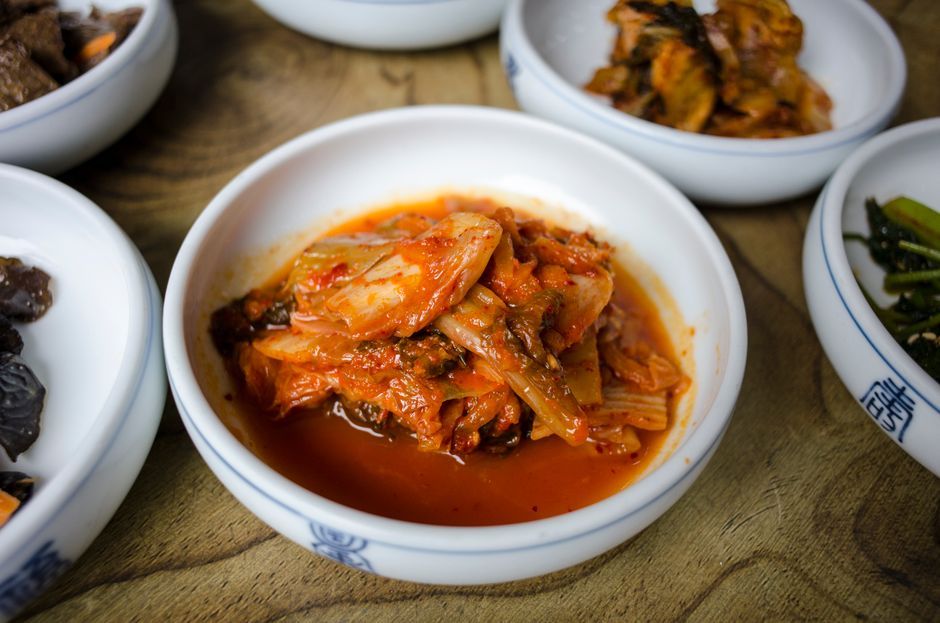
Fermented Foods: Traditional Preservation Meets Modern Health
Fermentation is a remarkable culinary technique that seamlessly blends traditional practices with modern health trends. As humanity has evolved, so too has our understanding of food preservation, and nowhere is this more evident than in the art of fermentation. From humble beginnings in ancient civilizations to the contemporary craze for kombucha and sourdough, fermented foods have carved out a crucial place in our diets, providing not only flavor and variety but also a myriad of health benefits. Whether you’re exploring the robust world of pickles, the creamy tang of yogurt, or the vibrant kick of kimchi, engaging with fermented foods offers both a window into history and a path to enhanced wellness.
At its core, fermentation is a biological process that transforms food through the action of microorganisms, such as bacteria, yeast, and molds. These tiny agents work their magic by breaking down sugars and starches, producing acids, gases, and alcohol. This not only extends the shelf life of perishable items but also creates complex flavors and textures that are simply impossible to achieve through conventional cooking methods. Think about the crisp acidity of a finely fermented vegetable or the rich umami depth of miso; these distinctive characteristics are a testament to the power of fermentation.
In addition to enhancing flavor, fermented foods are increasingly recognized for their health benefits. Research has illuminated the positive impact of probiotics – beneficial bacteria found in many fermented products – on gut health, digestion, and even mental well-being. The growing interest in gut microbiomes has sparked a surge in home fermentation projects, inviting more people than ever to engage directly with their food production. As we delve deeper into the world of fermented foods, we will explore traditional methods, modern techniques, and practical tips for incorporating these vibrant dishes into everyday cooking.
The Science of Fermentation
Understanding the science behind fermentation is fundamental for anyone looking to master this technique. Fermentation primarily relies on microorganisms, which can be broadly classified into two categories: bacteria and yeast.
Bacteria vs. Yeast
Lactic acid bacteria (LAB) are the stars of many fermentation processes, converting sugars into lactic acid. This includes strains like Lactobacillus and Streptococcus, which are essential for producing yogurt, sauerkraut, and pickles. On the other hand, yeasts such as Saccharomyces cerevisiae are crucial for alcoholic fermentation and the leavening of bread. Understanding which microorganisms are at work can help you tailor your fermentation projects:
The Fermentation Process
The basic process of fermentation includes the following stages:
The temperature is crucial. Most beneficial bacteria thrive between 68°F to 72°F (20°C to 22°C). Yeasts generally prefer warmer temperatures, enhancing carbonation and flavor in beverages. Monitoring this closely is fundamental to success.
“Understanding the delicate balance of temperature and time is the key to successful fermentation. Patience and observation are your greatest allies.”
Common Fermented Foods and Their Benefits
Understanding various fermented foods can help direct your culinary adventures. Here’s a concise list of popular options alongside their gut health benefits:
Incorporating these foods into your diet can lead to improvements in digestion, immunity, and overall health.
Getting Started with Fermentation
Starting your fermentation journey may seem daunting, however, with the right approach and understanding, it can be a rewarding experience.
Essential Equipment
To embark on your fermentation adventure, you will need some basic tools:
Having these tools on hand not only simplifies the process but ensures that you're prepared for success.
Basic Fermentation Ingredients
While individual recipes may vary, the core ingredients of most ferments remain consistent. Here’s a list to keep handy:
Starter Recipe: Classic Sauerkraut
One of the most accessible ferments, sauerkraut, showcases the beauty of simple ingredients and the magic of fermentation.
Ingredients:
Process:
Advanced Techniques in Fermentation
As you grow more comfortable with basic fermentation, consider experimenting with advanced techniques that can take your flavors to the next level.
Fermenting with Vegetables: The Kimchi Method
Kimchi is more complex, often involving a variety of vegetables, spices, and even seafood for flavor depth. Here's a guide:
Ingredients:
Process:
Alcoholic Fermentation
For those wanting to explore the realms of fermentation beverages, consider brewing your own kombucha or beer, both of which have their nuances.
#### Brewing Kombucha
Kombucha is a fermented tea that combines sweetness and tantalizing acidity thanks to the SCOBY (symbiotic culture of bacteria and yeast).
Ingredients:
Process:
“The beauty of brewing kombucha is in the experimentation. Adjust sweetness, and explore flavoring options, and find your ideal brew.”
Storing and Using Fermented Foods
Once your fermentation is complete, proper storage and usage will ensure you maximize both flavor and health benefits.
Refrigeration for Longevity
Most fermented foods can be stored in the refrigerator to halt fermentation and preserve their taste and texture. When storing:
Culinary Uses of Fermented Foods
Fermented foods can elevate dishes in numerous ways. Here are some ideas:
Health Benefits of Fermented Foods
As we elevate our culinary creations, it’s important also to understand the numerous health benefits that accompany the incorporation of fermented foods into our diet.
The Power of Probiotics
Probiotics are the key players in the benefits linked to fermented foods. They help maintain a balanced gut microbiome, which may enhance digestion, nutrient absorption, and immune function. Specific health benefits include:
Nutritional Value
From vitamin K in fermented vegetables to B vitamins in fermenting grains, fermented foods offer unique nutritional boosts. They may also help increase the absorption of minerals.
Conclusion
Embarking on a journey into the world of fermented foods not only invites vibrant flavors and textures into your kitchen but also offers profound health benefits that can enhance your overall well-being. Whether you opt for traditional methods or experiment with modern twists, the possibilities are endless. Remember that fermentation is both an art and a science; learning from each batch—what works, what didn’t, and what you enjoyed—will cultivate your skill set over time.
As you continue to explore and create, keep in mind the importance of patience, curiosity, and experimentation. The world of fermentation opens doors to endless culinary adventures, allowing you to connect with historical practices while nourishing your health. So roll up your sleeves and start mixing, slicing, and experimenting with these age-old techniques. Fermentation awaits, brimming with boundless potential, just waiting for you to unleash its power in your kitchen!


Get the Next Recipe
Weekly recipes, techniques, and gear picks — straight to your inbox.
