
Fermented Hot Sauce: From Scoville to Savor
The alchemy of fermentation is perhaps the most misunderstood yet profoundly rewarding process in the culinary arts. When we talk about hot sauce, most people think of vinegar-heavy concoctions that rely on acidity for preservation and sharpness. However, when you step into the world of lacto-fermentation, you move beyond mere preservation and into the realm of flavor development. This process involves harnessing the power of Lactobacillus, the beneficial bacteria that naturally exist on the skins of fresh peppers. By creating the right environment, these microbes convert natural sugars into lactic acid, resulting in a tang that is far more complex, rounded, and sophisticated than the harsh bite of white distilled vinegar.
For the home cook, the transition from store-bought sauces to artisanal fermented creations is a gateway to culinary mastery. You are no longer just a consumer; you become a scientist, a gardener, and a chef all at once. This project requires patience, precision, and an appreciation for the microbial world that flourishes on your kitchen counter. While the idea of leaving vegetables to "sit" might seem counterintuitive to those used to sterile grocery store shelves, it is an ancient technique that has kept humans healthy and fed for millennia. Once you understand the basic mechanics, you can manipulate heat levels, flavor profiles, and textures to create a signature sauce that simply cannot be replicated by mass-market production.
In this deep dive, we will explore the intricate science that dictates how capsaicin, the compound responsible for that iconic burn, interacts with organic acids during the curing process. We will look at the importance of salinity ratios, the role of water quality, and why the "bloom" of bacteria is the secret to a professional-grade finish. Whether you are a fan of the mild, smoky notes of a fermented jalapeño or the blistering, fruity complexity of a chocolate habanero, the principles remain the same. Prepare to clear off some shelf space in your pantry, grab your best non-reactive fermentation vessels, and get ready to blame the chef for what will soon become your new, obsession-worthy hobby.
The Chemistry of Capsaicin and Acid
At the heart of every great hot sauce is the capsaicinoid profile. Capsaicin is a hydrophobic, stable molecule that is essentially heat-resistant. It does not break down during the fermentation process, which is why your sauce will retain its kick long after the microbes have done their work. However, the perception of that heat changes drastically when introduced to the environment of a lacto-fermented mash. As the Lactobacillus bacteria feast on the plant sugars, they produce lactic acid, which lowers the pH level of your mash. This acidity acts as a natural preservative, inhibiting the growth of harmful pathogens while creating an environment where the bright, fruity characteristics of the pepper can truly shine.
Understanding the pH Threshold
To ensure a safe and successful fermentation, monitoring your pH is non-negotiable. You are aiming for a final pH level of 4.6 or lower, though most professional fermenters prefer to see a reading between 3.2 and 3.8. A pH meter is an essential tool for the serious chef; relying solely on taste is a recipe for inconsistency. If the pH does not drop low enough, the fermentation may stall or, worse, develop mold. This is why the salt-to-vegetable ratio is so critical. Salt draws the moisture out of the peppers through osmosis, creating a brine that protects the peppers while the good bacteria get to work.
The Role of Salt and Osmosis
When preparing your pepper mash, you must use a salt concentration of at least 2% to 3% of the total weight of the peppers and any additional ingredients. This is not a matter of taste; it is a matter of safety and biology. The salt suppresses the growth of unwanted, spoilage-causing bacteria while allowing the hardy Lactobacillus to thrive. By weighing your ingredients in grams rather than volume, you ensure that your salt percentage remains precise across every batch. A kitchen scale is your best friend in this endeavor, providing the technical accuracy required for consistent results.
"Fermentation is not just a preservation method; it is the deliberate act of inviting the microscopic world to cook alongside you, turning raw heat into a symphonic experience of tang and fire."
Selecting and Preparing Your Ingredients
The quality of your hot sauce is only as good as the raw materials you start with. When selecting peppers, look for vibrant, firm skins free of blemishes or soft spots. The fresher the pepper, the more active the surface bacteria, which jumpstarts the fermentation process. Consider a blend of varieties to add depth: use Fresno peppers for a fruity base, Habaneros for floral top notes, or Thai chilis for a sharp, clean finish. Avoid peppers that have been treated with heavy pesticides, as these can interfere with the health of your bacterial culture.
The Importance of Aromatics and Fruits
While peppers provide the foundation, aromatics like garlic, shallots, and onions add depth. However, be cautious with how much garlic you include, as it can occasionally lead to a bluish discoloration due to a reaction with trace minerals in the water or the salt; this is purely cosmetic and safe to eat, but visually unappealing. You might also consider adding fruits like mango, peach, or pineapple. Note that adding fruit introduces high levels of sugar, which will cause the fermentation to be much more vigorous and potentially faster. Keep a close eye on your airlocks during the first few days if you are including high-sugar additives.
Water Quality Matters
Never overlook the water in your recipe. If you live in an area with highly chlorinated tap water, it may inhibit the growth of your bacteria. Always use filtered or spring water for your brine. Chlorinated water can kill the very organisms you are trying to cultivate. Additionally, make sure your fermentation vessel is made of glass or food-grade plastic; avoid metal containers, as the acidic environment created by the lactic acid will react with the metal, resulting in a metallic, unpleasant taste in your final product.
Managing the Fermentation Environment
Once your mash is prepared, the environment becomes the most significant factor in the success of your sauce. Temperature control is paramount. A cool, dark pantry—ideally between 68°F and 75°F—is the sweet spot for a slow, steady fermentation. If the temperature is too high, the fermentation will happen too quickly, potentially resulting in a sour, unbalanced product. If it is too cold, the bacteria will go dormant, and your mash will remain stagnant. Consistency is the goal.
The Role of Air Management
Oxygen is the enemy of a clean, consistent lacto-fermentation. While the initial stage of the process benefits from a small amount of oxygen, the long-term cure needs to be anaerobic. This is why airlock systems or weights are necessary. Using a glass weight to keep the pepper mash completely submerged under the brine prevents the formation of kahm yeast or mold, which thrive on surface exposure to air. If you see white, filmy growth on the surface, that is often just kahm yeast, which is harmless but can impart a musty flavor; it is best to scrape it off carefully.
Signs of Success
How do you know it is working? Look for bubbles. As the bacteria consume the sugars, they release carbon dioxide, which will create visible effervescence in your jar. You might also notice the texture of the peppers changing; they will soften significantly as their cell walls break down. The smell should shift from the "green," grassy scent of raw peppers to a bright, pungent, and savory aroma. If the smell becomes overly "funky" or rotten, trust your instincts and discard the batch. A healthy fermentation smells like pickles—tangy, zesty, and inviting.
"The true test of a chef is not the ability to mask flaws with heavy-handed spices, but the ability to cultivate a process where every ingredient contributes to a greater, more vibrant whole."
From Mash to Finished Sauce
After two to four weeks—or even longer, if you prefer a deeper, funkier profile—your mash is ready to be processed. This is the moment where you take the raw, fermented base and turn it into a refined, pourable hot sauce. Before you begin, taste your mash. It should be intensely flavorful, with a pleasant acidity and the characteristic heat of your chosen peppers. If it is too sour, you can balance it with a small amount of honey or maple syrup. If it lacks salt, now is the time to adjust, though remember that you are working with a live culture.
The Blending Process
Transfer your fermented mash into a high-powered blender. If you want a thick, rustic sauce, blend it as-is. If you prefer a professional-grade, smooth consistency, you will need to strain it. Use a fine-mesh sieve or a chinois to separate the skins and seeds from the liquid. Pressing the mash through the sieve with a silicone spatula is a labor-intensive but rewarding process. The result should be a vibrant, velvety liquid that coats the back of a spoon.
Adjusting Texture and Finish
If the sauce is too thick, do not reach for water immediately. Instead, add a small amount of the original brine from the jar. This preserves the salt level and the complexity of the flavor. If you find the heat level is higher than expected, you can dilute it with more brine or, in some cases, a small amount of apple cider vinegar to add a different type of acidity. Chef’s tip: keep your blending time short to prevent the sauce from oxidizing and turning a dull brown color. A quick pulse is usually sufficient to emulsify the remaining oils.
Advanced Techniques: Beyond the Basics
Once you have mastered the standard mash, you can start experimenting with advanced techniques to differentiate your sauces. One popular method is the smoked fermentation approach. By smoking your peppers over applewood or hickory chips before starting the fermentation, you infuse the mash with a savory depth that pairs beautifully with the tangy acidity of the lactic acid. Another technique is secondary fermentation, where you add fresh fruits or spices to the blended sauce and let it sit for another few days at room temperature to develop a tertiary layer of flavor.
Playing with Tannins
Consider the addition of tannin-rich ingredients to change the mouthfeel of your sauce. A few dried tea leaves or a piece of grape leaf placed in the fermenting jar can keep the peppers crunchier for longer, though this is more applicable to fermented pickles than a mash. However, the concept remains interesting for those looking to experiment with texture. You can also play with the "heat intensity" by incorporating dehydrated ghost peppers or super-hots into the mash to reach a heat level that is truly for the experienced enthusiast.
Bottle and Storage
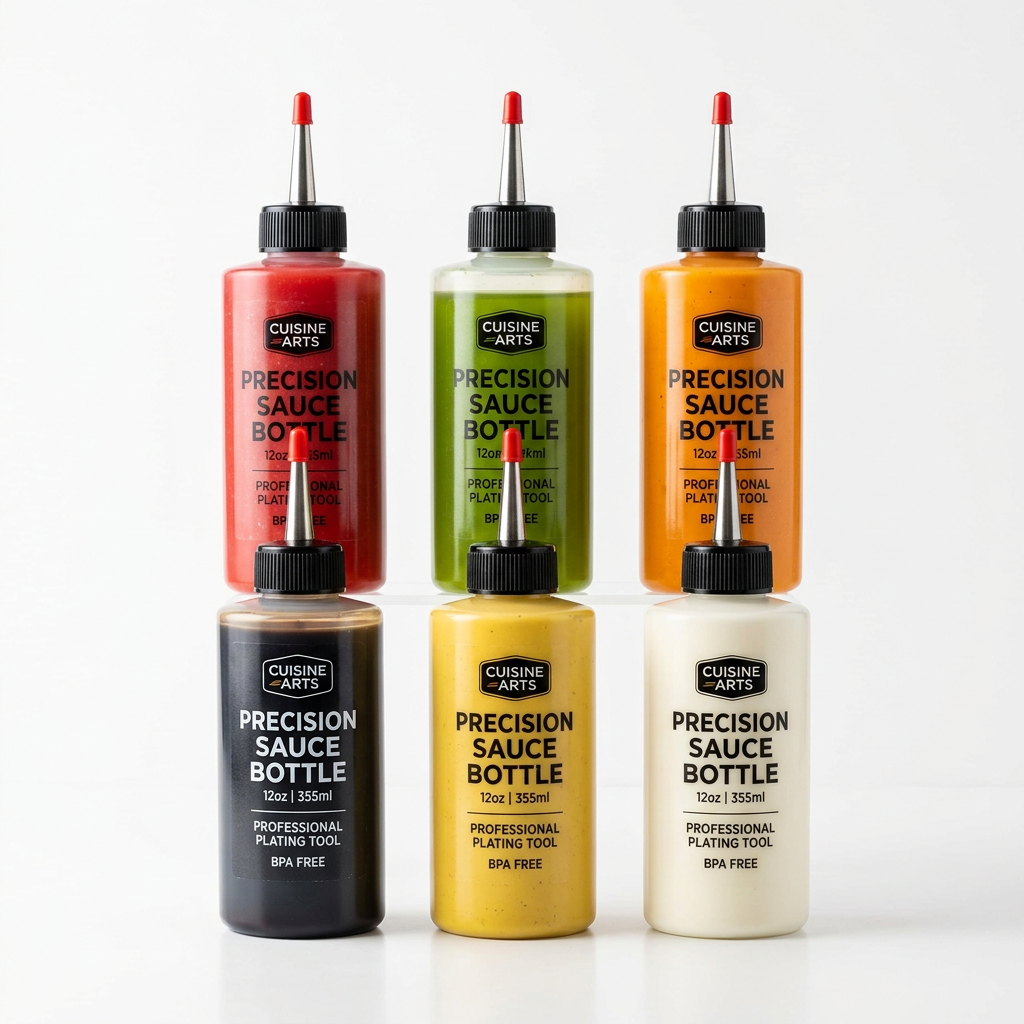
Always use sterilized glass bottles for your finished hot sauce. Because the sauce contains live cultures, it can continue to ferment slightly if left at room temperature. For home chefs, I recommend refrigeration after bottling to halt or significantly slow the secondary fermentation process. This ensures that your sauce remains consistent for months. Label your bottles with the date and the pepper blend used; you will be surprised how quickly you forget which batch had the scorpion peppers versus the serranos.
Troubleshooting Common Issues
Even the best chefs encounter hurdles when dealing with living cultures. One of the most common issues is salt crystallization at the bottom of the bottle. This is harmless but can look slightly gritty. Shake your bottles well before serving. If you notice your sauce is separating—a thin, watery layer at the top and a thick layer at the bottom—don't panic. This is normal, as it is a natural emulsion. Just give the bottle a vigorous shake to bring it back to a uniform consistency.
When to Toss
If you see fuzzy mold (black, green, or pink patches that look like cotton) on the top of your mash, the batch has been compromised. Do not try to scoop it off and save the rest. Once the mold has established itself on the surface, the spores have likely penetrated deeper than you can see. Always err on the side of caution. A failed batch is simply a lesson in sanitation; double-check that your equipment was properly sanitized and that your brine coverage was sufficient for the next attempt.
Scaling Up
When you are ready to produce larger quantities, do not just multiply everything by ten. Fermentation is a physical process that produces heat and gas. A larger volume of mash will produce more CO2, meaning your airlock setup must be large enough to handle the pressure. If you are using large fermentation crocks, make sure they are placed in a location where they won't be disturbed, and consider using glass weights that fit the diameter of your container perfectly.
"The beauty of a fermented hot sauce lies in the fact that it is a living entity, evolving in the bottle, becoming more robust and nuanced with every passing week."
Safety and Sanitation: A Professional Standard
Professional kitchens operate on a strict set of safety protocols, and you should bring that mindset into your home. Sanitation is the bridge between a delicious, safe sauce and a potential food-borne illness. Use a high-temperature dishwasher for your jars, or perform a manual sterilization by boiling them for ten minutes. Avoid using wooden utensils to stir your mash, as wood is porous and can harbor unwanted bacteria that will infect your ferment. Stick to silicone, food-grade plastic, or stainless steel.
Handling Super-Hot Peppers
If you are working with peppers like Carolina Reapers or Moruga Scorpions, wear nitrile gloves. The oils in these peppers can linger on your skin for hours, and the last thing you want is to accidentally rub your eyes or touch sensitive areas after a prep session. The capsaicin will permeate through many types of thin materials, so double-gloving is often a standard procedure in high-volume hot sauce production. Treat the ingredients with the respect their potency demands.
The Documentation Habit
Keep a fermentation journal. Note the starting weight of your peppers, the percentage of salt used, the ambient temperature of your kitchen, and the duration of the ferment. If you make a sauce that turns out perfectly, you want to be able to replicate those exact conditions six months down the line. If you make a mistake, your journal will help you identify exactly where the process went off-track. This level of rigor is what separates a casual enthusiast from a master of the craft.
Conclusion
Creating your own fermented hot sauce is a journey that connects the science of the lab with the art of the kitchen. It requires you to slow down, pay attention to the details, and respect the microbial processes that turn simple garden produce into a complex, fiery, and deeply satisfying condiment. By mastering the basics of lacto-fermentation, maintaining a precise salt ratio, and ensuring a consistent, controlled environment, you are building a foundation of skill that will serve you for years to come.
Do not be discouraged if your first batch is not exactly what you imagined. Fermentation is an iterative process. Every jar you open is a learning opportunity. You will begin to recognize the subtle differences between the sharpness of an early ferment and the mellow, rounded character of a long-aged sauce. You will learn to balance the heat of the peppers with the sweetness of fruits and the savory depth of aromatics. And ultimately, you will have a condiment that is uniquely yours, a reflection of your own palate and your willingness to experiment.
As you stand in your kitchen, watching the tiny bubbles rise to the surface of your latest experiment, remember that you are the architect of this flavor. You have chosen the ingredients, set the environment, and provided the time for these elements to harmonize. There is a profound pride in serving a dish—or a simple taco, or a bowl of chili—that is elevated by a sauce you made from scratch. It is a testament to your growth as a chef and your commitment to the craft. So, blame the chef—because when the flavor is this good, you are the one who deserves the credit for the fire you have created. Keep fermenting, keep tasting, and above all, keep pushing the boundaries of what your kitchen can produce. The world of Scoville and savor is vast, and you have only just scratched the surface of what is possible when you let nature do the heavy lifting.


Get the Next Recipe
Weekly recipes, techniques, and gear picks — straight to your inbox.
