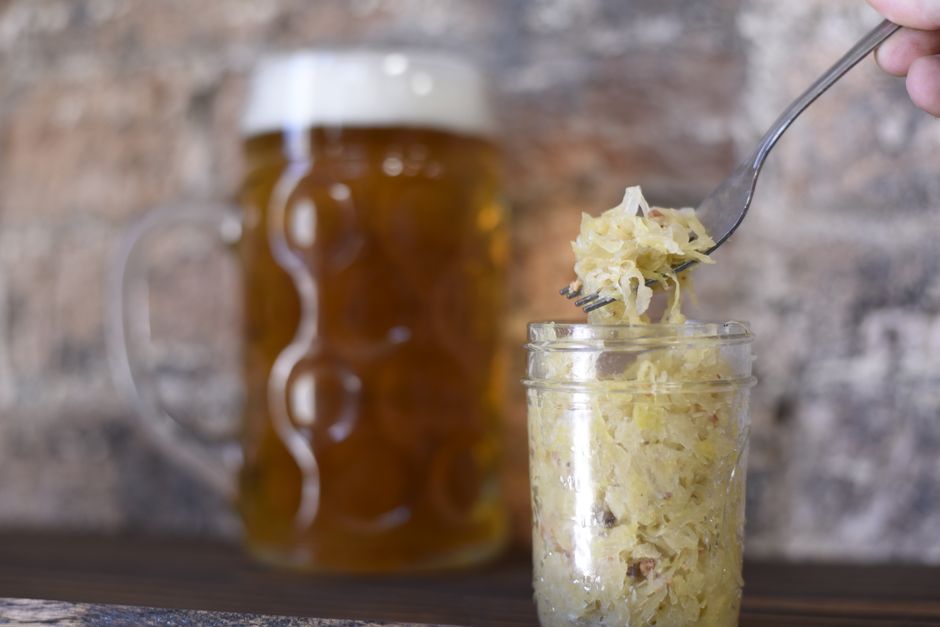
Fermenting Vegetables at Home
Fermenting vegetables at home is a delightful exploration into culinary preservation that has roots steeped in both necessity and tradition. As home cooks seek to reduce food waste and embrace sustainability, fermentation stands out as a technique that not only extends the shelf life of fresh produce but also transforms flavors into something uniquely vibrant and complex. The benefits of fermentation extend beyond preservation; they introduce a host of health benefits, enhancing the nutritional profile of vegetables and fostering a thriving gut microbiome. With the engaging process of pickling, brining, and fermenting, the kitchen becomes a laboratory of flavors, and the humble vegetable is elevated to a gourmet a la carte item.
Whether you're a seasoned chef or a novice with a curious palate, fermenting vegetables can be as simple or as complex as you wish to make it. The key lies in understanding the basics of the fermentation process, including the significance of the ingredients, timing, and environmental conditions. When vegetables are submerged in a brine that encourages the growth of beneficial bacteria, they begin to break down naturally, transforming their texture and flavor. The result? Crunchy, tangy, and aromatic creations that can be served alongside grilled meats, stir-fries, or even enjoyed straight from the jar. The approach to fermentation becomes an art, allowing for an endless array of flavors and combinations that can reflect both cultural heritage and personal creativity.
As we delve deeper into the techniques, recipes, and nuances of fermenting vegetables at home, you'll discover that this ancient culinary practice is accessible to everyone. The leap from fresh vegetable to tangy, fermented delight is not merely a chance to preserve food; it opens up avenues for creativity and flavor exploration. Prepare to unlock the secrets of fermentation and enhance your culinary repertoire, bringing new life to seasonal produce and transforming your meals into extraordinary experiences.
Understanding Fermentation: The Basics
Fermentation is the biochemical process that occurs when microorganisms such as bacteria, yeasts, or molds break down sugars and starches in food. This natural method of preservation has been used for centuries across many cultures, resulting in a variety of fermented foods that reflect regional ingredients and flavors. During fermentation, lactic acid bacteria (LAB) thrive in the absence of oxygen, producing lactic acid as a by-product of their metabolism. This lactic acid not only acts as a natural preservative by lowering the pH of the food, creating an inhospitable environment for spoilage organisms but also contributes to the distinct tangy flavor profile beloved in fermented products.
The Science Behind Fermentation
Understanding the science behind fermentation can deepen your appreciation and skill throughout the process. The primary factors that affect fermentation include temperature, time, salinity, and oxygen levels.
The beauty of fermentation lies in its ability to produce complex and varied flavors through a precise balance of these factors.
Selecting Your Vegetables
Not all vegetables are created equal when it comes to fermentation; certain types stand out due to their textures, flavors, and nutritional properties. Cruciferous vegetables such as cabbage, kale, and broccoli are classic choices for fermentation due to their high fiber content and ability to develop rich flavors. Other vegetables that fare well in the fermenting world include:
Preparing Your Vegetables for Fermentation
To ensure your fermented vegetables turn out successfully, proper preparation is key. Here’s a step-by-step guide to preparing your fresh produce:
The Role of Seasoning
Adding spices, herbs, and other flavoring agents during fermentation can dramatically influence the taste and character of your final product. Some popular additives include:
Experimenting with different combinations can yield personalized results, allowing you to tailor each batch to suit your culinary preferences.
Essential Fermentation Techniques
Fermentation can be approached in multiple ways, with various techniques available to fit your cooking style. Here are some of the most popular methods, each resulting in distinct flavors and textures.
Lacto-Fermentation
Lacto-fermentation is the most common technique used for vegetables, relying on lactic acid bacteria to ferment sugars naturally present in the vegetables. The process involves these key steps:
Quick Pickling
Quick pickling is often misunderstood as fermentation but is a quicker method that does not involve live fermentation bacteria. Instead, vegetables are immersed in an acidic vinegar solution combined with sugar and spices. While not a full fermentation process, quick pickling yields flavorful results in a fraction of the time.
Kosher Pickling
Traditionally used in Jewish cuisine, kosher pickling typically involves the use of whole cucumbers soaked in brine, often accompanied by garlic and spices. The method highlights the natural flavors of cucumbers through a sustainable fermentation process by utilizing lactobacillus bacteria, which can often be found in the skins of fresh cucumbers.
Fermenting in a Fermentation Crock
A fermentation crock is a traditional vessel designed to facilitate the fermentation process while protecting your vegetables from exposure to air.
Chef's Tip: Store the fermentation crock in a cool, dark place to maintain optimal fermentation conditions.
Fermenting with a Fermentation Lid
Investing in a specialized fermentation lid for mason jars can streamline the process for smaller batches. These lids prevent oxygen exposure while allowing gases to escape, creating a controlled environment.
Monitoring Your Fermentation
As your vegetables undergo the fermentation process, it’s critical to monitor their development to ensure quality and safety.
Checking for Signs of Fermentation
Signs that your fermentation is progressing ideally include:
Tasting through the Fermentation Period
Tasting is one of the most enjoyable elements of the fermentation process. Beginning at around 3 days, sample a small amount from the jar to discern flavor development. As fermentation continues, take notes on the flavor profile, acidity, and texture, allowing you to decide when the batch is ideally suited to your palate.
Storing Your Fermented Vegetables
Once your vegetables have reached the desired level of fermentation, proper storage is crucial for maintaining their flavor and prolonging shelf life.
Transferring to Refrigerator
Using for Culinary Creativity
Fermented vegetables can be a versatile ingredient in various dishes. Here are some ideas to incorporate them into your cooking:
Troubleshooting Common Fermentation Issues
Not every fermentation will go according to plan, and knowing how to troubleshoot common issues can help you salvage your culinary effort.
Off-Sour Odors
If your ferment emits a rancid or unpleasant odor, it could indicate spoilage. In this case, it’s best to err on the side of caution and discard the batch.
Mold Growth
Mold may occasionally develop on the surface of your ferment, especially if vegetables aren't fully submerged. If you see small amounts, you can scrape it off for safety, but if it’s extensive, it’s wise to discard the entire batch.
Texture Issues
If your vegetables emerge soft and mushy rather than crisp, it may be due to over-fermentation or the variety of vegetables used. Creating a mindful brine and checking often can help maintain desired textures.
Conclusion
Fermenting vegetables at home is a rewarding journey that empowers home cooks to elevate their culinary practices while contributing to sustainability and enhancing personal nutrition. By understanding the science behind fermentation, selecting robust vegetables, and mastering essential techniques, you can create a range of vibrant and delicious ferments that resonate with your palate.
Whether you are looking to amp up your meals, reduce food waste, or embark on a fascinating exploration of flavors, the world of fermentation has something to offer everyone. With some patience, creativity, and experimentation, your kitchen can transform into a haven of fermented delights.
As you begin to experiment with your vegetables and brines, remember that flavor, aroma, and texture are paramount. The taste of success in fermentation comes down to the interplay of time, temperature, and your unique touch in the kitchen. Embrace the process, learn from the outcomes, and give your vegetables a chance to shine in ways you never thought possible. As you dip into the world of homemade fermented treats, prepare to be amazed by the culinary treasure you can create right from your kitchen. With each jar opened, you'll experience the satisfaction of a skill well-learned and flavors exquisitely crafted.
Embark on your fermenting adventure, and remember—the only limits are your imagination and taste buds!

Get the Next Recipe
Weekly recipes, techniques, and gear picks — straight to your inbox.
