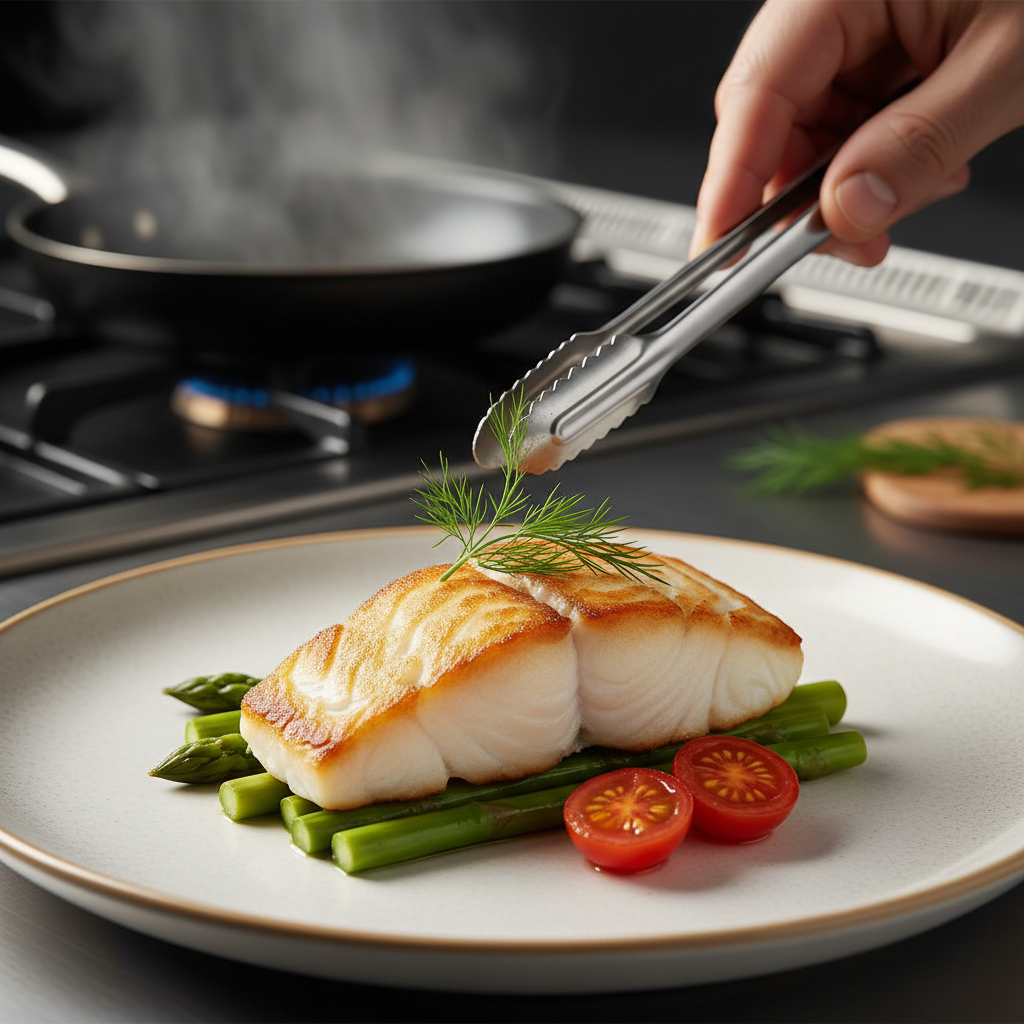
Fish Cookery: Delicate Proteins, Perfect Timing
Fish cookery is one of the most rewarding techniques a home cook can master. Delicate proteins like fish require a thoughtful approach to ensure the perfect balance of flavor and texture. Unlike meats, fish is often praised for its lightness and cleanliness, which means the way you handle it can make or break your dish. Timing, seasoning, and cooking technique play crucial roles in elevating a simple fillet into a culinary masterpiece. As you embark on this journey, you’ll discover the nuances that turn ordinary fish into standout dishes, showcasing your skills and enhancing your confidence in the kitchen.
When preparing fish, it’s essential to understand the many varieties and preparations available. From flaky white fish like sole and cod to rich, oily options such as salmon and mackerel, each type offers unique characteristics that influence cooking methods. Understanding how different fish react to heat and seasoning will help you choose the right preparation techniques. Moreover, knowing the right techniques, such as poaching, grilling, or roasting, maximizes the potential of each type of fish, allowing its natural flavors to shine.
Another factor in fish cookery is the connection between freshness and taste. While frozen fish can be a convenient option, nothing beats the flavor and texture of freshly caught fish. Be mindful of where you source your fish, ensuring that it's both sustainable and of high quality. Fresh fish should have a clean smell, firm texture, and bright, shiny skin. In this post, we'll delve into various fish cookery techniques, covering everything from the basics to advanced tips that will help you create memorable meals that you can share with family and friends.
Understanding Different Types of Fish
The first step in mastering fish cookery is familiarizing yourself with the different types of fish available to you. Each species has its unique flavor profile, texture, and fat content, all of which impact cooking methods.
Lean Fish
Lean fish are typically lower in fat and have a mild flavor. Examples include cod, halibut, sole, and tilapia. These fish cook quickly and can easily become dry if overcooked. Here are some key characteristics:
Fatty Fish
On the other hand, fatty fish like salmon, mackerel, and trout contain higher oil content, contributing to their rich flavor and moist texture. Here are some considerations when working with fatty fish:
Shellfish Variations
Beyond standard fish, it's also worth exploring shellfish such as shrimp, scallops, clams, and mussels. These require different approaches:
By understanding the classifications of fish and shellfish available to you, you can choose the best proteins for your dishes and select the most appropriate cooking techniques.
Essential Techniques in Fish Cookery
Having a grasp on techniques is vital for elevating your fish dishes. Below are various methods that can help you harness the potential of each type of fish.
Searing Fish
Searing is a popular method of cooking fish that involves using high heat to create a delightful caramelized crust. This technique helps lock moisture in the fish while developing robust flavors.
#### Steps to Sear Fish
"Searing is not just a cooking method—it's a transformative technique that brings out the natural flavors of the fish."
Poaching Fish
Poaching is a gentle cooking method that provides a soft texture and keeps fish moist, making it perfect for delicate varieties like sole and trout. Here's how to poach fish effectively:
#### Steps to Poach Fish
Baking Fish
Baking is an excellent technique for cooking fish evenly while allowing it to absorb additional flavors from seasonings or other ingredients.
#### Steps to Bake Fish
Grilling Fish
Grilling adds an incredible smoky flavor to fish and can also impart beautiful grill marks. Here’s how to grill fish perfectly:
#### Steps to Grill Fish
"Grilling offers a flavor depth that can’t be achieved through other methods, making it a favorite for many chefs in warm weather."
Flavoring and Seasoning Fish
Balancing flavors is crucial to creating memorable fish dishes. With a delicate protein like fish, subtlety goes a long way when it comes to seasoning.
Using Herbs and Citrus
Herbs and citrus can elevate the natural flavors of your fish dishes without overpowering them. Fresh herbs like dill, parsley, and cilantro can add brightness, while citrus enhances the dish with acidity.
#### Ideas for Flavor Combinations
Marinades
Using a marinade can enhance the flavor profile of fish prior to cooking. A simple marinade should include an acid (like lemon or vinegar), oil, and seasonings.
#### Basic Marinade Recipe
Sauces for Fish
Adding a sauce can take your fish dish from simple to spectacular. Consider preparing a classic beurre blanc, a tangy salsa verde, or a spicy mango chutney.
#### Simplifying Sauce Preparation
Common Fish Cooking Mistakes to Avoid
Even seasoned cooks can make mistakes when cooking fish. Identifying and rectifying common pitfalls can drastically improve your fish cookery.
Overcooking
Overcooking is the most common mistake. Fish cooks quickly, and even residual heat can continue to cook the protein after removing it from the heat source.
#### Tips to Avoid Overcooking
Not Letting Fish Rest
Just like with any protein, allowing fish to rest for a few minutes before serving helps redistribute moisture and improve flavor.
#### Resting Guidelines
Skipping Quality Control
When cooking fish, never underestimate the importance of using high-quality, fresh ingredients. Check for freshness before purchasing, ensuring the fish has a clean ocean smell and shiny skin.
#### Signs of Quality Fish
Ideal Side Dishes for Fish
Complementing your fish dish with the right side can elevate the overall dining experience. Here are several side dish ideas that pair well with various fish.
Vegetables
Starches
Salads
Final Thoughts
Mastering fish cookery can open up an entirely new world of culinary possibilities. The tender, delicate nature of fish requires a certain finesse; however, with practice and attention to detail, you can produce dishes that are not only delicious but also visually appealing. By understanding the various types of fish, honing your cooking techniques, and learning how to season effectively, you’ll be able to elevate your meals and impress your guests.
Remember, practice makes perfect. Don’t be afraid to experiment with different flavors and cooking methods. The world of fish cookery is vast and rewarding, inviting you to dive deeper into new textures and tastes. Whether you’re preparing a simple weeknight dinner or an elegant dinner party dish, start your fish cooking journey today and relish the incredible flavors that await.
It’s not just meals you’re creating; you’re crafting experiences that celebrate the wonderful diversity of seafood in your cooking repertoire. Embrace the possibilities and let your kitchen become a showcase of your fish cookery skills. Happy cooking!

Get the Next Recipe
Weekly recipes, techniques, and gear picks — straight to your inbox.
