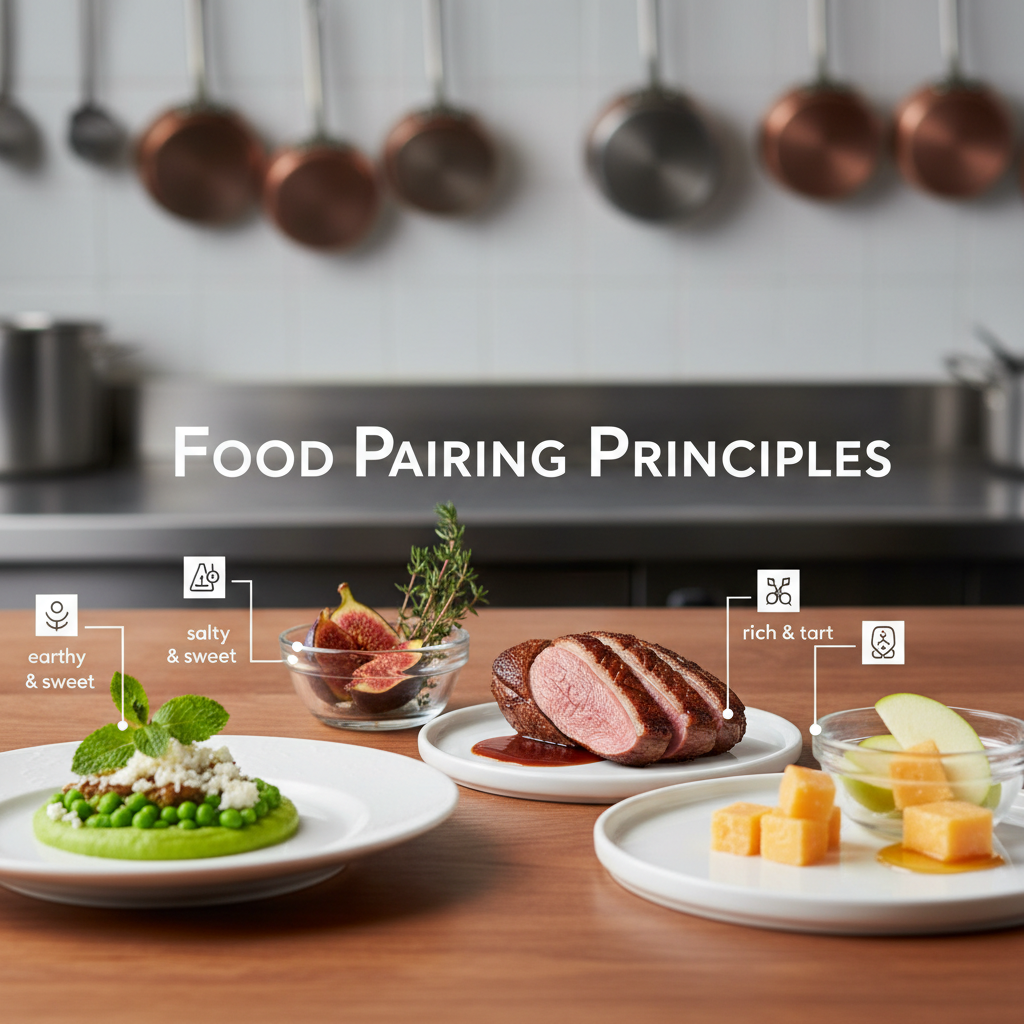
Food Pairing Principles: Building Complementary Flavors
Food is a universal language, an art form that transcends borders and cultures. Every dish tells a story, and the way flavors interact creates a narrative that can evoke emotion and memory in the eater. While many home cooks are instinctively attuned to their taste preferences, understanding the principles of food pairing can drastically elevate one’s culinary creations. The secret lies not just in the individual ingredients but in the harmonious combination of flavors, textures, and aromas. By mastering the foundations of food pairing, the kitchen can transform into a canvas of infinite possibilities.
In the culinary world, flavors can be categorized in various ways: sweet, sour, salty, bitter, and umami. Each of these taste sensations has unique characteristics and serves different functions in a dish. The key to building complementary flavors is to understand these categories and the different ways they interact. For example, the sweet notes of ripe strawberries can be beautifully balanced with the tartness of balsamic vinegar. Similarly, rich umami flavors found in aged cheeses are often complemented by the brightness of fresh herbs. By leveraging the innate qualities of these taste profiles, we can craft dishes that resonate on multiple sensory levels.
Moreover, food pairing goes beyond just taste; it accounts for texture and aroma as well. The crunch of toasted nuts can lend an appealing textural contrast to creamy sauces, while fresh herbs can introduce a fragrant note that pulls the dish together. This multilayered approach to cooking not only enhances our enjoyment of food but also encourages creativity and experimentation. Ultimately, the principles of food pairing empower home cooks to explore their culinary instincts and develop a more profound connection to the ingredients they use.
The Science of Flavor Interactions
The Flavor Wheel
Understanding the science behind flavor interactions can significantly enhance your cooking skills. The Flavor Wheel, a circular diagram that illustrates how different flavors relate to one another, is a helpful tool for visualizing these connections. It categorizes flavors into segments, allowing cooks to draw parallels between disparate ingredients and discover exciting combination potentials. Ingredients that are found in the same segment often pair well, while those in opposing segments can create tension and contrast that might surprise the palate.
Notably, the wheel breaks down flavors into core elements, showcasing familiar pairings and sparking inspiration for new combinations. Consider the citrus segment: common members like lemon and orange not only shine in desserts but also work brilliantly with fish, adding brightness and acidity. By utilizing the Flavor Wheel, home cooks can navigate the often-complex relationships between ingredients and find balance in their dishes.
“Flavor pairing is about precision; there is a science behind what works and what doesn't.”
Ratios and Proportions
Once you understand the fundamental flavor categories and their relationships, the next step is mastering the ratios and proportions. Different dishes require different balances, and knowing how to adjust flavors based on the context is critical. As a rule of thumb, sweet and sour flavors can often be balanced in a 1:1 ratio. However, when umami is included, that ratio may change.
For instance, when making a vinaigrette, a classic ratio is one part acid (like vinegar) to three parts oil. This can shift based on the acidity of the vinegar used. If you're working with a particularly sharp vinegar, you might want to increase the oil for balance. Similarly, when incorporating flavors like soy sauce, which have a strong umami character, minor adjustments can make a world of difference.
The Role of Aroma
Aroma plays a crucial role in flavor perception. The olfactory system significantly contributes to how we perceive what we eat. This explains why food can taste dull or less flavorful when we have a cold or sinus congestion. When building complementary flavors, the inclusion of aromatic ingredients is paramount. For example, incorporating garlic and onion in a dish can lay a robust aromatic foundation, enhancing the overall flavor profile.
A technique to elevate your food is to bridge flavors through herbs and spices, which offer both aromatic and flavor qualities in one. Chopping or bruising herbs like basil or mint releases their oils, providing an instant fragrance that lingers and adds freshness to your dish. This process is often called maceration, and it's essential for dishes like a summery tomato salad or a fresh salsa, where the aromas of the herbs can shine through.
Classic Pairings and Beyond
Sweet and Savory
One of the most delightful aspects of cooking is the ability to blend sweet and savory flavors, creating an explosion of taste that contradicts expectations yet works beautifully. This concept encompasses a range of ingredients that fall into both categories, such as fruits, vinaigrettes made with honey or maple syrup, and even dessert-based sauces that incorporate herbs.
Common combinations include:
Experimenting with these combinations can lead to unexpected culinary delights, like a chocolate chili dessert or fruit-topped savory pancakes.
Herbs and Spices
Herbs and spices are fundamental to achieving balance and complexity in flavor. Each herb and spice has its unique profile that can elevate dishes in numerous ways. When used correctly, they can bring out the flavors of primary ingredients, provide aromatic qualities, and enhance the visual appeal of your dish.
When incorporating herbs and spices, ensure to consider the intensity of the flavor. A little goes a long way, especially with potent spices like cumin and nutmeg.
“The magic happens when flavors marry—inviting them to dance creates a beautiful harmony.”
Seasonality Matters
The notion of seasonality in cooking connects with food pairing principles. Seasonal produce is often at its peak flavor and serves as a natural indicator of which flavors will complement each other. Taking a look at what’s in season can guide meal planning and ingredient selection, making cooking more intuitive.
When considering seasonality, not only will the flavors be more pronounced, but the freshness of local ingredients will elevate your dishes to another level of quality.
Textural Balance
Layers of Texture
When crafting a dish, it’s essential to consider texture alongside flavor. Each component contributes not only to the overall taste but also to the eating experience. Textural contrasts can amplify the impact of flavors, creating memorable culinary moments.
In this regard, think about how you can incorporate various textures:
The best dishes often feature a symphony of textures. A classic example is a salad with creamy avocado, crunchy cucumbers, and tender greens. This variety creates visual appeal and enhances the overall dining experience by engaging more of the senses.
Harnessing Cooking Techniques
Different cooking techniques yield distinct textures in food. By thoughtfully applying these techniques, you can achieve the desired textural contrast or harmony in your dishes.
It’s essential to consider how texture influences flavor perception. For instance, a soft, creamy mousse has a different impact than a similarly flavored crunchy tart. Diversifying techniques allows the home cook to experiment with how their dishes are presented and experienced.
Balancing Flavors in Culinary Applications
Soups and Sauces
When crafting soups and sauces, achieving a balance of flavors is pivotal. The liquid base acts as the foundation, and how you layer in additional flavors defines the final product.
For example, when making a classic tomato sauce, one might sauté garlic and onion in olive oil, introduce crushed tomatoes (the acidic base), and then adjust flavors with sugar, herbs, and a splash of red wine for depth.
Baking and Desserts
In the world of baking, flavor pairing principles still apply. Balancing sweet and savory notes is crucial to achieving delicious desserts that captivate the palate.
The best desserts surprise the palate by blending unexpected flavors harmoniously while maintaining a balanced sweetness. Pay attention to ingredient ratios; for instance, if a recipe calls for too much sugar, counteract it with a pinch of salt or a dash of acidic flavor like lemon juice.
Essential Tips for Home Cooks
Experimentation is Key
As you begin to explore the principles of food pairing, allow yourself the freedom to experiment. Not every combination will work, but each attempt is a step toward discovering new flavor landscapes. Try holding informal tasting sessions with friends or family, where you can share your culinary creations and witness firsthand how flavors resonate with others.
Document Your Discoveries
Keep a cooking journal where you can jot down successful and unsuccessful pairings, including adjustments you made. This record will serve as a valuable resource for future cooking adventures. Over time, you’ll build a personalized flavor library—a testament to your culinary journey and growth.
Learn from the Masters
Study classic dishes created by renowned chefs to explore how professional kitchens approach flavor pairing. Pay attention to popular culinary trends, and don't hesitate to incorporate elements from various cuisines into your cooking. Culinary creativity knows no borders.
Conclusion
Mastering the art of food pairing involves understanding the intricate dance between flavors, textures, and aromas. By delving into the principles of complementary tastes, embracing the diverse roles of herbs and spices, and considering the impact of seasonal ingredients, home cooks can elevate their dishes to new heights. Whether in a simple salad or a complex entrée, thoughtful flavor combinations will not only enhance your cooking techniques but also enrich the experience for those fortunate enough to enjoy your culinary creations. Remember that cooking is a journey—be patient, embrace creativity, and always seek out new pairings that stun the palate. Let your kitchen become a place of exploration and joy as you consistently build on your flavor foundation. Happy cooking!

Get the Next Recipe
Weekly recipes, techniques, and gear picks — straight to your inbox.
