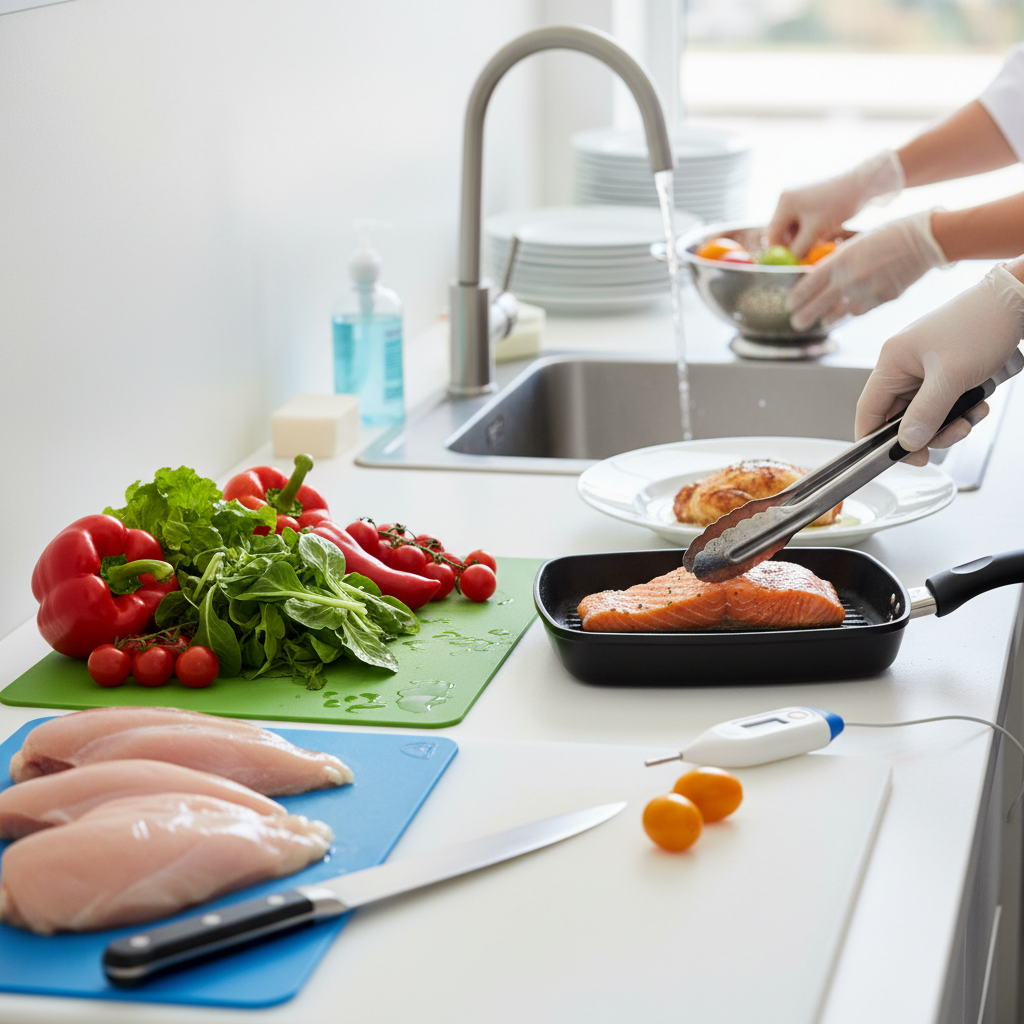
Food Safety Basics: Preventing Foodborne Illness
Foodborne illness remains a serious concern in both home kitchens and professional settings, affecting millions of people each year. Understanding the basics of food safety not only protects individuals' health, but it also enhances the overall culinary experience. By incorporating simple food safety practices into cooking routines, home cooks can elevate their skills and ensure that the food they prepare is safe to consume.
At its core, food safety revolves around the principles of prevention, from the moment ingredients are sourced to the final presentation on the plate. This blog post will delve into essential food safety basics that every home cook should know, empowering readers to blame the chef—not the food—if things go awry. Rather than living in fear of foodborne illness, it is crucial to adopt practices that ensure both safety and quality in the kitchen.
A commitment to food safety encourages a clean and organized cooking environment, enabling home cooks to focus on creativity and flavor without worrying about the hidden dangers of bacteria and contamination. This blog post will cover topics including danger zones for food, proper cooking temperatures, safe food storage methods, and strategies to prevent cross-contamination. Whether you’re a beginner or an experienced cook, understanding these principles can make the difference between a delightful meal and a health scare.
Understanding Foodborne Illness
Foodborne illnesses, often referred to as food poisoning, occur when someone consumes food contaminated with harmful pathogens such as bacteria, viruses, parasites, or chemical substances. Symptoms can range from mild nausea to severe consequences like hospitalization and, in extreme cases, death. The Centers for Disease Control and Prevention (CDC) estimates that about 48 million Americans get sick from foodborne illnesses each year, emphasizing the importance of understanding prevention strategies.
Common Causes of Foodborne Illness
The pathogens responsible for foodborne illness can come from a variety of sources. The most common culprits include:
Understanding these risks helps home cooks take proactive measures, whether by ensuring proper cooking methods or implementing rigorous cleaning protocols.
Symptoms and Recognizing Illness
Symptoms of foodborne illnesses can vary widely depending on the pathogen involved. The most common signs of food poisoning include:
Symptoms can begin anywhere from a few hours to several days after ingesting contaminated food. In severe cases, symptoms may lead to hospitalization, particularly for vulnerable populations such as children, the elderly, and those with weakened immune systems. The best approach involves seeking medical attention immediately if symptoms are severe or prolonged.
“Understanding the signs of foodborne illness is as crucial as knowing how to cook a great meal. Prompt action can prevent complications.”
The Four Core Principles of Food Safety
To minimize the risk of foodborne illness, there are four key principles to adhere to: cleaning, cooking, chilling, and separating. By implementing these principles consistently, home cooks can create a safer cooking environment.
Cleaning
The first step in food safety is keeping everything clean. This includes:
Not all cleaning methods are created equal, so be sure to use a food-safe sanitizer on surfaces that come into direct contact with food.
Cooking
Cooking food to the proper temperature is paramount in destroying pathogens. Here are some essential cooking temperatures to know:
Using a food thermometer is the most effective way to check these temperatures accurately. For added precision, insert the thermometer into the thickest part of the food and avoid touching bone, fat, or gristle.
“Cook smart, eat well - the difference between a meal and a hazard lies in temperature.”
Chilling
Proper chilling techniques are critical for creating a safe food environment. Bacteria can multiply quickly at room temperature, making it essential to refrigerate or freeze food promptly. Keep these tips in mind:
By adhering to correct chilling practices, you help prevent the growth of bacteria and the risk of foodborne illnesses.
Separating
Preventing cross-contamination is a vital part of food safety. This often occurs when harmful bacteria from raw foods come into contact with ready-to-eat foods. To avoid this:
Implementing these separation strategies reinforces the overall effort to keep food safe for consumption.
Safe Food Storage Practices
Storage is essential in maintaining food quality and safety. Knowing how to store ingredients and prepared foods properly can greatly aid in preventing spoilage and contamination.
Understanding Expiration Dates
Many foods come with expiry dates or ‘best by’ labels that provide guidance on freshness. While these dates can be useful, they can also be misleading. Here’s how to interpret them:
When handling these dates, apply a common-sense approach. If a product looks, smells, and tastes okay, it may still be viable, but caution should always be the watchword.
Correct Storage Practices
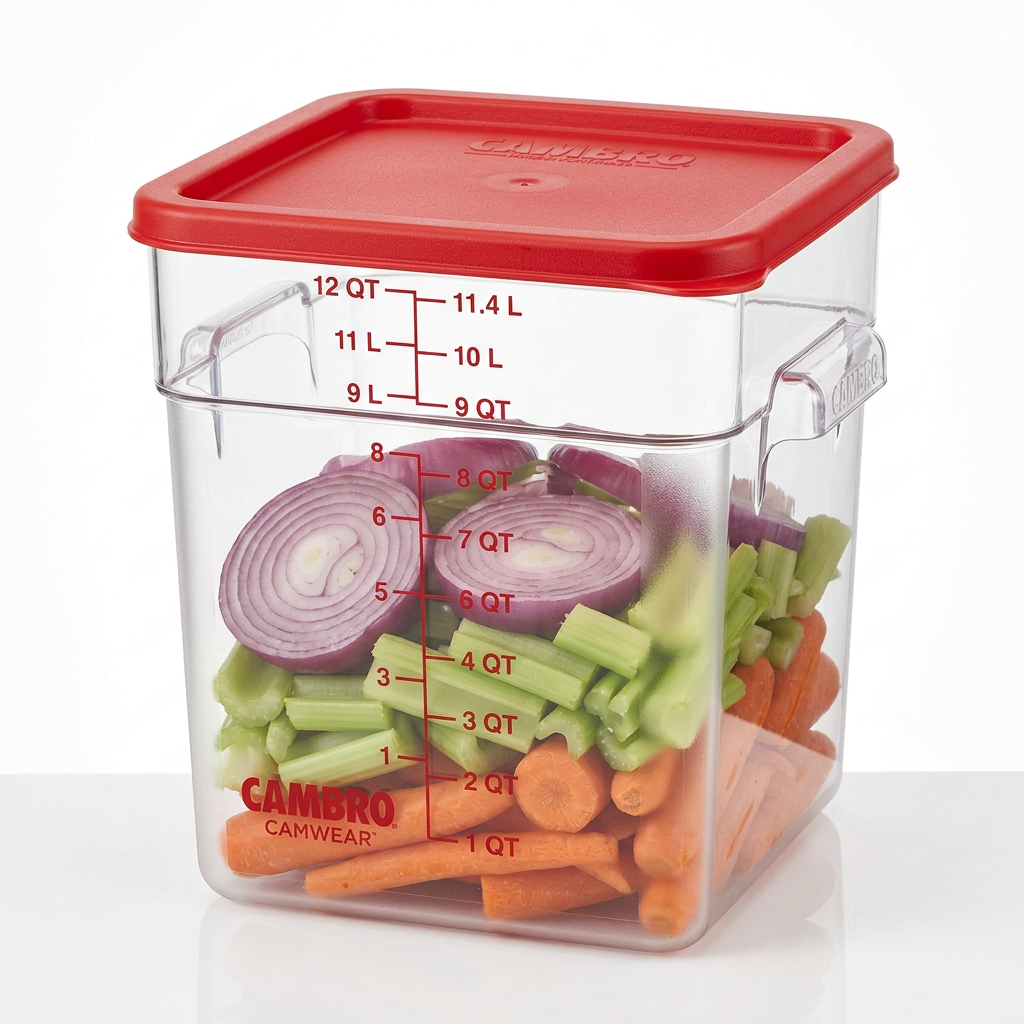
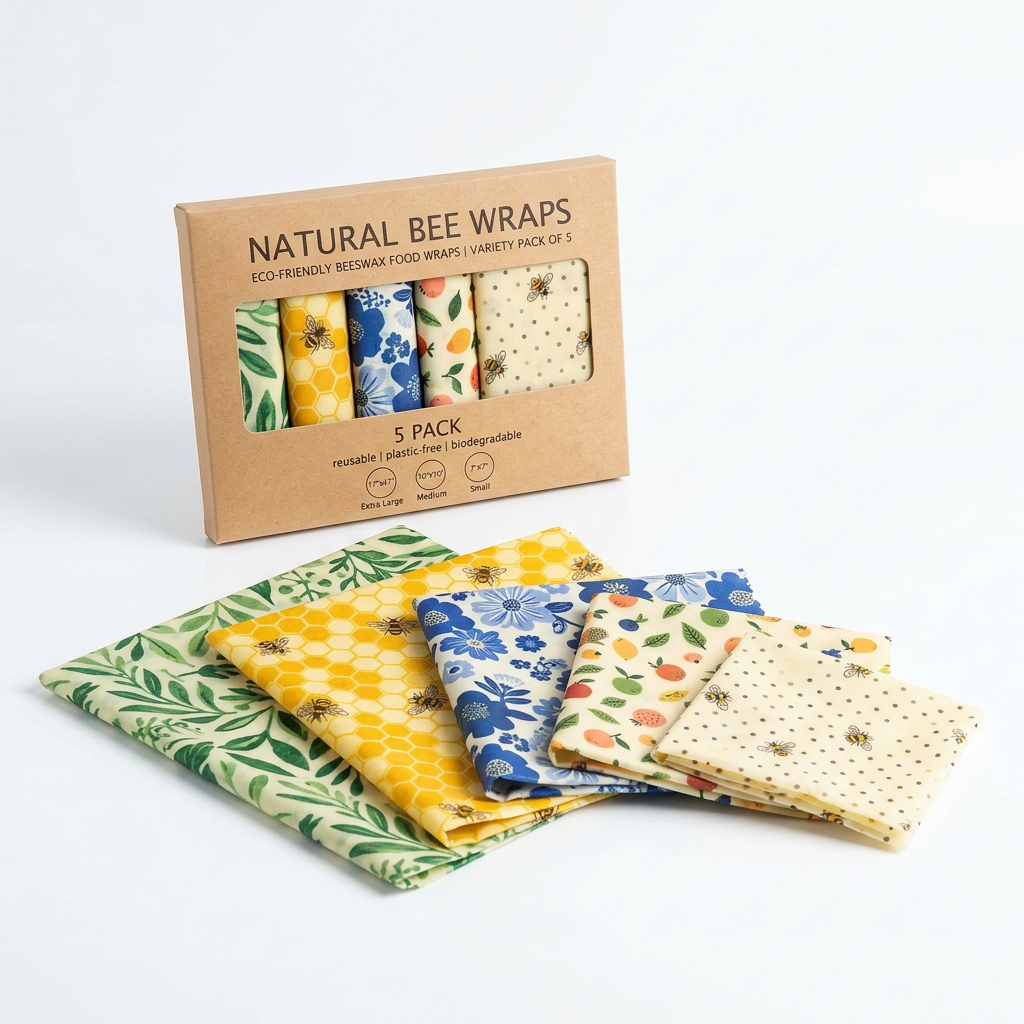
Storing foods properly can significantly reduce the risk of spoilage and contamination. Here are some key practices:
Remember to consistently check your pantry and fridge for expired items, and practice the FIFO (First In, First Out) method—use older items first to minimize waste.
The Importance of FIFO
The FIFO method involves regularly checking expiration dates and using the older products before newer ones. This practice helps to reduce waste and potential health risks. Here’s how to implement FIFO:
Utilizing FIFO not only helps with food safety but also improves your cooking efficiency by ensuring that you know what needs to be used up and when.
Special Considerations for Different Food Types
When it comes to food safety, not all items are created equal. Different food types require unique handling, cooking, and storage methods to ensure safety and quality.
Handling Meat and Poultry
Meat and poultry require extra caution due to their susceptibility to contamination. Here are a few key tips:
Safe Seafood Practices
Seafood is another category that demands attention. To maintain safety while preparing seafood:
Produce Safety
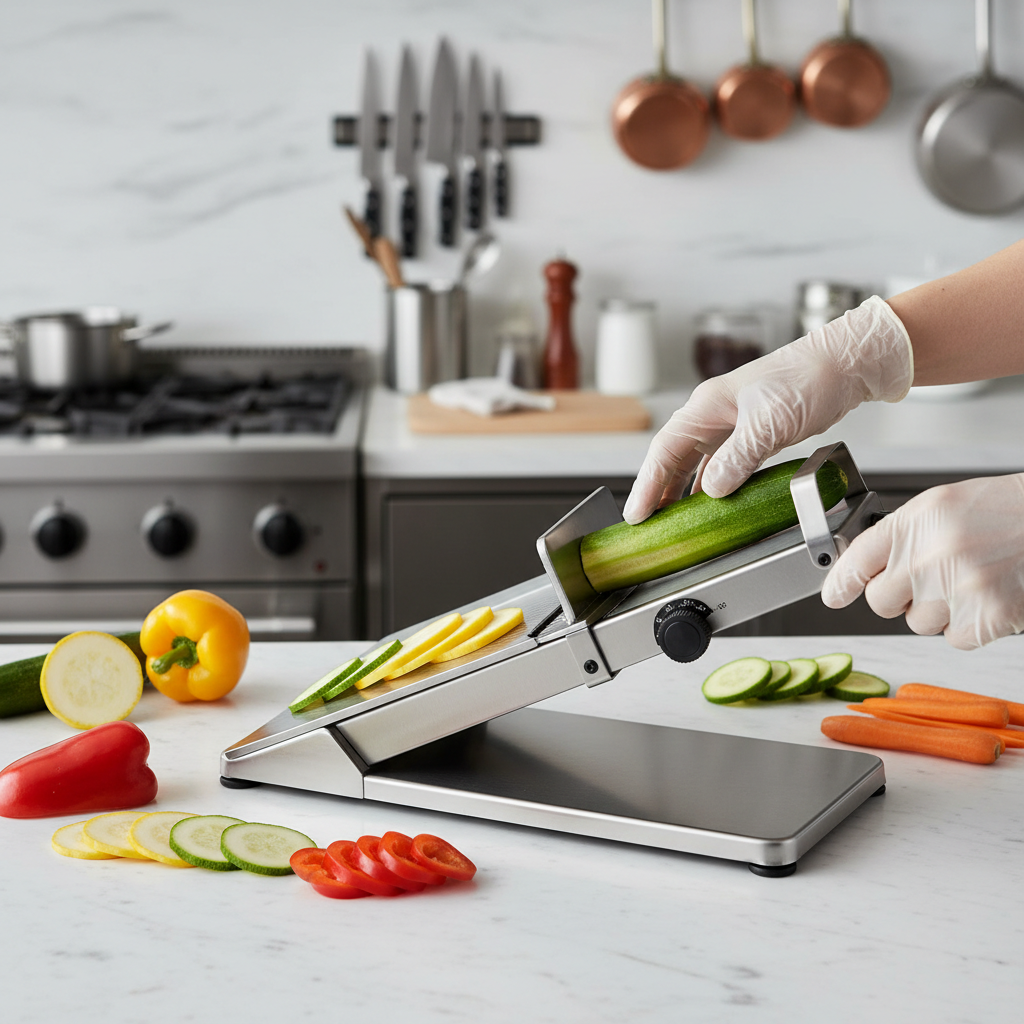
Fruits and vegetables are often overlooked regarding food safety. Important practices include:
Incorporating these practices into your cooking routine can not only enhance flavors but also reduce potential health risks.
Cooking for Large Groups and Events
Cooking for large groups brings about unique food safety challenges. Ensuring the safety of your guests starts early in the preparation process.
Planning Ahead
Start by planning your menu and the number of guests. Based on this information, you can:
Buffets and Self-Serve Stations
If you’re offering a buffet or self-service style meal, take extra precautions:
This level of planning not only ensures food safety but also enhances your guests' dining experience.
Final Thoughts
Food safety is an essential component of cooking that often gets overlooked, yet it is critical in delivering not only memorable meals but also enjoyable dining experiences. By understanding and implementing the fundamentals of food safety—including cleaning, cooking, chilling, and separating—home cooks can significantly reduce the risks of foodborne illnesses.
Through an understanding of proper food storage practices and special precautions for different food types, the conscientious cook demonstrates care and responsibility in the kitchen. Whether preparing a casual family dinner or planning a large gathering, the art of cooking involves not just creativity and flavor but the commitment to safety that ensures everyone enjoys their meal worry-free.
Arming yourself with knowledge about food safety is truly empowering. Take these principles to heart, and blame the chef no more; instead, embrace the joy of cooking and the satisfaction that comes with preparing safe, delicious meals for your loved ones. With careful planning, attention to detail, and respect for the ingredients and methods, culinary excellence is within everyone’s reach.

Get the Next Recipe
Weekly recipes, techniques, and gear picks — straight to your inbox.
