French vs Italian Cuisine: Understanding Two Culinary Philosophies
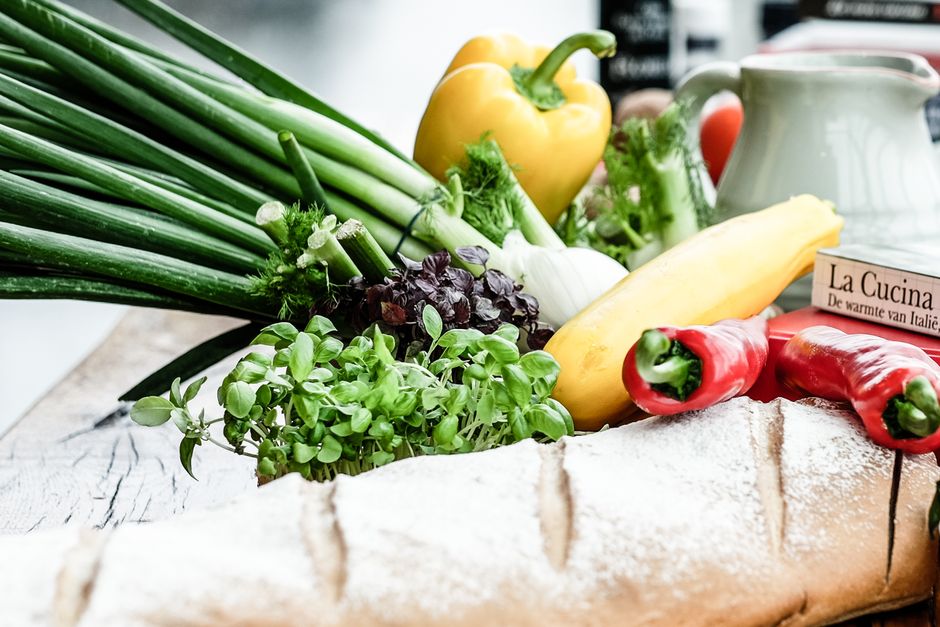
French and Italian cuisine are two of the most celebrated food traditions in the world, each with its unique character, history, and techniques that have captivated palates and inspired chefs for centuries. While both cultures place a strong emphasis on using fresh, high-quality ingredients, they approach flavor, presentation, and culinary philosophy in distinctly different ways. French cuisine, often perceived as grand and intricate, is characterized by its techniques and sauces that contribute to a meal's elevation. Italian cuisine, on the other hand, embraces simplicity and freshness, highlighting standout ingredients that tell a story of rusticity and family traditions.
At the heart of both culinary styles lies a deep respect for food, culture, and the traditions that inform them. Many French cooking techniques form the backbone of Western culinary arts—think of the mother sauces, the delicate art of sous-vide, and the precise use of knife skills. Meanwhile, Italian cooking often relies on a more intuitive approach, where cookbooks may take a backseat to family knowledge and seasonal vegetables guide the dish of the day. Each cuisine presents a rich tapestry of flavors and stories, inviting us to explore not just how to cook, but why we cook.
Understanding these culinary philosophies is essential for home cooks who aspire to elevate their skills in the kitchen. Whether you want to perfect a French coq au vin or whip up an Italian risotto, recognizing the philosophies underlying these culinary traditions can enhance your dishes significantly. Let us dive deeper into these myriad aspects that define French and Italian cuisines while exploring recipes, techniques, and several culinary gems you can incorporate into your home cooking.
A Glimpse into Historical Roots
French Culinary History
The story of French cuisine is rich and layered, beginning with its feudal past where nobility would host extravagant banquets. Early on, French cooks began experimenting with ingredients and techniques, setting the groundwork for what would later become known as haute cuisine in the 17th and 18th centuries. Chefs like Auguste Escoffier revolutionized cooking with his meticulous methods and emphasis on presentation. His organization of recipes into a systematic approach laid the groundwork for many of the techniques and principles still taught in culinary schools today.
Moreover, the influence of regional diversity is omnipresent in French cuisine. From the olive oil-laden dishes of Provence to the creamy sauces of Normandy and the rich stews of Burgundy, each region has something unique to offer. The terroir, or the environment in which the food is produced, heavily impacts the flavors and dishes from each region. It is this complexity that makes French cuisine an endless exploration of tastes and textures, each bite inviting you to savor the history behind it.
Italian Culinary History
In contrast, Italian cuisine is famous for its regionalism—each area speaks its own culinary dialect. Although it has its roots in Roman times, a significant evolution occurred post-World War II when Italian immigrants carried their food traditions across the globe. Their recipes often relied on local ingredients adapted according to personal and regional preferences, giving rise to household staples like pizza and pasta.
The Italian kitchen is viewed as a heart of the home, often a space of storytelling and togetherness. The notion of "la famiglia" holds a sacred place, emphasizing meals that bring people together and foster connections. The acclaimed Italian culinary writer Marcella Hazan once said, “The best Italian food comes from home and the family; it’s not about professional skills.” This essence of communal dining is what makes Italian cuisine emotionally engaging and relatable.
Fundamental Philosophies
French Philosophy of Cooking
The French culinary approach revolves around techniques and an attention to detail. French cooking showcases a vast array of cooking methods, from classic sautéing and poaching to sophisticated sous-vide techniques. Each method is steeped in tradition and is designed to bring out the best in the ingredients.
Key aspects include:
To practice, consider making a classic French sauce like béchamel. Follow these streamlined steps:
Italian Philosophy of Cooking
Conversely, Italian cuisine celebrates simplicity and the quality of ingredients over complex techniques. Each dish is a homage to the seasons and locality, using fresh produce, herbs, and grains. It leans heavily on the philosophy of combining a few superb ingredients to create something remarkable.
Key aspects include:
To embody this simplicity, try a Pasta Aglio e Olio, a dish requiring minimal ingredients:
Ingredients That Define Each Cuisine
French Ingredients that Create Magic
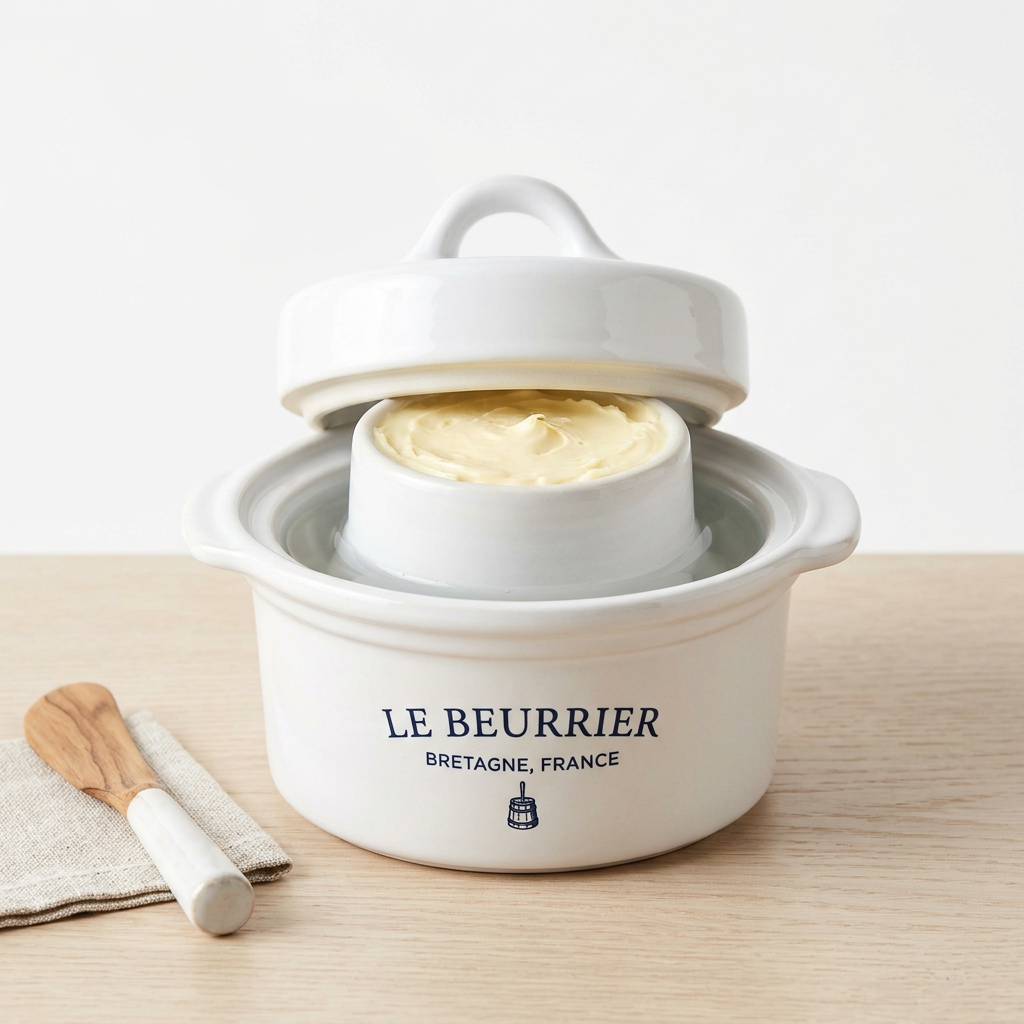
When considering predominant ingredients in French cuisine, one must first acknowledge butter, which serves as a fundamental flavor enhancer in numerous dishes. Beyond butter, the prominence of cream in sauces and soups is distinctive, contributing to the luxurious texture often sought in French cooking. Key ingredients to stock your French pantry include:
Italian Ingredients that Sing of Simplicity
Italian cuisine is characterized by an array of fresh, high-quality ingredients, making a well-stocked pantry crucial. Base components to consider include:
Cooking Techniques: Mastery and Intuition
Mastering French Techniques
In French cooking, mastery of foundational techniques is vital. Knife skills, for example, not only enhance safety but also improve food presentation. Techniques to dig deeper into include:
Intuitive Italian Techniques
Italian cooking often emphasizes technique through instinct and tradition rather than strict rules. Some key methods include:
Celebrated Dishes: An Overview
French Gastronomy
Exploring iconic French dishes unveils a medley of culinary delights ranging from the elegant to the humble.
Italian Delicacies
Italian cuisine boasts an array of celebrated dishes that are recognized and loved globally.
Cultural Impact and Global Influence
French Influence around the World
French culinary techniques serve as a cornerstone for culinary education worldwide. The establishment of culinary schools like Le Cordon Bleu has propagated French cooking principles globally, influencing chefs and casual cooks alike.
Furthermore, French restaurants often set the standard for fine dining experiences, showcasing elegance and exceptional service. Café culture has made waves beyond France, impacting how various cultures perceive dining as a leisurely affair worthy of enjoyment.
Italian Influence and Domestication
Italian cuisine’s global reach is marked by the phenomenon of Italian-American cuisine. Immigrants adapted regional Italian recipes that resonated with American tastes, leading to the mass popularity of dishes like spaghetti and meatballs or lasagna.
The influence does not end with pasta and pizza; the Mediterranean diet, characterized by high consumption of fruits, vegetables, lean proteins, and healthy fats, has gained popularity globally as a healthy lifestyle choice—often linked to the traditional Italian lifestyle.
Innovative Fusion and Future Trends
As culinary professionals and home cooks alike seek to innovate, blending and fusing elements from both French and Italian cuisines can lead to exciting results.
French-Italian Fusion Dishes
Consider crafting a herb-infused risotto and topping it with duck confit, a classic French dish that harmonizes beautifully with Italian rice. Alternatively, a truffle pasta could embrace both French elegance and Italian comfort, using fresh truffles and a delicate cream sauce typical of the French approach.
Future Trends
With a growing awareness of health and sustainability, both French and Italian cuisines are seeing trends directed towards plant-based ingredients. Chefs are creatively reimagining classics that honor tradition while embracing modern dietary preferences. The incorporation of technology—such as using digital thermometers for precise cooking—adds an extra layer of innovation, allowing for consistency in both cuisines.
Focusing on sustainability, sourcing local ingredients, and understanding seasonality will dictate more of what we see in home kitchens and restaurants alike. As food trends evolve, the interplay between art and science in cooking will continue to captivate the culinary world.
Conclusion
Both French and Italian cuisines offer rich culinary philosophies, emphasizing essential culinary skills and celebrating quality ingredients. Whether you find yourself drawn to the intricate artistry of French techniques or the rustic simplicity of Italian dishes, understanding the core values behind each tradition elevates your cooking.
As you continue your culinary journey, take the time to explore the robust histories, diverse ingredients, and unique techniques that shape these cuisines. Use the insights you’ve gleaned from this post to experiment in your kitchen—perhaps by mastering a classic French sauce or preparing an authentic Italian risotto. At the end of the day, cooking is about connection, creativity, and the joy of sharing delicious meals with family and friends. Embrace both cuisines, and allow them to inspire your own culinary creations!
Total word count: 2,051 words.

Get the Next Recipe
Weekly recipes, techniques, and gear picks — straight to your inbox.
