Fresh Pasta: From Dough to Dinner Table
Making fresh pasta at home isn't just a cooking technique; it's an art form that transforms your dining experience. The allure of fresh pasta lies in its texture and flavor, both of which far exceed those of its dried counterparts. As you knead, roll, and cut the dough, you’re not merely preparing a meal; you’re engaging in a hands-on creative process that connects you to centuries of culinary tradition. Masters of Italian cuisine wholeheartedly believe that fresh pasta elevates even the simplest of sauces into a sublime eating experience.
Many home cooks feel intimidated by the thought of crafting pasta from scratch, fearing it requires specialized equipment, advanced techniques, or even years of practice. However, fresh pasta is surprisingly approachable. With just a handful of ingredients—typically flour, eggs, and salt—you can produce a batch of pasta that rivals that of any fine Italian restaurant. All you need is a bit of time, patience, and the desire to learn. As you embark on this culinary journey, remember that every mistake is a step towards mastering the craft.
This guide will walk you through the entire process of making fresh pasta, from selecting the right ingredients to the meticulous dough-making technique and the joy of serving it at your dinner table. We’ll explore various types of pasta, sauces that pair perfectly, and tips from professional chefs to ensure your homemade pasta shines in every bite. So roll up your sleeves, grab your apron, and let’s dive into the world of fresh pasta!
Understanding Pasta Varieties
Prior to diving into the dough-making process, it’s crucial to understand the different varieties of pasta you can create. Each type of pasta has its unique characteristics and desired dishes, making the selection a fundamental aspect of your culinary adventure.
Types of Pasta
Selecting Ingredients
Choosing quality ingredients is essential to crafting wonderful fresh pasta. Here are the key components:
- 00 Flour: Finely milled and perfect for creating a silky texture.
- Semolina Flour: Offers a rougher texture and is great for sturdiness.
When it comes to the quality of ingredients, opt for organic or locally sourced options whenever possible. The flavor of your pasta reflects the ingredients you use, so don’t settle for less.
“The difference between fresh and dried pasta is like the difference between an original piece of art and a printed reproduction.”
Tools for Fresh Pasta
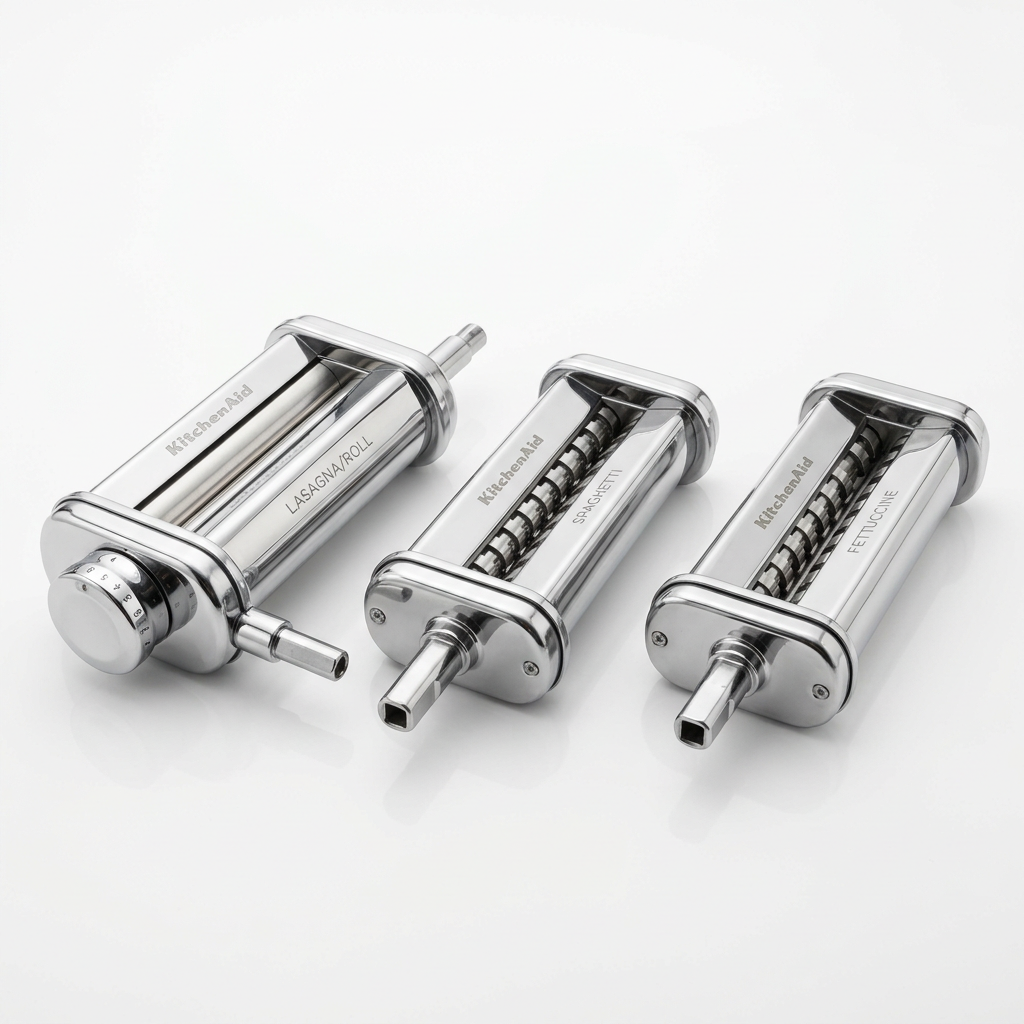
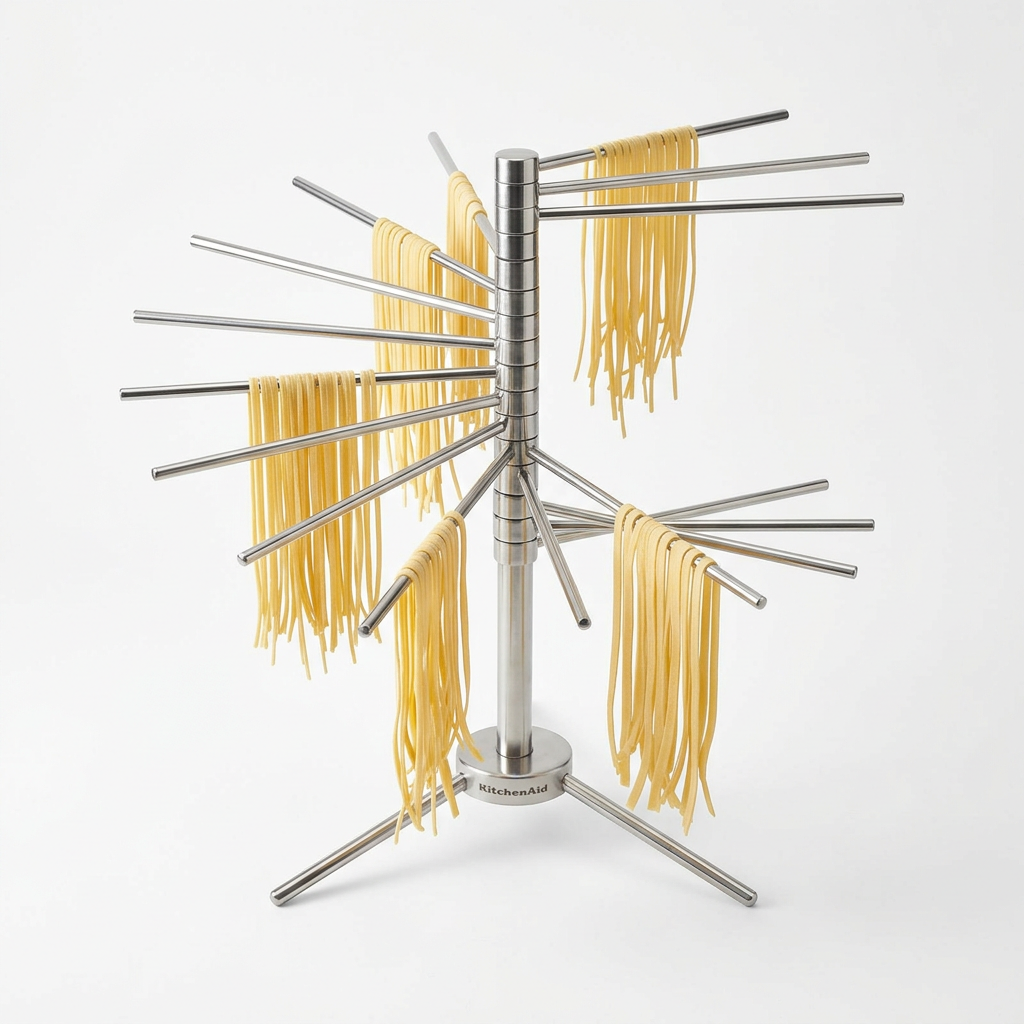
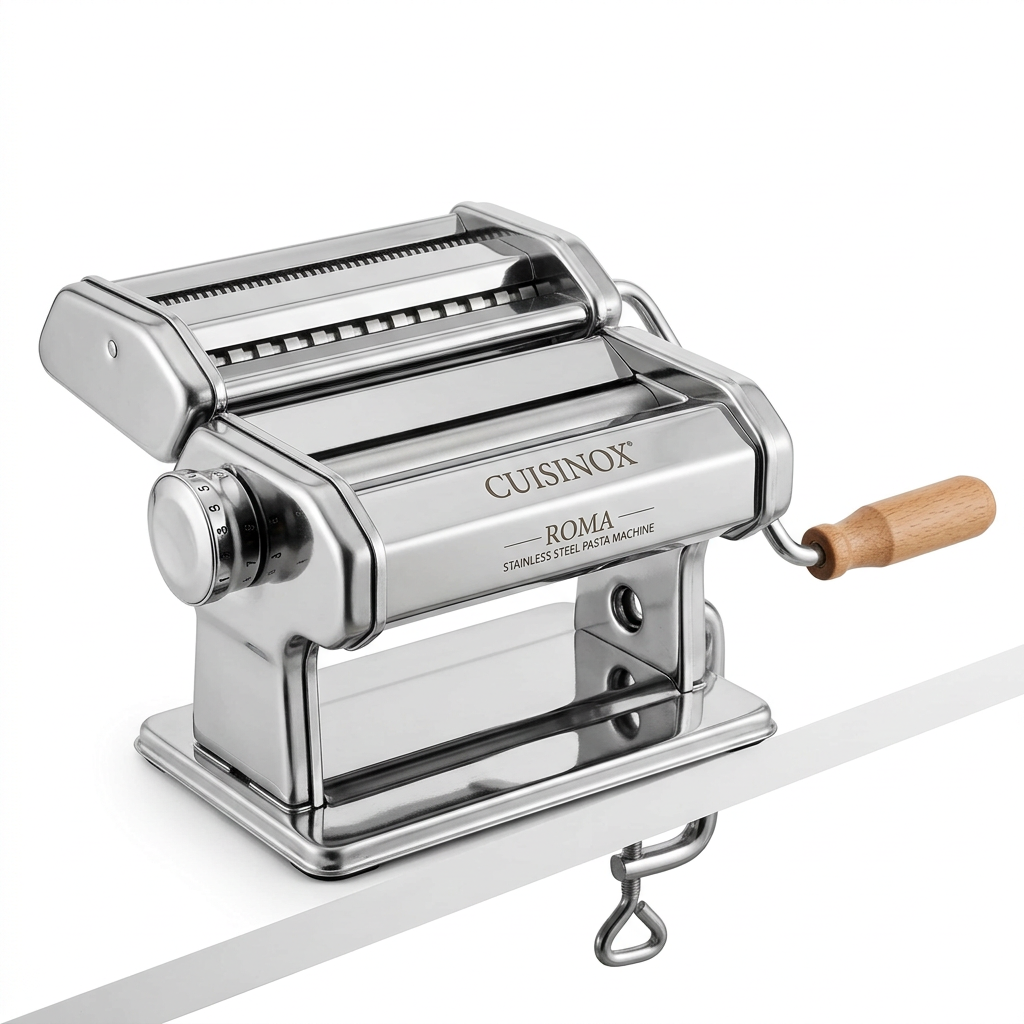
Before you start mixing and kneading, gather the following tools and equipment:
With this foundational knowledge in hand, it's time to get your hands doughy—and there's nothing quite like the satisfaction of rolling out your own fresh pasta.
Making the Dough: Ingredients & Techniques
Now that you're acquainted with various pasta types and their ingredients, let's get into the heart of making a fresh pasta dough from scratch. This process requires a few basic steps, which we’ll explore in detail.
Ingredients Ratio and Preparation
- 100 grams of 00 flour or semolina flour per 1 large egg.
- Salt: 1/2 teaspoon of salt for seasoning.
- Olive Oil (optional): A teaspoon can add richness to the dough but isn't essential.
With these ingredients in mind, let’s move to the dough-making phase.
Kneading Dough Like a Pro
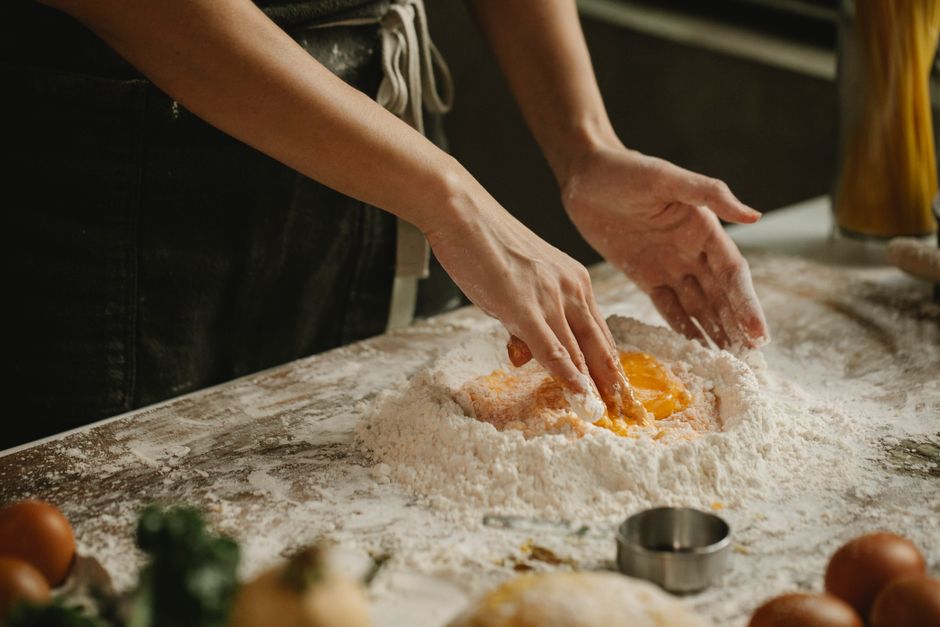
- Start by placing your flour on a clean work surface or in a large bowl. Make a well in the center and crack the eggs into it. Sprinkle salt around the edges.
- Using a fork, beat the eggs gently and start incorporating the flour from the sides of the well. Continue until a shaggy dough forms, then use your hands to bring it together.
- Once you have a cohesive ball of dough, begin kneading it. Flatten the dough slightly, fold it over, and push it away from you with the heel of your hand. Give it a quarter turn and repeat this process.
- Knead for about 8 to 10 minutes until the dough is smooth, elastic, and springs back when poked.
- Once kneaded, wrap the dough in plastic wrap or cover with a clean kitchen towel and let it rest for at least 30 minutes at room temperature. This resting period allows the gluten to relax, making it easier to roll out later.
By adhering to these methods, you will ensure that your pasta has a beautiful texture and pliability, which is essential for rolling and shaping your pasta efficiently.
“Kneading is a mystical act; it transforms your ingredients into something greater than themselves.”
Rolling Out the Dough
After the resting period, it’s time to roll out your dough. If you're using a pasta machine, follow the manufacturer's instructions, but generally, the process is as follows:
- Slice your dough into quarters. Work with one piece at a time while keeping the rest covered to avoid drying out.
- Lightly dust your work surface and your dough with flour to prevent sticking.
- Begin rolling from the center outwards, turning the dough a quarter turn every few rolls to maintain an even thickness.
- Aim to roll until the dough is about 1/16 inch thick for most types of pasta.
- Start with the widest setting and feed the dough through. Gradually narrow the setting, passing the dough through multiple times until you reach the desired thickness.
- Once rolled out, you can cut your pasta into your desired shapes using a knife or a pasta cutter. Remember to dust the cut shapes with flour to prevent sticking.
Shaping Your Pasta
Once you have rolled out the dough, it’s time to shape it into your favorite pasta form. Various shapes lend themselves to different sauces and presentations, and each has its own unique flair.
Common Pasta Shapes
Crafting Stuffed Pasta
If you’re interested in stuffed varieties like ravioli, here’s how to make them:
- Roll out the pasta dough as previously described. Lay one sheet down, then place small mounds of filling on one half, spacing them about 1 inch apart.
- Fold the other half over the filling, pressing down around each mound to seal. Use a knife or pastry wheel to cut into squares or circles.
- Use a fork to crimp the edges, ensuring that they are well sealed. This trapping of air creates a delightful texture once cooked.
- Fresh pasta cooks quicker than dried pasta, typically taking about 2-4 minutes once dropped into boiling salted water. Taste a piece for doneness.
The foundation of creating your own pasta shapes or varieties is simple yet immensely rewarding. The satisfaction of serving stuffed pasta to loved ones adds a personal touch to your culinary creations.
Sauces That Elevate Your Pasta
What’s fresh pasta without a memorable sauce to bring it to life? The right sauce accentuates the flavors and textures of your dish, creating a perfectly balanced harmony.
Classic Sauces for Fresh Pasta
#### 1. Marinara Sauce
A staple in Italian cooking, marinara sauce is simple yet flavor-packed, made from tomatoes, garlic, and herbs.
- 2 cans of crushed tomatoes
- 4 cloves of garlic, minced
- 1 teaspoon of olive oil
- 1 teaspoon of dried basil
- Salt and pepper to taste
1. In a saucepan, heat olive oil over medium heat. Add minced garlic, sautéing until fragrant (about 1 minute).
2. Add crushed tomatoes and basil, letting it simmer for about 20-30 minutes. Adjust seasoning as needed.
#### 2. Alfredo Sauce
A rich and creamy sauce perfect for pairing with fettuccine or tagliatelle.
- 1 cup heavy cream
- 1/2 cup unsalted butter
- 1 cup freshly grated Parmesan cheese
- Salt and pepper to taste
1. In a skillet, melt the butter over medium heat. Add the heavy cream and stir to combine.
2. Gradually whisk in Parmesan cheese until melted and smooth. Season with salt and pepper.
#### 3. Pesto
Bright and herbaceous, pesto is a fresh sauce made with basil, garlic, and nuts.
- 2 cups fresh basil leaves
- 1/3 cup pine nuts
- 2 cloves garlic, minced
- 1/2 cup extra virgin olive oil
- 1/2 cup Parmesan cheese
1. In a food processor, blend basil, pine nuts, and garlic until finely chopped.
2. With the processor running, drizzle in olive oil until combined. Stir in cheese and season with salt.
Pairing Pasta with Sauce
When selecting a sauce for your fresh pasta, consider the texture and shape of the noodle. Here are some general pairing tips:
With freshly made pasta and delicious sauce, you have the foundation for an exceptional meal.
Serving Fresh Pasta
Once your pasta is cooked and sauced, it’s time to serve! Presentation plays a significant role in the dining experience.
Plating Techniques
Accompaniments
Don’t forget about side dishes and accompaniments, which can elevate your meal. Here are a few ideas:
Enjoying your homemade pasta is about more than just the food; it’s about creating an experience for you and your guests.
“The joy of cooking is not just in the outcome, but in the moments spent creating it.”
Frequently Asked Questions
How Long Does Fresh Pasta Last?
Fresh pasta can typically last about 2-3 days when stored in the refrigerator. For longer-term storage, consider freezing it. Spread the formed pasta in a single layer on a baking sheet until fully frozen, then transfer to an airtight container or freezer bag. It will maintain its quality for up to 3 months.
Can I Make Pasta Without Eggs?
Absolutely! While egg pasta is traditional, you can make a basic semolina pasta using just flour and water. Simply mix them in a ratio of 2:1—two parts flour to one part water—and knead as you would with egg pasta.
What’s the Secret to Perfectly Cooked Fresh Pasta?
The key to perfectly cooked pasta lies in the timing. Fresh pasta cooks much quicker than dried—even just a couple of minutes in boiling salted water will suffice. Taste it to check for doneness—it should be al dente, with a slight bite.
Conclusion
Making fresh pasta from scratch is a fulfilling endeavor that allows creativity to flourish and culinary skills to shine. Not only will you delight in crafting the dough, rolling it out, and shaping it into various forms, but you'll also savor the incredible flavors that emerge from the combination of simple ingredients.
With the techniques and recipes provided in this guide, you're well on your way to mastering fresh pasta at home. Every step—mixing, kneading, rolling, and cooking—brings you closer to the finish line of an exquisite dish that can impress family and friends alike.
So whether you're preparing a classic spaghetti and marinara, indulging in decadent fettuccine Alfredo, or crafting stuffed ravioli for a special occasion, remember to infuse your cooking with love and passion. Fresh pasta is not just about the final product; it’s about the journey and experience in each handmade strand.
Now, the dinner table awaits your creation—gather your ingredients, share your stories, and enjoy every bite! Happy cooking!
Get the Next Recipe
Weekly recipes, techniques, and gear picks — straight to your inbox.
