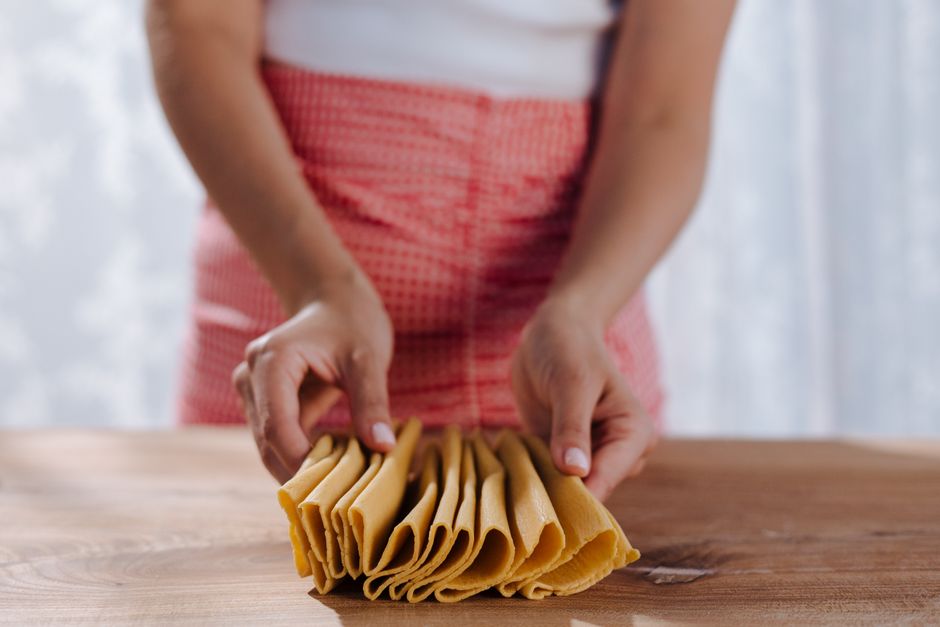
Fresh Pasta from Scratch: A Complete Beginner's Guide
Making fresh pasta from scratch is not just a culinary skill; it’s an art form that connects tradition with creativity. The process itself can seem daunting at first, but once you grasp the basics, the results are undeniably rewarding. The texture and flavor of fresh pasta are simply incomparable, elevating your meals to a whole new level. You may find yourself channeling your inner chef as you roll out delicate sheets of pasta, shape them into various forms, and serve them with luscious sauces.
In this guide, we will walk you step by step through the process of making fresh pasta, ensuring that even the most novice of cooks can confidently tackle this staple of Italian cuisine. You’ll learn about the essential ingredients, the techniques to master, and the necessary tools that can make your pasta-making journey more enjoyable. From the perfect dough to delicious fillings and sauces, we'll explore everything you need to know to create pasta that will impress your family and friends.
Before you know it, you’ll be crafting your own tagliatelle, ravioli, and lasagna sheets, all while embracing the joyful experience of cooking. Whether you’re looking to impress at a dinner party or simply want to treat yourself and your loved ones, making pasta from scratch is a worthwhile endeavor. So, roll up your sleeves, let’s get started on this culinary adventure that celebrates the wonderful world of fresh pasta.
Understanding the Basics of Pasta
The Ingredients
At the heart of every great pasta dish is the dough, and understanding the ingredients you’ll need is crucial. The two primary ingredients in basic pasta dough are flour and eggs. The type of flour you use can significantly affect the texture and flavor of your pasta.
The Ratios
A traditional ratio for a basic pasta dough is about 100 grams of flour for every one large egg. This formula can be adjusted based on the number of people you’re serving:
- 200 grams of flour
- 2 large eggs
- 400 grams of flour
- 4 large eggs
Other variations may include adding a pinch of salt for enhanced flavor or a drizzle of olive oil for richness. Keep in mind that the quality of your ingredients will dramatically impact the end result, so sourcing high-quality flour and fresh eggs is key.
The Science Behind Pasta
Understanding the science behind pasta can also enhance your skills. When you combine flour and eggs, the gluten in the flour begins to develop. This is what gives pasta its structure and chewiness. Kneading the dough helps to fully incorporate air, which is essential for creating a pliable product. You want your pasta dough to be smooth and elastic, which can take some time and effort.
A few tips to keep in mind:
“The beauty of pasta lies not only in its shape but in the process of creating it. Embrace every step!”
Preparing the Dough
Making the Dough by Hand
While you can use a stand mixer or food processor to make pasta dough, creating it by hand is more traditional and allows for a deeper connection with the process.
Making Dough with a Mixer
If you prefer a more hands-off approach, using a stand mixer can streamline the process:
Storing and Using Dough
Once your dough has rested, it can be used immediately or stored for later use. If you plan to use it within a few hours, simply keep it wrapped in the fridge. For longer storage, you can freeze the dough for up to one month. Just make sure it's well-wrapped to minimize freezer burn.
Rolling and Cutting the Pasta
Tools for Rolling
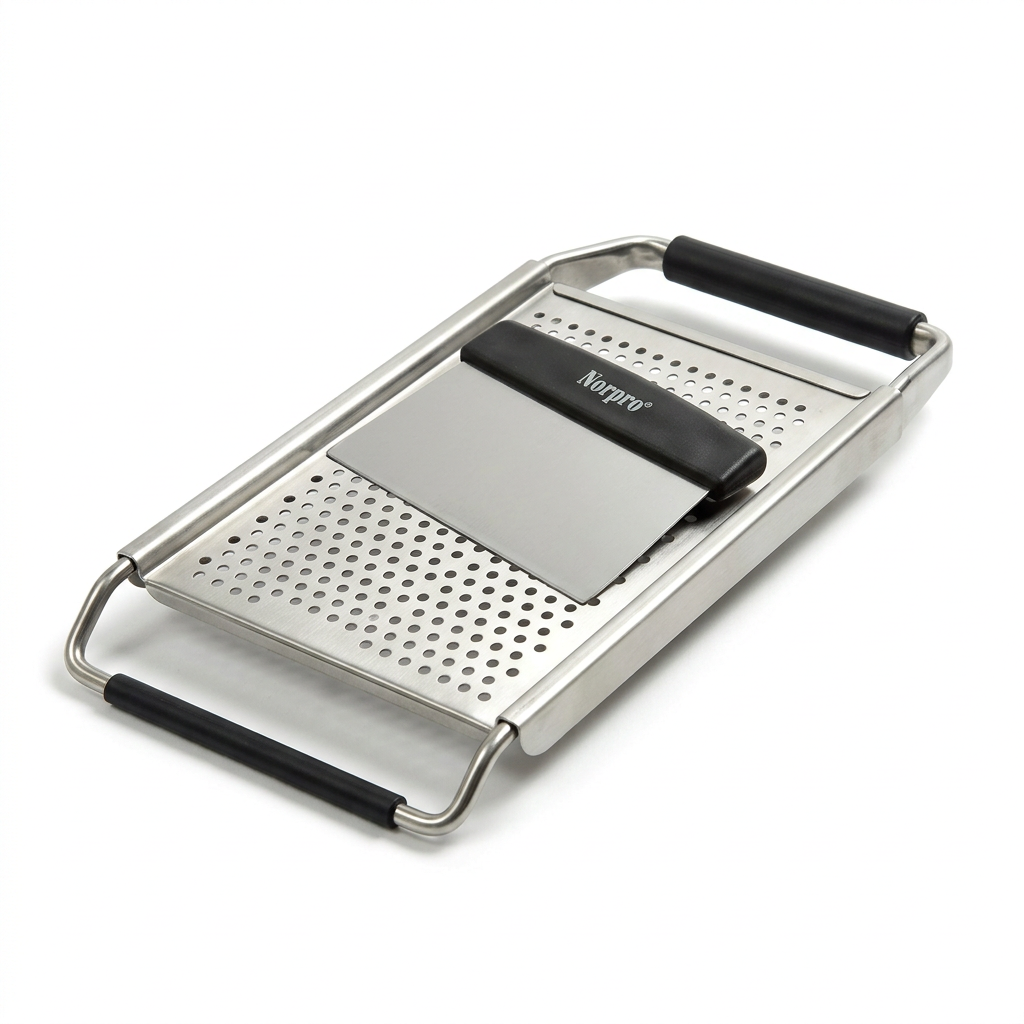
To transform your dough into pasta, you’ll need a few key tools:
Rolling the Dough by Hand
Using a Pasta Machine
Shaping and Filling Fresh Pasta
Common Shapes
Crafted pasta shapes can elevate any dish. Here’s a breakdown of some of the most common pasta forms:
Filling Ravioli
For filled pasta like ravioli, the choice of filling is endless. Here are a couple of popular recipes:
#### Classic Ricotta and Spinach Filling
- 400g fresh ricotta cheese
- 200g fresh spinach (cooked and well-drained)
- 50g grated Parmesan cheese
- Salt and pepper to taste
1. Mix the ricotta and spinach in a bowl, seasoning with salt and pepper.
2. Add the Parmesan and mix until fully incorporated.
3. Place a spoonful of filling on one sheet of rolled-out dough, leaving space between dollops, and cover with another sheet of dough.
4. Seal by pressing out any air and crimping around the edges.
#### Mushroom and Truffle Oil Filling
- 300g mixed mushrooms (finely chopped)
- 1 tbsp truffle oil
- 50g breadcrumbs
- 50g grated Parmesan cheese
- Salt and pepper to taste
1. Sauté the mushrooms in a pan with truffle oil until they release moisture and become fragrant. Season.
2. Combine with breadcrumbs and Parmesan in a bowl. Adjust seasoning.
3. Follow the same ravioli assembling instructions as above.
Cooking Fresh Pasta
Cooking fresh pasta is one of the simplest yet most satisfying steps. Fresh pasta requires a much shorter cooking time compared to dried pasta.
“Cooking fresh pasta is an act of love. Treat it gently, and it will reward you beautifully.”
Pairing Sauces with Fresh Pasta
Choosing the right sauce can make or break your pasta dish. Here are some classic combinations that highlight the flavors of your fresh pasta:
Simple Tomato Sauce
A light tomato sauce pairs perfectly with fresh pasta, allowing the noodles to shine.
- 2 tbsp olive oil
- 2 garlic cloves, minced
- 1 can (400g) crushed tomatoes
- Salt and pepper to taste
- Fresh basil leaves for garnish
- Heat olive oil in a pan over medium heat and sauté minced garlic until fragrant (about 30 seconds).
- Add crushed tomatoes, salt, and pepper, and let simmer for 15-20 minutes.
- Toss with cooked fresh pasta and garnish with basil.
Creamy Alfredo Sauce
For a rich and lavish option, try a classic Alfredo sauce, especially great with fettuccine.
- 1 cup heavy cream
- 1/2 cup unsalted butter
- 1 cup grated Parmesan cheese
- Salt and white pepper to taste
- In a saucepan over medium heat, melt the butter, then add the cream and simmer for about 5 minutes.
- Stir in the Parmesan cheese until melted and emulsified. Season to taste.
- Toss with cooked fettuccine and serve immediately.
Pesto Sauce
A vibrant basil pesto brings a refreshing taste to your pasta and is incredibly simple to prepare.
- 2 cups fresh basil leaves
- 1/2 cup grated Parmesan cheese
- 1/2 cup olive oil
- 2 garlic cloves
- Salt and pine nuts (optional)
- In a food processor, combine basil, Parmesan, garlic, and nuts; pulse until finely chopped.
- Slowly drizzle in olive oil while blending until smooth.
- Mix with cooked pasta and enjoy!
Serving Fresh Pasta
Plating Techniques
How you plate your pasta can enhance not just the visual appeal but also the overall dining experience. Here are a few plating techniques:
Wine Pairing
To create the perfect pasta experience, consider pairing your meal with a complementary wine. Here are some guidelines:
Final Thoughts
Creating fresh pasta from scratch is a truly rewarding endeavor that pays off in taste and texture. By mastering the fundamentals, from dough preparation to serving techniques, you're not just cooking — you're engaging in a revered culinary tradition that spans centuries. Whether enjoyed simply with olive oil and herbs or dressed up with a sophisticated sauce, fresh pasta brings comfort and sophistication to your table.
As you embark on your homemade pasta journey, embrace the beauty of imperfections, keep experimenting, and always connect to the joy of creating something by hand. Remember, everyone starts somewhere, and each batch of pasta is an opportunity to improve your skills. So, roll up your sleeves, gather your ingredients, and let the magic of fresh pasta invigorate your kitchen!
And don’t forget to share your creations with family and friends; food is not just about sustenance but about connection and joy. Happy cooking!
(Word count: 2,230)
Get the Next Recipe
Weekly recipes, techniques, and gear picks — straight to your inbox.
