
Fresh Pasta Mastery: From Dough to Perfectly Al Dente
There is something undeniably transformative about the tactile experience of making fresh pasta from scratch. While the supermarket aisle is lined with boxes of dried semolina strands, there is no comparison to the silken, elastic texture of dough that has been kneaded by your own hands and rolled to translucent perfection. For the home cook, pasta making is more than a meal preparation; it is a bridge to culinary intuition that connects you to the raw ingredients of flour and egg. Once you move past the initial intimidation of the messy countertop, you will find that the process is meditative, rewarding, and deeply satisfying. This guide aims to strip away the myths surrounding pasta perfection, proving that with the right technique, you can produce restaurant-quality ribbons in your own kitchen.
The fundamental secret to exceptional pasta lies not in a complex array of ingredients, but in the meticulous attention to hydration and protein development. Most beginners falter because they treat dough like a standard baking project, failing to understand how the gluten network behaves in a high-moisture environment. By focusing on the "00" flour, which is finely milled to create a delicate crumb, and the ratio of yolk-to-white in your eggs, you are building the foundation of a dish that carries sauces with grace. We will explore everything from the structural integrity of the dough ball to the precise second at which the pasta enters the boiling water. By the time you finish this guide, you will no longer blame the chef; you will be the one in control of every fold, cut, and boil.
Before we begin our deep dive, take a deep breath and accept that your first attempt might not look like the work of an Italian nonna. Pasta making is a skill that evolves with your memory—the feeling of the dough becoming "tacky but not sticky" is something you learn through sensory input rather than written instruction. Gather your tools: a clean wooden board, a bench scraper, a rolling pin, and a pasta machine if you have one. If you don’t have a machine, do not be deterred; traditional hand-rolled sfoglia offers a rustic charm that machines simply cannot replicate. Prepare your station, clear your workspace, and get ready to master the artistry of one of the world’s most beloved staples.
The Chemistry of the Perfect Dough
The alchemy of pasta is surprisingly straightforward, relying on the interplay between proteins and moisture. When you combine flour and egg, you are initiating a reaction where the proteins in the flour begin to bond, forming an elastic web known as gluten. Using tipo 00 flour is the gold standard for fresh pasta because its low protein content produces a dough that is supple, thin, and remarkably tender. If you only have all-purpose flour, you can still succeed, though your final result will have more "chew" and slightly more resistance. The goal is a dough that balances elasticity—the ability to stretch—with extensibility, which prevents the dough from snapping back when you try to roll it out thin.
Temperature plays a more significant role than most home cooks realize. Cold eggs may slow down the integration process, while flour that has been sitting in a humid pantry might require a different hydration level than dry, winter-stored flour. Always aim for room-temperature eggs; they incorporate into the flour more evenly and lead to a smoother dough ball. If you find your dough is crumbly, resist the urge to add water immediately. Instead, knead for an additional two minutes, as the warmth of your hands will help hydrate the flour naturally.
The secret to pasta is not the quantity of your ingredients, but the quality of your patience during the kneading phase. If the dough feels like a toy, keep going; if it feels like a memory, you have reached the finish line.
Choosing Your Flour
For the best results, look for Italian "00" flour, which is milled to a talcum-powder consistency. It contains the perfect amount of protein to give the pasta structure without making it tough. If you are adventurous, mixing in a small percentage of semolina rimacinata will add a slight bite, known as al dente character, which holds up better to hearty meat sauces. Avoid bleached flours, as they lack the structural integrity required for long, thin sheets of pasta.
The Role of Hydration
Eggs are the primary source of liquid in traditional egg pasta, but the specific ratio of yolks to whole eggs defines the richness of the final product. A standard ratio is 100 grams of flour per large egg, but many professional kitchens prefer a higher egg yolk count for a golden, luxurious color and flavor. Using more yolks results in a richer, more brittle dough that is excellent for filled pastas like ravioli, while using more whole eggs provides a more robust, springy dough for cut noodles like fettuccine or pappardelle.
Mastering the Knead and Resting Process
Once your ingredients are incorporated into a shaggy mass, the real work begins. Kneading is not merely about mixing; it is about organizing the gluten strands into a long, orderly structure that allows you to roll the dough paper-thin. You want to push the dough away from you with the heel of your hand, fold it back over itself, and turn it ninety degrees. Repeat this motion for a full ten minutes. If you feel tired, you are doing it correctly. Your dough should transition from a lumpy, rough texture to a smooth, satiny surface that bounces back when pressed with a finger.
Resting the dough is a non-negotiable step that is often skipped by impatient cooks. During kneading, the gluten network becomes very tight, making it impossible to roll without the dough shrinking back like a rubber band. By wrapping your dough in plastic film and allowing it to rest at room temperature for at least 30 to 60 minutes, you allow the gluten to relax. This makes the dough significantly more pliable, ensuring that when you roll it out, it stays exactly where you put it. Think of this as the dough taking a nap before the marathon of rolling.
Signs of a Well-Kneaded Dough
A perfectly kneaded dough will look uniform, with no visible streaks of flour or clumps of egg. When you poke the surface with your thumb, the indentation should slowly "fill in," suggesting that the elasticity is perfectly balanced. If it remains flat, keep kneading. If it springs back instantly, it is over-worked and needs a longer rest.
The Importance of Sealing
Oxygen is the enemy of resting dough. If you leave it exposed to the air, a hard, dry skin will form on the exterior. This creates dry, crusty inclusions in your pasta sheets that will break when you pass them through a machine or try to roll them by hand. Ensure your plastic wrap is tight or use an airtight container to keep the humidity constant.
Techniques for Rolling the Sfoglia
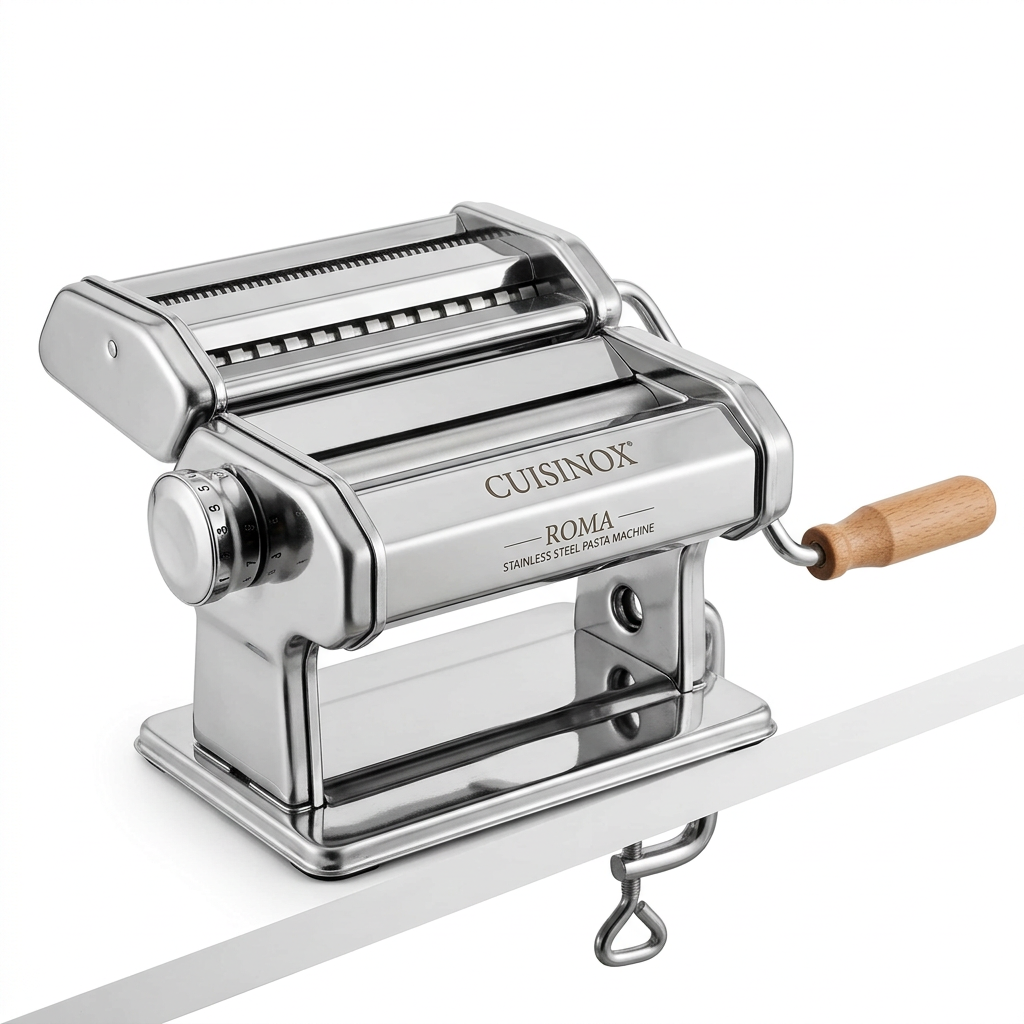
Whether you are using a hand-crank machine or a traditional wooden rolling pin, the goal is the same: to get the sheet thin enough that you can see the shadow of your hand through it. If using a machine, always start on the widest setting. Pass the dough through multiple times, folding it like a letter to build strength and smoothness. Gradually decrease the thickness setting, usually one notch at a time. Never force the dough through a setting that makes it "crackle" or tear; if it starts to tear, fold it back on itself and pass it through a wider setting again.
For those using a rolling pin, work on a large wooden surface. Flour the board lightly—too much flour will dry out the dough and prevent it from stretching correctly. Rotate the sheet frequently, rolling from the center outward in all directions. Use the weight of your body to stretch the dough rather than just your arm strength. If the dough starts to feel "stiff," stop and let it rest for another ten minutes. The process should feel rhythmic and controlled rather than a battle against the grain.
Rolling pasta is the ultimate test of control. You are not just shaping dough; you are creating a canvas that must withstand the heat of boiling water while remaining delicate enough to melt on the tongue.
Preventing Sticking
During the rolling process, you will need a small amount of extra flour to prevent sticking. Use "00" flour or fine semolina for this task. Do not use all-purpose flour for dusting, as it can make the surface of the pasta gummy. A light sprinkle is all you need; if you find you are using cups of flour, you are likely working in a room that is too warm or not resting the dough long enough.
Cutting the Noodles
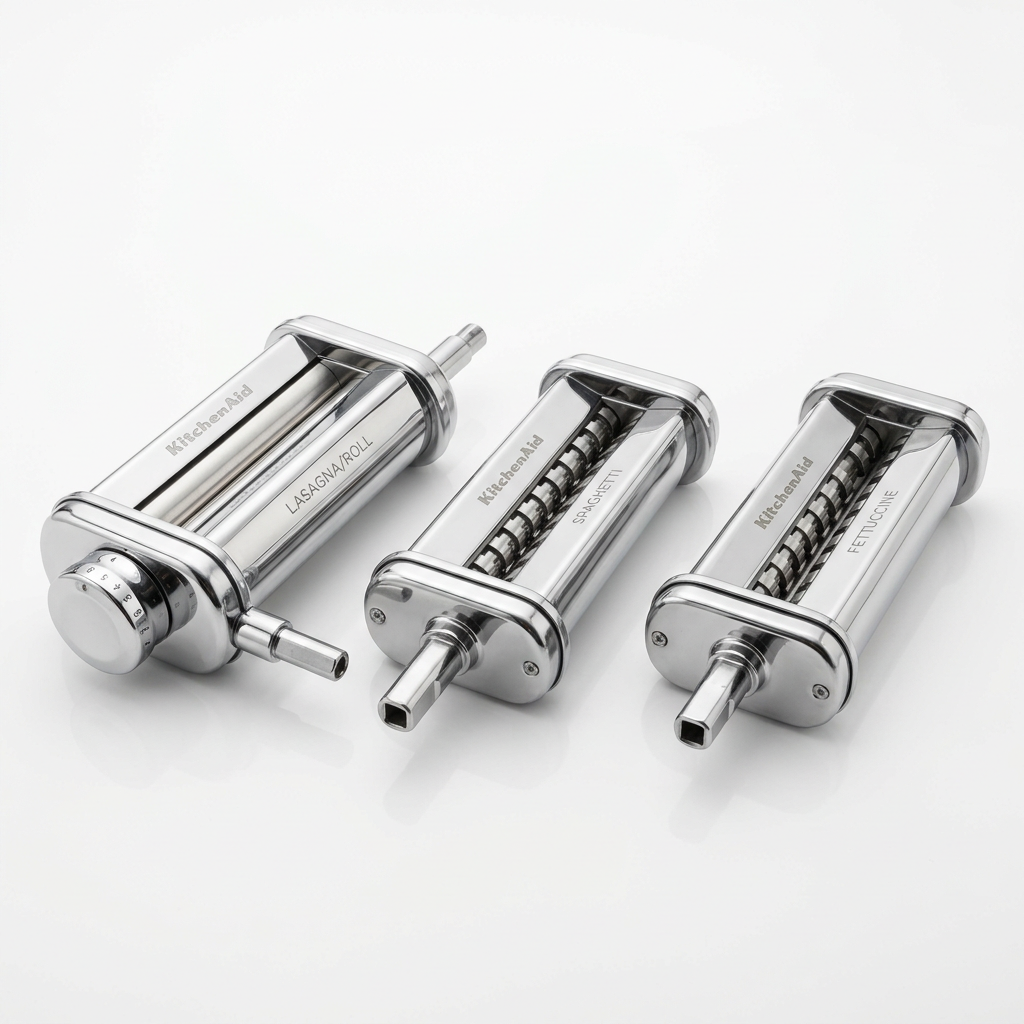
Once your sheets are rolled to your desired thinness, let them air dry for a few minutes on a clean towel. You want them to feel like soft leather, not sticky or wet. If they are too wet, they will clump together when you cut them. If they are too dry, they will shatter. Use a sharp knife or a cutter attachment, and immediately toss the cut noodles with a little semolina to keep them separated until they hit the pot.
The Art of the Boil and Timing
There is a common misconception that pasta should be thrown into a pot of water and boiled until soft. In reality, you are aiming for al dente, a term that literally translates to "to the tooth." This means the pasta should offer a slight, firm resistance when bitten. Fresh pasta cooks exponentially faster than dried boxed pasta—often in as little as 60 to 90 seconds. Because fresh pasta is already hydrated, it absorbs water quickly, and if you leave it for even thirty seconds too long, you end up with mushy noodles that lose their integrity.
Ensure your water is heavily salted. You have heard the advice that it should taste like the sea, and for once, the advice is accurate. Because the pasta itself is unseasoned, the water is your only chance to penetrate the dough with flavor. Use a large pot to ensure the water temperature does not drop significantly when you add the pasta. If the temperature drops, the pasta will sit in the water longer, increasing the risk of overcooking before the water returns to a boil.
The Finishing Sauce Method
Professional chefs almost always finish their pasta in the pan with the sauce rather than topping the cooked noodles with sauce on the plate. Reserve a small cup of the starchy pasta water before draining. The starch in this liquid is the secret to emulsifying your sauce, allowing it to cling to the pasta perfectly. Toss the noodles directly into your sauce pan, add a splash of the pasta water, and cook together for the final thirty seconds to marry the flavors.
Troubleshooting the Boil
If your pasta is falling apart in the water, it is usually due to one of three things: the dough wasn't kneaded enough to develop the gluten, it wasn't rolled consistently, or the water was not at a rolling boil when the pasta was dropped. Always maintain a vigorous boil throughout the entire cooking process to ensure even heat distribution and to prevent the pasta from sticking to the bottom of the pot.
Essential Tools and Chef Tips
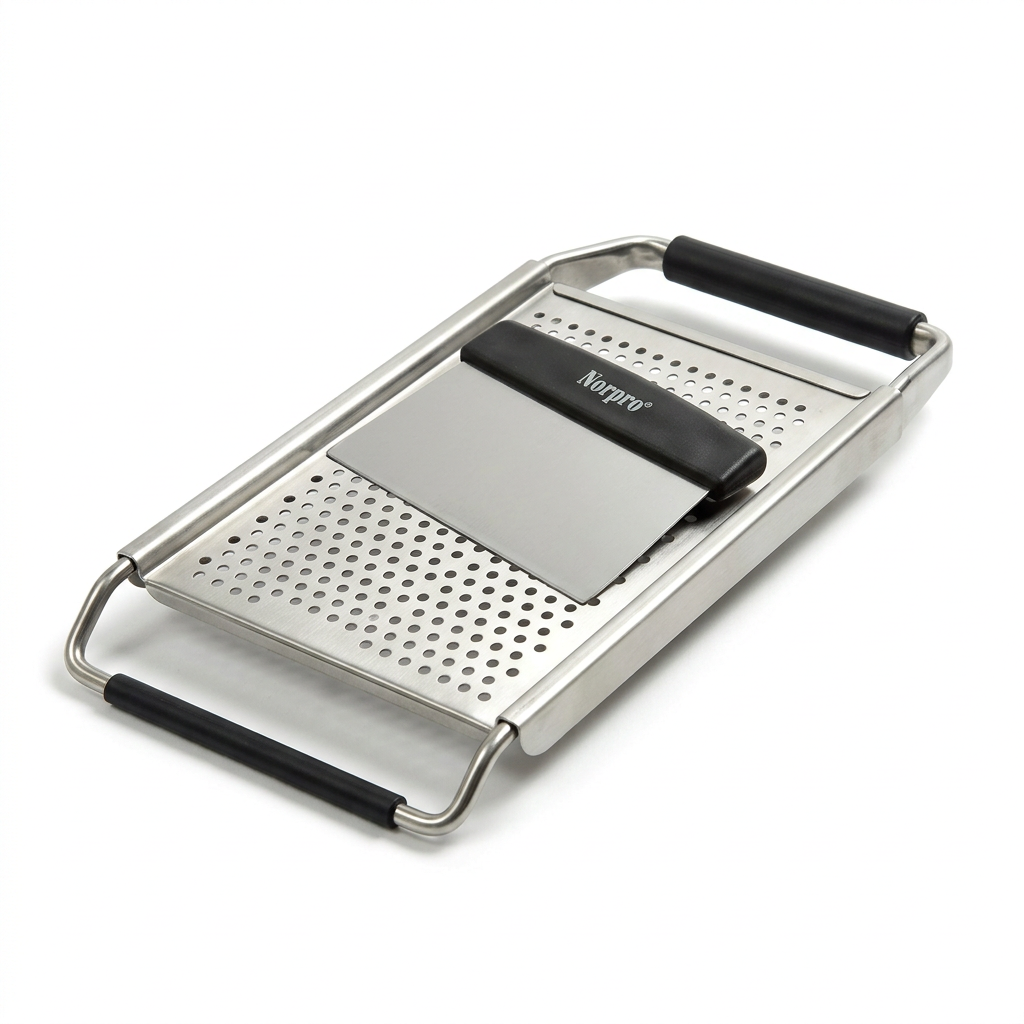
You do not need a professional kitchen to produce high-end results, but a few key tools will make your life significantly easier. A sturdy, wooden-topped table is the best surface for pasta because the wood absorbs a tiny amount of moisture and provides the necessary friction for kneading. A metal bench scraper is arguably the most important tool in your kit, allowing you to clean your board and manipulate the dough without tearing it. If you are serious about pasta, a dedicated pasta machine saves time, but it is not a requirement for excellence.
When working with dough, keep your environment cool. Heat from the stove or direct sunlight can make the dough soft and difficult to handle. Many chefs prefer to make pasta in the morning when the kitchen is coolest. If your dough feels "tired" or starts to resist you, put it in the refrigerator for twenty minutes. Cold dough is much easier to roll than warm, overworked dough. Remember that your goal is efficiency and consistency; practice is the only way to shorten your production time.
Maintaining Your Equipment
If you use a machine, never wash it with water. The internal gears are difficult to dry and can rust easily. Instead, use a stiff brush to remove any dried flour after each use. If the machine seems to stick, pass a small piece of "sacrificial" dough through it to pick up any remaining debris. Keep your rollers clean, and they will last a lifetime.
Elevating Your Flavors: Herb and Vegetable Infusions
Once you have mastered the classic egg pasta, the world of possibilities expands through infusions. You can incorporate finely chopped herbs like parsley, chives, or basil directly into the dough during the kneading process to create stunning, speckled sheets. Alternatively, you can incorporate vegetable purees for both color and flavor. Spinach is the most popular, providing a vibrant green hue and an earthy depth that pairs beautifully with creamy sauces. When using vegetables, ensure you squeeze out as much moisture as possible from the puree before adding it to your flour.
Beetroot is another excellent addition, offering a deep magenta color that makes for an incredible visual impact. You can use this for special occasions or to pair with goat cheese or walnuts. Remember that adding vegetable purees increases the moisture content, so you will need to adjust your flour-to-egg ratio accordingly. Start by substituting one egg with a few tablespoons of pureed vegetable and monitor the texture. If it feels too wet, add more flour in small, measured increments until the dough reaches the familiar, supple state.
Pasta is a reflection of the chef's temperament. If you approach it with urgency, the dough will fight you. If you approach it with grace, it will reward you with perfection.
Seasonal Combinations
Consider the time of year when deciding on your infusions. In the spring, lemon zest and finely minced thyme offer a bright, acidic profile that cuts through heavier fats. In the autumn, a pinch of nutmeg or finely ground dried porcini mushrooms can add a savory, forest-floor complexity to your dough. These small additions don't just change the color; they add layers of flavor that make the pasta a component of the dish, rather than just a vessel for sauce.
The Visual Appeal
If you want to impress, try creating "layered" pasta by placing thin, whole herb leaves between two sheets of dough before passing them through the pasta machine one final time. The herbs will be trapped between the layers, creating a beautiful stained-glass effect. This is particularly striking when served with a simple brown butter and sage sauce, as the visual beauty of the pasta remains front and center.
Troubleshooting Common Pasta Pitfalls
Every home cook encounters the same challenges when starting their pasta journey. The most common is dough that shrinks back when being rolled. This is almost always a lack of resting time. If your dough snaps back, you haven't given the gluten enough time to relax. Simply wrap it back up and walk away for thirty minutes. Another common issue is dough that is too dry and won't form a cohesive ball. This is often caused by the humidity in your kitchen. Instead of just adding water, try using your hands to mist the dough—a little goes a long way.
If you find that your pasta is sticking together in the pot, ensure that your water volume is sufficient. You need about one liter of water per 100 grams of pasta. If the pot is too crowded, the water temperature drops, and the starch released by the pasta creates a gluey mess. Always give your pasta a stir immediately after dropping it into the boiling water to ensure the strands are separated from the very first moment. If you are cooking multiple batches, don't be afraid to add a tablespoon of olive oil to the water, though purists will argue that the starch is sufficient if the technique is correct.
Dealing with Humidity
If you live in a very humid climate, you may find that you need slightly less moisture or that you need to dust your pasta more generously with semolina. Humidity can make your noodles turn into a sticky lump in the blink of an eye. If this happens, do not despair. Simply re-toss them in a light dusting of flour and separate them again. It is better to have an extra dusting of flour than to have noodles that stick together and cook unevenly.
The "Soggy" Pasta Syndrome
If your finished pasta feels soft and lacks structure, check your cook time. Fresh pasta is incredibly delicate. Even if the recipe suggests a time, rely on your own senses. Start tasting your pasta at the 60-second mark. If it's still too hard, give it another 10 seconds. Once it loses that raw-flour bite, it is ready. Pull it out of the water immediately—every second counts when dealing with such thin, delicate sheets.
Conclusion
Mastering the art of fresh pasta is a journey that begins with a single egg and a pile of flour. Throughout this guide, we have explored the chemical foundations of the dough, the mechanical techniques for achieving that perfect, translucent sheet, and the nuanced timing required for the perfect boil. While it may seem like a high-stakes endeavor, pasta making is ultimately about intuition. The more you practice, the less you will rely on the written word and the more you will rely on the feel of the dough beneath your hands. It is a craft that rewards consistency and patience, offering a level of satisfaction that is rarely found in the modern convenience-first world.
As you move forward, do not be discouraged by the inevitable hiccups. Even professional chefs have days where the dough is too dry or the noodles clump together. The beauty of pasta is that it is forgiving—most mistakes can be eaten and enjoyed regardless of their technical perfection. Take pride in the fact that you are engaging in an age-old tradition, bringing a level of care and quality to your table that simply cannot be found in a cardboard box. Embrace the mess, enjoy the process, and above all, blame the chef—or better yet, thank them—because you are now the one creating the masterpiece.
As you refine your skills, challenge yourself to experiment with new shapes, different flour blends, and creative infusions. Try your hand at filled pastas like tortellini or ravioli, where your newfound mastery of dough thickness will truly shine. Host a pasta night with friends and show them the difference between a mass-produced product and a labor of love. The kitchen is your laboratory, and every batch of pasta is a chance to refine your technique. You now possess the knowledge to control every aspect of your culinary creation. From the moment you crack that first egg to the final twirl on the fork, you are in command.
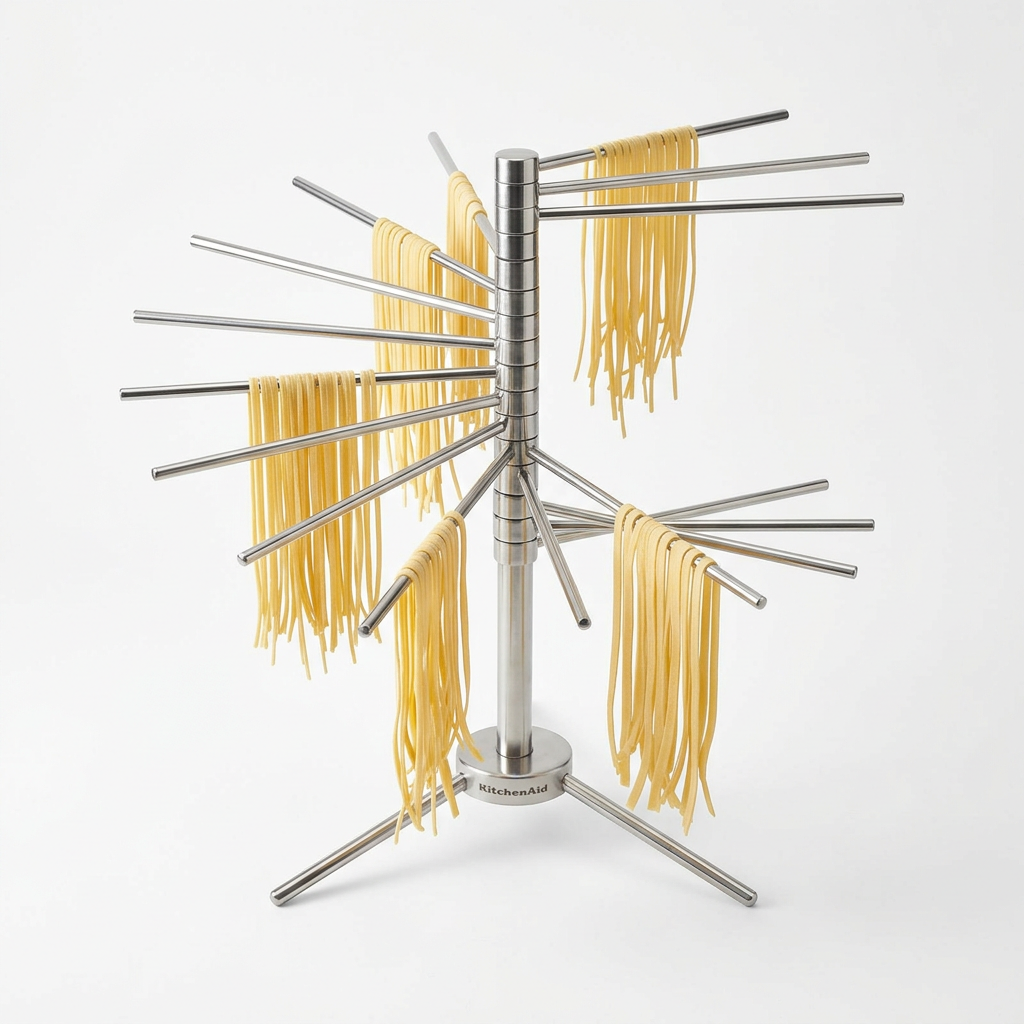
Remember that the ultimate goal of any dish is to bring joy to those who eat it. Fresh pasta is a celebration of simple ingredients elevated through human touch. It is a meal that creates memories, sparks conversation, and satisfies the soul. As you hang your freshly cut ribbons to dry or drop them into a pot of gently simmering water, appreciate the history and the labor you have invested in this moment. You have successfully navigated the complexities of dough development and discovered the nuances of the perfect boil. Now, put down the guide, pick up your bench scraper, and begin your next batch with the confidence of a true chef. Happy cooking, and may your pasta always be perfectly al dente.
Get the Next Recipe
Weekly recipes, techniques, and gear picks — straight to your inbox.
