
Fresh to Dried Herb Conversion Chart
Every home cook eventually reaches that frustrating moment in the kitchen where the recipe calls for a vibrant handful of fresh basil, but all that stares back from the pantry shelf is a dusty, shriveled jar of dried herbs. It is a rite of passage, a culinary hurdle that separates the casual snack-maker from the true home chef. Understanding the relationship between fresh and dried ingredients is not just a matter of convenience; it is a fundamental pillar of flavor theory. When you know how to substitute one for the other, you regain control over your kitchen, ensuring that your vision for a dish never suffers because of a lack of inventory. The goal is to retain the intended flavor profile while adapting to the reality of your pantry staples.
The primary difference between fresh and dried herbs lies in their moisture content and the concentration of essential oils. Fresh herbs are herbaceous, bright, and often carry a delicate top-note profile that evaporates quickly under high heat. In contrast, dried herbs undergo a dehydration process that concentrates the volatile compounds, making them significantly more potent in smaller doses. This is why you cannot simply swap a teaspoon of fresh parsley for a teaspoon of dried parsley and expect the same result. The dried version will be intensely grassy, sometimes bitter, and will lack the refreshing finish that a sprig of fresh cilantro or basil provides. Master this conversion, and your cooking will take an immediate step toward restaurant-quality consistency.
"Blame The Chef" is built on the philosophy that great food is rarely about expensive tools; it is almost always about the mastery of ingredients and the confidence to troubleshoot when things go wrong. Whether you are simmering a long-braised ragu or finishing a delicate vinaigrette, the herbs you choose act as the connective tissue between the other components of your dish. Throughout this guide, we will break down the exact ratios, the best methods for reviving dried spices, and the secrets that professional chefs use to keep their herb game on point. By the time you finish reading, the fear of a missing ingredient will be replaced by the empowerment of a seasoned cook who knows exactly how to bridge the gap between fresh and dried.
The Chemistry of Flavor: Why Drying Changes Everything
When you harvest a sprig of oregano from a garden, you are dealing with a complex biological structure. The leaves are filled with water and aromatic compounds housed in fragile cellular structures. When you chop these leaves, you release those oils instantly, providing that immediate aromatic punch. When you dry herbs, you evaporate the water, which allows the herb to stay stable for months, but the structure of the herb becomes tougher and more fibrous. This is why dried herbs require heat and liquid to release their flavor, whereas fresh herbs are often best served raw or added at the very end of the cooking process to preserve their integrity.
Understanding Essential Oils
The essential oils in herbs are heat-sensitive and volatile. In fresh herbs, these oils are protected by the physical structure of the plant. Once you dry them, the surface area increases, and the potency is essentially "locked" until it meets heat. If you were to add dried rosemary to a cold salad, it would feel like chewing on wooden shards. However, if you bloom that same rosemary in hot oil or let it simmer in a sauce for thirty minutes, it releases a deep, piney, and complex flavor that fresh rosemary simply cannot replicate in a long-cooked stew.
The Potency Multiplier
As a general rule, the 3:1 rule is your gold standard for home cooking. For every tablespoon of fresh herbs, use one teaspoon of dried herbs. This ratio accounts for the density of the dried herb. However, you must also consider the age of your dried spices. Spices that have been sitting in your cupboard for more than six months lose their luster. If your dried jar of thyme is older than a calendar year, you should increase the ratio to a 2:1 or even a 1:1 ratio because the volatile oils have significantly dissipated. Always smell your dried herbs before adding them; if you cannot smell the herb clearly, it is time to discard it.
"The secret to a balanced sauce is not just the quality of your stock, but the precise timing of when you introduce your aromatics. Treat fresh herbs as a finish and dried herbs as a foundation."
The Gold Standard: Your Conversion Cheat Sheet
To keep your kitchen running efficiently, you need a quick reference guide that you can rely on during the heat of service. While these ratios are technically guidelines, they provide the structure necessary for consistency. Remember that hard, woody herbs like rosemary, thyme, sage, and oregano hold up exceptionally well to the drying process and adapt perfectly to this chart. Softer, leafy herbs like parsley, cilantro, tarragon, and chives lose almost all of their character when dried, and in many cases, it is better to skip the dried version entirely if you don't have fresh.
The Conversion Ratio Table
1 tablespoon fresh* = 1 teaspoon dried
1 cup fresh* = 1/3 cup dried (though this is rarely used in high-volume recipes)
1 sprig (large)* = 1/4 teaspoon dried
1 teaspoon dried* = 1/2 teaspoon ground/powdered
Tips for Precision
When you are measuring, always use a dry measuring spoon. If you dip your spoon directly into a jar of dried herbs while hovering over a boiling pot, the steam will enter the jar and introduce moisture, which causes mold and rapid degradation of your spices. Instead, pour the herbs into your hand or a small ramekin first. This small habit will double the shelf life of your spice rack. Additionally, always crush your dried herbs between your palms before adding them to a dish. This mechanical action breaks the cell walls and releases the oils just before they hit the heat, amplifying the flavor profile significantly.
Technique: Blooming and Rehydrating Herbs
One of the most common mistakes I see in home kitchens is adding dried herbs directly to a liquid without first "blooming" them. Blooming is the process of heating spices in fat—like oil or butter—before adding the primary liquid ingredients. This is a foundational technique in Indian and Mediterranean cuisines, but it is applicable to almost every style of cooking. When you bloom herbs, the fat acts as a solvent for the essential oils, spreading the flavor throughout the entire dish rather than leaving it trapped inside the leaf structure.
How to Bloom Like a Pro
The Importance of Liquid
If you are making a soup or a stew, the liquid acts as the secondary vehicle for your dried herbs. Dried herbs require time to soften. If you add them ten minutes before serving a stew, the herbs will remain tough and gritty. Give them at least 30 to 45 minutes of simmering time to fully rehydrate and meld with the fats and proteins in your dish. This is why fresh herbs are better for "finishing," as they need no time at all to be palatable.
"Blooming your dried herbs is the single most effective way to elevate the flavor of your home-cooked meals from 'okay' to 'exceptional'."
Knowing When to Skip the Dried Version
There is a hard line in the culinary world regarding which herbs can survive the drying process and which simply perish in the attempt. As an authoritative voice in the kitchen, I must insist that you respect the biological limitations of certain plants. If you are making a Chimichurri, a pesto, or a fresh bright green salsa, there is absolutely no substitute for fresh ingredients. Attempting to use dried cilantro or dried parsley in these applications will result in a dusty, medicinal flavor that ruins the vibrant profile of the dish.
The Soft Herb List
These herbs should almost always be kept fresh. If you cannot find them fresh, it is better to omit them or use a different ingredient entirely:
Cilantro:* Once dried, it loses its bright citrusy notes and develops a muddy, soapy taste.
Parsley:* Dried parsley is essentially colored cellulose; it has almost no flavor.
Chives:* Drying destroys their delicate onion-like punch.
Basil:* While you can buy dried basil, it lacks the sweet, peppery aroma that makes fresh basil essential for Caprese or pesto.
When Fresh Is Mandatory
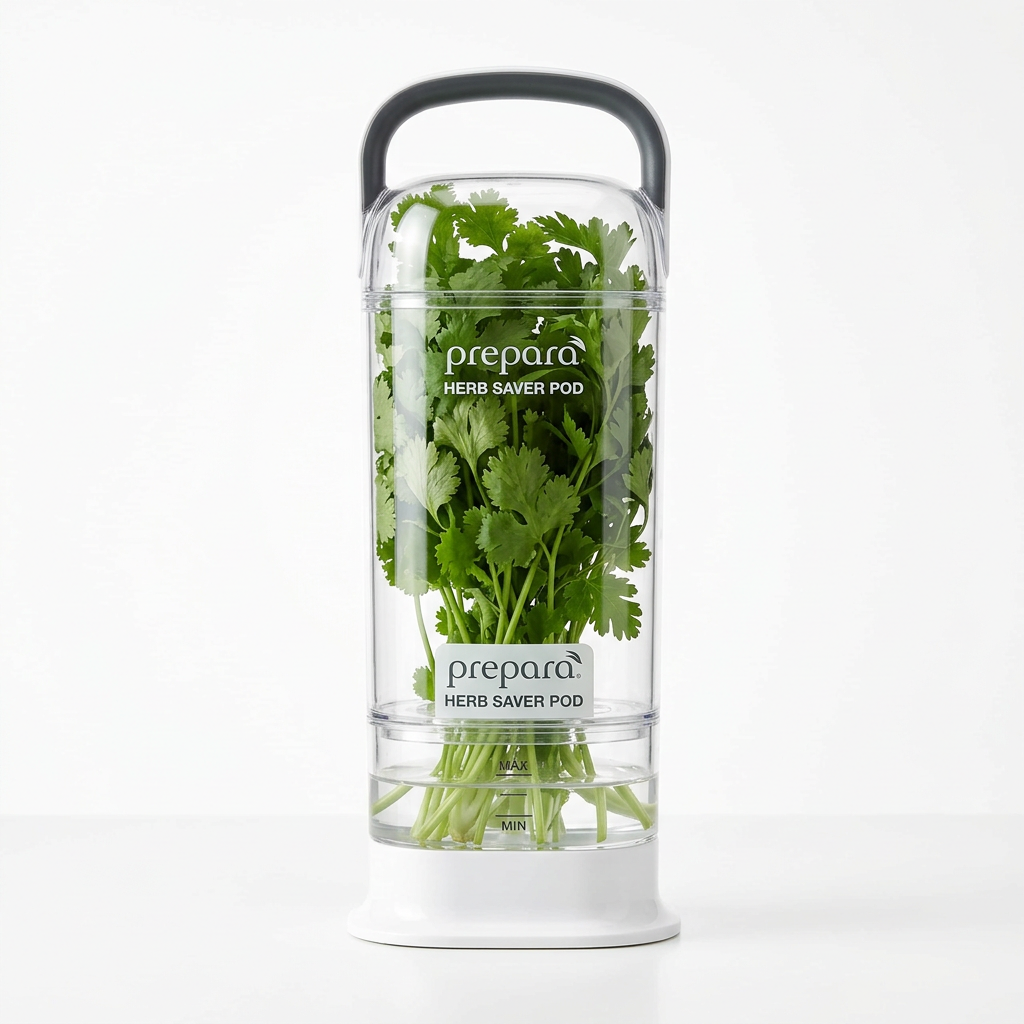
If you are making a dish that relies on a "raw" element, do not compromise. A fresh herb salad on top of a grilled fish requires the crunch and moisture of fresh dill or parsley. If you try to substitute with dried, you are essentially dusting your fish with dry yard waste. Always keep a small herb garden or maintain a consistent supply of these four herbs in your crisper drawer. If you find they are wilting, wrap them in a slightly damp paper towel and place them in a sealed Ziploc bag; they will stay crisp for over a week.
Storage and Shelf Life: Protecting Your Investment
A spice rack should be a treasure chest, not a graveyard for forgotten flavors. Most home cooks do not realize that dried herbs have a finite lifespan. Once a jar is opened, the clock starts ticking. Oxygen, light, and heat are the enemies of flavor. If your herbs are kept in clear glass jars sitting on a shelf directly above your stove, you are systematically killing them every time you boil a pot of pasta.
Best Practices for Storage
Location:* Store your dried herbs in a cool, dark cupboard, far away from the oven and the stove.
Containment:* Use airtight containers, preferably colored glass or opaque metal tins.
Labeling:* Always mark the purchase date on the bottom of the jar.
The Sniff Test:* Every month, take a moment to smell your collection. If the aroma is weak, it is time to cycle them out.
Why Quality Matters
When buying dried herbs, look for "whole" or "crushed" rather than "powdered" versions. Ground herbs have an massive surface area, which means they oxidize and lose their potency almost immediately upon processing. By buying whole or coarsely crushed leaves, you protect the internal oils, allowing you to crush them yourself just before use. This simple shift in purchasing behavior will make a profound difference in the depth of flavor you achieve in your finished dishes.
Advanced Culinary Applications: Beyond Ratios
Once you have mastered the basic 3:1 conversion ratio and the technique of blooming, you can start experimenting with advanced methods like herb-infused oils and compound butters. These methods allow you to bridge the gap between fresh and dried by combining the shelf-stability of dried herbs with the richness of lipids. For instance, creating a dried-herb-infused olive oil allows you to capture the essence of a summer garden in the dead of winter.
Crafting Compound Butters
Infusing Oils
You can achieve a similar effect with oils. Simply add your dried herbs to a small saucepan of oil, warm it to 150 degrees Fahrenheit, and let it sit off the heat until it cools. Store this in the fridge and use it as a finishing oil for roasted vegetables. The oil becomes a potent aromatic base that allows you to control the intensity of the herb flavor precisely. It is a professional trick used to add a high-end finish to rustic vegetable dishes.
"True culinary skill is not about following recipes; it is about knowing how to manipulate the components of flavor to achieve the profile you envision. Master the herb, master the meal."
Troubleshooting and Culinary Adjustments
Even the most experienced chef encounters "the flavor gap." Sometimes, the recipe calls for dried thyme, but after adding the standard amount, the dish still feels flat. This usually happens when the ingredients have been compromised by age or poor storage. Rather than just adding more, which can lead to a gritty, sandy texture, try incorporating a touch of acidity. A squeeze of lemon juice or a dash of vinegar can brighten a dull, dried-herb-heavy sauce and "wake up" the muted flavors.
The Acid Bridge
Acid acts as a highlighter for herbs. When you find that your dried herbs are not providing the vibrancy you want, do not reach for more of the dry herb—reach for the lemon. The citric acid interacts with the dried herbal oils, creating a complex interaction that tricks the palate into perceiving the herbs as fresher and more vibrant. This is why Mediterranean cuisine relies so heavily on the combination of dried oregano and lemon; they are symbiotic partners in the quest for flavor depth.
When to Abandon the Conversion
There are times when you should simply pivot the dish. If a recipe calls for fresh mint and you don't have it, don't use dried. Instead, look at what you are making. If it's a dessert, maybe swap the herb for a bit of citrus zest. If it's a savory dish, maybe introduce a bit of heat or a different aromatic base like ginger. Flexibility is the hallmark of a master cook. Never let a lack of one specific herb dictate the failure of your dinner. Understand the role the herb was supposed to play—was it for freshness? For earthiness? For spice?—and choose an alternative that serves that same purpose.
Conclusion
The journey from a novice home cook to a confident chef is paved with the knowledge of how ingredients interact. Converting fresh herbs to dried is not a chore; it is an exercise in understanding the chemistry of your food. By respecting the potency of dried spices, employing the blooming technique to unlock their oils, and knowing when to insist on fresh, you are ensuring that every dish you serve has a backbone of flavor that is consistent and intentional. Do not fear the empty produce drawer. Embrace the pantry, learn to bloom your spices, and trust your palate to guide you.
As you move forward in your cooking journey, remember that your spice rack is an investment in your creativity. Keep it organized, keep it fresh, and never be afraid to experiment with the ratios I have provided here. Culinary arts are rarely about perfection; they are about understanding the rules well enough to know exactly when and how to bend them. With the 3:1 ratio in your pocket and a deeper understanding of how heat and fat interact with your herbs, you are already better equipped than 90% of home cooks. Go forth, experiment, and remember: if the dish tastes great, you get the credit—but if you have to tweak the ratio to make it perfect, you can always just blame the chef.
Final Thoughts
We have covered a significant amount of ground, from the cellular biology of plant moisture to the practical application of blooming techniques. I hope this guide serves as a permanent reference for your kitchen endeavors. Remember that cooking is a marathon, not a sprint. Every time you cook, you are learning something new about your ingredients, your tools, and your own preferences. There is no such thing as a "mistake" in the kitchen, only an opportunity to learn how a different flavor profile works.
The next time you find yourself staring at an empty fresh herb container while the stove is humming and the onions are sautéing, don't panic. Reach for your dried herbs, follow the ratios, bloom them in that golden fat, and enjoy the confidence that comes with mastery. You are the architect of your own kitchen, and with these tools in your repertoire, you are well on your way to becoming a chef in every sense of the word. Keep testing, keep tasting, and above all, keep the passion for cooking alive. Your table deserves the best version of your efforts, and today, you have taken a major step toward providing exactly that. If you follow the protocols laid out here, the transition between fresh and dried will become second nature, and you will find that your food gains a level of complexity and professionalism that was previously just out of reach. Happy cooking, and may your seasoning always be perfectly balanced.
Get the Next Recipe
Weekly recipes, techniques, and gear picks — straight to your inbox.
