From Farm to Table: A Guide to Seasonal Ingredient Selection
In the quest for culinary perfection, understanding the symbiotic relationship between seasonal ingredients and cooking not only enhances flavor but also invites the vibrant colors and textures of nature’s bounty into our kitchens. The concept of “farm to table” embodies this philosophy, emphasizing the importance of using ingredients at their peak, both in taste and nutritional value. As home cooks, tapping into the essence of each season allows us to create dishes that resonate with the environment and the moment, ultimately making our meals more heartfelt and authentic.
When we think of seasonal cooking, it transcends merely picking ingredients that are available. It’s about forming a connection with the local ecosystem, respecting its rhythms, and utilizing what's plentiful at any given time. Ingredients that are in season not only taste better but are often more affordable, reducing the ecological footprint associated with transportation and storage. By choosing local and seasonal produce, we support local farmers and contribute to sustainable practices, fostering a rich culinary landscape in our communities.
As enthusiasts in the kitchen, embracing seasonal ingredients opens the door to creativity. Each season offers its unique palette of flavors, guiding our culinary selections and inspiring us to try new recipes. Whether it’s the crisp vegetables of spring, the succulent fruits of summer, the hearty roots of fall, or the nourishing greens of winter, there’s an adventure waiting with each changing season.
The Importance of Seasonal Cooking
Nutrition and Flavor Enhancement
Cooking with seasonal ingredients means you're utilizing produce that is harvested at its peak. This timing not only enhances the nutritional content but also brings out the maximum flavor. Seasonal fruits and vegetables are often picked when ripe and quickly brought to market, leading to better taste compared to out-of-season produce that may have been picked prematurely and transported long distances.
"When you cook with the seasons, you’re not just cooking with ingredients; you’re cooking with the earth itself."
The nutrition content of seasonal ingredients also contributes significantly to a healthier diet. For instance:
Environmental Sustainability
Choosing seasonal produce is not just beneficial for your palate; it’s a sustainable practice. The environmental benefits of seasonal cooking are profound. Seasonal ingredients often require fewer resources in terms of water, fertilizers, and pesticides, as they grow naturally suited to their environment.
Incorporating local ingredients reduces the carbon footprint associated with food transportation. By sourcing ingredients from local farmers, you also contribute to the economy of your community and foster relationships with local growers. This relationship can lead to access to fresher produce, unique varieties, and opportunities for learning about sustainable farming practices.
Farming techniques can greatly impact both the quality of the food produced and the impact on the environment. For example, understanding and supporting crop rotation can contribute to healthier soil and biodiversity, ultimately resulting in more flavorful and nutritious ingredients.
Elevating Culinary Skills
Cooking seasonally is a journey towards becoming a more skilled and adaptable chef. As you familiarize yourself with various seasonal ingredients, you will also learn about their complementary flavors and optimal preparation methods. This knowledge enables you to craft dishes more intuitively.
Understanding Seasonal Produce
Spring: When Everything Comes Alive
Spring is a time of reawakening and abundance in the produce aisle. It's the perfect opportunity to embrace greens—from arugula to Swiss chard—as they begin to spring from the soil after the winter thaw.
Popular spring ingredients include:
Chef Tip: Always look for vivid colors and crisp textures when selecting produce. Freshness is key!
Summer: A Garden's Bounty
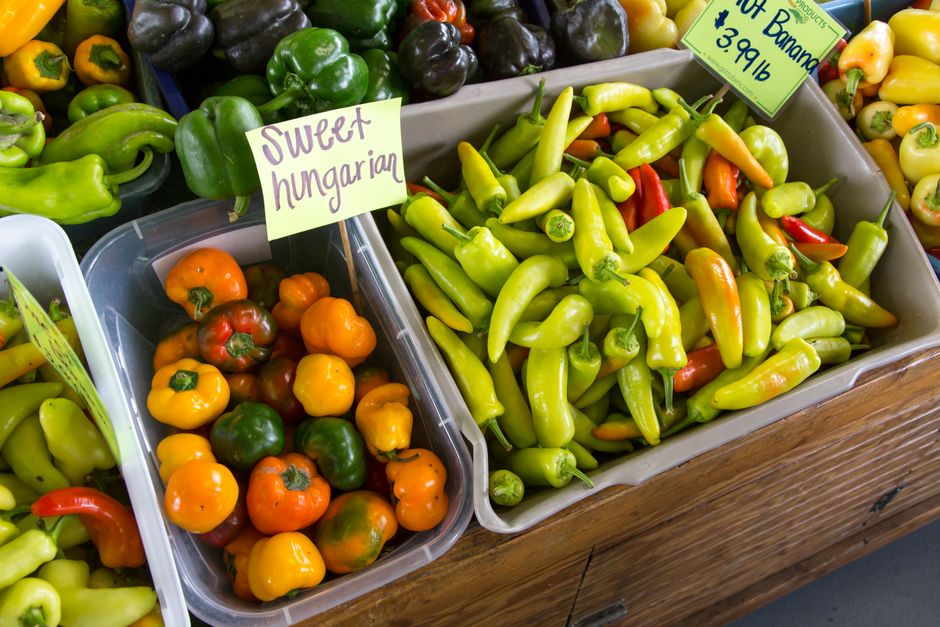
Summer is often viewed as a paradise for cooks, providing a cornucopia of ripe fruits and vegetables. Heirloom tomatoes, colorful bell peppers, zucchini, and a variety of berries and stone fruits make this season a culinary dream.
Key summer ingredients include:
"Using the freshest summer produce transforms a simple dish into a sensory experience."
Fall: Harvest and Transformation
As summer yields to fall, the produce changes character, reflecting the harvest season. This is when you can begin to embrace earthy flavors with root vegetables and hearty squashes that are perfect for roasting and soups.
Essential fall ingredients:
Winter: The Hidden Gems
Winter may seem like a barren time for fresh produce, but it is actually a wonderful time to experiment with hardy greens, citrus, and preserved ingredients. Greens like kale and collards flourish in cooler temperatures, and citrus fruits reach their peak.
Staple winter ingredients include:
Strategies for Sourcing Seasonal Ingredients
Building Relationships with Local Farmers
One of the most rewarding aspects of seasonal cooking is forming relationships with local farmers or visiting farmers' markets. Not only do you gain access to fresh and high-quality ingredients, but you also learn about the farming practices and stories behind your food.
Shopping Seasonally at Grocery Stores
Many grocery stores now highlight seasonal produce sections or labels indicating local sourcing. Here are tips for staying informed:
Preserving Seasonal Ingredients
Preserving seasonal ingredients ensures you can enjoy their rich flavors year-round. This practice can also expand your skills and creativity in the kitchen.
Seasonal Recipes to Inspire Your Cooking
Spring Salad with Asparagus and Peas
Ingredients:
Instructions:
This salad screams freshness and celebrates the spring harvest.
Summer Ratatouille
Ingredients:
Instructions:
This versatile dish can be served as a main dish or a side, showcasing the best of summer’s qualities.
Fall Pumpkin Soup
Ingredients:
Instructions:
This comforting soup is perfect for chilly evenings and emphasizes the richness of fall ingredients.
Winter Citrus Salad
Ingredients:
Instructions:
This salad is both bright in flavor and visually stunning, showcasing winter’s cultivated gems.
Conclusion
Embracing seasonal ingredient selection is not merely about the food we prepare but a profound journey that connects us to our surroundings and community. As we learn to understand the rhythms of nature, we enhance our culinary repertoire and celebrate the biodiversity each season presents. When we choose to cook seasonally, we make informed decisions that promote sustainability, nutrition, and flavor.
As home cooks, it is our obligation to explore and express the wonders of seasonal cooking. Challenge yourself to source locally, experiment with new techniques, and preserve ingredients for a taste of each season all year long. Let your kitchen become a canvas where the seasons paint their flavors and colors, transforming everyday meals into extraordinary experiences. Whether you’re tossing a fresh salad in the spring or creating a hearty soup in the winter, cooking seasonally offers a delightful journey woven with flavor, creativity, and environmental respect. Embrace the call of the seasons, and allow them to guide your culinary creations with joy and intention.




Get the Next Recipe
Weekly recipes, techniques, and gear picks — straight to your inbox.
