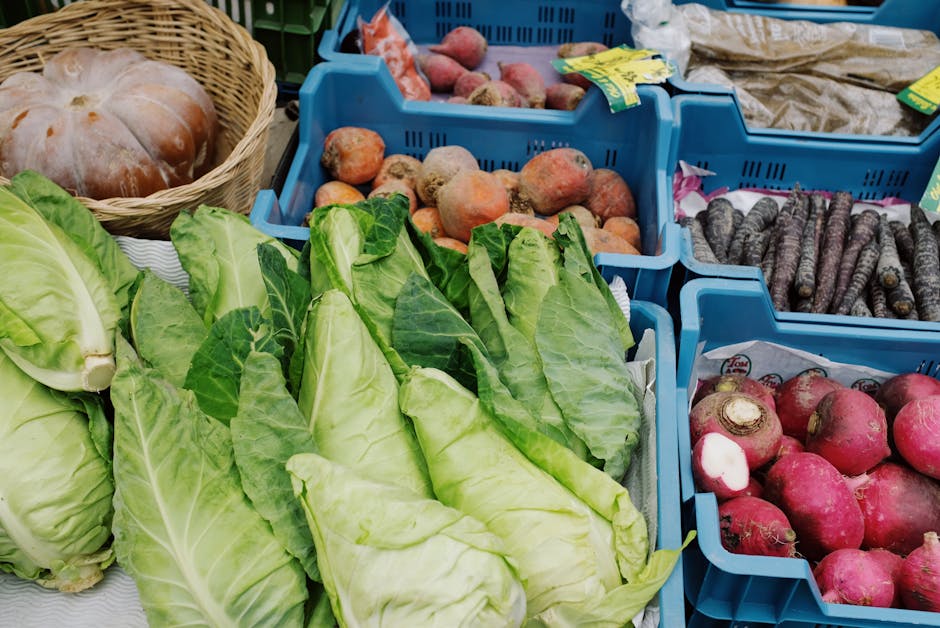
From Farm to Table: Sourcing Seasonal Produce
Sourcing seasonal produce is a fundamental principle in the culinary arts, encapsulating the relationship between the earth’s cycles and our plates. Eating with the seasons not only enhances flavor but also supports sustainable food practices and local agriculture. By prioritizing fresh, seasonal ingredients, home cooks can elevate their culinary creations while simultaneously fostering a connection to the land and the community. This blog post will guide you through the fundamentals of sourcing seasonal produce, uncovering its benefits, and providing practical tips to make the most out of what each season has to offer.
As the seasons change, so too does the landscape of available fruits and vegetables. The vibrant colors of spring greens, the warm hues of summer berries, the rich earthiness of fall root vegetables, and the hardy winter squashes each present unique flavors and textures that can invigorate your meals. Understanding what ingredients are at their peak during each season allows you to select the freshest items, resulting in dishes that are not only delicious but also visually appealing. It’s about embracing nature’s bounty, which is always in flux and can be a source of inspiration in the kitchen.
In addition to flavor and freshness, sourcing seasonal produce offers numerous health benefits. Foods that are grown and harvested at their natural peak not only taste better but often contain higher nutritional value than those that have been transported long distances or stored for extended periods. By planning your meals around seasonal produce, you are effectively investing in your health while supporting local farmers and reducing your carbon footprint. This post will explore how to identify, choose, and utilize seasonal ingredients throughout the year, transforming your approach to cooking and eating.
Understanding Seasons and Local Produce
The first step in sourcing seasonal produce is to understand the seasonal variations in your geographic area. Regardless of where you live, each season brings a new selection of fruits and vegetables ripe for the picking.
Regional Differences Matter
In regions with distinct seasons—such as the Northeastern United States—spring generally brings tender greens, asparagus, and radishes, while summer dazzles with tomatoes, corn, and zucchini. Conversely, in warmer climates, you may experience longer growing seasons that affect when certain produce is available. For example, in California, strawberries may peak as early as February, while in the Midwest, you might need to wait until June.
To create a successful plan for sourcing seasonal produce:
By understanding the nuances of your local agricultural climate, you can ensure that your kitchen is always stocked with the freshest ingredients available.
Traditional and Modern Farming Practices
The direct relationship between farmers and consumers has evolved significantly, especially in recent years. Supporting local farmers’ markets and CSA programs can give you access to seasonal produce harvested within hours, not days or weeks. Many urban areas now also host rooftop gardens and community gardens, further bridging the gap between city dwellers and local agriculture.
Here are some tips for connecting with local farmers:
The Joy of Preparing Seasonal Ingredients
Once you have sourced your seasonal produce, the next step is learning how to prepare it to maximize its flavor and nutritional benefits. Seasonal ingredients often come with their own unique handling requirements, cooking times, and optimal preparation methods.
Emphasizing Freshness
Fresh herbs, just-picked vegetables, and ripe fruits lend themselves to a range of cooking styles. Here are some methods for preparing seasonal produce to showcase their natural flavors:
By emphasizing freshness through these methods, you allow the inherent flavors of seasonal ingredients to shine.
Balancing Flavors and Textures
When crafting dishes, the balance of flavors and textures is pivotal. Incorporate elements that contrast with the natural sweetness of summer produce—like zucchini or ripe peaches—using salty cheeses or tangy dressings. Here are a few combinations that work well together:
By thoughtfully combining flavors and textures, you can create dishes that not only highlight seasonal ingredients but also offer a well-rounded and satisfying eating experience.
Shopping Tips for Seasonal Produce
An integral part of successfully sourcing seasonal ingredients is knowing how to shop effectively. Here are some effective strategies that can help you select the best produce on your next trip to the market.
Inspecting Quality
When shopping for produce, be discerning. Here are a few tips to help you choose high-quality seasonal ingredients:
Seasonal Buying Strategies
“A well-stocked kitchen with seasonal produce inspires creativity and fosters a better eating experience.”
Cooking with Seasonal Produce: Recipes to Try
Now that you have a strong foundation for sourcing and shopping for seasonal produce, let's explore some delicious recipes that utilize these fresh ingredients. Each recipe highlights the best flavors of the season, ensuring that you maximize your produce's potential.
Spring Vegetable Risotto
This creamy risotto showcases the crispness of spring vegetables, including asparagus, peas, and fresh herbs. This dish requires patience, but it’s worth it for the depth of flavor.
Ingredients:
Instructions:
Summer Tomato and Basil Bruschetta
This simple appetizer embraces the bounty of summer tomatoes paired with fragrant basil. It’s fresh, quick to prepare, and filled with bright flavors.
Ingredients:
Instructions:
Autumn Butternut Squash Soup
This luxurious soup harnesses the sweet, rich flavor of butternut squash and is perfect for cooler months. It’s comforting, nourishing, and easy to make.
Ingredients:
Instructions:
Winter Root Vegetable Salad
Transform the hearty ingredients of winter into a vibrant salad that celebrates the season's robust flavors. This dish is versatile and can be a side or a hearty main.
Ingredients:
Instructions:
Tracking Your Seasonal Journey
To truly embrace the philosophy of sourcing and cooking with seasonal ingredients, consider documenting your culinary journey.
Keeping a Seasonal Ingredient Journal
A journal can serve as an excellent resource for tracking which seasonal items you enjoy, the best sources for purchasing them, and your creative recipes. Keep it simple by noting down:
Reflecting and Adapting
Each year will bring slightly different crops based on weather and local agricultural practices. By reflecting on your entries from previous seasons, you can adapt your cooking style and meal planning to celebrate the absolute best that nature has to offer.
“Cooking with seasonal produce is a dynamic journey that evolves with both nature and your culinary skills.”
Conclusion
Sourcing seasonal produce is more than just a cooking choice—it’s a lifestyle that celebrates the rhythms of nature while enhancing our culinary creations. By prioritizing fresh, locally grown ingredients, you are investing in your health, the environment, and the community. This journey encourages us to explore local markets, engage with farmers, and embrace the beauty of each season’s harvest.
As you embark on this adventure, remember the connection between what we eat and the seasons. Prepare your meals with joy and creativity, adapting your methods and recipes as the produce changes throughout the year. The flavors are ever-evolving, and so too should be your cooking. Embrace this practice, and soon you will find yourself inspired not only by the ingredients but also by the stories they tell and the communities they foster.
Happy cooking!




Get the Next Recipe
Weekly recipes, techniques, and gear picks — straight to your inbox.
