From Farm to Table: Understanding Seasonal Ingredients and Peak Flavors
Cooking is an act of translation, a process of taking the raw, silent language of nature and turning it into a dialogue that happens on the palate. Too often, home cooks approach their grocery list as a static document, a collection of interchangeable parts that can be summoned regardless of the calendar. We have become accustomed to the "global pantry," where strawberries appear in December and asparagus in October, forgetting that the true magic of cooking begins long before the burner is lit. When you cook with ingredients at their peak flavor, you are not just making dinner; you are participating in a rhythmic, ancient cycle that connects your kitchen to the soil, the sun, and the specific heartbeat of the season.
To understand seasonal ingredients is to embrace the philosophy of culinary intentionality. It is the recognition that a tomato grown in the height of summer heat, warmed by direct light and fed by mineral-rich, dry soil, contains a different molecular complexity than its winter counterpart. When we ignore these cycles, we are forced to mask the lack of quality with excessive fats, salts, and sugars—a crutch that prevents us from ever truly mastering the art of flavor development. My mission at Blame The Chef has always been to peel back the curtain on how professionals think, and the professional mindset is rooted firmly in the calendar, waiting for the ingredients to tell us what they want to become.
If you are tired of recipes that fall flat or dishes that feel uninspired, the answer is rarely a new gadget or a more expensive pan. The answer is found in the produce aisle, or better yet, the local farmers’ market. By learning to identify when an ingredient is at its peak—when its sugars are highest, its acids are balanced, and its textures are vibrant—you reduce the amount of work you need to do in the kitchen. Culinary excellence is 80% selection and 20% technique. Let us embark on a journey through the seasons to reclaim the integrity of our ingredients and elevate your home kitchen to a professional standard.
The Science of Seasonality and Flavor Profiles
At the heart of the seasonal movement is the concept of terroir and nutrient density. Plants are living organisms that respond to the length of the day, the temperature fluctuations between day and night, and the availability of water. When a vegetable is grown in its natural window, it develops a specific profile of phytonutrients and natural sugars that are biologically designed to coincide with the time of year. For instance, the high water content of summer cucumbers provides hydration, while the dense, starch-heavy profile of autumn squash provides the energy required to weather the cooling temperatures.
Understanding the Sugar-Acid Balance
In professional cooking, we talk endlessly about the sugar-acid balance. A seasonal ingredient is almost always perfectly balanced by nature. A late-summer peach does not need added sugar; it has reached the ideal Brix level—the measurement of dissolved solids or natural sugars. When you cook out of season, you are essentially trying to replicate a masterpiece from a blurry photograph. Understanding this allows you to stop compensating for poor produce and start highlighting the inherent qualities that nature has already perfected.
The Role of Temperature and Storage
Even the most perfect seasonal ingredient can be ruined by improper storage. Many home cooks make the mistake of refrigerating everything, which can lead to "chilling injury" for produce like tomatoes or stone fruits. Tomatoes should never see the inside of a refrigerator; they lose their flavor compounds and develop a mealy texture. Instead, keep them at a steady room temperature (between 60°F and 70°F) in a well-ventilated area. This preserves the enzymatic activity that keeps the texture crisp and the flavor profile vibrant until the moment you decide to slice into them.
"True cooking begins not with the heat of the flame, but with the wisdom of the harvest. If you choose an ingredient that has lived its life under the right sun, you are halfway to a perfect meal before you even turn on the stove."
Spring: The Season of Awakening and Bright Acidity
Spring is the time for aromatics and tender, herbaceous greens. It is the culinary "reset" button after the heavy, slow-cooked meals of winter. The focus here should be on preserving the vibrant color and chlorophyll content of the produce. Techniques such as blanching and shocking are essential during this season. To blanch, bring a large pot of salted water to a rolling boil (aim for 2% salinity, which is about 2 tablespoons of salt per gallon). Submerge your spring peas or asparagus for 60 to 90 seconds, then immediately transfer them into an ice bath. This locks in the color and the snap, ensuring that your plate looks like the season itself.
The Art of the Herb-Forward Sauce
Spring ingredients demand a lighter touch. Instead of heavy, cream-based reductions, look toward emulsions using fresh herbs, high-quality extra virgin olive oil, and citrus zest. A classic gribiche or a bright, verdant salsa verde made with Italian parsley, capers, shallots, and high-quality vinegar can elevate a simple plate of steamed asparagus or poached fish. The goal is to maintain the acidic punch that characterizes spring vegetation, ensuring that every bite feels clean and lively on the palate.
Cooking with Fiddleheads and Morels
Spring also brings the ephemeral beauty of wild ingredients. Morel mushrooms are a culinary gold standard, but they require specific preparation. Because of their honeycomb structure, they are notorious for hiding grit and sand. Never soak them; instead, lightly brush them and quickly rinse them under cold water, then pat them thoroughly dry. Sautéing them in clarified butter at a medium-high heat (around 350°F) allows them to develop a deep, nutty sear without becoming sponge-like. This is the time to embrace the transient nature of food—if you miss the two-week window for these ingredients, you have to wait an entire year to try again.
Summer: Maximizing the Power of the Sun
Summer is a period of abundance, characterized by high sugar and high moisture. This is the time for tomatoes, peppers, stone fruits, and sweet corn. In the height of July and August, the most important technique is minimalist intervention. If you have a perfect heirloom tomato, the best thing you can do for it is to slice it, sprinkle it with Maldon sea salt, and add a drizzle of the best olive oil you can afford. The heat of the sun has already done the "cooking" for you.
Mastering the High-Heat Sear
When we do cook in the summer, we often turn to the grill. Maillard reaction is your best friend here, but it must be managed. When searing summer vegetables like zucchini or peppers, ensure the grill grate is clean, oiled, and heated to at least 450°F. Do not crowd the pan or the grill; if you pack the surface too tightly, the temperature will drop, the moisture will release, and you will end up steaming your vegetables instead of caramelizing them. A proper sear should create a crust that locks in the juices while providing a textural contrast to the soft interior.
Fruit as a Savory Component
Do not limit your stone fruits to dessert. The sweetness of peaches and nectarines pairs exceptionally well with fatty, salty proteins. Try grilling peach halves alongside a pork chop, or incorporating diced plums into a salsa for grilled snapper. The balance of fructose and acidity cuts through the fat of the meat, creating a harmony that is distinctly summery. Remember, the tighter the fruit skin, the less it will hold up to high heat, so keep a close watch—3 to 4 minutes per side is usually the sweet spot for a caramelized exterior.
"Complexity in a dish does not come from a laundry list of ingredients; it comes from the depth of flavor present in the primary components. Let the produce speak, and your only job becomes amplifying its voice."
Autumn: Developing Depth and Earthy Undertones
As the temperature drops, our cravings naturally shift toward earthy, grounding flavors. This is the season of roots, tubers, and hardy brassicas. In the kitchen, we transition from the fast, high-heat techniques of summer to the slow, flavor-building methods of braising and roasting. Roasting vegetables at 400°F allows for the natural sugars to caramelize fully, creating a deep, nutty complexity that is simply not possible in the spring.
The Science of the Perfect Roast
When roasting root vegetables like carrots, parsnips, or beets, the secret is in the surface area. Cut your vegetables into uniform, bite-sized pieces to ensure even cooking. Use a heavy-gauge baking sheet—aluminum or stainless steel—and do not overlap the pieces. For the best caramelization, toss your vegetables with a high-smoke-point fat, such as avocado oil or grapeseed oil, rather than butter, which can burn during the long roasting time. Seasoning with salt before roasting draws out excess moisture, which helps the vegetables develop that coveted deep-brown exterior.
Building Foundations with Aromatics
Autumn is the time to master the mirepoix or its variations. By sweating onions, celery, and carrots in a heavy-bottomed Dutch oven, you create a base of flavor that will anchor your soups and stews. Cook them over low heat (around 225°F) for at least 15 to 20 minutes. You want them translucent and soft, not browned. This slow release of aromatics provides the backbone for the deep, savory "umami" profile that defines the comfort food of the colder months.
Winter: The Art of Preservation and Comfort
Winter is the time to celebrate the pantry. If you have done your work in the autumn, you should be surrounded by preserved tomatoes, fermented krauts, root vegetables stored in cool, dark bins, and dried herbs. Cooking in winter is about finding warmth and satisfaction through long, slow processes. It is the season where the Dutch oven is your most reliable tool, and the kitchen becomes a sanctuary from the cold.
Braising as a Professional Technique
Braising is perhaps the most forgiving yet impressive technique for the home cook. Whether you are working with a chuck roast, lamb shanks, or firm winter greens like kale and chard, the principles are the same: Sear, Deglaze, Braise. By searing your protein, you build the initial flavor. By deglazing the pan with a bold liquid—a deep red wine or a dark beef stock—you reclaim that flavor and build your braising medium. Keep your braise in the oven at a low 300°F; the gentle, consistent heat will break down connective tissues over 3 to 4 hours, resulting in a fork-tender finished product.
The Role of Fermentation
Winter is also an ideal time to get into simple fermentation. Because our access to fresh produce is more limited, techniques like making sauerkraut or kimchi allow you to keep the nutritional value of summer vegetables alive throughout the winter. Fermentation is a chemical process where naturally occurring bacteria turn sugars into lactic acid. This not only preserves the vegetables but adds a complex, tangy flavor that provides a much-needed acidic contrast to heavy winter dishes. It is a form of "time travel" in the kitchen, bringing the harvest of the past into the cold reality of the present.
Strategies for Buying and Sourcing
Knowing what to buy is only half the battle; knowing where to buy it determines the quality of your finished dish. Supermarket produce is often bred for shelf life, transportability, and visual uniformity, all of which are the enemies of flavor. When a tomato is bred to survive a cross-country truck ride, the genes responsible for flavor are often sacrificed. You are looking for produce that is bred for flavor, density, and seasonality.
Developing a Relationship with Producers
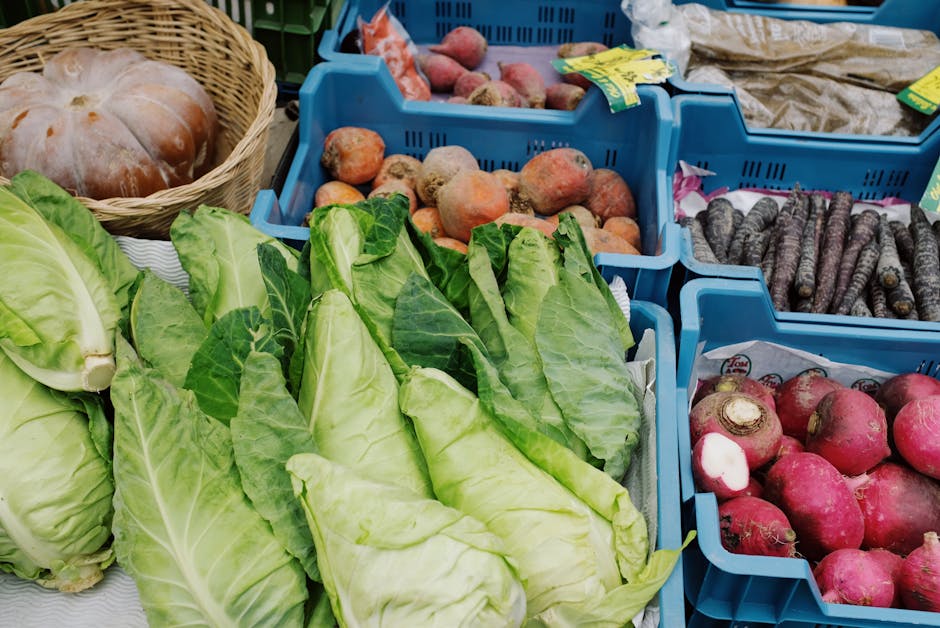
The best way to ensure quality is to bypass the middleman. Farmers’ markets are not just places to buy food; they are classrooms. Talk to the person who grew your food. Ask them which varieties are tasting best this week. A farmer knows exactly which patch of land produced the sweetest carrots and which row of peppers had the most sun. This insider information is the secret weapon of professional chefs. When you know who grew your food, you cook with more confidence because you know exactly what is going into your pan.
Understanding Organic and Sustainable Labels
While the label "organic" is a starting point, it is not the end-all-be-all of quality. Some of the best ingredients come from small farms that may not have the capital for expensive certifications but follow better-than-organic practices. Focus on biodiversity and soil health. Look for farmers who prioritize cover cropping and diverse planting, as these practices lead to healthier plants with more complex flavor profiles. Your culinary goals should be aligned with the health of the land; healthy soil invariably produces more vibrant food.
"The distance between the soil and the table is the measure of your meal’s potential. The shorter that distance, the more life you are bringing into your kitchen and onto your plate."
Conclusion
Mastering seasonal cooking is a lifelong pursuit, but it is one that will yield rewards with every single meal. When you stop fighting the calendar and start following it, your cooking will become more intuitive, more efficient, and undeniably more flavorful. You will spend less time trying to fix bland ingredients and more time highlighting the brilliant work that nature has already performed. This transition is not about restriction; it is about liberation. It is the freedom to work with ingredients that are ready to shine, requiring only a gentle hand and a bit of culinary technique to reach their full potential.
As you move forward, keep a seasonal log. Note which ingredients arrive when, how they behave under heat, and which combinations resonate with you and your family. By tracking your progress, you will begin to see patterns that go beyond simple recipes. You will start to understand the internal logic of the kitchen. Blame the chef all you want when things go wrong, but remember that the true artist is the one who understands that the kitchen is simply a stage for nature’s best work. Take the ingredients as they come, treat them with respect, and let the seasons dictate the menu. Your journey to culinary excellence starts with this single, fundamental shift: cook for the moment, and the flavors will follow.
Final Thoughts
We have navigated the cycles of the year, from the bright, punchy greens of spring to the deep, resonant comfort of winter. We have explored the importance of sourcing, the science of heat, and the necessity of listening to the produce. Throughout this, the overarching theme has been one of humility. The most sophisticated chefs in the world are not the ones who perform the most complex technical feats; they are the ones who know when to step back and let a perfectly ripened ingredient speak for itself.
Continue to practice these techniques: the blanching of spring, the searing of summer, the roasting of autumn, and the braising of winter. Each season is a new set of lessons, a new chance to refine your palate and sharpen your skills. Do not be afraid to fail, and certainly do not be afraid to change your plans at the last minute if you walk into the market and see something better than what you had envisioned. That, in essence, is the soul of a chef. Keep your knives sharp, your pans hot, and your eyes open to the changing landscape of your local market. Your best meal is always just around the corner, waiting for the right season to bloom.



Get the Next Recipe
Weekly recipes, techniques, and gear picks — straight to your inbox.
