
From Garden to Table: Growing Fresh Herbs for Maximum Flavor
Growing your own herbs is one of the most rewarding activities for any home cook. It’s an experience that brings you closer to the ingredients you use while ensuring the freshest flavors for your culinary creations. Imagine plucking a vibrant green basil leaf just moments before tossing it into a homemade marinara sauce or snipping a sprig of rosemary to enhance your roasted chicken. The garden is not merely a patch of greenery; it’s a gateway to flavor, freshness, and a new realm of cooking possibilities.
In this expansive exploration, we will delve into the delightful world of herb gardening, from choosing the right herbs for your culinary needs to nurturing them successfully. You don’t need a vast garden or professional skills to start growing your herbs; a small pot on your kitchen windowsill or a patch in your backyard can yield exceptional results. Herbs are remarkably forgiving plants, thriving under varied conditions with little care beyond regular watering and sunlight. They are also incredibly versatile, not only enhancing the taste of dishes but also contributing to health and wellness.
The beauty of growing your own herbs is the connection it fosters between the ingredients and the chef. It promotes a deeper understanding of the ingredients you use and inspires creativity in the kitchen. Having fresh herbs on hand cultivates a sense of confidence, allowing you to experiment with flavors and explore new recipes. In this blog post, we will be your guide as we cover everything from cultivation methods to various culinary applications, ensuring that your journey in herb gardening is both fruitful and flavorful.
Understanding the Basics of Herb Gardening
The Benefits of Growing Herbs
Growing your herbs comes with a bounty of benefits, the most significant being freshness. The moment you snip a leaf off your plant, it retains more oil and flavor than anything that has traveled miles to reach your grocery store. Fresh herbs have vibrant flavor profiles that enhance your dishes with their unique aromas and tastes.
Moreover, cultivating herbs at home allows for greater variety. You can grow specific types that may be challenging to find in stores or those that are seasonal. Additionally, it's cost-effective; a small investment in a few plants can save you money over time, especially if you regularly use herbs in your cooking.
Furthermore, growing your herbs can be therapeutic. Engaging with nature, nurturing plants, and watching them flourish can greatly improve mental health. It offers a form of mindfulness as you practice patience in waiting for your plants to grow and mature.
Choosing Your Herbs
When it comes to herb gardening, selecting the right varieties is essential for both flavor and ease of growth. Consider what herbs you frequently use in your cooking. Here are a few popular choices and their culinary applications:
Factors to Consider for Successful Growth
Before planting your herbs, consider the conditions in which they will thrive. Here are some essential factors:
“Growing herbs is about more than just the destination; it’s a journey of taste, scents, and satisfaction.”
Getting Started: Planting Your Herbs
Choosing the Right Containers
The container type can impact your herb growth significantly. Here’s what to consider:
Planting Methods
There are various methods to start your herb garden, and you can choose one depending on your preference:
- Start seeds indoors 6-8 weeks before the last frost or outdoors after the danger of frost has passed.
- Sow seeds as per the packet instructions, typically ¼ inch deep and spaced adequately.
- Choose healthy plants with vibrant green leaves.
- Transplant them from their nursery containers to your chosen pots, ensuring not to disturb their roots too much.
- Take a cutting of a healthy herb plant, removing the bottom leaves.
- Place it in a glass of water until roots form, then transplant it into soil.
Timing for Planting
Your herb garden will depend significantly on timing. Here are some general guidelines:
Your local climate may vary, so be sure to check frost dates specific to your area for optimal planting times.
Caring for Your Herbs
Watering Techniques
Maintaining the right moisture level is vital for healthy herb growth. Follow these tips:
Fertilizing Your Herbs
While too much fertilizer can harm your plants, a bit of nourishment can go a long way in promoting growth.
Pruning and Harvesting
Maintaining your herbs through pruning not only encourages growth but also helps you manage size and flavor concentrations.
“Taking the time to nurture these plants yields rewards beyond flavor—it's a commitment to quality in every dish.”
Pest and Disease Management
Herbs can fall victim to pests and diseases if not cared for properly. Here’s how to mitigate these issues:
Using Fresh Herbs in Your Cooking
Culinary Applications
Fresh herbs are incredibly versatile, enriching dishes with their natural oils and aromas. Here’s how to make the most of your herbs:
- To make herb-infused olive oil, combine 1 cup of olive oil with 1 cup of fresh herbs in a pot over low heat for about 30 minutes, then strain and store in a cool, dark place.
- Fresh cilantro atop a bowl of chili or a tangle of basil on a plate of pasta can draw the eye as well as impress the palate.
- For chimichurri, blend parsley, garlic, red pepper flakes, red wine vinegar, and olive oil for a zesty accompaniment to grilled meats.
- Add basil to sauces right at the end or sprinkle fresh thyme on roasted vegetables after they’ve come out of the oven.
Pairing Herbs with Ingredients
Understanding which herbs complement specific ingredients can take your dishes to new heights. Here are some classic pairings:
- Basil pairs well with chicken, fish, or mozzarella.
- Rosemary complements lamb, pork, and roasted vegetables.
- Parsley enhances the freshness of root vegetables.
- Dill goes beautifully with cucumber, potatoes, and eggs.
- Mint is perfect in sweet dishes but also pairs well with lamb.
- Cilantro provides a bright note to rich curries and spicy dishes.
Storing Fresh Herbs
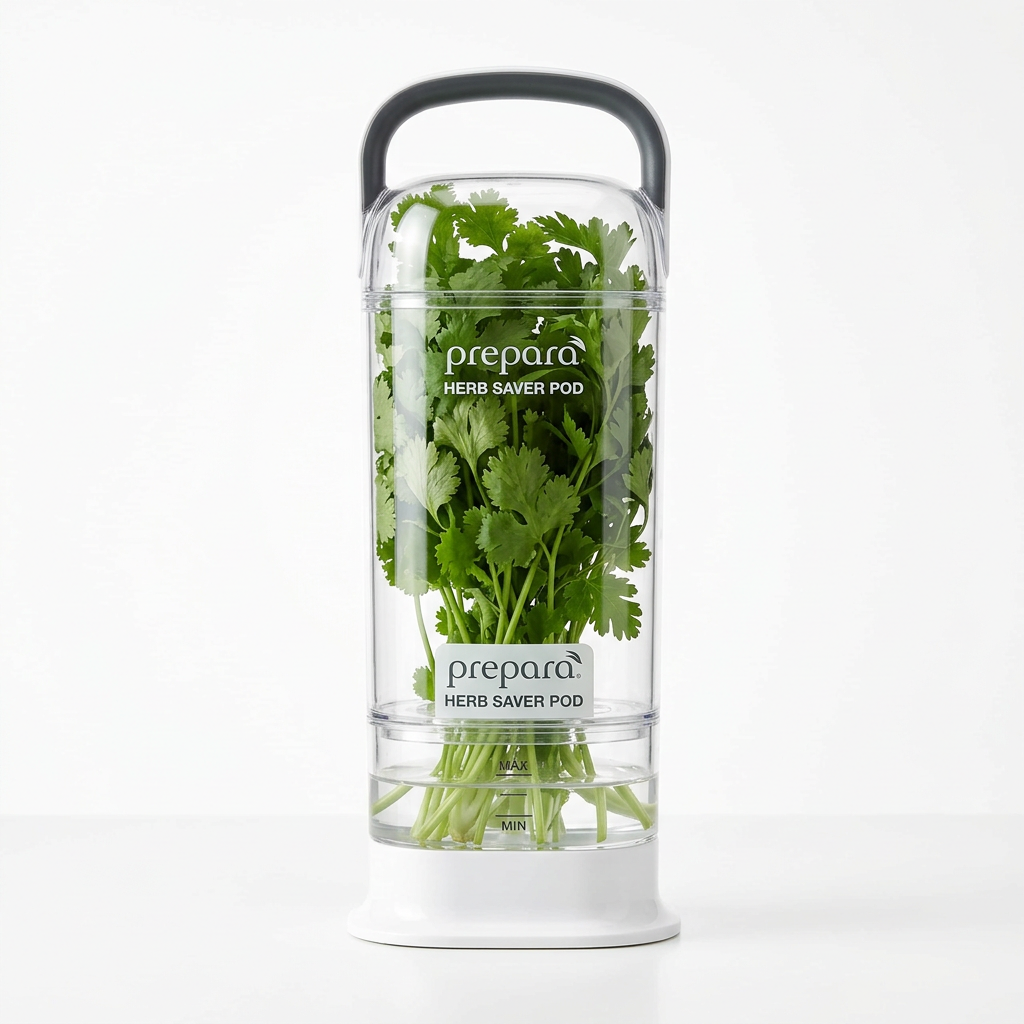
Even with the best intentions to use your herbs, sometimes they outgrow the kitchen. Here are effective ways to store them:
- Hang bundled herbs upside down in a warm, dry place for about a week, or use a food dehydrator.
Advanced Herb Gardening Techniques
For those who truly wish to elevate their herb gardening skills, consider some advanced techniques:
Hydroponic Herb Gardening
If you're short on space or desire faster growth, hydroponic gardening systems can yield impressive results. These systems grow plants in nutrient-rich water instead of soil, enabling faster growth cycles.
Indoor vs. Outdoor Gardening
Deciding between indoor and outdoor gardening has much to do with your available space, environmental conditions, and personal preference. Indoor herbs require strong light sources such as grow lights, while outdoor herbs thrive in natural sunlight.
Companion Planting with Herbs
Companion planting involves growing herbs alongside vegetables that benefit from each other. For example:
Conclusion
Growing fresh herbs at home is a straightforward yet rewarding venture that can elevate your cooking and enrich your culinary experiences. As you embark on this journey, remember to choose herbs that resonate with your palate. With careful nurturing, attention to their needs, and creativity in the kitchen, your herbs will flourish, providing you with an ever-ready supply of freshness and flavor.
Embrace the joy of gardening and cooking, and let your herbs shine on your dining table, each leaf telling a story of your diligent efforts and newfound culinary prowess. There’s something undeniably satisfying about knowing that the vibrant flavors of your dishes come from the plants you've nurtured right at home. So grab those pots, sow some seeds or take cuttings, and let the adventure begin.
Ultimately, the connection you cultivate with your herbs will transform not only your meals but also your passion for cooking. Happy gardening!
Get the Next Recipe
Weekly recipes, techniques, and gear picks — straight to your inbox.
