
From Garden to Table: Growing Herbs That Transform Your Cooking
There’s something enchanting about stepping outside to snip fresh herbs from your own garden, feeling connected to the earth, and enhancing your dishes with vibrant flavors. Whether you’re a seasoned chef or a budding home cook, growing your own herbs can transform your culinary adventures and elevate your cooking to new heights. Herbs can add depth, brightness, and a touch of personalized artistry to your meals, revealing just how magical simple ingredients can be when they are fresh and home-grown.
Imagine a sunny afternoon where you can stroll through your garden, inhaling the aromatic scents wafting from thyme, basil, and mint. The process of nurturing these plants, from tiny seeds to lush herbs, fosters a unique relationship between the gardener and their ingredients. This journey is about learning, patience, and rewarding experiences that extend far beyond the kitchen. The act of growing, harvesting, and then using these herbs in your cooking not only enhances flavors but also brings joy and satisfaction that store-bought herbs simply cannot match.
In this blog post, we’ll explore not just the technicalities of growing herbs in your garden, but the myriad ways they can enliven your cooking and inspire creativity. We will cover everything from selecting the right herbs for your needs, understanding their specific growing conditions, and harvesting techniques to effectively using them in daily meals. By the end of this journey, you will be eager to don your gardening gloves and jump into the world of herb cultivation, which can enhance both your culinary skills and your overall kitchen experience.
Choosing the Right Herbs for Your Garden
When it comes to creating an herb garden, the first step is choosing the right herbs suited for your culinary needs and local climate. Some herbs are versatile and can cater to various cuisines, while others shine brightly in specific culinary contexts. Consider the following factors when making your selection:
Culinary Versatility
Some herbs are all-stars in the kitchen, appearing in a variety of dishes, while others might be more specialized. Here’s a quick list:
If you're looking to maximize utility, opting for herbs like basil, parsley, and thyme is a smart choice. These staples can enhance everything from soups and salads to main courses and sauces.
Local Climate Considerations
Different herbs have varying preferences when it comes to sunlight, water, and temperature. Understanding your local climate is crucial in making the best choices:
Research the hardiness zones for your area and choose herbs accordingly. For example, if you live in a cooler climate, consider growing your herbs in pots that can be brought indoors during cold snaps.
Personal Preferences
Last but not least, don’t forget to grow the herbs you love to eat! Think about your favorite dishes and the herbs that elevate them. Are you a fan of Thai cuisine? Consider adding Thai basil, cilantro, and mint to your garden. Love Mediterranean flavors? Rosemary, oregano, and dill should be on your list.
Ultimately, the herbs you choose should reflect your cooking style and preferences. This personal connection adds a layer of enjoyment to your gardening and cooking experience.
Preparing Your Herb Garden
Once you've decided which herbs to grow, the next step is preparing your garden. Whether you have a sprawling backyard or a modest balcony, creating an optimal environment for your herbs is crucial.
Choosing the Right Location
Herbs need sunlight, so look for areas that get at least 6-8 hours of direct sunlight per day. If you’re gardening indoors, place your pots near south-facing windows or use grow lights to ensure adequate light.
Soil Quality and Preparation
Herb plants thrive in rich, well-draining soil. Consider the following preparation steps:
Composting
One of the best practices in preparing your herb garden is incorporating homemade compost. Compost adds essential nutrients to the soil and promotes healthy plant growth. Collect kitchen scraps like vegetable peels, fruit waste, and coffee grounds, and mix them with yard waste to create an enriching soil amendment.
Here’s how to start composting:
Planting Your Herbs
Now that your garden space is prepped and ready to go, it’s time to plant your herbs. The method you choose will vary depending on whether you’re starting from seeds or seedlings.
Starting from Seeds
Many herbs can be grown from seeds, but it typically requires a bit more attention. Here’s a simple step-by-step guide to sowing seeds:
- Fill seed trays or pots with seed-starting mix.
- Scatter seeds according to the packet instructions (generally 1-2 seeds per hole).
- Lightly cover with soil and water gently.
- Place under grow lights or near a window.
Planting Seedlings
If you've decided to buy seedlings from a nursery, here’s how to properly plant them:
Care After Planting
Once planted, your herbs will require care to ensure they flourish:
“A well-cared-for herb garden is a bountiful herb garden. Invest time, and you’ll reap the rewards.”
Harvesting Your Herbs
Harvesting herbs at the right time is crucial to obtaining the best flavors and aromas. Timing and technique play essential roles in this process.
When to Harvest
Herbs can generally be harvested once they are established and have multiple sets of leaves. Key points to consider:
Harvesting Techniques
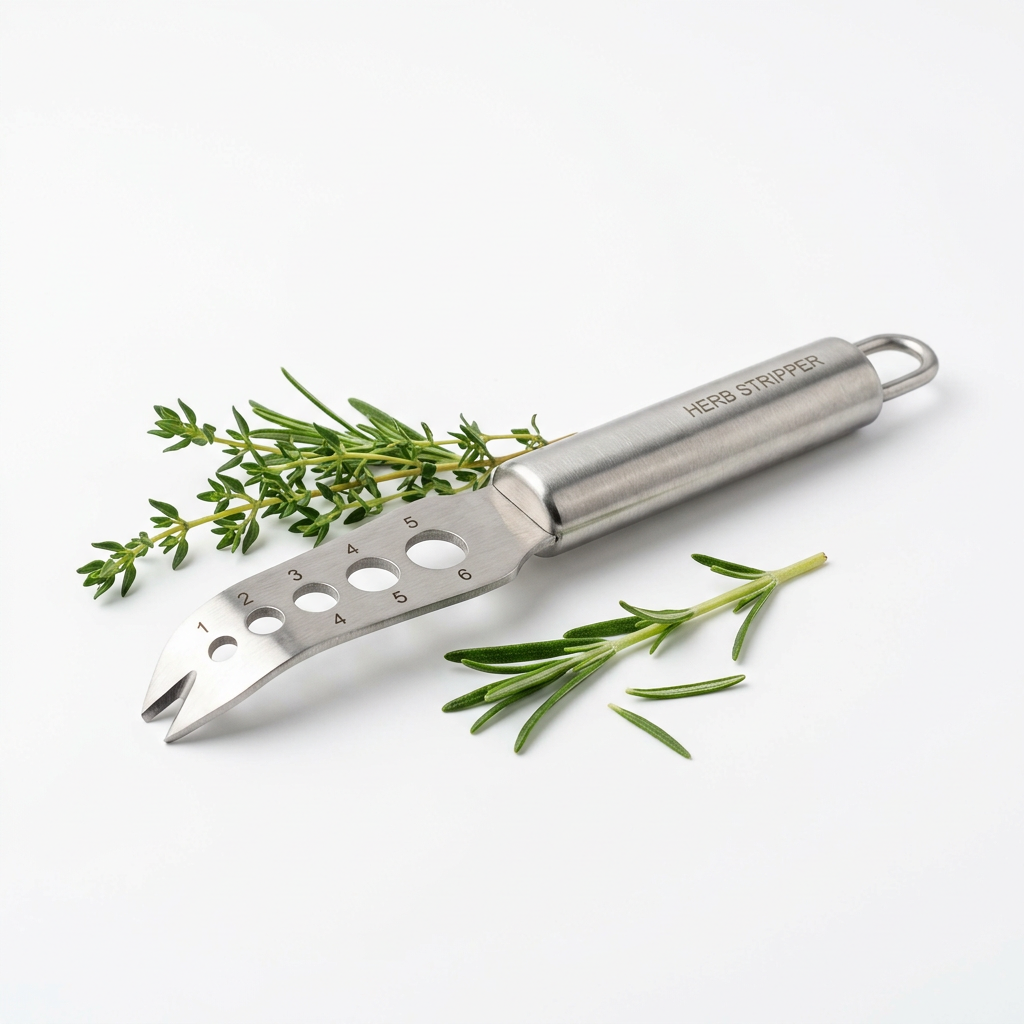
Use the right techniques to ensure your plants continue to thrive after harvesting:
Storing Fresh Herbs
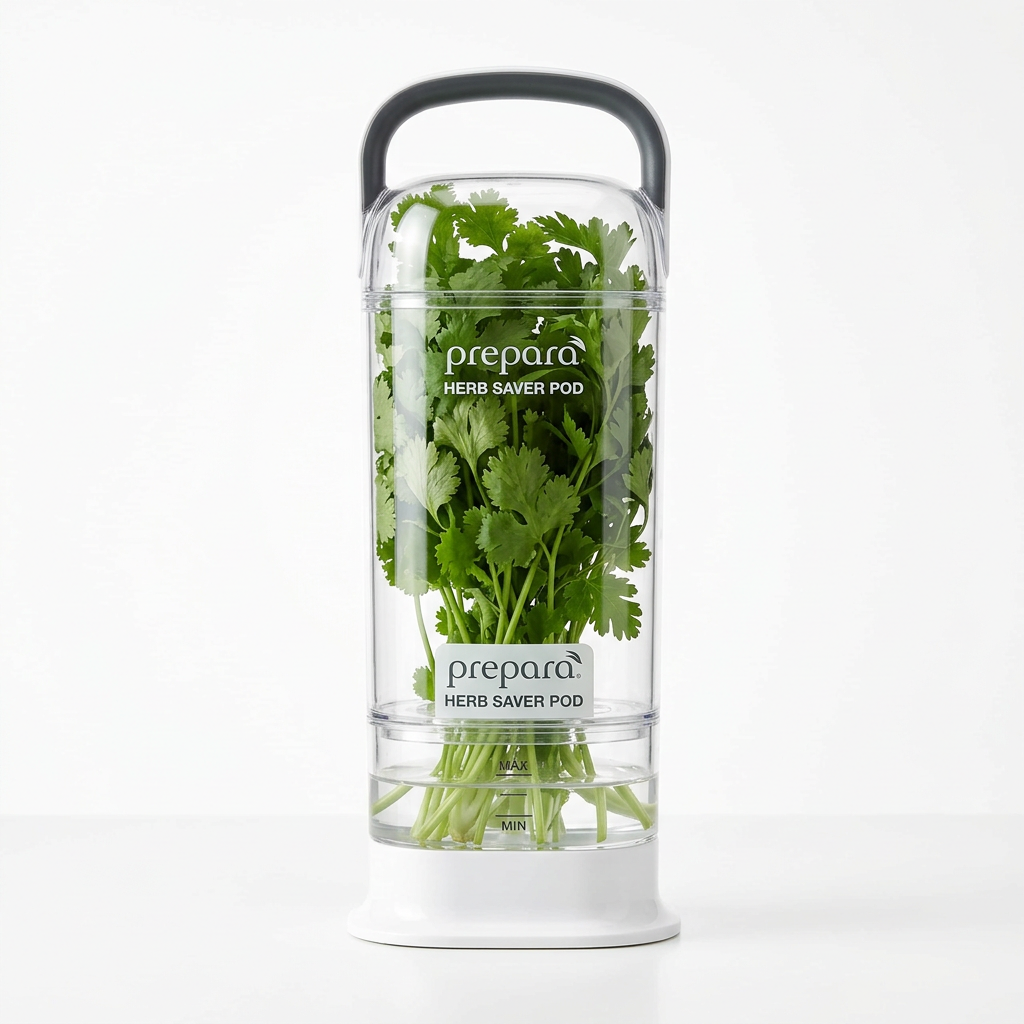
Once you harvest your herbs, storing them properly is key to preserving flavor:
Common Culinary Applications of Herbs
Now that you’ve grown and harvested your herbs, how can you integrate them into your cooking? The possibilities are endless, and understanding how to use herbs effectively will enhance your dishes dramatically.
Fresh vs. Dried Herbs
Cooking Techniques
Herbs can be used in various culinary techniques, enhancing everything from marinades to soups and stews:
“Herbs are a cook’s secret weapon. When used creatively, they turn ordinary meals into extraordinary experiences.”
Pairing Flavors
Understanding which herbs pair well with which foods can elevate your dishes significantly. Here are some classic pairings:
Creating a Culinary Herb Routine
Incorporating fresh herbs into your cooking shouldn't be a one-time endeavor. Establishing a routine can contribute significantly to your culinary journey and make this practice a part of your daily cooking habit.
Weekly Harvesting
Set aside time once a week to harvest and utilize your herbs. This could be a simple basil pesto for pasta dishes, fresh herb-infused oils, or just a handful of chopped herbs for your salads. By incorporating this practice, you routinely use what you’ve grown, maintaining the connection between your garden and your plate.
Seasonal Adjustments
As the seasons change, so will your garden and culinary needs. During warmer months, herbs like parsley, basil, and thyme can thrive. In fall and winter, focus on hardier herbs like rosemary and sage. Refresh your garden with cool-season herbs to keep your culinary options diverse throughout the year.
Experiment and Explore
Don’t shy away from experimentation! Try new recipes, explore diverse cuisines, and use different herbs. Whether it’s making a herb-infused butter for meats or adding a mix of herbs to a frittata, open yourself up to the culinary possibilities of your home-grown herbs.
Conclusion
Cultivating herbs in your garden is more than just a fun activity; it’s a gateway to elevating your culinary expertise and reveling in fresh flavors. You gain access to some of the finest ingredients right outside your door, the satisfaction of nurturing your plants, and the joy of crafting dishes rich in taste and creativity.
With careful planning, attention to your growing conditions, and a heart for experimentation, you can create an herb garden that thrives throughout the seasons. Incorporate the art of harvesting, culinary applications, and routine usage into your cooking practices, and you’ll soon discover that each meal becomes an enjoyable celebration of nature’s bounty.
Growing your own herbs allows you to enjoy them at their freshest and most flavorful, significantly enriching your cooking experiences and transforming ordinary meals into extraordinary dishes. So grab your gardening gloves, explore flavor pairings, and let your culinary imagination flourish!
With your knowledge, the right herbs, and a bit of effort, you’ll soon find yourself not just cooking meals but crafting delightful culinary experiences that are a celebration of home-grown herbs.
Get the Next Recipe
Weekly recipes, techniques, and gear picks — straight to your inbox.
