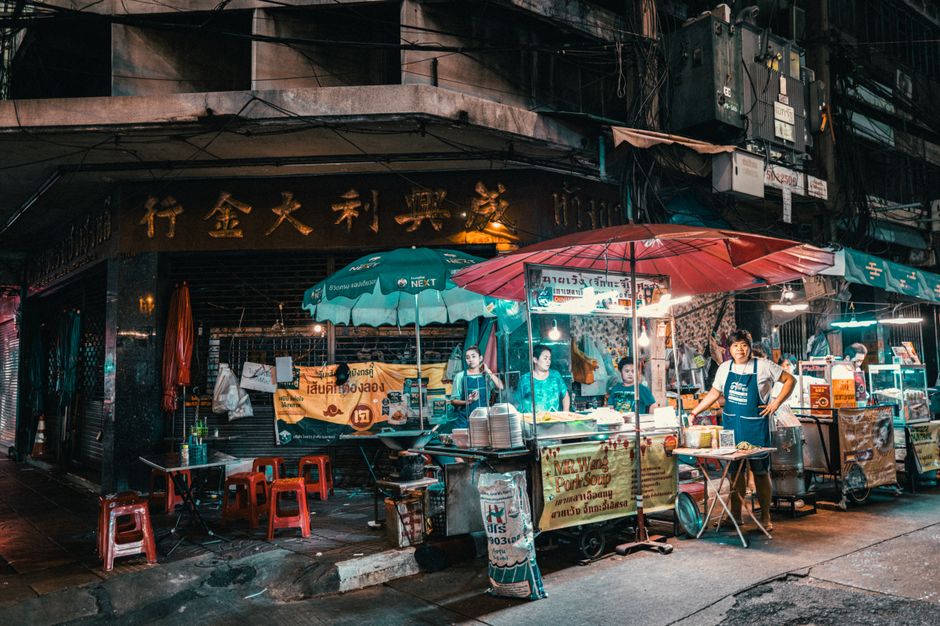
From Market to Table: A Deep Dive into Thai Street Food Culture
Thailand is renowned for its vibrant street food culture, a bustling tapestry of sights, sounds, and aromas that captivates locals and travelers alike. Walking through the streets of Bangkok or any other city in Thailand, one is soon treated to the enticing smells of grilled meats, aromatic spices, and simmering broths. Each vendor's cart tells a story—a unique blend of generations-old recipes and regional flavors. This allure draws food enthusiasts to the stalls and markets, resulting in a culinary scene that not only satisfies hunger but also transcends mere dining; it's an experience that connects community and culture.
Pivotal to understanding this phenomenon is the importance placed on fresh ingredients. Thai cooks fervently believe in sourcing produce and proteins locally, often visiting fresh markets multiple times a day. The result is an ever-evolving menu that adapts to seasonal availability—an embodiment of the phrase “farm to table.” Furthermore, the interactions at these stalls are as rich as the food itself, with vendors eagerly discussing their craft, the stories behind the dishes, and the ingredients. This engaging atmosphere fosters a sense of community, turning a simple meal into a social event.
As we delve deeper into the nuances of Thai street food culture, we will explore key ingredients, popular dishes, essential cooking techniques, and the unique dining etiquette that make this culinary world so captivating. With each dish, you will unlock the secrets that allow for a truly authentic Thai experience at home. The journey from market to table is paved with colorful ingredients, rich flavors, and expert techniques that can elevate any home cook’s repertoire.
Key Ingredients of Thai Street Food
Understanding Thai street food starts with its ingredients, which are key to achieving the robust flavors that define these dishes. Several staple ingredients form the backbone of Thai cuisine:
**Fresh Herbs and Spices**
Thai street food relies heavily on a variety of fresh herbs and spices. The most prominent include:
In addition to these, you will also often find:
**Proteins Sourced Locally**
Street food vendors typically use a variety of proteins, which may include:
**Starches that Comfort**
Starch plays a central role in Thai street food, serving as the perfect canvas for its vibrant flavors:
**Regional Variations**
It is crucial to understand that each region in Thailand has its distinct ingredients that reflect local preferences and agriculture:
The dynamic blend of these ingredients is what makes Thai street food not just a meal but a sensory celebration.
Popular Street Food Dishes
Street food in Thailand covers a broad spectrum of dishes, each rich in culture and history. Here’s an overview of some quintessential Thai street food items that you must try.
**Pad Thai**
One of the most well-known Thai dishes, Pad Thai is a stir-fried noodle dish that represents a harmonious blend of flavors:
- Soak rice noodles in warm water for about 30-45 minutes until pliable.
- Heat oil in a wok on medium-high heat and add protein of your choice, cooking until golden brown.
- Push the meat to the side of the wok, crack in eggs, and scramble.
- Add the soaked noodles, a touch of fish sauce, tamarind paste, and sugar; stir-fry until mixed and heated.
- Serve topped with bean sprouts, crushed peanuts, and lime.
**Som Tum (Green Papaya Salad)**
A refreshing and spicy salad, Som Tum embodies the essence of Thai flavors:
- In a mortar and pestle, crush garlic and chilies together.
- Add palm sugar and lime juice; mix until dissolved.
- Add shredded papaya and other ingredients, and gently pound to combine without breaking the papaya too much.
- Serve cold or at room temperature for the best flavor.
**Moo Pad Krapow (Stir-Fried Basil Pork)**
Moo Pad Krapow showcases the incredibly aromatic Thai basil combined with pork in a hot stir-fry:
- Heat oil in a pan over high heat and add minced garlic and chilies.
- Once fragrant, add ground pork and cook until no longer pink.
- Stir in soy sauce and oyster sauce.
- Remove from heat and stir in freshly torn Thai basil leaves just before serving.
**Khao Soi (Curry Noodle Soup)**
Originating from the north, this creamy curry noodle soup is a testament to the variety in Thai street cuisine:
- Boil noodles until al dente in salted water, then drain and set aside.
- In a pot, combine curry paste and a little oil, cooking until aromatic.
- Add coconut milk and bring to a gentle simmer.
- Mix in your choice of protein, cooking until fully done.
- Serve noodles topped with curry, garnished with pickled mustard greens and shallots.
Each of these dishes reflects the heart of Thai street food—simple yet deeply flavorful, with every ingredient working in harmony.
Cooking Techniques of Thai Street Food
To master Thai street food, it is essential to understand the cooking techniques that define this cuisine. Many of these methods are simple yet require practice to perfect.
**Stir-Frying**
One of the cornerstones of Thai cooking is the technique of stir-frying, usually done over high heat in a wok. Here’s how to do it right:
- Gather all ingredients before you start; mis en place is crucial in stir-frying.
- Cut ingredients uniformly for even cooking.
- Preheat the wok before adding oil; the temperature should be hot enough so that water droplets will evaporate immediately upon contact.
- Add oil, and swirl to coat the pan evenly. Use oils with a high smoke point such as canola or peanut oil.
- Start with aromatics like garlic and chilies, followed by protein.
- Add vegetables based on cooking time; denser vegetables like carrots go in before quick-cooking ones like leafy greens.
- Constantly stir to prevent sticking, ensuring everything is evenly coated.
- Use sauces sparingly to avoid a soggy dish; it's about layering flavor rather than drowning your ingredients.
Stir-frying is quick, and the balance of heat and timing is crucial to preserving the texture and flavor!
**Grilling Techniques**
Grilling is another beloved technique for various meats and vegetables in Thai street food, particularly with skewers:
- Marinate your meats preferably overnight for maximum flavor absorption.
- Use a balance of flavors in your marinade—think soy sauce, garlic, sugar, and vinegar.
- Use a charcoal grill for the best smoky flavor, heating it until coals are mostly covered with white ash.
- Skewers should be turned frequently for even cooking; maintain high heat but avoid direct flame to prevent charring.
- For chicken skewers, cook for about 10-15 minutes, turning often, until internal temperature reaches 165°F.
- For pork, look for an internal temperature of 145°F.
Grilling out in the open air, just like the street vendors do, adds an authentic flavor to your dishes that is hard to replicate indoors.
**Boiling and Simmering**
Many Thai soups and curries rely on simmering to develop deep flavors:
- Begin with a broth base; a simple chicken or vegetable stock is ideal.
- Add aromatics like onion, garlic, and things like lemongrass or galangal.
- Add ingredients in stages—start with proteins, bringing them to a boil, then lower the heat to simmer.
- Timing is imperative: softer veggies like spinach should be added last for about 2-3 minutes of cooking.
- Finish with fresh herbs and a splash of lime juice before serving to brighten the flavors.
Master these techniques to elevate your home-cooking game and bring authentic Thai street food to your kitchen.
Cultural Etiquette at Street Food Stalls
When enjoying Thai street food, understanding the local customs and etiquette adds layers to the experience and shows respect for the culture.
**Ordering and Payment**
Typically, ordering at a street food stall is a casual affair:
**Dining Etiquette**
Dining at a street food stall might differ significantly from restaurant norms:
"Eating is not just about filling the stomach; it's about engaging with the environment and community."
**Respect for Vendors**
Thai culture places great importance on respect and gratitude:
Engaging with vendors and other customers can lead to delightful conversations and insights into the food being served.
Cooking Thai Street Food at Home
Replicating the vibrant flavors of Thai street food at home is a rewarding endeavor. Here, we’ll discuss how to bring the essence of Thai markets into your kitchen.
**Creating an Authentic Atmosphere**
To cultivate an authentic experience while cooking, you can set the scene:
**Recreating Signature Dishes**
Let’s work through some signature dishes that you can start with:
- 3 cups chicken or seafood stock,
- 1 stalk lemongrass (smashed),
- 3-5 lime leaves,
- 5-7 Thai bird chilies, and
- adjustment of fish sauce and lime juice for seasoning.
- Simmer these ingredients for about 15 minutes, then add shrimp and mushrooms for an additional 5-7 minutes until cooked.
- Prepare sticky rice by soaking 1 cup of glutinous rice in water overnight. Drain and steam for about 30 minutes.
- While it steams, prepare a coconut sauce using coconut milk, sugar, and a pinch of salt; drizzle this over the sticky rice and top with fresh mango slices.
**Experimenting and Adapting**
Take creative liberties in your cooking. For instance, if a specific ingredient like Thai basil is difficult to find, substitute it with regular basil but adjust the flavor profile accordingly with more lime or chilies to maintain the essence of the dish.
"Cooking is a journey, and every dish is an opportunity for expression."
Tailoring recipes to suit your taste while striving for authenticity can lead to delightful culinary discoveries.
Conclusion
The essence of Thai street food culture lays not only in the dishes served but also in the communal experience it fosters. From fresh market ingredients to authentic recipes, each component plays a vital role in the creation of memorable meals. By understanding the techniques, key ingredients, and cultural etiquettes intrinsic to Thai cuisine, you can elevate your home cooking to a level that captures the spirit of Thailand’s bustling street food scene.
As you embark on your culinary journey, remember that each meal is an opportunity to build connections and explore flavors that transcends boundaries. Whether you're stirring up a pot of Tom Yum soup or mastering the art of stir-frying, there's much to learn and even more to enjoy. Embrace the vibrant world of Thai street food, and let your kitchen resonate with its aromas and flavors, creating not just dishes but lasting memories.
The journey from market to table is rich with tradition, flavor, and hospitality—let your own table be a tribute to this beloved culinary culture and a space where connections are fostered over shared meals.



Get the Next Recipe
Weekly recipes, techniques, and gear picks — straight to your inbox.
