
From Seed to Spice: The Journey of Saffron and Other Exotic Ingredients
Saffron, often regarded as the world's most expensive spice, adds not just a vibrant golden hue to dishes but also a complex, earthy flavor that transforms ordinary meals into extraordinary culinary experiences. The journey of saffron, from its delicate crimson stigmas to the kitchens of chefs worldwide, mirrors the stories of countless exotic ingredients that have traveled across cultures and continents. Delving into the origins and uses of these ingredients not only enhances our gastronomic knowledge but also enriches our appreciation for food. Exploring the depths of these spices encourages home cooks to experiment and elevate their cooking techniques, making every dish a testament to culinary artistry.
When we think about exotic ingredients, visions of beautifully packaged spices often come to mind, ready to be sprinkled into our stews or infused into our sauces. These elements are rarely simply bought and used—they represent rich histories and traditions. Saffron’s journey begins in fields where it must be harvested by hand, a painstaking process that demands patience and precision. Each flower yields only three threads of saffron, emphasizing the importance of quality over quantity. In this blog post, we will travel alongside this luxurious spice and explore other exotic ingredients, examining their origins, selections, flavor profiles, and culinary uses. By understanding where these ingredients come from, cooks can wield them in their kitchens with newfound respect and expertise.
As we embark on this flavorful exploration, let’s set aside preconceived notions about exotic ingredients being exclusively for high-end cuisine or professional kitchens. Many of these spices can be used in everyday cooking with ease and flair. From home-cooked meals to the elaborate dinner party, knowing how to incorporate saffron, cardamom, sumac, and other exotic spices into your dishes can transform your culinary repertoire. Let your creativity thrive in the kitchen, and remember, it often just takes a pinch of something exotic to make a meal unforgettable.
The World of Saffron: Origins and Harvesting
Saffron is a labor-intensive spice derived from the flower Crocus sativus, commonly known as the saffron crocus. This perennially blooming plant thrives in a variety of climates, but it’s predominantly cultivated in regions with a Mediterranean climate, such as Iran, Spain, and India. The spicy character and excellent flavor of saffron arise from its unique combination of chemical compounds, including picrocrocin (responsible for its flavor), crocin (which imparts its color), and safranal (which contributes to its aroma).
The Harvesting Process
The harvesting of saffron is a meticulous process that occurs in late summer or early autumn. Each saffron flower blooms for just a week, during which time the delicate, vibrant red stigmas need to be carefully plucked by hand. This must be done traditionally at dawn when the flowers open, ensuring that the stigmas retain their delicate structure and vivid color.
Key points during the harvesting process include:
Once harvested, the saffron must be carefully dried, usually in a shaded area, to preserve its vibrant color and flavor. Dried saffron can be stored for years without losing its aromatic prowess, but freshness is paramount for optimal flavor.
"A spice truly worth its weight in gold, saffron invites us into a world rich with history and flavor."
Flavor Profile and Culinary Uses of Saffron
The Taste of Saffron
The unique flavor of saffron is often described as earthy, slightly sweet, and grassy, with an unmistakable aromatic quality that elevates the simplest of dishes. It can impart a subtle complexity when paired with other spices and flavors, making it a versatile ingredient in both sweet and savory applications.
Cooking with Saffron
When utilizing saffron in your cooking, a little goes a long way. As a general guideline, you only need about 15-20 threads for most recipes to achieve an impactful presence. Here are some classic ways to incorporate saffron into your culinary repertoire:
Incorporating saffron requires some precision, especially regarding timing and temperature. For the best results, avoid boiling saffron threads directly, as this can cause flavor loss. Instead, always use it in tandem with low temperatures, allowing the flavors to develop gently.
Exploring Other Exotic Spices
1. Cardamom: The Queen of Spices
Regarded as the queen of spices, cardamom has an aromatic, slightly sweet and spicy flavor that can elevate both savory and sweet dishes. Originally from India and Sri Lanka, this pod contains tiny black seeds that pack an intense flavor punch.
#### Culinary Uses
To use cardamom, it's best to crush the pods to release the flavors effectively. Tip: A mortar and pestle works well for this, and the seeds can be used whole or ground.
"The beauty of cardamom lies in its versatility—whether in a dessert or a chai, it always shines bright."
2. Sumac: The Tart Delight
Sumac is a spice that lends a bright citrusy flavor to dishes, often used in Middle Eastern cooking. It comes from the berries of the rhus plant, dried and ground, presenting a beautiful crimson color.
#### Application in Cooking
Generally, about 1-2 teaspoons is sufficient for most uses, but adjust it according to your taste preferences. It pairs exceptionally well with yogurt and can enhance dips such as tzatziki.
3. Turmeric: The Golden Spice
Turmeric, noted for its vibrant yellow color and warm, earthy flavor, offers more than just a unique taste; it has been praised for its anti-inflammatory properties. Common in Indian cooking, turmeric lends a beautiful golden hue to curry dishes.
#### Cooking Tips
While cooking with turmeric, always bear in mind that it can stain, so handle it with care and be cautious of any plastic surfaces.
Spice Blends from Around the World
1. Ras El Hanout: North African Wonders
Ras el Hanout is a traditional North African spice blend that literally means "top of the shop," denoting the best spices available. The blend can vary significantly from one region to another but typically includes spices like cumin, cinnamon, cardamom, cloves, and nutmeg.
#### Culinary Uses
When creating your own blend, consider roughly using 2 tablespoons of each primary spice, along with a few additional spices to capture the essence of your preferred regional twist.
2. Garam Masala: The Essence of Indian Cooking
Garam masala is an essential Indian spice blend that varies by region but typically includes spices such as cinnamon, cardamom, cloves, and cumin. It is often added towards the end of cooking to retain the aromatic qualities.
#### Suggested Dishes
Garam masala usually works best when freshly ground; consider making small batches to retain potency.
Storing Exotic Ingredients
Proper Storage Techniques
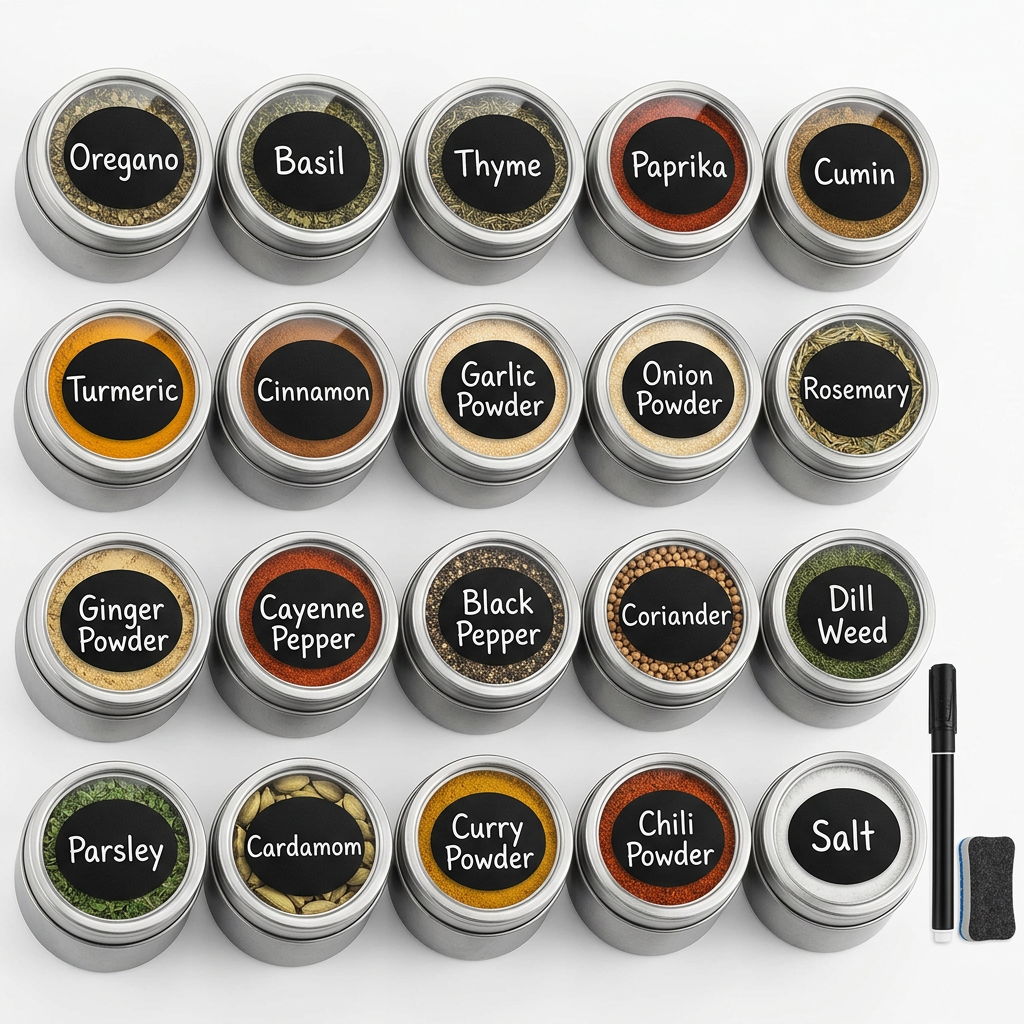
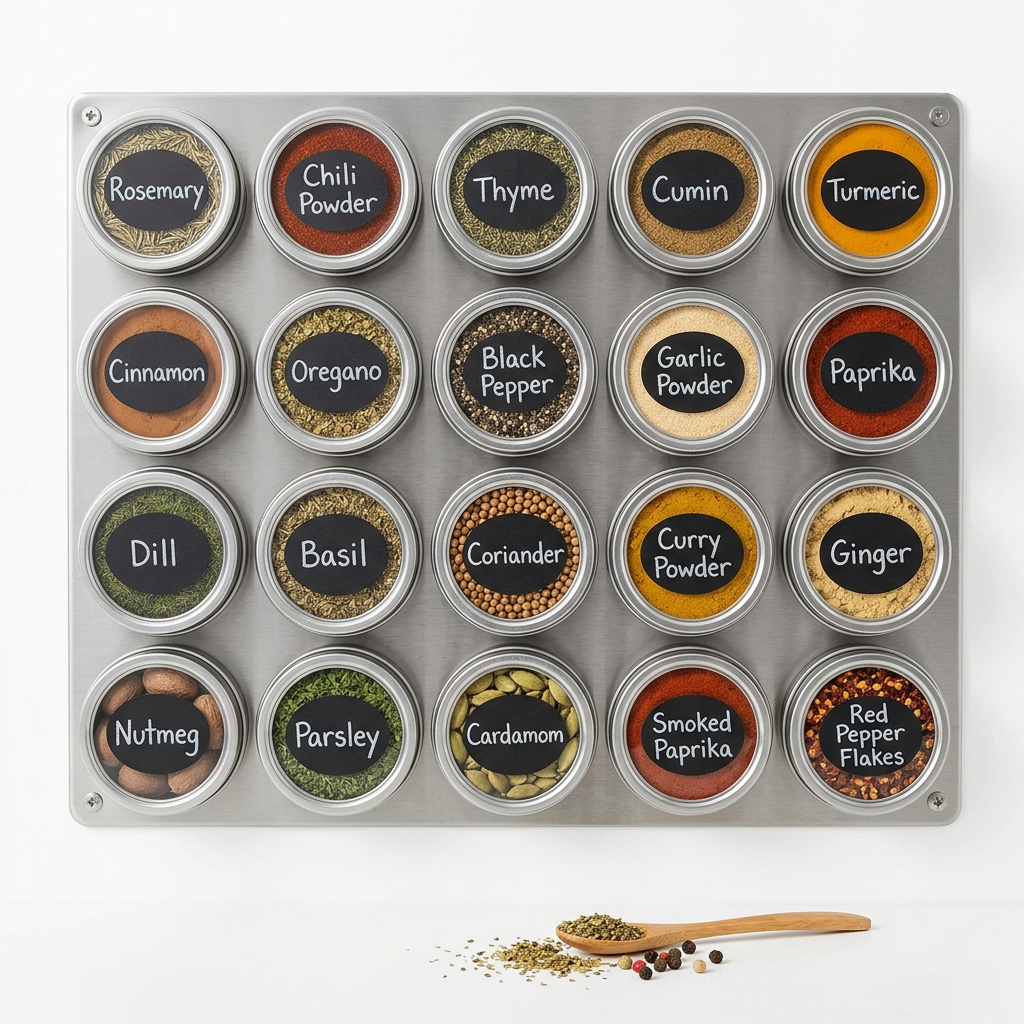
Exotic spices are not just culinary items; they are investments in flavor. Correct storage can significantly prolong their shelf life and preserve the flavors that make them special. Here are some storage techniques worth noting:
"The essence of spice is preserved not just in its cultivation but also through how we care for it after harvest."
Incorporating Exotic Ingredients into Daily Cooking
Everyday Use
One of the greatest pleasures of cooking with exotic ingredients is their ability to transform everyday meals into vibrant culinary experiences. Here’s how to start infusing exotic flavors into your cooking on a regular basis:
Cookbooks and Resources
There are countless resources available to help you dive deeper into the world of exotic ingredients. Some recommended cookbooks include:
Embarking on this journey not only enhances your palate but creates a deeper connection to food traditions worldwide.
Final Thoughts
The world of saffron and other exotic ingredients invites home cooks to explore, create, and elevate their culinary skills. Each spice carries a story, bridging cultures together and showcasing the beautiful diversity of global cuisine.
As we immerse ourselves in the knowledge of these flavorful heroes, we open the floodgates to creativity and innovation in our meal preparations. Trying just a pinch of spices can easily take your dishes from average to extraordinary. Embrace the bold flavors, experiment fearlessly, and most importantly, enjoy the journey of cooking. Your kitchen can be your studio, where each dish you create is not just a meal but an experience of taste, tradition, and love.
With every new spice, whether it be saffron, cardamom, or sumac, remember that the journey from seed to spice is a story worth telling—one that enhances our unity through food, flavor, and shared culinary traditions. Let’s get cooking!

Get the Next Recipe
Weekly recipes, techniques, and gear picks — straight to your inbox.
