
Global Spice Blends: Building Depth with Spice Mastery
Exploring the world of spices unlocks a remarkable realm of flavor, aroma, and food culture that transcends borders and helps to tell the story of a cuisine. Whether you are stirring up homemade curry, grilling marinated meats, or tossing a vibrant salad, a well-balanced spice blend can elevate your dishes into culinary masterpieces. By understanding and mastering various global spice blends, home cooks can impress their friends and family while also expanding their palate and cooking knowledge.
In every cuisine around the world, spices are the unsung heroes, often overlooked in the grand narrative of a dish. Not only does incorporating spice blends into your cooking enhance the overall flavor profile, but it also allows you to imitate traditional recipes or create a fusion of culinary styles. Freshness, balance, and layering are key aspects of developing a well-rounded spice blend, emphasizing the importance of not only understanding individual spices but also knowing how they interact with one another in a finished dish.
As we embark on this flavorful journey through spices, we will delve into various global spice blends, revealing their origins, typical uses, and how to recreate them in your own kitchen. From the earthy notes of Mexican adobo to the aromatic warmth of Indian garam masala, each blend comes with its own backstory and application. Here’s to diversifying your culinary repertoire and gaining a deeper appreciation for the planet’s rich culinary heritage through the lens of spices.
The Power of Spice: Understanding Flavor Profiles
Flavor Fundamentals
To create exceptional dishes, we must first grasp the basic flavor profiles that spices bring to the table. Each spice carries unique characteristics that can either complement or enhance the core flavors of your food. Traditionally, flavors are categorized into five basic types: sweet, sour, salty, bitter, and umami. Understanding how spices interplay with these tastes is crucial for any cook seeking to master their craft.
For example, spices like cinnamon and cardamom can introduce sweetness and warmth, while cumin and black pepper may add depth and earthiness. Sour notes can come from spices like tamarind or sumac, enhancing the freshness of dishes. The key to successfully utilizing these spices lies in balance; no singular category should overwhelm the dish. Sometimes, it’s the subtleties that create a symphony of flavors on the palate. Understanding how to balance these notes can make or break a dish.
A useful exercise for aspiring spice enthusiasts is to create their own flavor wheel. Begin by categorizing the spices you encounter and assigning them to one or more flavor profiles. Keep notes about which spices work well together and consider experimenting with various combinations in your cooking. This practice will sharpen your instincts for building harmonious dishes.
The Role of Aroma
The aroma of spices plays a crucial role in our overall tasting experience. Our sense of smell is intricately linked to taste, and many food experiences can be enhanced through aromatic spices. The essential oils that are released when spices are ground or heated release complex fragrances that stimulate our appetite.
To illustrate this, think of how cloves and cinnamon smell when brewing mulled wine; they evoke warmth and nostalgia. This interplay of aroma and taste is what makes discovering and creating spice blends a sensory adventure. Closer to home, roasting spices in a skillet before use can wake up dormant flavors and aromas, providing richness and vibrancy to any dish.
Moreover, roasting spices can intensify their flavors. Toaster ovens or dry skillets set to medium heat are ideal tools for this process. Imagine throwing coriander seeds or fennel seeds into a hot pan, shaking it gently until they become fragrant—this is the magic of cooking with spices. Follow this up with grinding them fresh to transform your spice game.
Spice Storage and Freshness
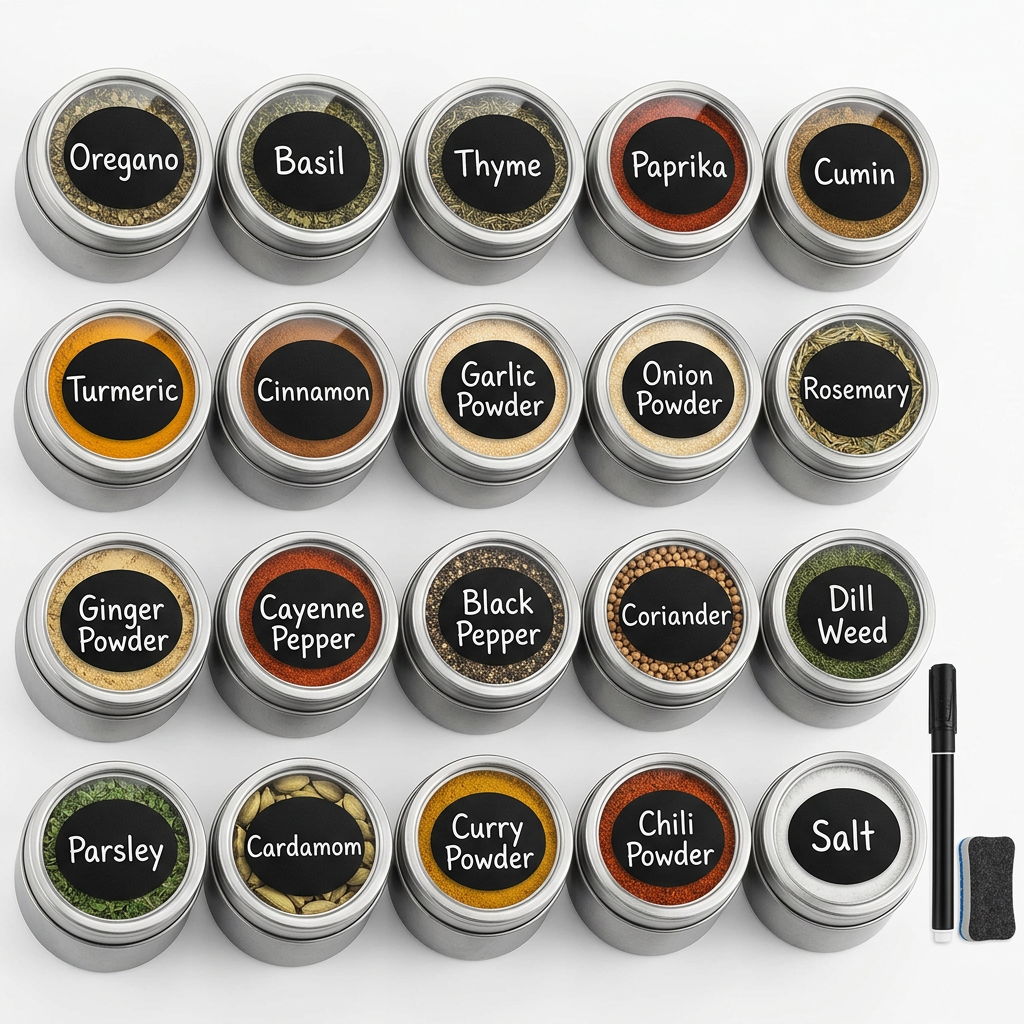
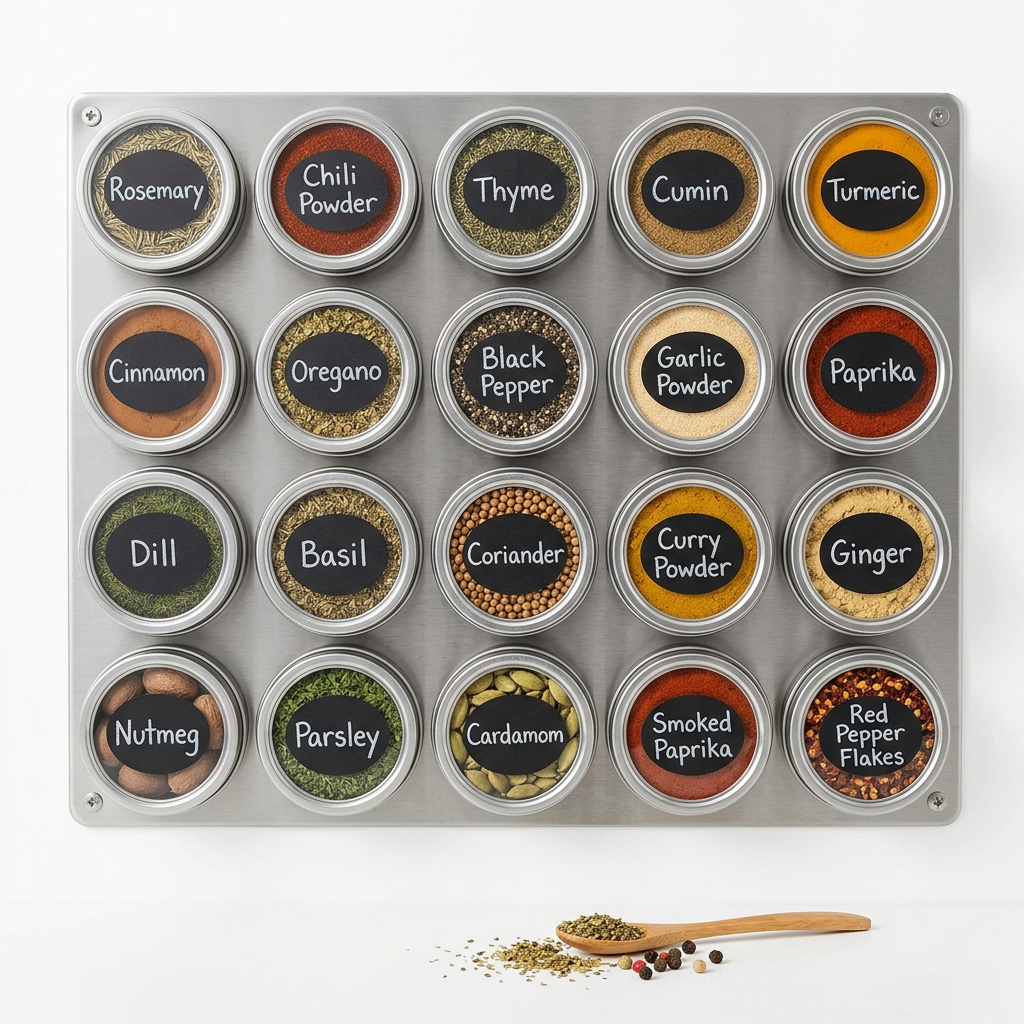
To fully appreciate spices, it’s imperative to consider their storage and freshness. The volatile compounds in spices can degrade over time, diminishing their flavors and aromas. Whole spices last longer than their ground counterparts, retaining more of their essential oils and potency.
#### Storage Tips:
Culinary Tip: Whenever possible, buy spices in bulk and in whole form. Grind them as you need them using a spice grinder or mortar and pestle for the freshest results.
By understanding the foundational elements of spices and developing your sensory awareness, you will be well-prepared to dive deeper into specific blends and how they can transform your cooking.
Discovering Global Spice Blends
Mexican Spice Blends
Mexican cuisine is a vibrant tapestry woven together by various regional traditions, each with its own signature spice blends. One notable blend is adobo, a versatile mixture that often combines paprika, garlic powder, cumin, and oregano. This earthy and aromatic blend works harmoniously with meats, vegetables, and even as a marinade.
Another beloved blend is mole, a more complex mixture that may include chiles, nuts, seeds, spices, and chocolate. The depth of flavor with mole comes from the layering of spices, traditionally prepared as a paste and simmered to develop richness. The use of dry-roasting both spices and chiles before blending can elevate the flavors even more.
#### Creating an Adobo Blend:
Here’s how to create your own adobo blend at home:
- 2 tablespoons paprika
- 1 tablespoon garlic powder
- 1 tablespoon onion powder
- 1 tablespoon dried oregano
- 1 teaspoon ground cumin
- 1 teaspoon ground black pepper
- 1 teaspoon salt
- In a bowl, combine all ingredients.
- Mix well to ensure even distribution.
- Store in an airtight container at room temperature.
Adobo can be used as a dry rub for meats or added to marinades. For an additional burst of flavor, mix it with citrus juices or oils before applying to proteins.
“The beauty of spice blends is in their versatility; they can adapt to a myriad of dishes, anchoring culinary traditions while encouraging creativity.”
Indian Spice Blends
Moving to South Asia, the diverse culinary panorama of India showcases an extensive array of spice blends. Attaining balanced notes of heat, sweetness, and warmth is evident in blends like garam masala and biryani spice mix. Garam masala, a prevalent mix in many Indian kitchens, varies by region but commonly includes cinnamon, cardamom, cloves, cumin, and coriander.
#### Crafting Garam Masala:
Garnering the flavors of India requires your own garam masala blend.
- 5 green cardamom pods
- 5 whole cloves
- 2-inch piece of cinnamon
- 2 teaspoons cumin seeds
- 1 teaspoon black peppercorns
- 1 teaspoon coriander seeds
- In a dry skillet, lightly toast all spices over medium heat until fragrant, about 2-3 minutes.
- Cool, then grind in a spice grinder until fine.
- Store in an airtight container, ideally in a dark cabinet.
Garam masala is often added at the end of cooking to maintain its aromatic characteristics. Try using it in stews, curries, or sprinkled over roasted vegetables for a punch of flavor.
“A proper blend encapsulates generations of tradition, providing home cooks a gateway to world-class flavors in their kitchen.”
Middle Eastern Spice Blends
The Middle Eastern region presents a variety of spice blends that reflect its rich history and diverse cultures. Za’atar and baharat are two prominent examples. Za’atar can vary by region, typically balancing thyme, sumac, sesame seeds, and salt. It offers a fresh, tangy flavor perfect for a range of dishes.
Baharat, on the other hand, is a warm and aromatic blend often used in meat dishes and stews. Varieties exist, but a standard mix includes black pepper, coriander, paprika, and cloves. The blend serves to season dishes without overpowering, allowing the key ingredients to shine through.
#### Mixing Za’atar:
To prepare your own za’atar blend:
- 2 tablespoons dried thyme
- 1 tablespoon sumac
- 1 tablespoon sesame seeds
- 1 teaspoon salt (adjust to taste)
- Combine all ingredients in a bowl and mix well.
- Store in a dark, cool place for peak freshness.
Za’atar can be sprinkled over vegetables, used as a seasoning for meats, or mixed with olive oil for a delightful dipping sauce.
Southeast Asian Spice Blends
As you explore Southeast Asia, you’ll encounter the enchanting flavors of Thai curry pastes and Indonesian rendang spice mixes. Both highlight the balance of sweetness, heat, and sourness created by fresh herbs and spices. The chili paste used in Thai cooking can vary in heat and complexity, while rendang is known for its deep richness brought about by spices simmered in coconut milk.
#### Creating a Thai Red Curry Paste:
- 5-10 dried red chili peppers (adjust based on heat preference)
- 4 shallots
- 4 cloves of garlic
- 2 stalks of lemongrass
- 1-inch piece of galangal or ginger
- 2 teaspoons cumin seeds
- 2 teaspoons coriander seeds
- Salt to taste
- Soak dried chilis in hot water until soft (about 15 minutes).
- Blend all ingredients together until a smooth paste forms. Add a little water if needed.
- Store in an airtight container in the fridge for up to one month or freeze for longer shelf life.
This paste can be the base for warming Thai curries, adding vibrant flavor to any protein or vegetable dish.
Enhancing Techniques with Spice Mastery
Dry-Roasting and Blooming
Dry-roasting specific spices before using them in a blend can make a world of difference. The process of dry-roasting enhances flavor through the Maillard reaction while releasing essential oils. This technique works particularly well with whole spices, like cumin seeds, fennel seeds, and black peppercorns.
#### How to Dry-Roast:
Consider the difference in taste when using freshly roasted spices versus those purchased pre-ground. The latter often lacks depth and complexity.
#### Blooming Spices:
Another technique to master is blooming spices in hot oil when cooking, especially in recipes with spices at the forefront, such as curries or stir-fries. Here’s how to bloom:
This sizzling method releases the compounds and flavors locked within the spices.
Spice Pairing Tips
Understanding which spices complement each other is essential for mastery in the kitchen. Here is a list of some excellent spice pairings to consider:
By taking risks and experimenting with different pairings, feel free to record your discoveries in a cooking journal for future reference.
Conclusion
In your journey through global spice blends, it’s essential to recognize the cultural significance of these mixtures, which encapsulate history, tradition, and a boundless array of flavors. You are not just merely cooking; you are engaging in a culinary expedition woven into the very fabric of humanity.
As you incorporate these spices and techniques into your cooking, remember to embrace the nuances of flavor and aroma. Experiment freely, and let the spices guide your culinary creations. The beauty of spices lies in their adaptability; they can enhance everyday meals or transform ordinary dishes into unforgettable feasts.
Whether you are preparing a simple weeknight dinner or an elaborate celebration meal for loved ones, spice master and aficionado await within you. No dish is too humble to benefit from the thoughtful application of the spice blends we’ve explored. So gather your spices, unleash your inner chef, and let the world of flavors inspire your culinary adventures.
Your kitchen can become an aromatic sanctuary of spices that intrigues, delights, and nourishes both your body and soul. Keep experimenting, tasting, and uncovering the layers of flavor that await you. The journey into the land of spices has only just begun.
Get the Next Recipe
Weekly recipes, techniques, and gear picks — straight to your inbox.
