Guide to Building a Spice Cabinet
Building a well-stocked spice cabinet is essential for any culinary enthusiast looking to take their cooking from ordinary to extraordinary. Spices are often the secret ingredient that can elevate a dish, transform flavors, and excite the palate. When you have a thoughtfully curated selection of spices at your fingertips, your cooking becomes a canvas where you can paint complex flavors, aromas, and textures. The depth of a well-crafted meal lies not just in its main components but also in the subtleties of spices that create balance and harmony in your dishes.
For many home cooks, the journey to spice mastery can feel overwhelming, especially given the myriad of spices available in stores. From earthy cumin to fragrant cardamom, understanding their unique profiles and how to use them can seem daunting. Yet, the art of building a spice cabinet is as rewarding as it is educational. With the right approach, a little research, and direct experience, you can gain not just a collection of spices but also the confidence to enhance your culinary creations. Whether you are looking to make a comforting stew or a sophisticated sauce, knowing how to utilize your spices effectively is the key to success.
This guide will walk you through the process of building the ultimate spice cabinet, tailored to both beginners and seasoned cooks alike. We will explore essential spices, how to store them, principles of blending, and how to experiment with different flavor profiles. This journey will not only enhance your arsenal of kitchen tools but also supercharge your creativity in the culinary arts. Allow this guide to be your foundation for exciting culinary adventures as you learn to mix, match, and create with your spice cabinet.
Understanding Spices: An Overview
When embarking on the journey of building your spice cabinet, it’s crucial to understand what spices are and how they differ from herbs. While herbs come from the leafy parts of plants, spices are derived from other plant parts—roots, seeds, bark, and fruit. Their concentrated flavors enable them to transform simple ingredients into dishes that sing with complexity.
The Importance of Freshness
One important factor that many cooks overlook is the freshness of spices. Over time, spices can lose their potency, flavor, and aroma. As a rule of thumb, ground spices should ideally be consumed within six months to a year, while whole spices can last for up to three to four years if stored properly. To ensure that your spices maintain their vibrant flavors, consider buying whole spices and grinding them as needed. This not only enhances the aroma but also the vibrant taste of your dishes.
"A fresh spice is like a fragrant story waiting to be told in your kitchen; let it speak for your dish."
Choosing the Right Spices
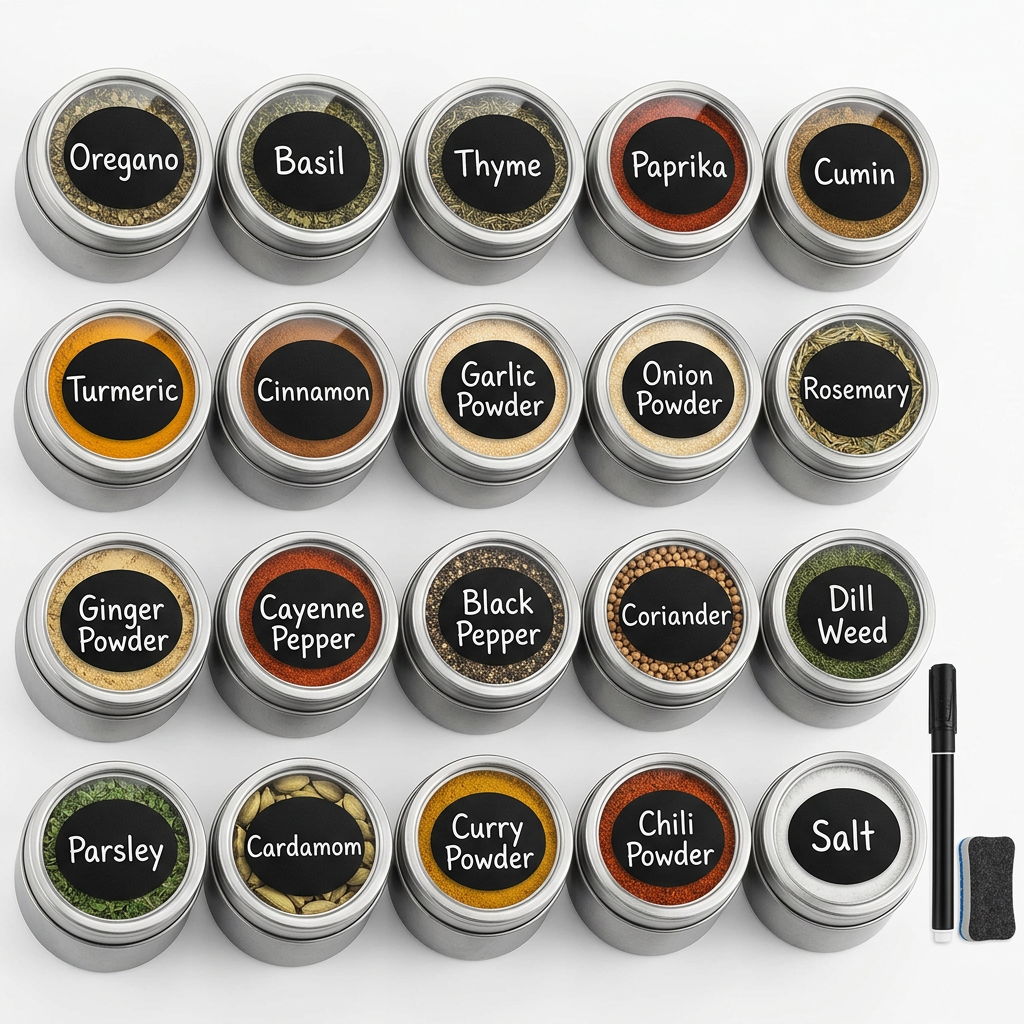
As you begin to curate your collection, it's wise to consider what spices are most commonly used in your preferred cuisines. For example, if you lean toward Italian cooking, spices like oregano, basil, and rosemary will be essential. Conversely, if Indian cuisine speaks to your palate, then you might prioritize turmeric, coriander, and cumin. To assist you in your selection, here’s a basic list of essential spices to consider incorporating into your spice cabinet:
Starting with these fundamental spices provides a versatile base from which you can explore and expand your culinary repertoire.
Storing Your Spices
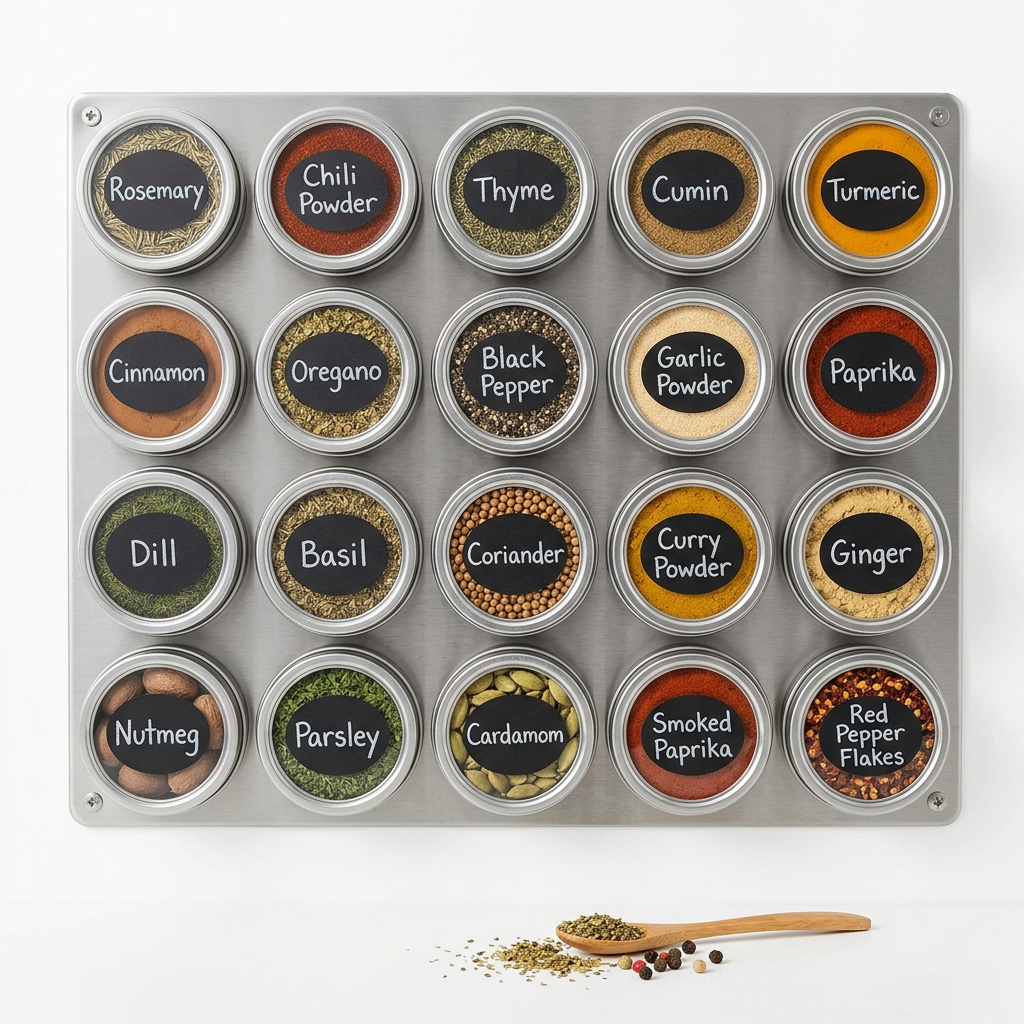
A well-organized spice cabinet not only looks appealing but also improves accessibility and retains the freshness of your spices. Proper storage techniques can significantly enhance the longevity of spices while also creating a seamless cooking experience in the kitchen.
The Ideal Containers
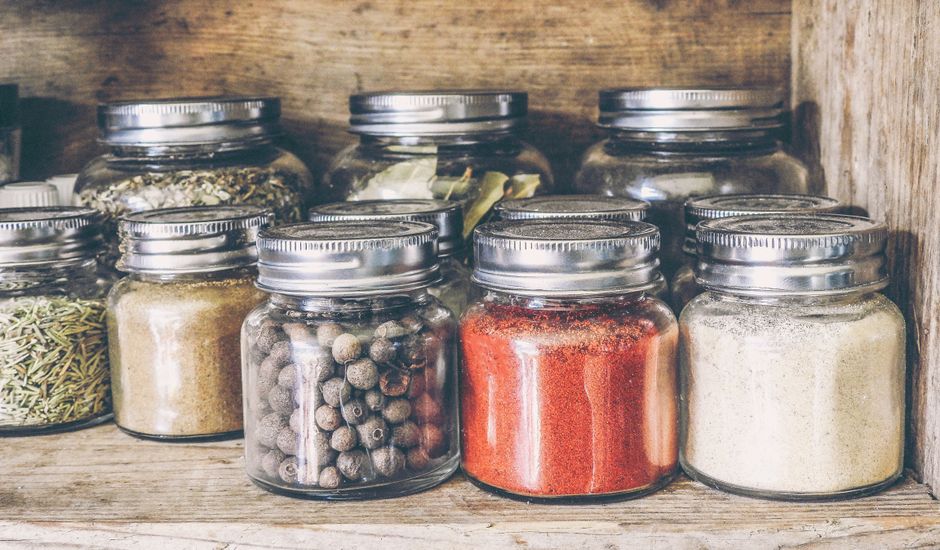
When selecting containers for your spices, make sure to choose airtight, opaque jars that protect from light, air, and moisture. Glass jars are a popular choice since they allow you to see the spices while keeping their content protected. Additionally, consider labeling them with the name and date of purchase to easily track freshness.
Organizing Your Space
Consider organizing your spices in a manner that suits your cooking style:
Regardless of the system you choose, ensure that your spice cabinet is located in a cool, dark place away from heat sources like stoves, which can cause degradation.
"An organized spice cabinet is a passport to culinary creativity; simplicity in chaos is the key to flavorful cooking."
Essential Spices in Depth
Now that you have a grasp of the importance of spices and how to store them, let’s delve into the essential spices more thoroughly. Each one has its own unique flavor profile and uses that can significantly alter the character of your dishes.
Black Pepper
Black pepper is called the "king of spices" for good reason. This spice adds heat and depth to a multitude of dishes, from savory to sweet. It is harvested from unripened berries of the pepper plant and can be used whole or ground. For the most robust flavor, consider investing in a pepper mill to grind peppercorns fresh before use.
Cumin
Cumin has a distinctive earthy flavor that is crucial in many cuisines, particularly Indian, Middle Eastern, and Mexican. Available in both whole seeds (which provide a stronger aroma) and ground form, cumin enhances the depth of stews, curries, and spice blends.
Cinnamon
Cinnamon is a warm and fragrant spice cherished in both sweet and savory applications. It comes in several varieties, with Ceylon (also known as true cinnamon) being the most preferred for its delicate flavor. Ground cinnamon is often used in baking, while whole sticks are excellent for infusions.
Paprika
Paprika is derived from dried peppers and is characterized by its vibrant color and sweet flavor. There are several types of paprika, including sweet, smoked, and hot. Each has its nuances, bringing a different profile to your meals.
Turmeric
Turmeric is celebrated for its striking yellow color and is a staple in Indian cuisine. Its peppery, bitter flavor offers warmth and depth, along with numerous health benefits, including anti-inflammatory properties.
Garlic Powder
For those who love the aroma and flavor of garlic but don't always have fresh garlic on hand, garlic powder is a great alternative. It adds an instant burst of flavor and is particularly useful in seasoning blends.
Oregano
Oregano is a beloved herb in Mediterranean cooking, known for its strong aroma and flavor. Available in fresh and dried forms, it is often used in Italian and Greek dishes.
Creating Your Own Spice Blends
Once you have a strong selection of spices, consider experimenting with making your own spice blends. Creating unique spice mixes allows you to tailor flavors to your preferences and explore international cuisines without the need for numerous individual spices.
The Basics of Blending
When creating spice blends, start with a base of a dominant spice that will lead the flavor profile. From there, you can build complexity by adding complementary spices. Here’s a simple method to begin:
Some Popular Spice Blends
Experimentation is key—don’t be afraid to adjust ratios to suit your taste.
"Creating your own spice blends is like composing a melody; it invites creativity and allows your palate to guide the way."
The Role of Spices in Cooking Techniques
A thoughtful approach to incorporating spices can elevate your cooking techniques. Understanding how to use them in various preparations is crucial to unlocking their full potential.
Sautéing
Sautéing is an excellent method for developing flavors through spices. By infusing oils with spices, you can enhance the dish’s overall taste.
Roasting
Roasting brings out the natural sweetness of vegetables and can intensify the flavors of spices.
Braising
Braising utilizes liquid cooking and typically benefits from spices that enhance richness.
Culinary Adventures: Exploring Global Spice Uses
Now that you have a solid foundation in spice selection and usage, let’s take a culinary tour of some global cuisines, showcasing how different cultures utilize spices to create iconic dishes.
Indian Cuisine
Indian cuisine relies heavily on an array of spices, often in combination to build complex flavors. Popular spices include turmeric, cumin, coriander, and garam masala. A classic dish, Butter Chicken, is lovingly marinated in yogurt and spices, providing layers of flavor upon cooking.
Middle Eastern Cuisine
Middle Eastern dishes feature spices like sumac, za’atar, and cinnamon. A dish like Muhammara, a spicy red pepper and walnut dip, showcases the richness of spices through roasted red pepper, walnuts, garlic, and a blend of spices that create a delightful depth.
Mexican Cuisine
Mexican food is vibrant, with spices such as chili powder and cumin taking center stage. Dishes like Tacos al Pastor blend marinated meat cooked with fragrant spices to produce mouth-watering flavors that can transform a simple corn tortilla into something memorable.
Conclusion
Building a spice cabinet is an enriching journey that can significantly enhance your culinary skills and confidence. Through understanding the intricacies of spices—from their origins to their flavor profiles and storage tricks—you place yourself on the path to becoming a more inspired and creative cook. By experimenting with spice blends and culinary techniques, the kitchen transforms from a mere food preparation space into a vibrant arena of flavor exploration.
Don’t hesitate to let your tastes guide you as you curate your collection of spices. Embrace the adventure of learning how to use them in your cooking and remember that the kitchen is as much about joy and discovery as it is about eating. Each time you sprinkle a pinch of this or a dash of that, you are writing a story—one filled with experiences, memories, and sensations that celebrate the art of cooking.
As you advance in your culinary journey, your spice cabinet will not only become a testament to your exploration but also a source of creativity that invites you to play, discover, and share flavors that resonate with your heart and palate. Happy cooking!
Get the Next Recipe
Weekly recipes, techniques, and gear picks — straight to your inbox.
