Guide to Cooking with Cast Iron
Cooking with cast iron is a culinary tradition that spans generations, embodying resilience, versatility, and a unique flavor-enhancing capability. As many home cooks know, the magic of cast iron cookware lies not only in its ability to withstand high temperatures but also in its capacity to develop a natural non-stick surface over time. For those who might be new to the world of cast iron, it can appear a bit daunting at first, yet with proper guidance, it can easily become a cherished tool in your cooking arsenal. Understanding the nuances of cast iron not only boosts your cooking skills but can also transform the very way you approach food.
One of the greatest appeals of using cast iron is its ability to retain heat. This characteristic makes it perfect for even cooking, whether you are searing a steak or baking bread. Cast iron skillets, Dutch ovens, and griddles are not just for traditional uses; they can seamlessly transition from stovetop to oven to grill. Furthermore, once you learn how to care for your cast iron properly, your pieces can last a lifetime and only improve with age. Learning how to season, clean, and maintain your cookware will ensure that you can harness its full potential.
Moreover, the unique property of cast iron cookware is that it can impart a subtle, distinctive flavor to dishes, which can enhance the overall culinary experience. It’s no wonder that many professional chefs swear by their cast iron pans for everything from sautéing vegetables to deep-frying dishes to perfection. This blog will provide you with an in-depth guide to cooking with cast iron, including historical context, types of cast iron cookware, techniques, recipes, and tips to master the art of utilizing this centuries-old cooking method effectively.
Understanding Cast Iron Cookware
The History of Cast Iron
Cast iron cookware has a rich history that can be traced back to ancient China over 2,000 years ago. Initially made using a technique called “molding,” cast iron pots and pans became popular in Europe during the 18th century. Their heat retention and distribution properties quickly caught on, making them favorites among chefs and home cooks alike. By the 19th century, cast iron became synonymous with American cooking, with iconic brands such as Lodge and Griswold leading the industry.
The rise of cast iron cookware occurred alongside the industrial revolution, which allowed for the mass production of these durable pots and pans. These pieces were primarily cast from recycled iron, which made them affordable and accessible for household cooking. Historically, the versatility of cast iron cookware was profound; it could be used to cook over an open fire, on stovetops, and in ovens, making it invaluable to households across socio-economic classes.
Today, while modern cooking equipment has become more sophisticated, cast iron has maintained its status in kitchens for its unmatched durability and ability to create culinary masterpieces. It reminds us of the simplicity and authenticity of cooking, making it not just a tool, but a companion in the culinary journey.
Types of Cast Iron Cookware
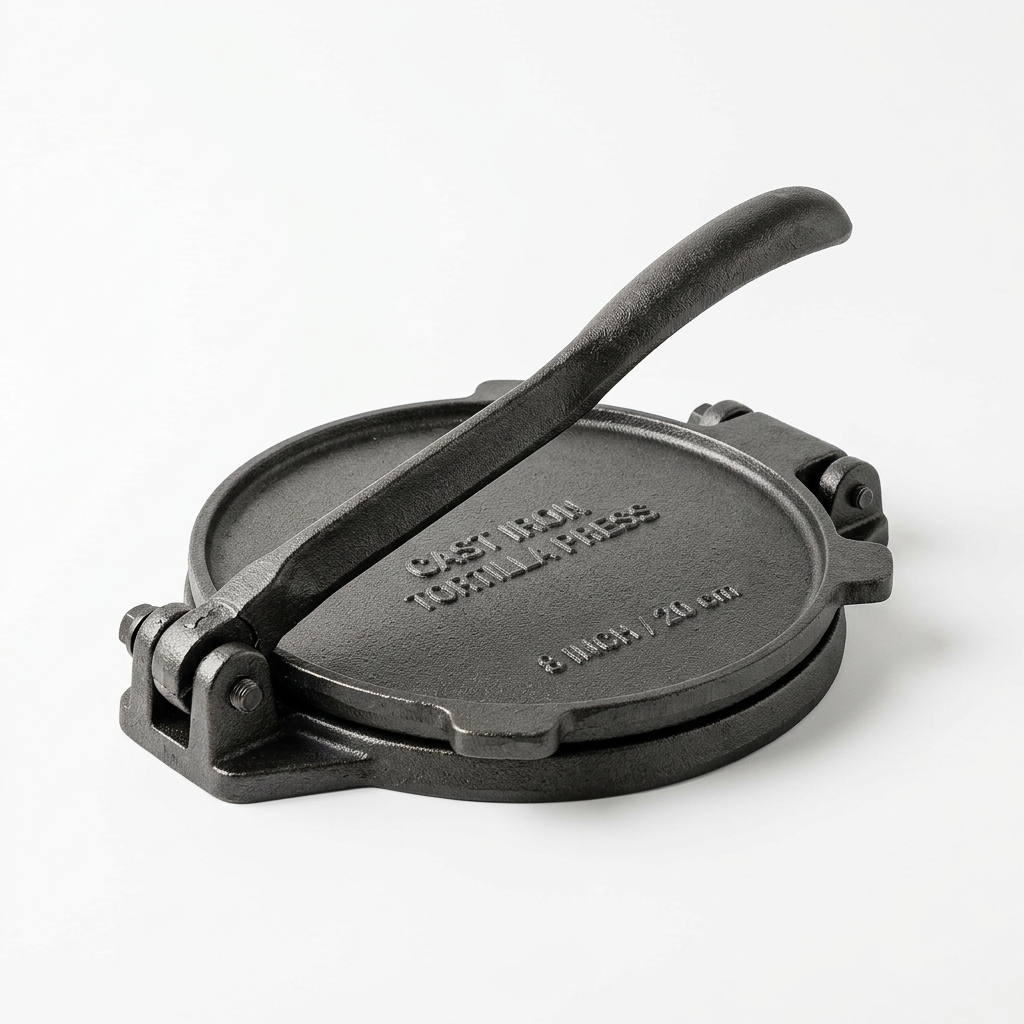
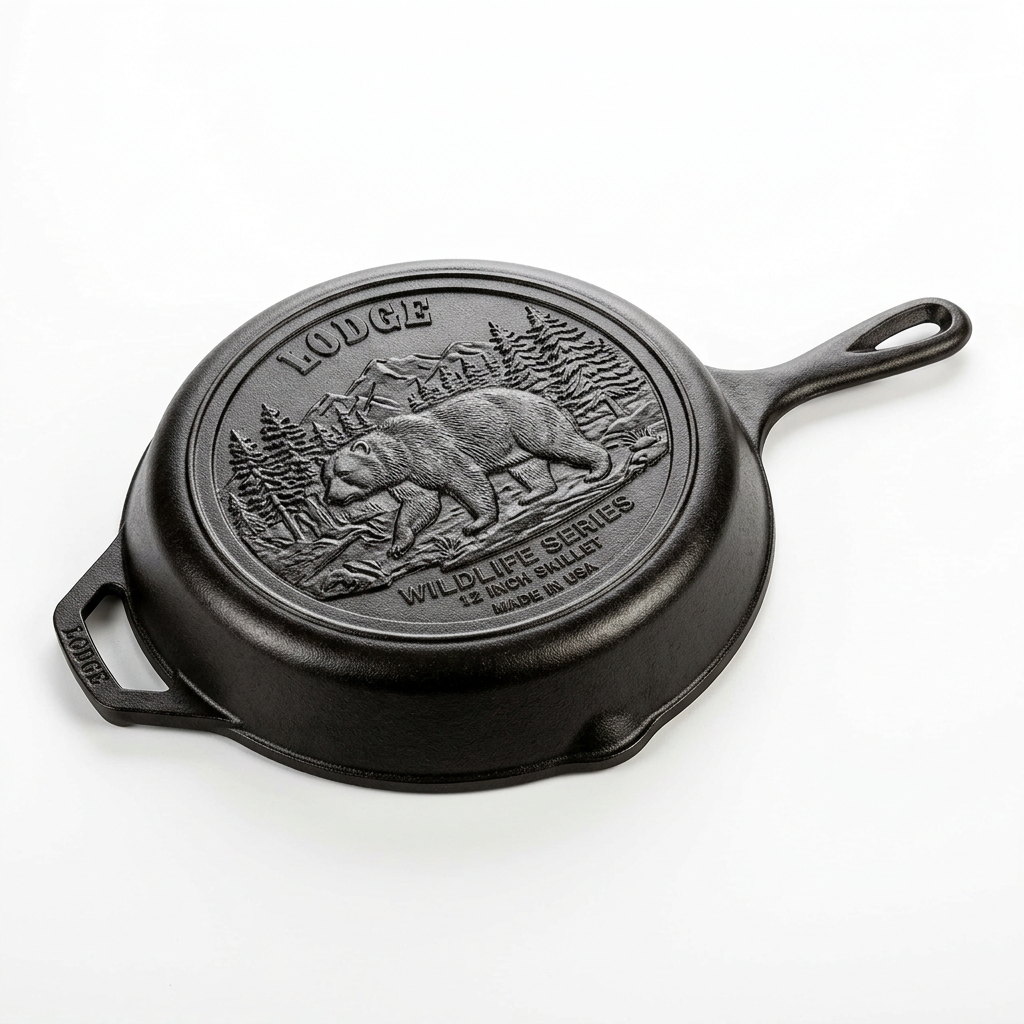
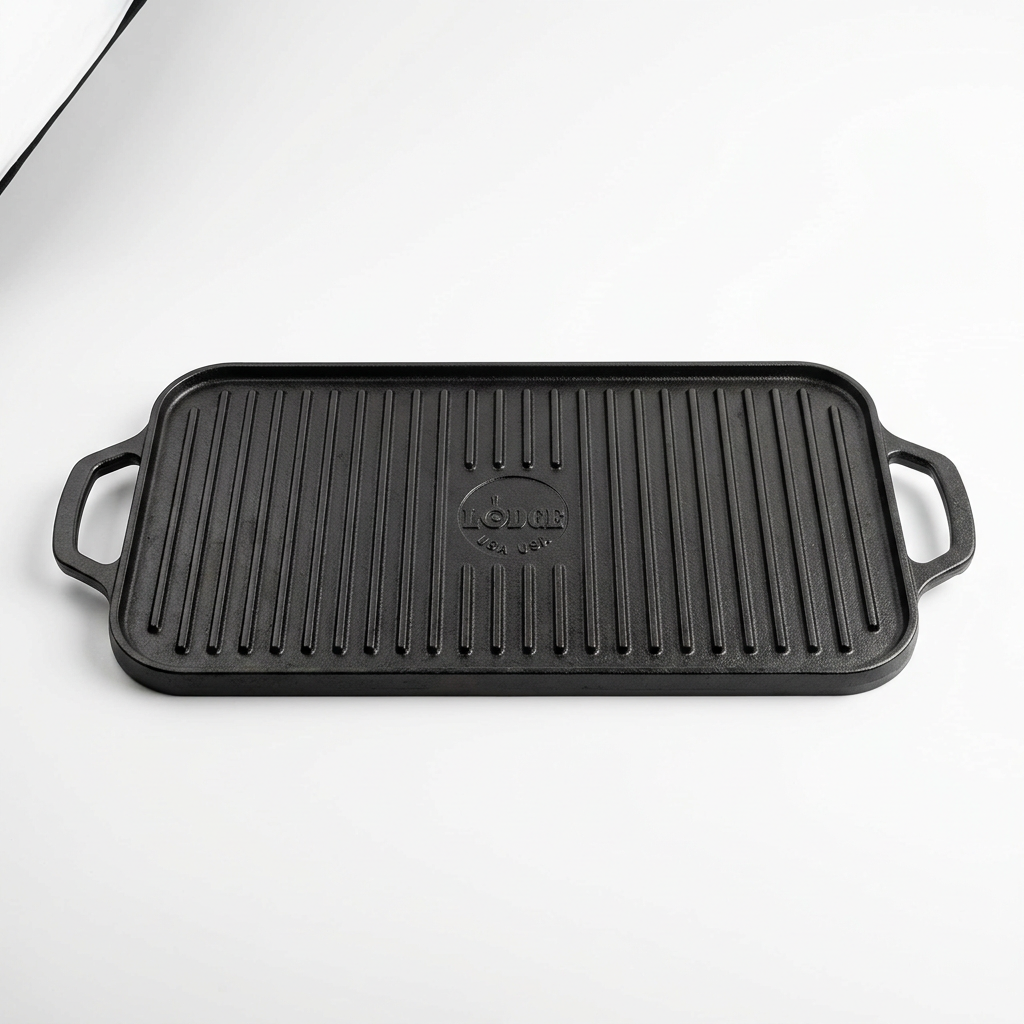
Knowing the types of cast iron cookware available is essential as it shapes how you will cook various dishes. Here are some common types:
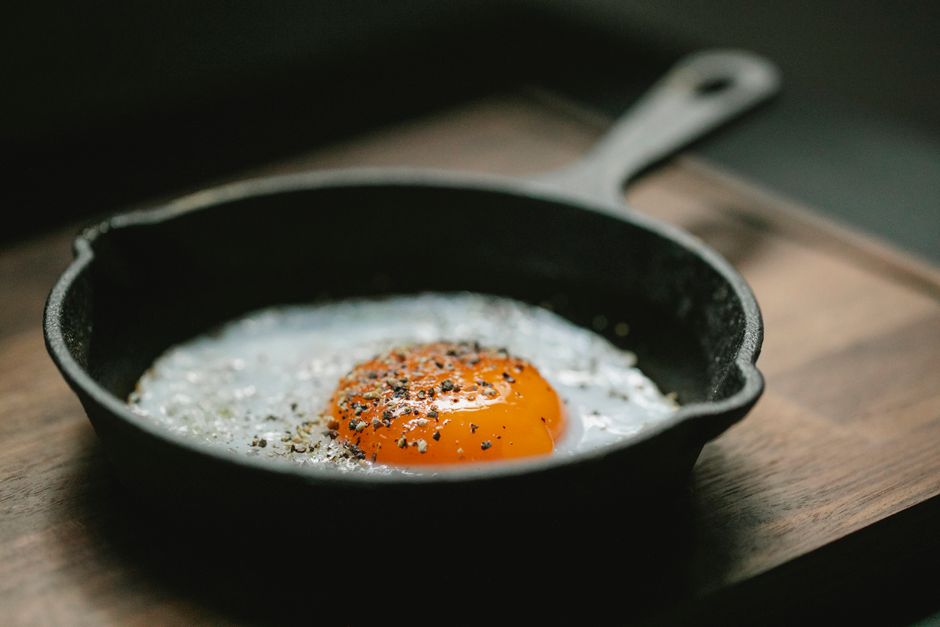
The selection of cast iron cookware can cater to various cooking styles and dishes, simplifying meal preparation whether you’re looking to fry an egg or slow-cook a roast.
How to Season Cast Iron Cookware
What Is Seasoning?
Seasoning is the process of applying a protective coating of oil to cast iron cookware, creating a natural non-stick surface while preventing rust. It involves heating the cookware, which allows the oil to bond to its surface, enhancing both its performance and longevity.
Steps to Season Your Cast Iron
To properly season your cast iron cookware, follow these steps:
"Seasoning isn’t just maintenance; it’s the key to unlocking the full potential of your cast iron cookware."
Maintaining Your Seasoning
After initial seasoning, maintaining your cast iron’s finish becomes paramount. Here are essential maintenance tips:
Cooking Techniques with Cast Iron
Searing and Browning
One of the most celebrated techniques for casting iron is searing meats to achieve a perfect crust and enhance flavor. The even heat distribution of cast iron allows for excellent caramelization.
To properly sear, follow these steps:
This technique applies to various meats, including steak, chicken, and pork.
Baking
Cast iron is equally adept at baking goods. The steady, even heat enhances the quality of baked items. Here’s how to harness this for perfect results.
For baking bread, preheat your skillet in the oven while the dough rises. Once your dough is ready:
Using Cast Iron for Cornbread:
Bakeware, such as muffin tins, can also produce wonderfully even muffins or cupcakes when greased properly.
Cast Iron Cooking Recipes
Classic Cast Iron Skillet Steak
A well-cooked steak is a milestone dish for every home cook. Here’s an easy recipe for achieving restaurant-quality steak in your cast iron skillet.
#### Ingredients
#### Instructions
This method delivers a steak that’s juicy and packed with flavor — a perfect use of your cast iron skillet!
Dutch Oven Beef Stew
A hearty beef stew is a staple for colder months and perfect for showcasing the abilities of a Dutch oven.
#### Ingredients
#### Instructions
The Benefits of Cooking with Cast Iron
Health Benefits
Apart from the excellent cooking capabilities, cooking in cast iron has health benefits as well. When properly seasoned, cast iron cookware can impart small amounts of iron into your food, benefiting those who are iron-deficient. This is particularly advantageous for individuals with dietary restrictions that limit iron intake.
Environmental Impact
Choosing cast iron cookware resonates with environmentally conscious choices. Cast iron is made of 100% recyclable material and is durable enough to last for decades. Many cast-iron pans can be passed down through generations, reducing waste in comparison to disposable cookware.
Cost-Effectiveness
Though the initial investment in cast iron cookware can be higher than stainless steel or non-stick pans, their longevity makes them incredibly cost-effective. You are investing in a tool that can last for decades, with proper care, offering incredible versatility for your kitchen.
Troubleshooting Common Problems
Sticky Residue
If food begins sticking to your cast iron surface, it’s often a sign that the seasoning needs refreshing or the pan was not preheated adequately. To remedy this, it might be worthwhile to re-season your cookware thoroughly.
Rust Development
Rust spots may appear if your cookware isn’t dried properly. To fix this, scrub the rust off with a steel wool pad, re-dry thoroughly, and re-season immediately to protect the surface.
Uneven Cooking
If you notice uneven cooking, check that your cast iron has been properly seasoned. Additionally, ensure that it isn't heated too quickly; casting iron retains heat, so medium heat is often best.
Final Thoughts
Cooking with cast iron is not just about preparing food; it's about nurturing a technique that connects us to the past while enhancing our culinary skills today. As you embark on this journey, remember that mastering cast iron requires a little patience, a touch of practice, and an eagerness to learn and experiment. Your cast iron cookware has the potential to become your best kitchen ally, transforming every meal into an opportunity to celebrate flavors and heritage.
Whether you're searing, baking, or slow-cooking, cast iron can truly elevate your cooking game, enriching your culinary experiences. So, gather your ingredients, embrace this timeless technique, and let your cast iron cookware take you on an adventure filled with delicious meals and joyful memories. Happy cooking!

Get the Next Recipe
Weekly recipes, techniques, and gear picks — straight to your inbox.
