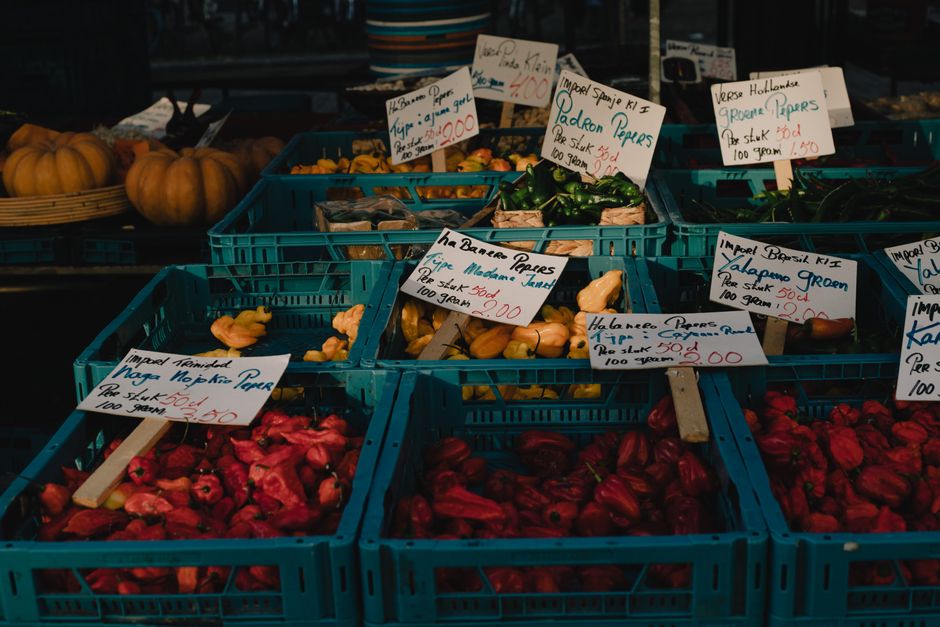
Guide to Eating Seasonally
Eating seasonally is more than just a trend; it’s a lifestyle that connects us deeper with the cycles of nature, agriculture, and our own bodies. As home cooks, embracing seasonal foods means elevating our culinary creations while being kinder to the planet and supporting local farmers. When we choose ingredients at their peak freshness, we not only ensure better flavor and nutrition but also contribute to sustainable practices that help preserve the environment. This guide will navigate you through the vibrant world of seasonal eating, providing you with insights, tips, and recipes to embrace the ingredients of each season fully.
Understanding what it means to eat seasonally can sometimes feel overwhelming. Most supermarkets carry a wide variety of imported produce year-round, which can distort our perception of what is native or in season. This guide will clarify these seasonal cycles and help you discover how to shop and cook with seasonal ingredients, transforming your everyday meals into celebrations of nature’s bounty. By tuning into the rhythm of the seasons, you’ll not only refine your culinary skills but also foster a deeper appreciation for the food you consume.
Seasons dictate not only the types of crops that flourish but also the flavor profiles and culinary traditions associated with each time of year. Spring, with its tender greens and bright herbs, invites a sense of renewal; summer brings an abundance of sun-kissed fruits and vegetables bursting with flavor; autumn harvests offer hearty roots and squash that warm the soul; and winter, though a time of dormancy, can produce hardy staples that nourish and comfort. This guide will journey through each of the four seasons, detailing what to expect in terms of ingredient availability, tips on preparation and preservation, and delicious seasonal recipes to try in your kitchen.
Why Eat Seasonally?
Eating seasonally isn’t just a practice; it’s a philosophy grounded in health, sustainability, and flavor.
Health Benefits
When you consume foods that are in season, you often benefit from their peak nutritional value. Fruits and vegetables that are harvested at their optimal ripeness are richer in vitamins, minerals, and antioxidants. For example, fresh spinach picked during the spring is far more nutrient-dense than the same spinach that has traveled thousands of miles to reach your grocery store.
Moreover, seasonal eating encourages a varied diet. Incorporating different fruits and vegetables throughout the year ensures you receive a broad array of nutrients. Some key health benefits of eating seasonally include:
"The flavors that nature offers when fruits and vegetables are in season are unmatched; they’re vibrant and rich, transforming any dish into an experience."
Environmental Impact
Supporting local farmers and reducing your carbon footprint is another compelling reason to eat seasonally. Transportation and storage of out-of-season produce consume significant amounts of fossil fuel and resources. Seasonal eating typically aligns with buying foods grown nearby, which minimizes environmental harm and enhances community well-being.
Buying local also supports biodiversity and sustainable agricultural practices. Local farmers are more likely to engage in environmentally friendly growing methods compared to large agribusiness corporations. By purchasing seasonal produce, you contribute to a system that respects the earth and promotes healthier ecosystems.
Economic Advantages
Seasonal foods are usually less expensive due to abundance. When crops are harvested in great quantities, the market is flooded with supply, leading to lower prices. Here are some economic reasons to opt for seasonal foods:
Spring: A Time for Rebirth
Spring symbolizes new life and renewal, and it brings forth a delightful range of fresh produce. As winter recedes, we see the emergence of vibrant greens, delicate herbs, and sweet vegetables.
Seasonal Produce
In spring, you can often find ingredients such as:
Embrace the transition from heavy winter foods to the lightness of spring fare. You can create an extraordinary dish just by using these simple ingredients, showcasing their flavors with minimal embellishment.
Cooking Techniques
Spring produce is generally tender and cooks quickly. Sautéing or steaming vegetables preserves their freshness:
Spring Recipe: Asparagus and Pea Salad
Here’s a simple yet stunning recipe to celebrate spring’s bounty:
Ingredients:
Instructions:
Culinary Tip
When cooking with fresh herbs, such as mint or parsley, it's essential to chop them roughly and add them at the end of cooking to retain their delicate essential oils and flavors.
Summer: A Bounty of Bright Flavors
Summer is synonymous with abundance. The markets overflow with a colorful array of fruits and vegetables, each bursting with flavor.
Seasonal Produce
Summer offers a delightful selection of produce, including:
Cooking Techniques
Summer cooking often highlights grilling, roasting, or utilizing fresh ingredients in simpler preparations.
"A summer meal should feel like a celebration of sun, color, and the earthy beauty of the season."
Summer Recipe: Grilled Vegetable and Quinoa Salad
This recipe embraces summer produce and is perfect for outdoor gatherings:
Ingredients:
Instructions:
Chef’s Insight
To maximize flavors, allow grilled vegetables to rest for a few minutes off the grill. This technique helps the vegetables retain their moisture and develop deeper flavor profiles.
Autumn: Harvesting Richness
As summer fades into autumn, the harvest season brings hearty and flavorful ingredients. This season encourages us to indulge in comforting dishes.
Seasonal Produce
Autumn yields a wonderful selection of root vegetables and fruits, such as:
Cooking Techniques
Autumn cooking often focuses on roasting, braising, and creating heartier dishes.
"Autumn is about comfort – with a focus on root vegetables and warming spices, your meals should wrap you in a cozy embrace."
Autumn Recipe: Pumpkin Risotto
This creamy risotto showcases autumnal flavors and is perfect for a cozy dinner.
Ingredients:
Instructions:
Pro Tip
For the creamiest risotto, remember to stir often and slowly incorporate the broth. This technique releases the rice’s starch, creating that luxurious, creamy texture.
Winter: Embracing the Cozy
Winter may bring a chill to the air, but it also introduces a variety of warming ingredients perfect for hearty meals.
Seasonal Produce
In winter, you can enjoy a selection of hardy produce, including:
Cooking Techniques
Winter cooking often involves slow cooking, braising, and baking.
"Winter cooking is about creating dishes that nourish both body and spirit – hearty, flavorful, and comforting."
Winter Recipe: Hearty Vegetable Stew
A warming stew packed with winter vegetables and flavor:
Ingredients:
Instructions:
Chef’s Suggestion
For richer flavors, allow your stew to sit for a few hours or overnight in the fridge. Like many stews and soups, flavors develop and deepen over time.
Tips for Successful Seasonal Eating
To make the most of your seasonal ingredients, consider implementing these strategies:
Storage and Preservation
Knowing how to store your seasonal bounty is crucial for minimizing waste and maximizing flavor:
Planning and Shopping
"Successful seasonal eating begins with thoughtful planning and connection to your local food community."
Conclusion
Embracing the art of seasonal eating can elevate your cooking experience while providing numerous benefits for your health, finances, and the environment. By understanding the distinct offerings of each season and learning how to prepare them, you’ll create nutritious and flavorful meals that resonate with nature.
As you explore this guide, let yourself be inspired by the beauty of seasonal produce. Seek out local farmers, visit markets, and engage with the food around you. Each season provides a unique opportunity to experience the world of food and its profound connection to time and place. By choosing seasonal ingredients, you not only enhance your culinary repertoire but also contribute to a healthier planet.
So, the next time you cook, think of the seasons. Celebrate the rhythm of nature on your plate, and let the flavors guide your culinary journey. Eating seasonally isn't merely a choice; it's an enriching lifestyle that can nourish your body and soul every day of the year.


Get the Next Recipe
Weekly recipes, techniques, and gear picks — straight to your inbox.
