Cooking with fresh herbs is one of the simplest yet most impactful ways to elevate your culinary creations. These vibrant plants not only add a burst of flavor, aroma, and color to your dishes but also come packed with nutritional benefits. Fresh herbs, ranging from the aromatic basil to the robust rosemary, can transform bland meals into culinary masterpieces, infusing your kitchen with their enticing scents and enriching your palate in ways dried spices often cannot replicate. As home cooks seek to expand their culinary repertoire, understanding how to select, store, and utilize fresh herbs becomes essential for enhancing dishes across various cuisines.
The journey into the world of fresh herbs begins with selection. It’s crucial not only to choose the right herbs for your recipes but also to consider freshness. Fresh herbs should feel vibrant and alive—remember that limp or discolored leaves are often indicators of aging and diminished flavor. Not only should you smell the herbs, as their aroma is indicative of their freshness and potency, but you should also inspect their texture. While many people may think that all herbs should be treated the same way, each variety comes with its own personality and ideal uses. Armed with this knowledge, you can confidently navigate markets and grocery stores, making choices that will serve you well in the kitchen.
Knowing how to store herbs is equally important as selecting them. Improper storage can strip them of their flavor and fragrance, but with a few simple techniques, you can prolong their freshness and ensure they remain an integral part of your culinary arsenal. Using appropriate storage methods is essential not just for maintaining the quality of your herbs but also for minimizing waste. Once you understand these fundamentals, you’ll discover that fresh herbs are not just an ingredient; they become an essential companion in your cooking journey, ready to uplift your dishes at a moment’s notice.
Types of Fresh Herbs
Fresh herbs can be broadly categorized based on their flavor profiles, which can be sweet, savory, citrusy, or pungent. Familiarizing yourself with these categories will help you make informed choices when crafting culinary masterpieces. Here’s a look at some common varieties and their culinary applications:
Culinary Herbs
Culinary herbs typically include those that are fragrant and used to enhance the flavors of dishes.
●Basil: Known for its sweet, slightly peppery flavor, basil is a staple in Mediterranean dishes, making its presence felt in pesto, salads, and pasta sauces. It pairs beautifully with tomatoes and is best used fresh, added to dishes just before serving to retain its vibrant aroma.
●Parsley: Often utilized as a garnish, parsley comes in two varieties: flat-leaf (Italian) and curly. Flat-leaf is favored for its stronger flavor and is perfect for enhancing salads, soups, and meats. Chop it finely and sprinkle it over your dishes to add freshness.
●Cilantro: Widely used in Latin American and Asian cuisines, cilantro has a bright, citrusy flavor that complements dishes like salsas, curries, and pho. Its leaves can often be used, while stems add great flavor as well.
Aromatic Herbs
Aromatic herbs tend to have a more robust and earthy flavor, which is commonly released during cooking.
●Rosemary: This hardy herb has a strong, pine-like flavor, making it a great companion for roasted meats and vegetables. It’s best used sparingly due to its intense flavor. You can add whole sprigs to roasting pans or chop it finely to incorporate into marinades.
●Thyme: Thyme has a slightly minty flavor with hints of earthiness. It’s an essential herb in French cuisine and works well in stews, soups, and sauces. A little goes a long way; typically, a teaspoon of fresh thyme can replace a third of a teaspoon of dried thyme in a recipe.
Specialty Herbs
Specialty herbs tend to be less common but can bring unique flavors to your dishes.
●Tarragon: Known for its anise-like flavor, French tarragon is a key player in many classic sauces, such as Béarnaise. It pairs wonderfully with chicken, fish, and eggs. For a savory twist, add chopped tarragon to your salad dressings.
●Chervil: Often compared to parsley but with a slight licorice note, chervil is delicate and best used raw as a garnish. It shines in light sauces and soups. Add it at the very last moment to prevent wilting.
“The secret to unlocking the full potential of fresh herbs lies in understanding their unique characteristics and flavor profiles.”
Selecting Fresh Herbs
When selecting fresh herbs, there’s a world of flavor waiting to be explored. To get to the best herbs, start by visual inspection. Look for vibrant colors, firm texture, and avoid herbs with brown edges or wilting leaves. Smell is another powerful indicator of quality; the stronger the aroma, the fresher the herb. If you're buying from a market, don't hesitate to ask the vendor about the herbs' origins; many will be happy to share information about how and when they were harvested.
Where to Buy Fresh Herbs
You can find fresh herbs in several places:
1.Grocery Store: Most supermarkets offer a selection of fresh herbs, usually located in the produce section. Check for sealed packages that are refrigerated for freshness.
2.Farmers' Markets: A great source for seasonal and locally-grown fresh herbs. The herbs here are likely to be fresher and more flavorful. Plus, you get a chance to speak to the growers and learn more about the herbs.
3.Herb Shops: Specialty stores may have more exotic varieties and knowledgeable staff who can help you with care tips.
4.Home Gardening: Growing your own herbs can be very rewarding and provides a ready supply right at your fingertips. Even with limited space, you can grow herbs in pots on a windowsill or balcony.
Seasonal Availability
Certain herbs are seasonal, so knowing what’s in season can help you select the freshest options.
●Spring: Consider herbs like chives, dill, and mint during spring. Their fresh and bright flavors are perfect for new spring vegetables.
●Summer: Basil, parsley, and cilantro shine in summer as they thrive in warm conditions and are often used in lighter dishes.
●Fall: Rosemary, sage, and thyme are popular in fall, ideal for hearty meals and comfort foods.
●Winter: While fresh herbs might be limited, don’t overlook hardier herbs like rosemary and thyme, which can complement winter dishes beautifully.
“Purchasing herbs in season not only enhances flavor but also supports local growers and reduces your carbon footprint.”
Storing Fresh Herbs
Once you've selected the best fresh herbs, proper storage becomes crucial to preserve their vibrancy and taste. Depending on the type of herb, storage methods can vary, yet the goal remains the same—maintaining freshness for as long as possible.
General Storage Tips
●Keep Them Cool: Most herbs like to be stored in the refrigerator. Wrap them in a damp paper towel and place them in a resealable plastic bag. This helps maintain moisture without promoting rot.
●Avoid Moisture: While herbs do need some moisture, excess moisture can lead to mold and spoilage. Make sure to dry them thoroughly before storing.
●Airflow: For herbs that are hardy, such as rosemary and thyme, you may choose to hang them upside down in a cool, dark place to dry.
Storage Techniques
Here are specific methods to store various types of herbs:
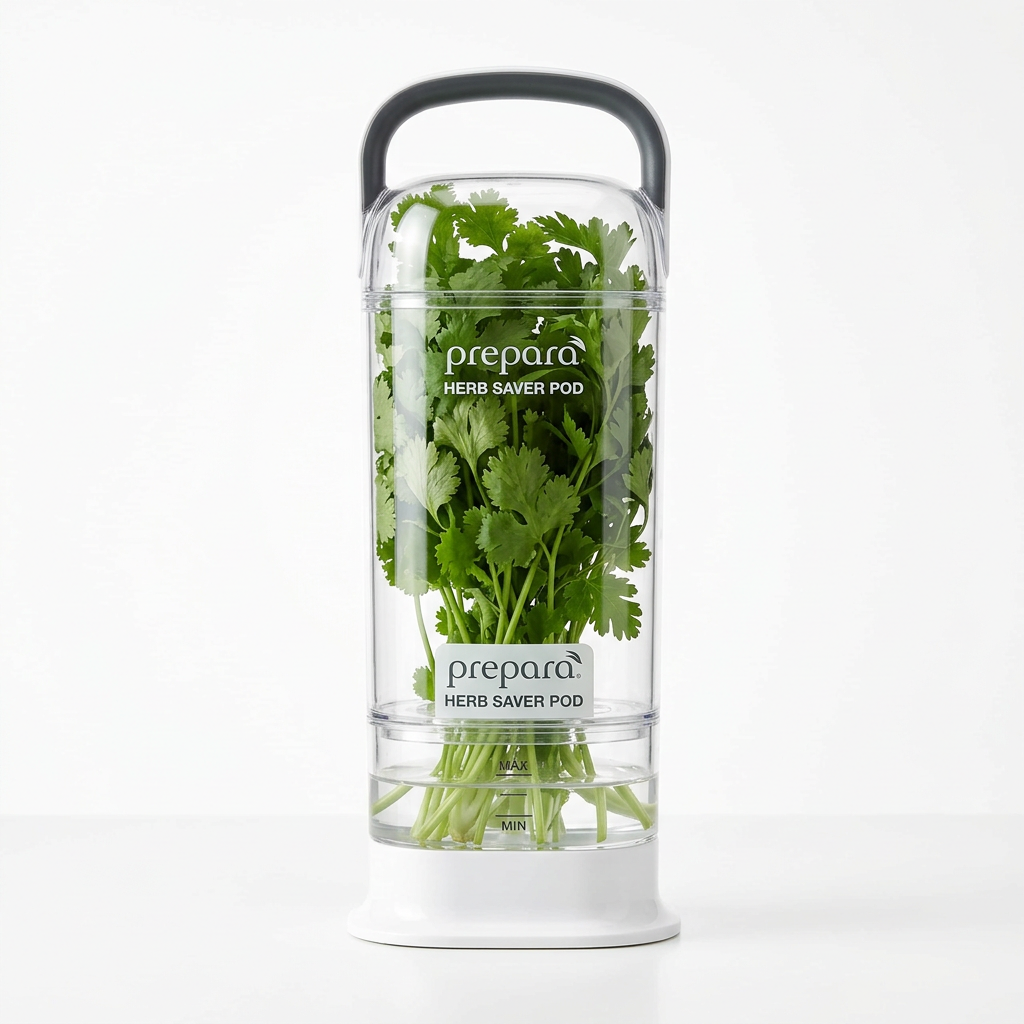
1.Soft Herbs (like basil and parsley): Place them in a jar with about an inch of water, covering any leaves with a plastic bag. Store them in the fridge. Change the water daily for optimum freshness. Alternatively, store them as mentioned above wrapped in a damp towel.
2.Hardy Herbs (like rosemary and thyme): Wrap them in a damp paper towel and place them in a plastic bag. Hardy herbs can often last longer and may also be frozen in ice cube trays with olive oil for later use.
3.Long-Term Storage: You can also dry herbs by hanging them in bundles or using a dehydrator. Once dried, crush or store them in airtight containers away from sunlight, ideally in a cool cupboard.
Freezing Fresh Herbs
Freezing is an excellent method to preserve the life of herbs that you cannot use immediately. Here’s how to do it:
1.Wash and Dry: Rinse herbs to remove any dirt, then pat them dry thoroughly.
2.Chop if Necessary: Depending on your preference, chop the herbs or leave them whole.
3.Ice Cube Trays: Fill an ice cube tray with chopped herbs and cover them with water or stock. Freeze until solid, then transfer the cubes to a freezer bag for later use.
“By freezing herbs in cubes, you create convenient flavor enhancers you can toss into soups and stews straight from the freezer.”
Preparing Fresh Herbs for Cooking
Before you add fresh herbs to your recipes, a little preparation can go a long way. While the rustic look of a rough chop may appeal to some, finer cutting techniques can better release the herbal oils and flavors potent enough to truly transform your dish.
Basic Techniques for Preparing Fresh Herbs
●Washing: Always wash herbs to remove any dirt or insects, particularly if you're foraging or purchasing from a farmers’ market. Rinse them in cold water and gently pat dry with a towel.
●Chopping: For leaves, utilize the knife’s tip and make quick, choppy cuts to avoid bruising and release flavors. Larger herbs can be stacked, rolled, and then sliced for a fine chop.
●Mincing: For herbs like garlic or ginger that pair well with fresh herbs, mincing is crucial. Combine with fresh herbs for a fragrant base in sauces and marinades.
Advanced Techniques
To truly unleash the essence of your herbs, consider the following advanced techniques:
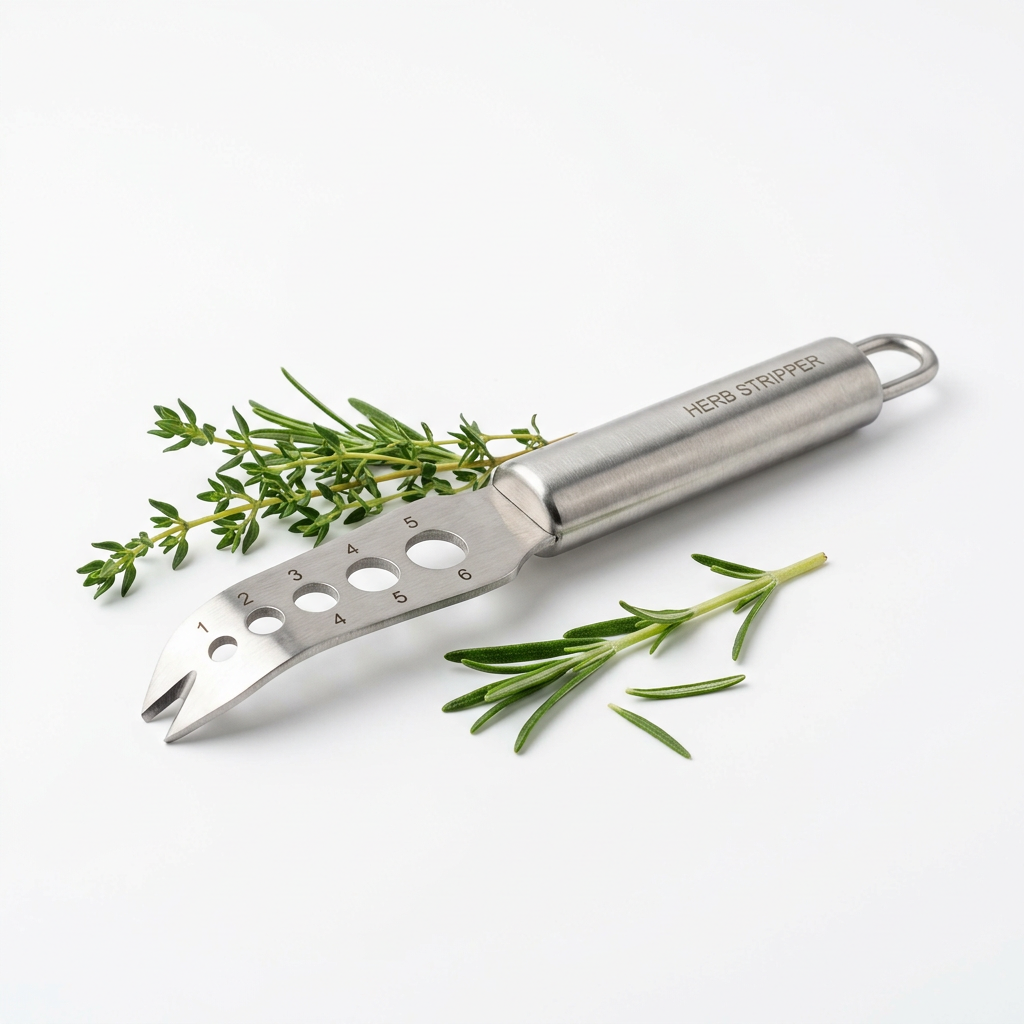
1.Hulling and Muddling: For tougher herbs like rosemary and thyme, removing the leaves from the stems before chopping can be beneficial. Muddling herbs, especially for cocktails or sauces, can enhance flavor.
2.Infusion: You can infuse oils with herbs to create flavored oils for dressing. Gently heat olive oil with herbs like basil or rosemary to extract flavors. Let it cool, strain it, and use it for drizzling over dishes or in dressings.
3.Chiffonade: A technique often used for leafy herbs, chiffonade involves stacking the leaves, rolling them tightly, and slicing into thin strips. This method is perfect for basil and mint, offering uniformity in presentation.
Using Fresh Herbs in Cooking
The art of using fresh herbs in cooking involves understanding the right moments to incorporate them into your dishes. Too often, cooks make the mistake of overcooking or misusing herbs, resulting in diminished flavor and less vibrant dishes. Here’s how to use fresh herbs effectively.
Timing is Everything
●Add Early for Deep Flavor: When cooking hearty dishes like stews or roasts, add robust herbs like rosemary and thyme at the beginning. Their flavors develop and meld with other ingredients over time.
●Add Midway for Balance: Add delicate herbs such as parsley and cilantro in the middle of cooking to ensure they maintain some freshness while still contributing to the overall flavor.
●Add Last for Freshness: Soft herbs, particularly those that are aromatic like basil, should be added just before serving or as a garnish. This ensures they retain their vibrant colors and aromas.
Balancing Flavors
When combining herbs, keep in mind the intensity of the flavors. Pair herbs that complement one another:
●Basil and Oregano: A classic combination for Italian dishes, these herbs work well in sauces, pizza, and salads.
●Rosemary and Garlic: These two create a robust flavor, especially when used together in marinades and roasted meats.
●Mint and Cilantro: Fantastic in salads, this combination is perfect for adding freshness to dishes from the Middle East or Southeast Asia.
Creative Dish Ideas
●Pesto: Blend fresh basil, garlic, pine nuts, parmesan cheese, and olive oil for a versatile and breathtaking sauce that can be used on pasta, bread, or as a dip.
●Herb-Infused Olive Oil: Utilize fresh herbs to infuse olive oil for drizzling on pizza, salads, or grilled vegetables.
●Herb Butter: Combine softened butter with minced herbs like chives, tarragon, and parsley, then mold into logs and chill. Use it to top meats or seafood for an extra layer of flavor.
“Incorporating fresh herbs skillfully can transform an everyday meal into an extraordinary culinary experience.”
Conclusion
Incorporating fresh herbs into your cooking is not just about enhancing the flavor of your dishes; it’s about exploring the depths of culinary creativity and experiencing food in a new way. With a bit of knowledge about various herbs, their uses, and the best methods of preparation and storage, you can truly elevate your cooking game. Whether you’re preparing a simple weeknight dinner or hosting a gathering, the burst of freshness that comes from adding herbs makes all the difference. Embrace the natural gifts of fresh herbs, venture into your local markets, or even cultivate your own herbs at home, and let them inspire your culinary journey. With every sprinkle and garnish, you are not just seasoning a dish; you are awakening the aromas and flavors that make cooking a delightful affair. So, as you step into your kitchen, remember the power of herbs is not only in their taste but also in the joy and creativity they bring to your cooking experience.