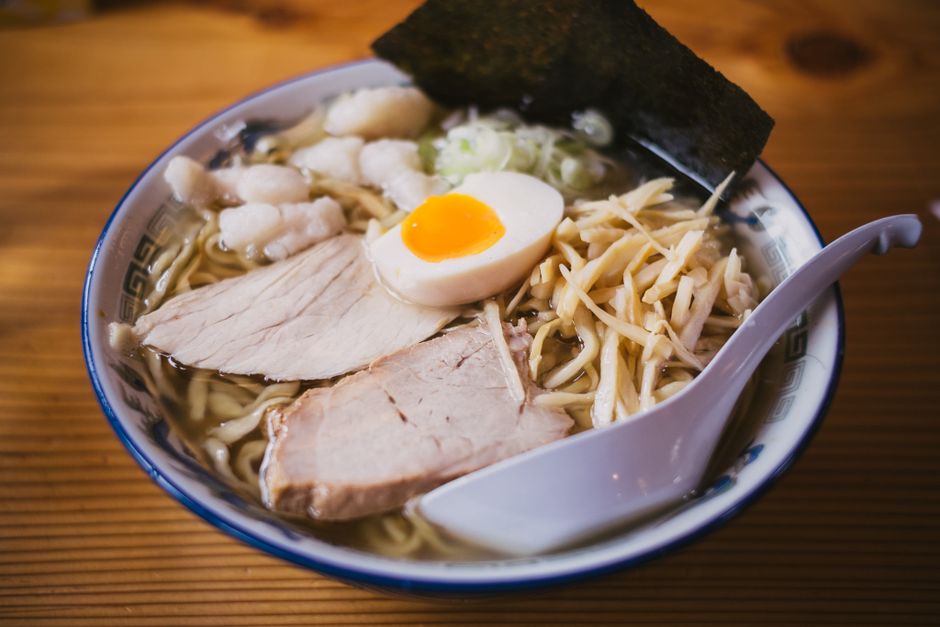
Guide to Japanese Ramen Styles
Japanese ramen, a dish that has captured the hearts and taste buds of food lovers around the globe, is much more than just noodles in broth. This beloved comfort food showcases the artistry of Japanese culinary traditions, blending flavors and textures in a harmonious way. Various styles of ramen originate from different regions of Japan, each with unique characteristics that contribute to their popularity. Understanding these diverse ramen styles can transform a simple bowl of noodles into an elevated culinary experience, enriching your appreciation for this mouthwatering dish.
At its core, ramen is a dish that encourages creativity and personalization. Whether you prefer a rich, fatty broth or a lighter, umami-packed version, the choices in flavors are practically limitless. Many ramen enthusiasts often delve into the intricacies of broth-making, noodle types, and toppings, cultivating their own unique variations. If you're a home cook eager to immerse yourself in the world of ramen, this comprehensive guide will introduce you to the different styles of ramen and the techniques needed to achieve that authentic flavor profile at home.
As we journey through the various forms of ramen, we will explore essential components such as broth types, noodle textures, and topping choices. Each style holds cultural significance and a specific storytelling element, making ramen not only a delicious meal but also a reflection of Japanese heritage. With mastering these elements, you will be well on your way to crafting delightful ramen dishes that pay homage to their origins while allowing your personality to shine through in every bowl you serve.
Shoyu Ramen
Shoyu ramen, or soy sauce ramen, is perhaps one of the most recognizable styles, primarily because of its straightforward yet intricate flavor profile. Originating from Tokyo, this style features a broth that is characterized by its clear, brown color, which comes from the addition of soy sauce (shoyu). The use of soy sauce provides a well-rounded umami flavor that is both satisfying and refreshing.
Broth
The base of a great shoyu ramen lies in its broth, typically made by combining chicken, pork, and dashi (a Japanese stock made from kelp and bonito flakes). To create a rich broth, follow these steps:
- 2 pounds of chicken bones
- 1 pound of pork bones (preferably neck or trotters)
- 1 piece of konbu (dried kelp, about 10 inches)
- 1 cup of bonito flakes
- 1 onion, halved
- 1 carrot, halved
- 4 cloves of garlic, smashed
- Water (enough to cover ingredients)
- Blanch the chicken and pork bones in boiling water for about 10 minutes to remove impurities, then rinse under cold water.
- In a large pot, add the blanched bones, konbu, onion, carrot, and garlic. Cover with water and bring to a boil over high heat.
- Once boiling, reduce heat and let simmer for at least 4 hours, skimming off any foam that rises to the surface.
- After simmering, turn off the heat and add the bonito flakes; let it steep for 15 minutes.
- Strain the broth through a fine-mesh sieve, discarding the solids, and season with a few tablespoons of shoyu.
This method will yield a rich and flavorful broth that serves as the perfect foundation for your shoyu ramen.
Noodles
When it comes to shoyu ramen, the noodles are typically straight and medium-thin, made from wheat flour. The texture should be slightly chewy to complement the broth. Use fresh ramen noodles if you can find them, but if not, dry noodles will work in a pinch. Cooking instructions typically recommend boiling for 3-4 minutes, but always refer to package directions for accurate cooking times.
Toppings
The toppings are what elevate shoyu ramen into a full meal. Traditional toppings include:
To prepare chashu, roll pork belly into a log and tie it with butcher's twine. Sear it in a hot pan until browned, then simmer it in a mixture of soy sauce, sake, mirin, and sugar for about 2-3 hours until tender. Slice it thinly and arrange atop the finished ramen bowl for a restaurant-quality touch.
"The beauty of shoyu ramen lies not only in its flavor complexity but also in its simplicity; every ingredient speaks for itself."
Miso Ramen
Miso ramen hails from Hokkaido and features a rich, hearty broth made from fermented soybean paste, offering a more robust and complex flavor compared to shoyu. The slightly nutty nature of miso adds a delightful depth that many ramen enthusiasts cherish.
Broth
Creating a miso ramen broth entails using a combination of meats and vegetables, with particular attention to layering flavors. Here’s how:
- 2 lbs of chicken wings
- 1 pound of pork bones
- 1 cup miso paste (preferably red or a blend of red and white)
- 1 piece of konbu (approx. 10 inches)
- 1 onion, quartered
- 6 cloves of garlic, smashed
- 3-inch piece of ginger, sliced
- Water
- In a large stockpot, combine chicken wings, pork bones, konbu, onion, garlic, and ginger. Add enough water to cover the ingredients.
- Bring to a boil over high heat, skim off any impurities, and then reduce to a simmer for about 6 hours.
- After 6 hours, remove bones and strain the broth, returning it to the pot.
- Add the miso paste by dissolving it in a ladleful of hot broth and then stirring it back into the pot. Adjust the amount of miso according to taste.
Noodles
Miso ramen often utilizes thicker, slightly curled noodles that can hold up to the rich broth. They can often be cooked according to package directions, typically around 4-6 minutes for dried noodles.
Toppings
Miso ramen is typically topped with:
One creative topping to consider is using grilled vegetables, like zucchini or peppers, which lend a smokey flavor that can perfectly complement the miso broth.
"Miso ramen is a celebration of bold flavors and satisfying textures, turning comfort food into artistry on a bowl."
Tonkotsu Ramen
Originating from Fukuoka, tonkotsu ramen features a rich, creamy broth made from boiling pork bones for hours, releasing collagen that results in a milky, luscious consistency. This style is revered for its deeply satisfying umami character and luxurious mouthfeel.
Broth
To make an authentic tonkotsu broth, follow these steps:
- 4 pounds of pork bones (leg, neck, or trotters work well)
- 1 onion, halved
- 1 head of garlic, halved
- 1-inch piece of ginger, sliced
- Water
- Blanch the pork bones in boiling water for about 10-15 minutes, then rinse under cold water.
- In a large stockpot, return the bones to the pot, add onion, garlic, ginger, and cover with water. Bring the mixture to a vigorous boil.
- Once boiling, reduce heat to medium and let simmer for at least 12 hours, replenishing water as necessary.
- The result is a creamy broth that is full-bodied and incredibly rich.
Noodles
The noodles for tonkotsu ramen are often straight and thin, allowing for a delightful bite. Fresh noodles are ideal but dried noodles can suffice. They usually cook for about 2-3 minutes.
Toppings
Traditional tonkotsu ramen toppings include:
A fantastic finishing touch to tonkotsu ramen is to drizzle a few drops of black garlic oil or chili oil for additional flavor and aroma.
"The allure of tonkotsu ramen is its indulgent, comforting richness—it's a bowl that warms your heart."
Tsukemen
Tsukemen, or dipping noodles, is a unique variation where the noodles and broth are served separately. Originating from Tokyo, this style allows for an interactive eating experience, making it a fun option for ramen lovers.
Broth
The broth for tsukemen is typically thicker and more intensely flavored since diners dip their cold noodles into the hot broth. You'll want to develop an appealing flavor profile by concentrating the base. Here’s how:
- 2 pounds of pork or chicken bones
- 1 cup of tonkotsu broth (optionally for creaminess)
- 1 cup of shoyu
- 1/2 cup of mirin
- 1 cup of dashi
- Prepare the broth by simmering your bones, then strain and combine with other ingredients to enhance flavor.
- The finishing mixture should be seasoned to a more pronounced taste, making it a strong base for dipping.
Noodles
For tsukemen, the noodles are thicker and chewier, designed to hold up when dipped in the broth. They cook for about 3-5 minutes and should be rinsed under cold water immediately afterward to stop the cooking process and maintain texture.
Toppings
Toppings for tsukemen can be similar to traditional ramen, but you might emphasize additional side options:
"Tsukemen takes the ramen experience to a new level, engaging diners in a delightful ritual that elevates the enjoyment of each noodle."
Vegetarian Ramen
For those who prefer a plant-based option, vegetarian ramen is rapidly gaining popularity and shows the ability of ramen to adapt to various dietary preferences. This style can incorporate various vegetables and plant-based proteins to craft a flavorful dish that doesn’t rely on meat for depth.
Broth
To create a fulfilling vegetarian broth, focus on layers of umami using vegetables and mushrooms:
- 2 cups of dried shiitake mushrooms
- 1 onion, halved
- 2 carrots, chopped
- 2 stalks of celery, chopped
- 4 cloves of garlic, smashed
- 1 piece of kombu
- 8 cups of water
- 2 tablespoons of soy sauce or tamari
- Combine all ingredients in a large pot and let it simmer for about 1.5 to 2 hours.
- Strain the broth, discarding solids, and adjust seasoning with soy sauce for saltiness and teriyaki paste for sweetness if desired.
Noodles
Vegetarian ramen can use standard wheat noodles as well as alternative options such as buckwheat soba noodles or rice noodles for gluten-free variations. Cook according to package instructions.
Toppings
Toppings for vegetarian ramen can be as colorful and varied as the vegetables used in the broth:
"Vegetarian ramen showcases the diverse flavors of nature, bringing a refreshing vibrance to every bowl."
Curry Ramen
Last but certainly not least is curry ramen, a trend that shows the fusion of Japanese flavors, combining the warming spice of curry with the comforting staple that is ramen. This style has its origins in the Japanese take on curry, and the result is an enticing, aromatic experience.
Broth
The curry broth is generally built upon a base of tonkotsu or miso soup, infused with curry powder or Japanese curry roux. To create a curry broth, follow these steps:
- 4 cups of broth (chicken or vegetable)
- 2 tablespoons of curry powder (adjust based on preference)
- 1 tablespoon of soy sauce
- Optional: 1-2 pieces of Japanese curry roux (available in stores)
- Heat the broth in a pot over low heat, add curry powder, and stir until dissolved.
- For more depth, add garlic, ginger, and onion during the initial heating stage.
- Simmer for an additional 15 minutes to meld the flavors, thickening with roux as desired.
Noodles
Curry ramen often uses the same medium-thin wheat noodles that pair beautifully with the hearty broth. Cook them for 3-5 minutes, until al dente.
Toppings
Top your curry ramen with ingredients that provide textural contrast and flavor enhancement:
"Curry ramen is the celebrated culinary embrace of warmth and spice, a dish that beckons you to savor every moment."
Conclusion
Exploring the wide array of Japanese ramen styles allows you, the home cook, to dive deep into an extraordinary culinary tradition. From the clear, nuanced flavors of shoyu to the intense richness of tonkotsu, and from the creativity of tsukemen to the uniqueness of vegetarian ramen, each bowl tells a story full of tradition, regional flavors, and innovative twists.
By mastering techniques such as creating broths, preparing the perfect noodles, and selecting complementary toppings, you can elevate a simple meal into a gastronomic adventure. Embrace your creativity, experiment with flavors and ingredients, and enjoy the process as much as the product. Japanese ramen is about more than just food—it's about enjoyment, warmth, and the embrace of a rich cultural heritage that encourages cooking and dining together.
In the end, whether you're crafting a comforting bowl of miso ramen for a rainy day or serving up a plate of colorful vegetarian ramen for your friends, remember that each dish allows for personalization and expression. So, put on your apron, gather your ingredients, and let the art of ramen-making transform your kitchen into a delicious journey through Japan's culinary landscape. Happy cooking!
(Word count: 2151)

Get the Next Recipe
Weekly recipes, techniques, and gear picks — straight to your inbox.
