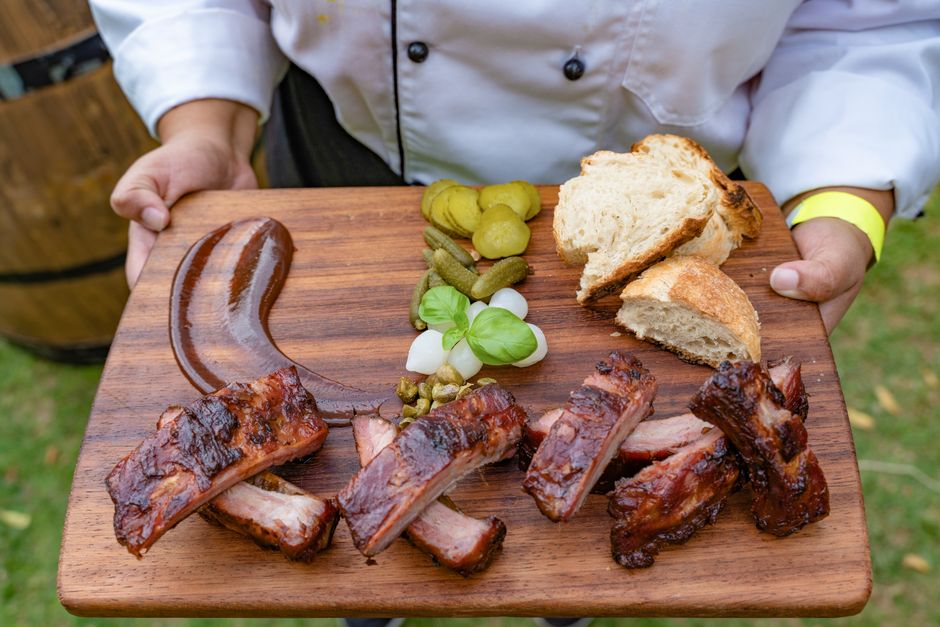
Guide to Smoking Meats at Home
Smoking meats at home is an art that resonates deeply with food enthusiasts and backyard chefs alike. There's something inherently captivating about the slow, mesmerizing dance of smoke enveloping succulent cuts of meat, transforming them into flavorful masterpieces. At its core, smoking meats isn't just about cooking; it’s a culinary journey that teaches patience and precision while rewarding the cook with rich flavors and tender textures that simply cannot be replicated through other methods. As more home cooks experiment with smoking, the techniques and nuances become more accessible.
To fully appreciate smoking meats, it's essential to understand both the science and the craft involved. This involves selecting the right type of wood, mastering temperature control, and knowing which cuts of meat respond best to this technique. Furthermore, you will need to consider the different methods available, such as using a dedicated smoker, a grill, or even a simple stovetop setup modified for smoking. Each approach has its nuances and will yield varying results, making it vital to choose one that fits your lifestyle and culinary goals.
Moreover, smoking meats isn't just about the final product; it’s about the entire experience. From preparing your rubs and marinades to the anticipation as your meat smokes for hours, there’s an indescribable satisfaction that comes from creating a smoky feast with your own hands. Whether you are aiming to impress guests at a summer barbecue or simply wish to savor the flavors yourself, understanding the fundamentals of smoking meats at home will set the stage for countless delicious meals to come.
Understanding the Basics of Smoking
Before diving into the specifics, it's crucial to establish a solid foundation in the basics of smoking meats. Smoking is a cooking process that uses indirect heat and smoke from burning or smoldering materials, traditionally wood, to infuse flavors into meats while cooking them slowly at low temperatures. The art of smoking can be broken down into two main techniques: hot smoking and cold smoking.
Hot Smoking vs. Cold Smoking
Hot smoking is the more common practice among home cooks. It cooks the meat while simultaneously imparting flavors, making it both a cooking and preserving method. This technique generally operates at temperatures between 225°F and 300°F, allowing meats to gain that cherished smoky flavor while ensuring they are cooked thoroughly and safely for consumption.
On the other hand, cold smoking involves infusing flavor without cooking the meat. The temperatures typically range from 68°F to 86°F, which is ideal for foods like salmon or cheese. However, because cold smoking does not cook the meat, it's essential to cure or brine the meat beforehand to inhibit bacterial growth. This method is best left to those with more experience or those who are cautious about food safety.
"Understanding the difference between hot and cold smoking is crucial. Each method serves a unique purpose and opens a different avenue of flavors."
Equipment Essentials
To get started with smoking, you'll need some essential equipment. Here’s a basic rundown:
Having these tools on hand will set a strong foundation as you embark on your smoking journey.
Choosing the Right Meat
The type of meat you choose for smoking plays a crucial role in developing flavors and textures. Each cut behaves differently when exposed to smoke, some being more forgiving than others.
Best Cuts for Smoking
When it comes to smoking, certain cuts excel due to their fat content and connective tissue, which break down during long cooking processes. Here are some great choices:
"Choosing the right cut is half the battle. Remember, good meat will create a good dish — invest in quality!"
Preparing the Meat
Proper preparation of the meat is crucial to enhance the flavors. Here are the key steps to follow:
- 1 quart water
- 1/4 cup kosher salt
- 1/4 cup brown sugar
- Optional: spices like black pepper and garlic.
- 1 tablespoon paprika
- 1 tablespoon garlic powder
- 1 tablespoon onion powder
- 1 tablespoon brown sugar
- 1 tablespoon black pepper
- 1 tablespoon kosher salt
"The right rub not only supports the flavor but also forms a desirable bark on your smoked meat."
The Smoking Process
Once you've selected and prepared your meat, it's time to dive into the actual smoking process. This stage requires careful control, attention to detail, and a bit of patience, but the rewards are monumental.
Setting Up Your Smoker
Regardless of whether you're using a traditional smoker, a grill, or an electric model, the initial setup is essential for success.
Maintaining Temperature
Throughout smoking, keeping a consistent temperature is critical. You may need to check the smoker's temperature every hour or so during long smoking sessions.
Spritzing and Basting
Every hour or so, consider spritzing your meat. A simple mixture of apple juice or vinegar in a spray bottle creates moisture, promoting a flavorful bark while keeping the meat from drying out. This added layer of flavor will deepen as you continue the process.
Knowing When It’s Done
Learning to determine when your meat is properly smoked and cooked is an essential skill. Relying solely on time can be misleading due to several factors that can influence cooking duration.
Internal Temperature Guidelines
Using a meat thermometer provides accurate insights into doneness. Here are the general guidelines for various meats:
"The most reliable method for determining doneness is through temperature. Always keep a thermometer close by."
Resting Time
Once your meat reaches the desired temperature, it's crucial to let it rest before slicing. Resting allows the juices, which are driven to the meat's surface during cooking, to redistribute throughout the meat, increasing flavor and tenderness. The general guideline for resting is:
Flavoring with Wood
One of the core elements of smoking meats is the choice of wood, which plays a crucial role in the final flavor profile of your dish. The type of wood you use can dramatically alter the taste experience, shaping the final product's character.
Types of Wood
Different woods impart unique flavors:
Soaking Wood Chips
Soaking wood chips in water for several hours before smoking can help extend their burn time, generating more smoke and avoiding harsh flavors. However, some skilled pitmasters prefer to use them dry to produce heavier smoke.
Combining with Marinades and Rubs
The beauty of smoking is in its versatility—combining meat preparation techniques like marinades and rubbing can enhance the flavor profile even further. Here's how to execute these techniques for maximum impact.
Crafting Marinades
A well-crafted marinade can enhance the flavor of smoked meats while tenderizing them through acidic components.
- 1 cup apple cider vinegar
- 1/2 cup honey
- 1 tablespoon Dijon mustard
- 2 garlic cloves, minced
The Importance of Rubs
Rubs develop a flavorful crust on the surface of your meat.
- 1 tablespoon cayenne pepper (for heat)
- 2 tablespoons brown sugar (for sweetness)
- 1 tablespoon cumin (for earthiness)
Tips from the Pros
The culinary world is filled with little secrets and hacks that can elevate your smoking game. Here are a few insider tips to keep in mind.
Timing is Key
Timing plays an integral role in smoking meats: the low, slow method takes time and patience. Here’s a rough guide to smoking times based on weight:
Experiment with Flavors
Don't be afraid to experiment with different wood combinations, marinades, rubs, and side items. Incorporating elements like local herbs or unique spices can set your smoked meats apart.
Keep It Simple
For the novice smoker, keep recipes and techniques uncomplicated. Once you feel confident in your skills, gradually incorporate complex flavors and methods.
Conclusion
With the growing popularity of smoking meats at home, it can be easy to feel intimidated at first. However, this culinary art is open to anyone willing to invest the time and effort. From selecting the right cut to understanding the significance of techniques like brining, marinating, and choosing the proper wood, these steps will lead you toward creating perfect smoked meats every time.
So gather your equipment, choose the perfect cut, stoke those flames, and immerse yourself in the wonderful world of smoking. Remember, the journey will be just as fulfilling as the destination, so take it slow, enjoy the process, and soon, you will be dazzling your guests with dishes that are tender, flavorful, and undeniably satisfying. Whether it’s for a special occasion or a simple weeknight dinner, once you master the art of smoking meats, you’ll undoubtedly be regarded as the culinary hero of your home. Happy smoking!
(Word count: 2,104)

Get the Next Recipe
Weekly recipes, techniques, and gear picks — straight to your inbox.
