Guide to Sous Vide Cooking at Home
Sous vide cooking has taken the culinary world by storm, offering home cooks an innovative yet approachable method for preparing restaurant-quality meals. This technique, which translates to "under vacuum" in French, involves sealing food in vacuum bags and immersing it in a temperature-controlled water bath. This method allows for precise temperature management, resulting in perfectly cooked dishes that retain moisture, flavor, and nutrients better than traditional cooking methods. In an era where home cooks are increasingly looking for ways to elevate their culinary prowess, sous vide presents an exciting opportunity to master cooking temperature and texture with confidence.
While the thought of sous vide may seem daunting at first due to its scientific undertones and specialized equipment, the reality is quite the opposite. With just a few essential tools and techniques, anyone can begin their sous vide journey. Moreover, the benefits extend beyond simply cooking; sous vide encourages experimentation and creativity in the kitchen. From perfectly cooked steaks to tender vegetables and delectable desserts, the possibilities are endless, and the consistent, reliable results make it a favorite among both novice and experienced cooks alike.
This guide will walk you through everything you need to know about sous vide cooking at home, from understanding the fundamentals to exploring advanced techniques and recipes. We will cover the essential equipment, cooking times, techniques, and provide a range of recipes to help you get started on your sous vide adventure. By the end of this post, you’ll be well-equipped to impress your family and friends with your newfound culinary skills and an array of delicious sous vide meals.
What is Sous Vide?
Sous vide is a cooking method that involves placing food in a sealed bag, usually vacuum-sealed, and immersing it in a water bath held at a specific temperature for an extended period. This technique originated in the 1970s but gained popularity among professional chefs in the 2000s and has since made its way into home kitchens around the globe. The premise of sous vide cooking is simple: cooking food slowly at lower temperatures allows the food to reach the desired doneness without overcooking.
The Science Behind Sous Vide
Understanding the science behind sous vide is essential for any aspiring home cook. When food is cooked using traditional methods, the heat can cause the outside of the food to cook faster than the inside, leading to uneven textures and potential overcooking. Sous vide resolves this issue by immersing food in a water bath that is heated to the exact temperature desired for cooking. This ensures that the entire piece of food, whether it’s a thick steak or delicate fish fillet, cooks evenly throughout.
Additionally, sous vide cooking preserves the integrity of the food's natural juices and flavors. Since the food is sealed in a bag, it cooks in its own moisture, preventing loss of flavor and enhancing the overall taste. Nutritional value is also maintained more effectively with sous vide, as the lower temperatures help to minimize the destruction of vitamins and nutrients that can occur during conventional cooking methods.
"Sous vide cooking lets you experience intense flavor without sacrificing nutrients, all while delivering unmatched precision in texture and doneness."
Essential Equipment for Sous Vide Cooking
To embark on your sous vide journey, there are several key pieces of equipment that you will need. The good news is that you don't need to break the bank; many sous vide implementations can be achieved with relatively affordable tools.
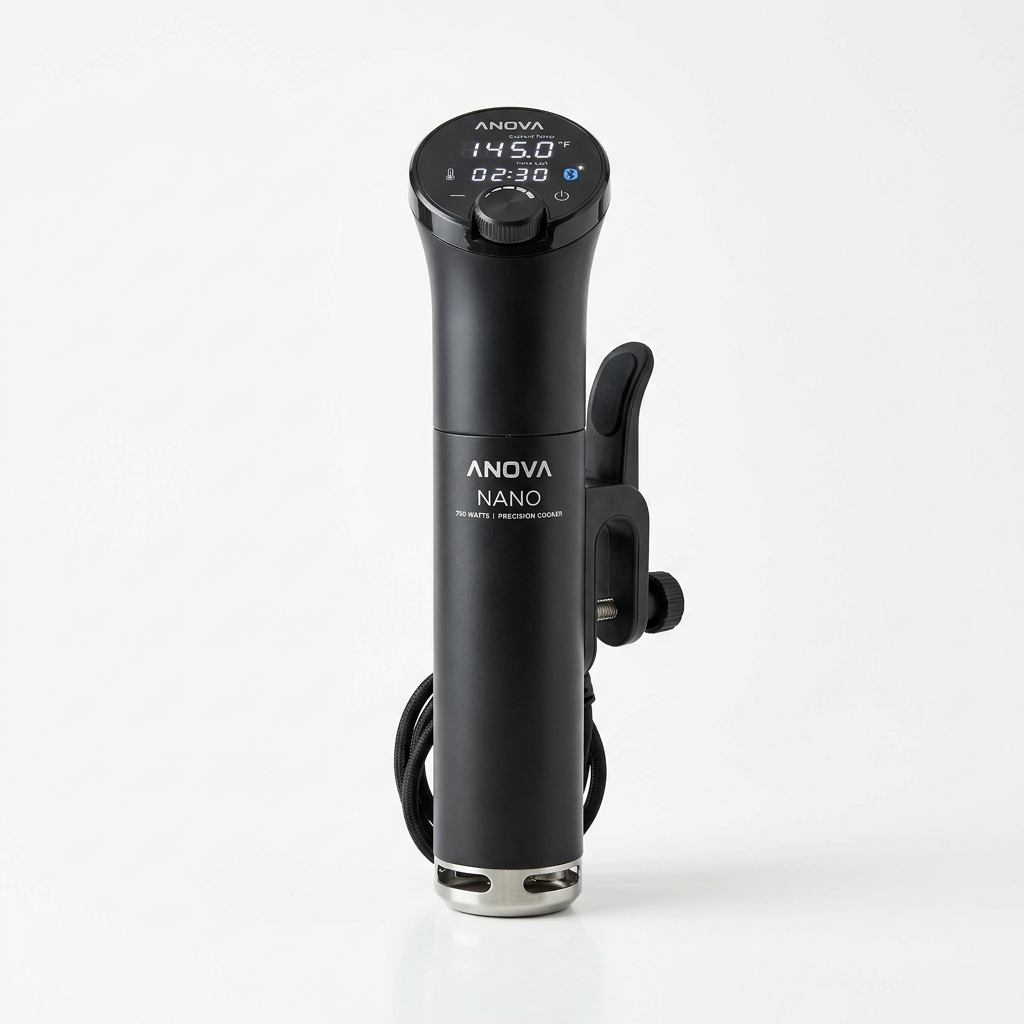
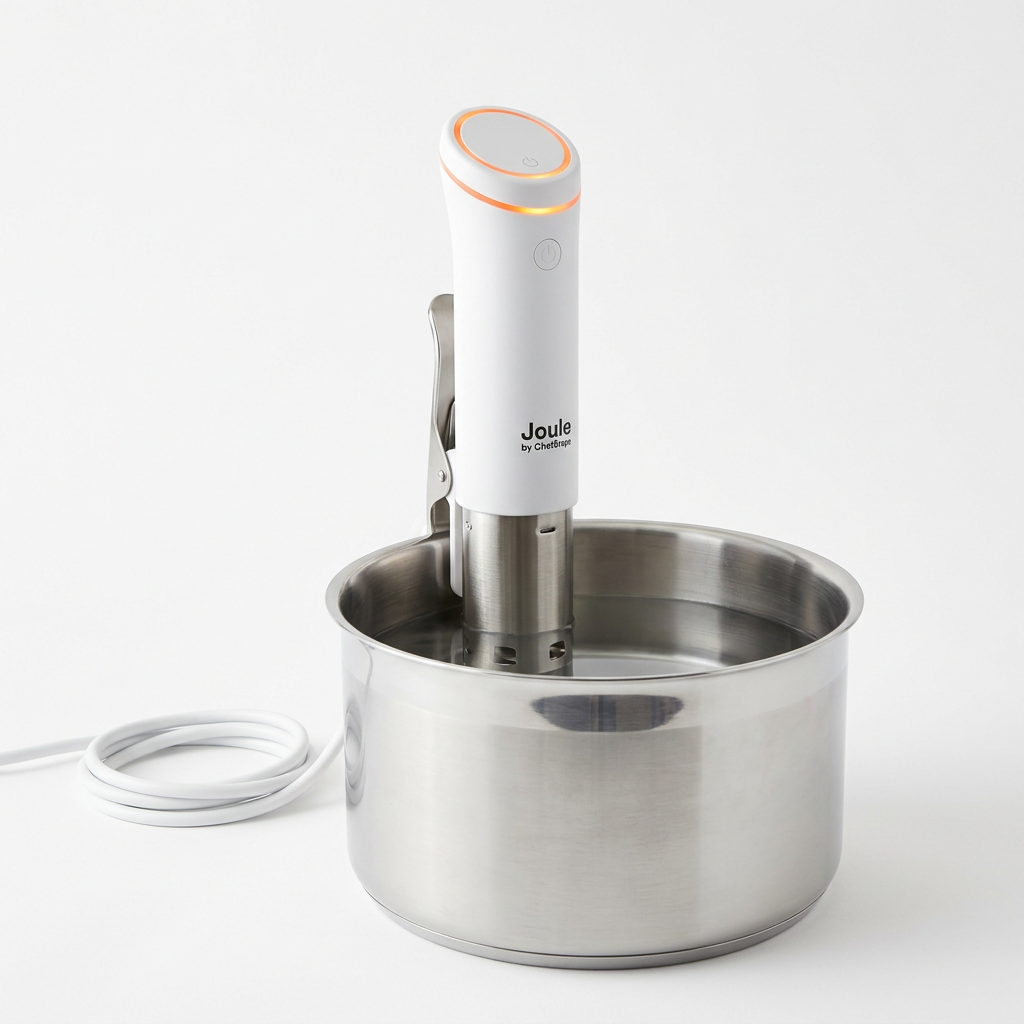
Sous Vide Immersion Circulator
The heart of any sous vide setup is the immersion circulator. This device heats the water and maintains a constant temperature to ensure precise cooking. When shopping for an immersion circulator, look for features such as:
Vacuum Sealer
While food can technically be cooked sous vide without a vacuum sealer, using one can significantly enhance the process. A vacuum sealer removes air from the bags, preventing flotation in the water bath and ensuring even cooking. Consider these features when selecting a vacuum sealer:
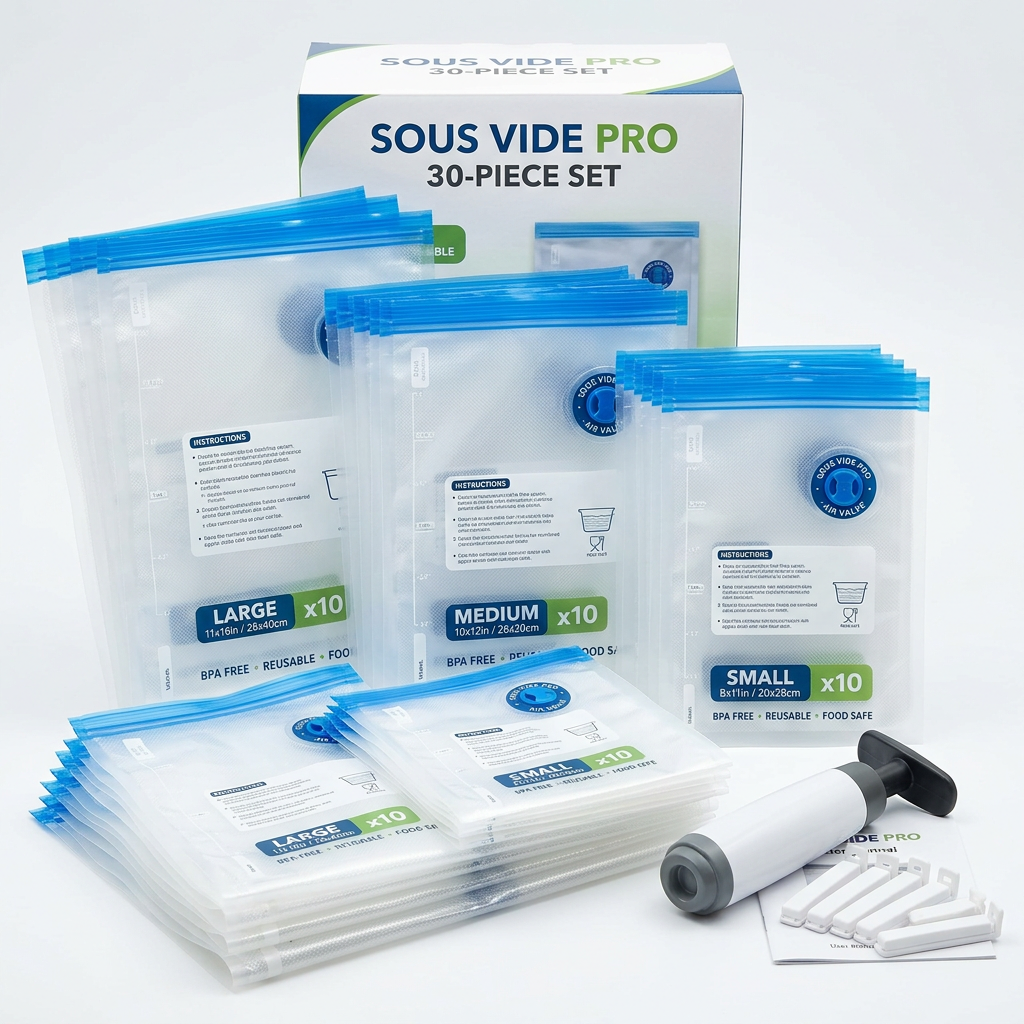
Sous Vide Bags and Containers
You'll need special bags and containers for sous vide cooking. Here’s what to note:
Getting Started with Sous Vide Cooking
With the right equipment at your disposal, it's time to dive into the world of sous vide cooking. Getting started is simple, and the versatility of this technique means you can experiment with various ingredients, flavors, and cooking times. Here are some steps to guide you through the process.
Step-by-Step Process
"Sous vide cooking opens the door to flexibility—if you need to extend the cooking time, it won't lead to overcooking, giving you time to prepare other parts of your meal."
Temperature and Time Guidelines
Understanding the correct temperature and time for cooking your ingredients is vital. Below are some general guidelines for common foods, including their ideal cooking temperatures and times.
Meats
- Medium-Rare: 130°F (54°C) for 1-4 hours
- Medium: 140°F (60°C) for 1-4 hours
- Juicy: 140°F (60°C) for 1-4 hours
- Tender: 140°F (60°C) for 1-4 hours
- Medium-Rare: 131°F (55°C) for 1-4 hours
Vegetables
Eggs
Seafood
Using these guidelines will help ensure that you achieve optimal results. It’s important to note that thicker cuts will require longer cooking times as heat needs to penetrate through to the center.
Flavor Enhancement Techniques
With sous vide cooking, your creativity knows no bounds. To elevate the flavors of your creations, consider the following techniques and flavor enhancement methods.
Herbs and Spices
Incorporating fresh herbs and spices into your vacuum-seal bags can enhance the taste of your food significantly. Here are a few ideas:
Smoke Flavor
If you love the taste of smoke, consider using a smoking gun. A few puffs of smoke added to your sealed bags can yield a fantastic smoky flavor to meats and vegetables. Alternatively, many sous vide enthusiasts use smoke-flavored oils or infuse their seasonings with wood chips.
Infused Oils
Infusing oils with garlic, herbs, spices, or peppers can add depth to your sous vide preparations. Simply place the ingredient with the oil in a vacuum bag and allow it to infuse while cooking. Use these infused oils to finish your dishes or drizzle over cooked vegetables and proteins.
Sous Vide Recipes to Try at Home
To inspire your sous vide journey, here are a few delicious recipes that incorporate the technique beautifully. Each recipe is designed to be simple and accessible for home cooks.
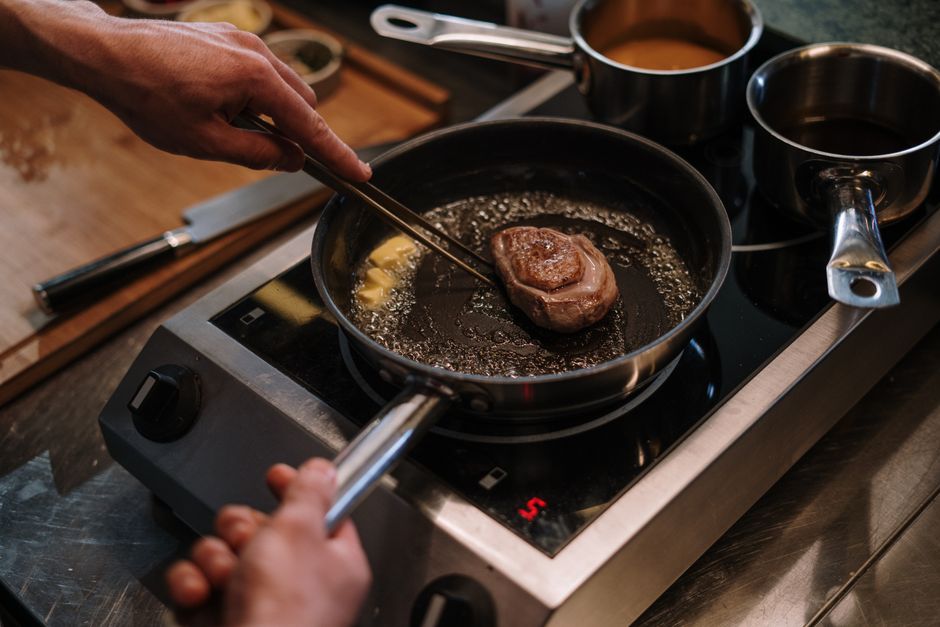
Garlic Butter Sous Vide Steak
Ingredients:
Instructions:
Sous Vide Carrots with Honey Glaze
Ingredients:
Instructions:
"By utilizing sous vide techniques, you bring out the natural flavors in ingredients, creating meals that are not just tasty but also invite exploration of flavor profiles."
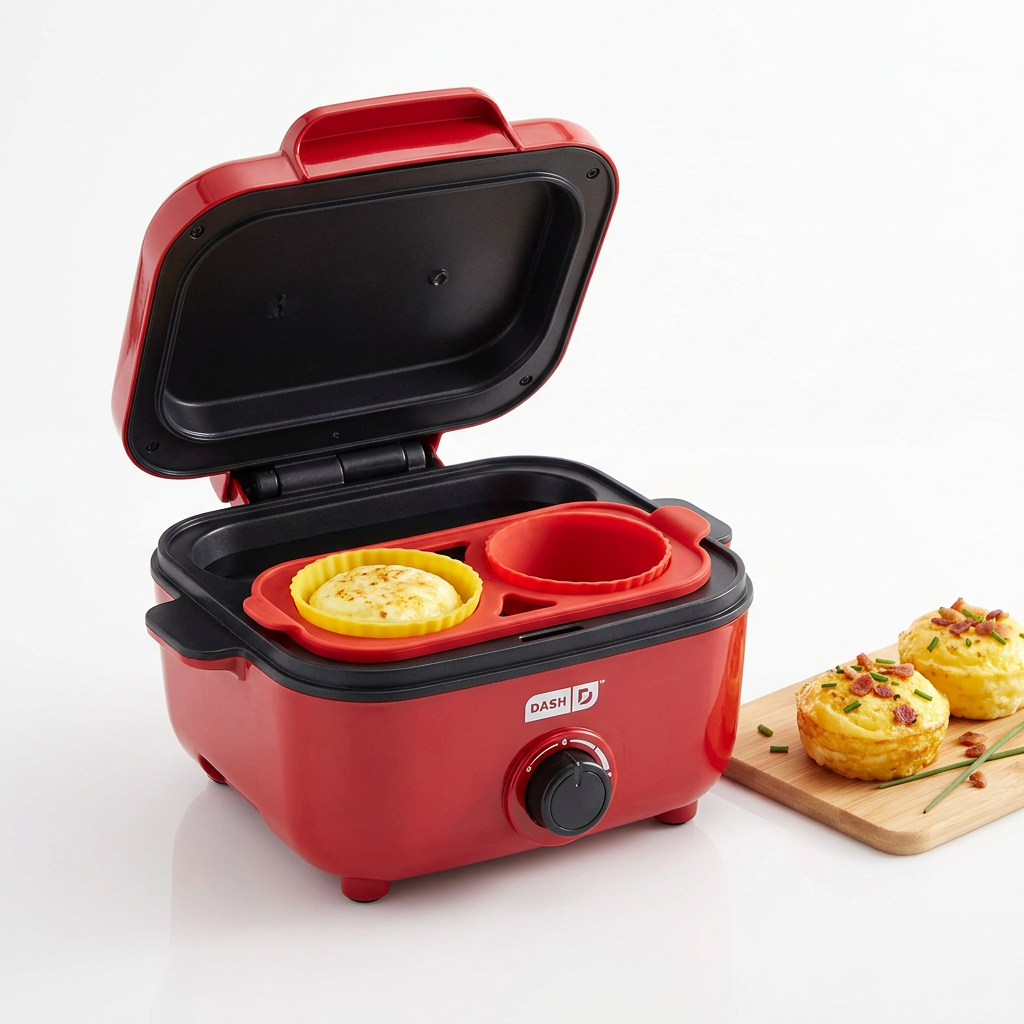
Sous Vide Poached Eggs
Ingredients:
Instructions:
Cleaning and Caring for Your Equipment
Maintaining your sous vide equipment is essential for both hygiene and longevity. Follow these tips to keep your immersion circulator and vacuum sealer in good condition.
Immersion Circulator Care
Vacuum Sealer Maintenance
Keeping your equipment in top shape not only promotes hygiene but also guarantees better results in your sous vide endeavors.
Conclusion
Sous vide cooking marries precision with creativity, allowing home cooks to experiment with flavors and techniques like never before. This method, which emphasizes maintaining perfect temperatures and textures, unlocks the full potential of your ingredients, making every meal an opportunity for excellence. Equipped with your immersion circulator, vacuum sealer, and the knowledge from this guide, you are ready to explore an exciting culinary landscape filled with delectable sous vide meals.
As you embark on your sous vide journey, remember that patience and practice are key. Don’t be afraid to experiment—after all, culinary artistry thrives on innovation. With sous vide, the possibilities are endless, promising dishes that are not only flavorful but also satisfying for both the cook and those who enjoy the fruits of your labor.
So go ahead, seize the chance to elevate your culinary skills with sous vide. Your family and friends will undoubtedly appreciate your commitment to quality cooking, and you may just find yourself commanding the kitchen with newfound expertise. Happy cooking!
Get the Next Recipe
Weekly recipes, techniques, and gear picks — straight to your inbox.
