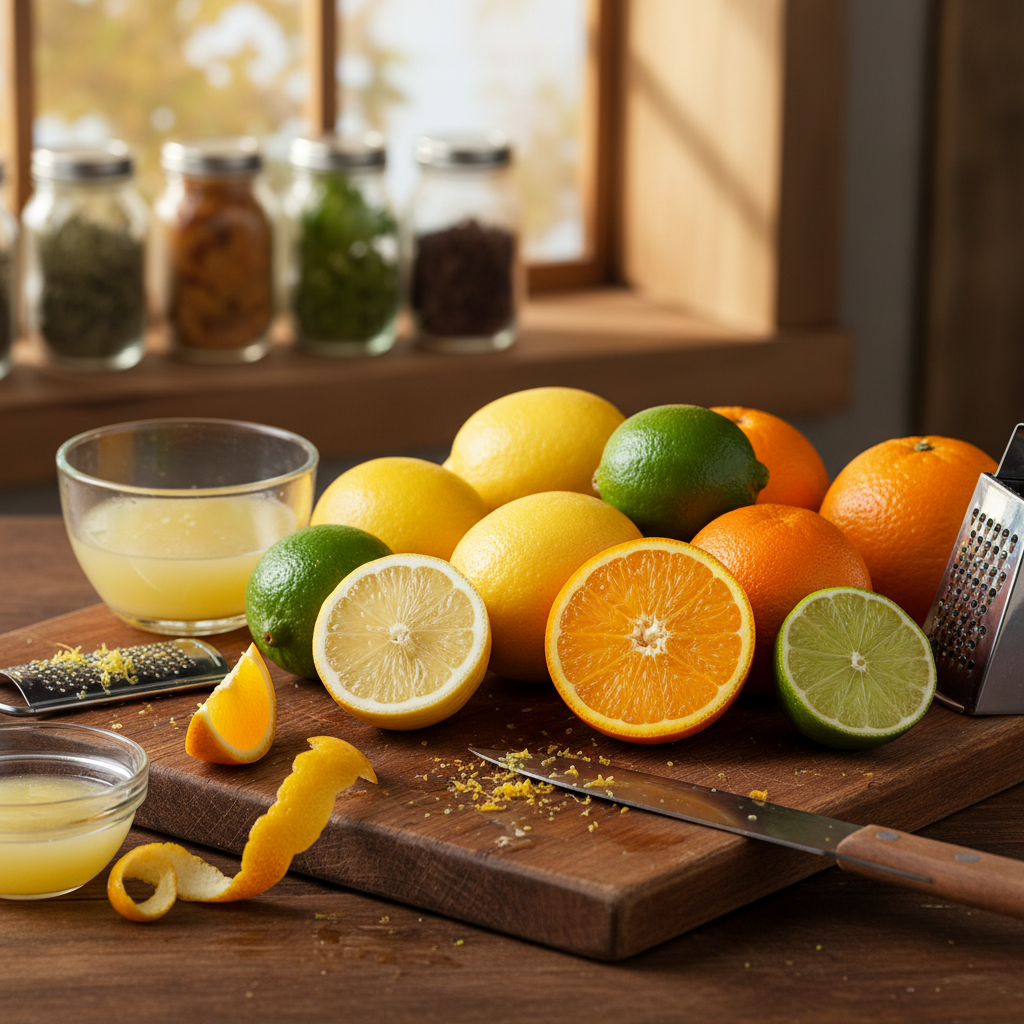
Harnessing the Power of Citrus: Essential Tips for Cooking with Lemons, Limes, and Oranges
Citrus fruits are more than just colorful accents in a dish; they are the aromatic backbone that can elevate the simplest meals into culinary masterpieces. Imagine the bright, invigorating zest of a lemon, the tropical sweet-tartness of a lime, or the fragrant juiciness of an orange—it’s like a burst of sunshine captured in your kitchen. These versatile ingredients not only enhance flavor but also provide an array of health benefits that can contribute to a well-rounded diet. As more home cooks rediscover the joy of using citrus, it’s essential to understand how to harness their full potential in cooking.
Understanding the distinct characteristics of each citrus fruit is the first step in mastering their use in the kitchen. Lemons, limes, and oranges possess unique flavor profiles and acidity levels that can significantly alter the outcome of a dish. Whether you're seasoning a delicate fish, marinating chicken, or preparing a refreshing dessert, the right citrus can make all the difference. Moreover, citrus ingredients are not limited to their juice alone; the fragrant zest and aromatic peels can also add depth and complexity to a variety of dishes.
In this comprehensive guide, we’ll explore the vast world of citrus cooking, starting with the practical aspects of selecting, storing, and preparing lemons, limes, and oranges. We will dive into how to incorporate these fruits into different cooking techniques, from roasting to pickling. Finally, we’ll share some creative, inspiring recipes that showcase the power of citrus, ensuring that you can confidently add these zesty wonders to your culinary repertoire. Grab your cutting board, and let’s get started on this delicious journey into the heart of citrus cooking!
Selecting the Right Citrus
Understanding the Varieties
When it comes to citrus fruits, variety is the spice of life. Each type of citrus serves its own purpose; for instance, the classic Eureka and Meyer lemons serve different culinary uses. Meyer lemons, thought to be a cross between a lemon and an orange, offer a sweeter, less acidic flavor. This makes them perfect for desserts or dishes where a milder lemon flavor is preferred. In contrast, Eureka lemons pack a strong tart punch, ideal for marinades and dressings where balance is key.
Similarly, limes come in two main varieties: Persian and Key limes. Persian limes are the ones most commonly found in grocery stores, offering a consistent size and flavor year-round. Key limes, on the other hand, are smaller and take more effort to juice, but they provide a unique sweetness that can transform dishes and cocktails. Oranges, too, have their favorites like Navel and Valencia. The Navel orange, perfect for snacking, has a naturally sweet flavor, while Valencia oranges are juicy and ideal for juicing.
Inspecting Quality
When choosing citrus fruits, look for ones that feel heavy for their size, indicating juiciness. The skin should be firm, smooth, and free of blemishes or soft spots. Here are some important tips:
A simple squeeze test can help determine ripeness; if a fruit gives slightly when pressed but still feels firm, it’s ripe and ready for use. Avoid fruits that appear shriveled or overly soft, as these are likely past their prime.
Storing Citrus Fruit
Proper Storage Techniques
Once you've selected your citrus fruits, proper storage is essential to maximizing their longevity and flavor. Citrus fruits should be stored in a cool, dry place, away from direct sunlight. Refrigeration can significantly extend their shelf life without sacrificing flavor, especially for lemons and limes. You can keep them in the crisper drawer of your refrigerator, where they can last for up to two weeks.
Here are some storage tips:
Signs of Spoilage
Like all fresh produce, citrus fruits have a limited shelf life. Signs of spoilage can include:
If you notice any of these signs, it’s best to discard the affected fruit and use the remaining ones before they go bad.
Preparing Citrus for Cooking
Zesting Techniques
The zest of citrus fruits contains essential oils that impart a fantastic aroma and concentrated flavor. Zesting involves removing the outer layer of the skin, known as the zest, while avoiding the bitter white pith underneath. To zest effectively, use a microplane zester, a box grater, or a zester tool specifically designed for this purpose.
Steps for zesting:
Extracting Juice
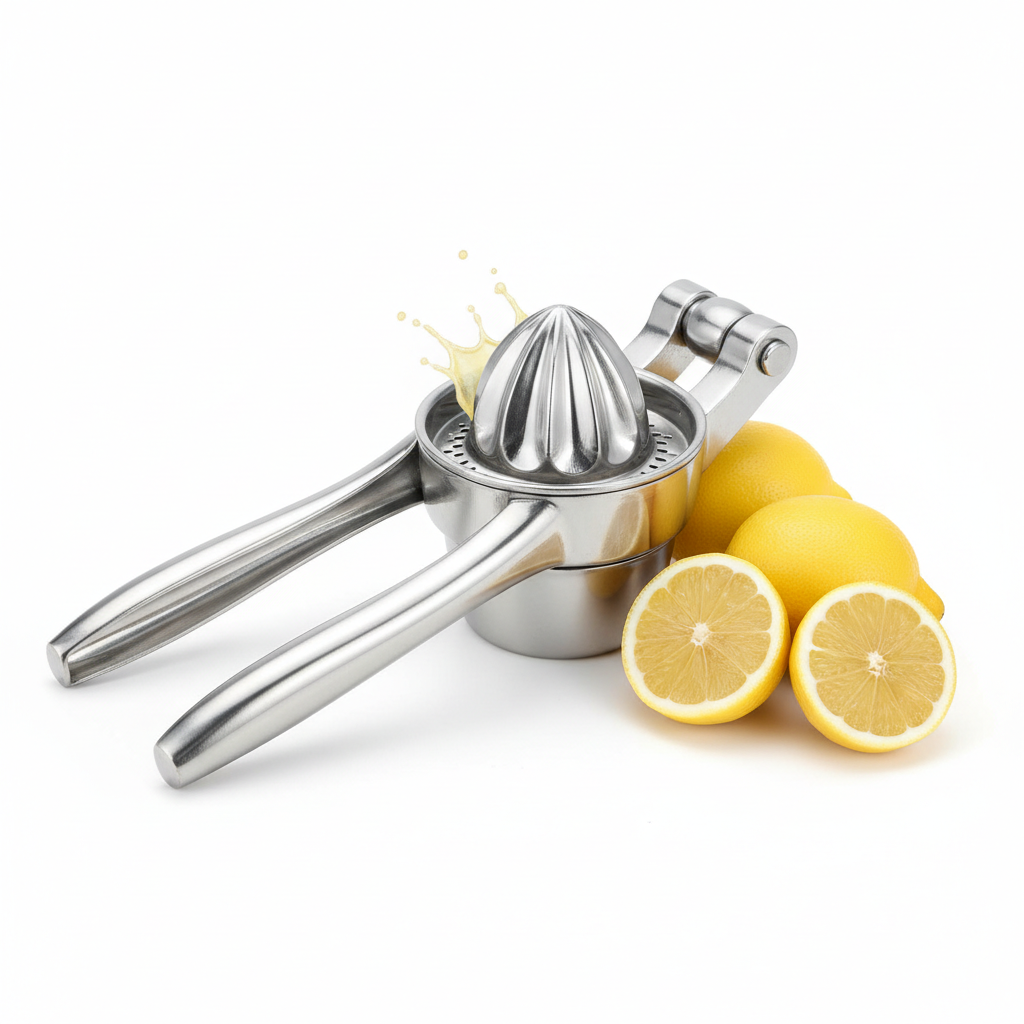
Juicing citrus fruits is an essential technique that can enhance both sweet and savory dishes. Use a hand juicer or citrus press for maximum efficiency and to extract more juice.
To juice effectively:
Working with Citrus Segments
For a more sophisticated presentation, you might want to use citrus segments in your dish. Removing the segments—also known as supreming—can be a bit tricky but adds elegance to salads and garnishes.
To supreme an orange:
Supreming results in perfectly-shaped, pith-free segments that can be used for garnishes or in salads.
Cooking with Citrus
Roasting and Grilling
Citrus fruits can be amazing when roasted or grilled. The heat caramelizes their sugars, deepening their flavors and creating a delightful contrast between sweetness and acidity. When preparing citrus for roasting, consider using a combination for added complexity.
Basic Steps for Grilling Citrus:
The resulting caramelized citrus can be used on fish, chicken, or as a component in a vibrant salsa or salad.
Marination Magic
Citrus juice makes a fantastic marinade due to its acidity, which helps tenderize meats while imparting rich flavors. When marinating proteins, always consider the acid-to-oil ratio, typically a 1:3 ratio of citrus juice to oil works best.
Marinade Example:
Combine ingredients in a bowl, mixing well to emulsify. Marinate chicken, fish, or pork for at least 30 minutes before cooking—up to 3 hours for deeper flavor.
Baking with Citrus
Citrus fruits can transform baked goods, providing moisture, flavor, and a delightful aroma. Citrus juice and zest can enhance cakes, muffins, and cookies. When baking, balance the acidity of the citrus with sugar; for example, a general ratio is:
Citrus Cake Recipe:
- 2 cups flour
- 1 1/2 cups sugar
- 1 cup unsalted butter, softened
- 4 large eggs
- 1/2 cup lemon juice
- Zest of 2 lemons
- 1 tablespoon baking powder
- Pinch of salt
This cake pairs wonderfully with a light dusting of powdered sugar and is equally delightful served with a dollop of whipped cream.
Creative Citrus Recipe Ideas
Simple Lemonade
Nothing screams refreshing like a cold glass of lemonade on a hot day. Making this classic beverage at home is both easy and rewarding.
Ingredients:
Instructions:
Key Lime Pie
This dessert is a classic that showcases the unique flavor of Key limes, leaving your guests wanting more.
Ingredients:
Instructions:
Orange and Avocado Salad
This light and refreshing salad is perfect as a starter or side dish, combining the sweetness of oranges with the creaminess of avocado.
Ingredients:
Instructions:
This salad is not only refreshing but also boasts a nutrient-rich profile, making it a healthful addition to any meal.
Conclusion
Harnessing the power of citrus is a skill every home cook should possess. The bright flavors of lemons, limes, and oranges can unify a dish, whether it’s a comforting roast or a refreshing dessert. By understanding how to select, prepare, and cook with these fruits, you open yourself up to a world of culinary possibilities.
As you embark on your citrus cooking adventure, remember that trial and error is part of the learning process. Don't be afraid to experiment with different flavor combinations or cooking techniques. Each recipe becomes an opportunity to improve your skills and discover new flavor profiles that excite your palate.
With the right techniques and a zest for experimentation, you'll not only impress your family and friends but also nurture your love for cooking. So grab your juicer, zest like a pro, and let the vibrant flavors of citrus transform your meals into unforgettable experiences. Happy cooking!


Get the Next Recipe
Weekly recipes, techniques, and gear picks — straight to your inbox.
