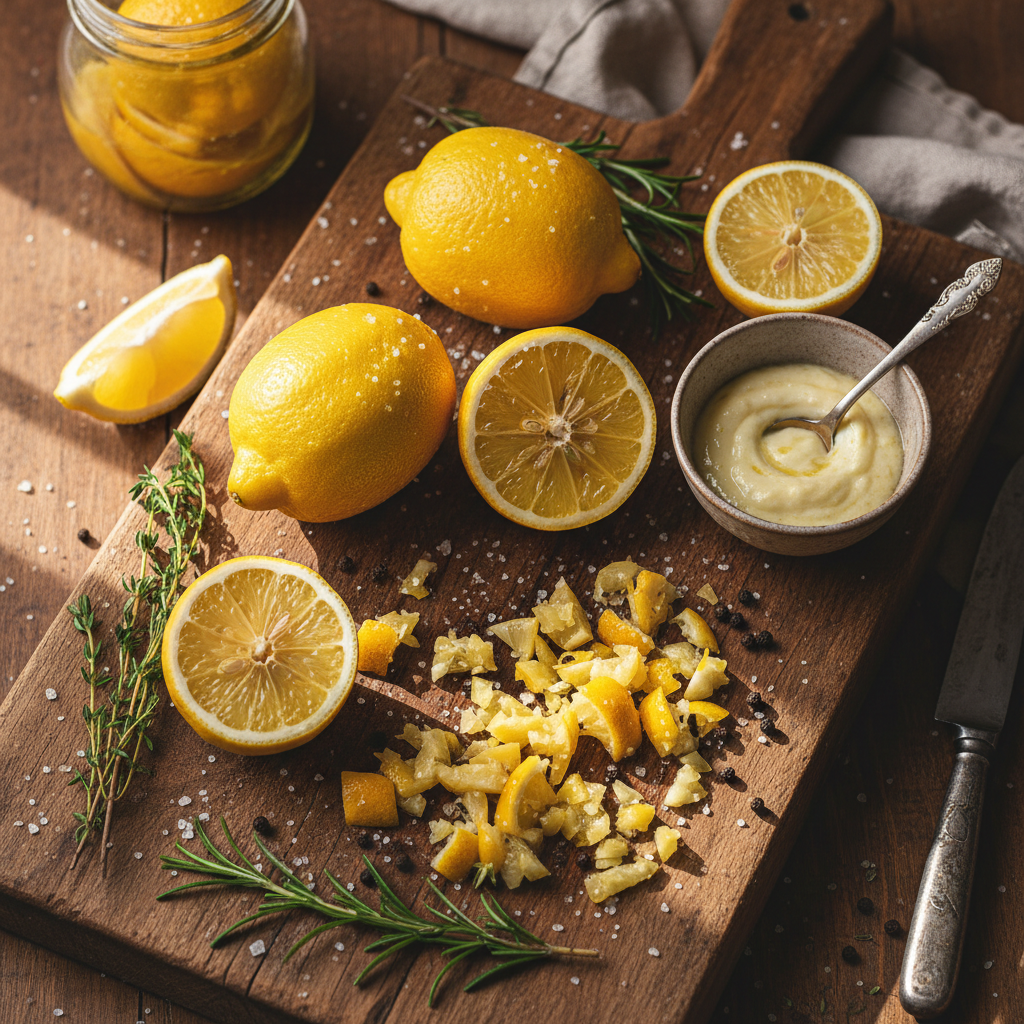
Harnessing the Power of Preserved Lemons: Elevate Your Dishes with a Zesty Twist
Ingredients

Harnessing the Power of Preserved Lemons: Elevate Your Dishes with a Zesty Twist

C
By The Chef
|June 8, 2026|11 Min Read
πŸ“‹
Recipe Card
4 ingredients Β· 0 steps
Servings
4
Ingredients
Instructions
Progress
0%

Preserved lemons are a culinary treasure that can transform ordinary dishes into extraordinary culinary experiences. Originating from North African cuisine, particularly Moroccan cooking, these tangy citrus wonders are made by packing fresh lemons in salt and letting them ferment over time. The result is a unique balance of zest and umami, creating flavors that are both bright and savory. As their magic unfolds, preserved lemons become versatile ingredients, enhancing various dishes from salads to stews, and even desserts.

For many home cooks, the idea of using preserved lemons may feel intimidating. However, integrating these ingredients into your culinary repertoire can be a game-changer. Once you grasp the essence of preserved lemons and how to wield their tangy goodness, they can elevate your dishes with a simple twist. Think of preserved lemons as your secret weapon, offering an incredible depth of flavor without being overly complicated.

One of the most delightful aspects of cooking with preserved lemons is their ability to complement a wide array of culinary traditions. While they shine in Mediterranean and Middle Eastern cuisine, their versatility extends beyond those borders. From roasting meats to brightening up grains and legumes, preserved lemons can equally enhance seafood and even dairy dishes. In this blog post, we will explore the rich history, how to prepare them, and the endless ways to incorporate this bright ingredient into your everyday cooking.

The Fascinating History of Preserved Lemons

Culinary Origins

Preserved lemons, known as "l'hamd marqqad" in Arabic, have been a staple in the Mediterranean for centuries, particularly in Moroccan cuisine. Their origins can be traced back to ancient trade routes, where lemons were initially valued for their preservation properties rather than their flavor. The use of salt to pickle these citrus fruits allowed them to be stored for long periods, particularly in regions where fresh produce was scarce.

As societies developed, so did the culinary applications of preserved lemons. Moroccan cooks began incorporating these lemons into tagines, sauces, and salads. The tanginess of preserved lemons paired beautifully with the aromatic spices of North African cuisine like cumin, coriander, and saffron. The combination created a symphony of flavors that is still enjoyed today.

Cultural Significance

In addition to their culinary uses, preserved lemons hold cultural significance in many regions. They are not only involved in everyday cooking but also feature prominently in celebrations and traditional meals. For example, during Moroccan weddings, dishes embellished with preserved lemons symbolize hospitality and abundance. This highlights the ingredient's importance and the care taken in preparing it.

When you preserve lemons, you are not just creating an ingredient; you are participating in a rich culinary tradition that connects you to a cultural past. This understanding can deepen your appreciation of the bright tang they bring to your dishes and inspire you to explore their countless uses.

Modern Adaptations

Today, preserved lemons have garnered attention beyond Moroccan kitchens. Chefs and food enthusiasts worldwide have started to embrace this vibrant ingredient, incorporating it into everything from modern American cuisine to Italian and Asian dishes. The contemporary culinary scene welcomes preserved lemons as a way to infuse unexpected flavors into popular recipes, allowing home cooks to experiment with zest and acidity.

This global reach encourages creativity in the kitchen, as chefs explore new methods of employing preserved lemons. From sauces to marinades, their versatility makes them an exciting ingredient for those willing to step outside culinary conventions. As the world of gastronomy continues to evolve, the humble yet magnificent preserved lemon stands as a symbol of both tradition and innovation.

How to Make Your Own Preserved Lemons

Ingredients and Equipment

Creating your own preserved lemons at home is a simple process that requires minimal ingredients. Here’s what you'll need:

●Fresh lemons: About 5-10 depending on the jar size.
●Kosher salt: About 1 cup per jar as the primary preserving agent.
●Optional spices: Bay leaves, coriander seeds, or peppercorns for added complexity.
●Clean glass jars: With tight-fitting lids to keep the air out.

Step-by-Step Instructions

1.Sterilize your jars: To ensure your preserved lemons last as long as possible, it’s crucial to start with clean jars. You can sterilize jars by boiling them in water for 10-15 minutes or running them through a dishwasher cycle.
2.Prepare the lemons: Wash the lemons thoroughly to remove any wax or pesticides. Cut off the ends of each lemon, then quarter them lengthwise, leaving them attached at one end, like a flower. This cut allows salt to penetrate and preserve the lemons effectively.
3.Pack with salt: Place a layer of salt at the bottom of the sterilized jar. Begin packing the quartered lemons into the jar, sprinkling salt between each layer. Make sure to press down firmly to release the juice. Continue packing until you’ve filled the jar, leaving a bit of space at the top.
4.Add spices (optional): For an added layer of flavor, feel free to incorporate spices between the layers of lemons. Consider using a bay leaf or a few peppercorns for warmth and complexity.
5.Seal and store: Finally, cover the lemons with juice, adding a bit more salt on top. Seal the jar tightly and place it at room temperature for about three to four weeks. Shake the jar gently every few days to help dissolve the salt and redistribute the juices.

Tips for Perfect Preservation

●Choose the right lemons: Look for organic, unwaxed lemons as they’ll be free from harmful chemicals. Meyer lemons, with their sweeter taste, can also be used for a different flavor profile.
●Experiment with salt: While kosher salt is recommended, you can use sea salt or any non-iodized salt. Iodized salt can cause discoloration and may alter the flavor of the preserved lemons.

Storage and Shelf Life

Once your preserved lemons are ready, store them in the refrigerator to prolong their freshness. They can last for up to a year in the fridge, but once opened, use them within a few months for best quality. The flavor tends to improve over time, allowing home cooks to explore the evolving taste profiles with each batch.

Using Preserved Lemons in Your Cooking

Flavor Pairings

As you venture into cooking with preserved lemons, one of the most exciting aspects is discovering flavor pairings that complement their unique taste. Here are some excellent pairings to consider:

●Herbs: Fresh herbs like parsley, cilantro, and mint enhance the bright acidity of preserved lemons.
●Spices: Cumin, coriander, turmeric, and saffron work well with the tangy note of preserved lemons, introducing warmth and depth to dishes.
●Proteins: Chicken, fish, and lamb are excellent choices; the acidity of preserved lemons can tenderize and infuse these proteins with incredible flavor.
●Vegetables: Pair preserved lemons with roasted or grilled vegetables such as cauliflower, asparagus, and carrots to create colorful, delicious sides.
●Grains: Use preserved lemons to boost the flavor of couscous, quinoa, and rice, creating satisfying base dishes to accompany various proteins.

Cooking Techniques

1.Chopping and Dicing: Slice thinly to incorporate into salads or finely chop to sprinkle over vegetables or grains.
2.Marinating: Create a marinade with chopped preserved lemons, olive oil, garlic, and herbs to soak meat or fish before cooking.
3.Sauces and Dressings: Incorporate the bright flavor of preserved lemons into vinaigrettes or sauces, adding a zesty twist.

The Art of Balancing Flavors

When using preserved lemons, achieving balance in a dish is key. Here are some techniques to help you find that perfect equilibrium:

●Taste as you cook: Always taste and adjust seasonings, especially since preserved lemons provide saltiness and acidity. Start with small amounts and gradually increase if necessary.
●Complement with fat: The richness of fats like olive oil, butter, or nuts can help balance the sharp tang of preserved lemons, creating a harmonious dish.
●Add sweetness when necessary: Depending on your other ingredients, a touch of honey, maple syrup, or sweet fruits like figs can help neutralize the acidity.

Recipes Featuring Preserved Lemons

Moroccan Chicken Tagine

#### Ingredients

●4 chicken thighs, bone-in, skin-on
●2 tablespoons olive oil
●1 onion, finely chopped
●2 garlic cloves, minced
●2 teaspoons ground cumin
●1 teaspoon ground cinnamon
●1 teaspoon ground ginger
●1 preserved lemon, pulp discarded, rind finely chopped
●1 cup chicken broth
●1 cup dried apricots, halved
●Fresh cilantro, for garnish

#### Instructions

1.Heat the oil: In a large tagine or Dutch oven, heat the olive oil over medium heat.
2.Brown the chicken: Season the chicken thighs with salt and pepper, then brown them in the hot oil, about 5-7 minutes per side. Remove and set aside.
3.Cook the aromatics: Add the chopped onion and garlic to the same pot, cooking until soft and fragrant.
4.Spice it up: Stir in the cumin, cinnamon, and ginger, cooking for another 1-2 minutes until aromatic.
5.Combine ingredients: Add the preserved lemon, broth, and dried apricots back into the pot. Return the chicken to the pot, cover, and let simmer for 40-45 minutes until the chicken is tender.
6.Garnish and serve: Serve with couscous, topping with fresh cilantro for color and flavor.

Lemon Spaghetti with Preserved Lemons

#### Ingredients

●400g spaghetti
●2 tablespoons olive oil
●1 preserved lemon, rind finely chopped
●2 garlic cloves, minced
●Zest of 1 lemon
●Juice of 1 lemon
●1 cup Parmigiano-Reggiano cheese, grated
●Fresh parsley, chopped for garnish

#### Instructions

1.Cook the pasta: In a large pot of salted boiling water, cook the spaghetti according to package instructions until al dente.
2.Prepare the sauce: While the pasta cooks, heat olive oil in a large skillet. Add the minced garlic and sautΓ© until golden.
3.Add the preserved lemon: Toss in the preserved lemon rind, lemon zest, and juice, allowing the flavors to blend for a minute.
4.Combine: Drain the pasta, reserving a bit of pasta water. Add the pasta to the skillet, tossing to combine. If the sauce seems too dry, add a splash of reserved pasta water.
5.Finish with cheese: Add the Parmigiano-Reggiano, tossing until well combined. Garnish with chopped parsley before serving.

Clever Hacks with Preserved Lemons

Everyday Uses

Preserved lemons are one of those secret ingredients that can jazz up many everyday meals without being conspicuous. Use them in ways you might not have considered before:

●In oatmeal or yogurt: Chop a small piece of preserved lemon and stir it into breakfast oatmeal or plain yogurt with honey. The burst of acidity can balance the sweetness beautifully.
●In salad dressings: Incorporate chopped preserved lemons into your standard vinaigrette to add a zesty kick. This method is exceptionally effective for grain-based salads.
●Flavoring broths: Add preserved lemon to vegetable or chicken broths for soups and stews for complexity that you cannot achieve with fresh lemons alone.

Quick Substitutions

If you're in a pinch and out of preserved lemons, you can create a rough semblance of their complex flavor. Try it with these substitutes:

1.Fresh lemon juice: Use fresh lemon juice along with a sprinkle of coarse salt. Though not as intense, it will provide similar acidity.
2.Capers: For a briny taste, consider adding capers to dishes requiring preserved lemons; they have a similar saline quality.
3.Vinegar: A splash of good-quality vinegar (like white balsamic) can mimic the acidity, but it won’t replicate the exact flavor.

Preserved Lemon Paste

Another great way to utilize preserved lemons is by creating a preserved lemon paste. This can be a time-saver for future meals. To prepare the paste:

1.Combine chopped preserved lemons, garlic, and olive oil in a food processor.
2.Process until it reaches a smooth consistency.
3.Store in an airtight container in the fridge for use in marinades, dressings, and even as a base for flavored dips.

Conclusion

Incorporating preserved lemons into your cooking arsenal opens up a world of flavor possibilities, connecting culinary traditions and modern innovation. By understanding their history and learning how to properly prepare and use them, you can create memorable dishes that surprise and delight.

Whether you decide to experiment with classic recipes or invent your own, preserved lemons bring a distinct tanginess and complexity that can transform your cooking.

As you embrace this ingredient, remember the key is to balance their bright acidity with other flavors, creating dishes that harmonize beautifully. So, venture into the exciting realm of preserved lemons. You might just find that with each recipe, you create a little magic in your kitchenβ€”one zesty twist at a time.

🧰 Gear for this recipe
Tools our chefs reach for when cooking this
Miyabi Birchwood Chef Knife 9.5 inch
Knives & Cutting
Miyabi Birchwood Chef Knife 9.5 inch
β˜…β˜…β˜…β˜…β˜…4.9
$250-$320
View on Amazon
Thermapen ONE Instant Thermometer
Thermometers
Thermapen ONE Instant Thermometer
β˜…β˜…β˜…β˜…β˜…4.9
$99-$109
View on Amazon

As an Amazon Associate we earn from qualifying purchases.

🍳

Get the Next Recipe

Weekly recipes, techniques, and gear picks β€” straight to your inbox.

No spam, ever. Unsubscribe anytime.

YesChef - Learn from the world's best chefs
Β© 2026 Blame The Chef
🍳

Never Miss a Recipe

Weekly recipes, kitchen tips, and gadget picks β€” straight to your inbox.

No spam, ever. Unsubscribe anytime.


