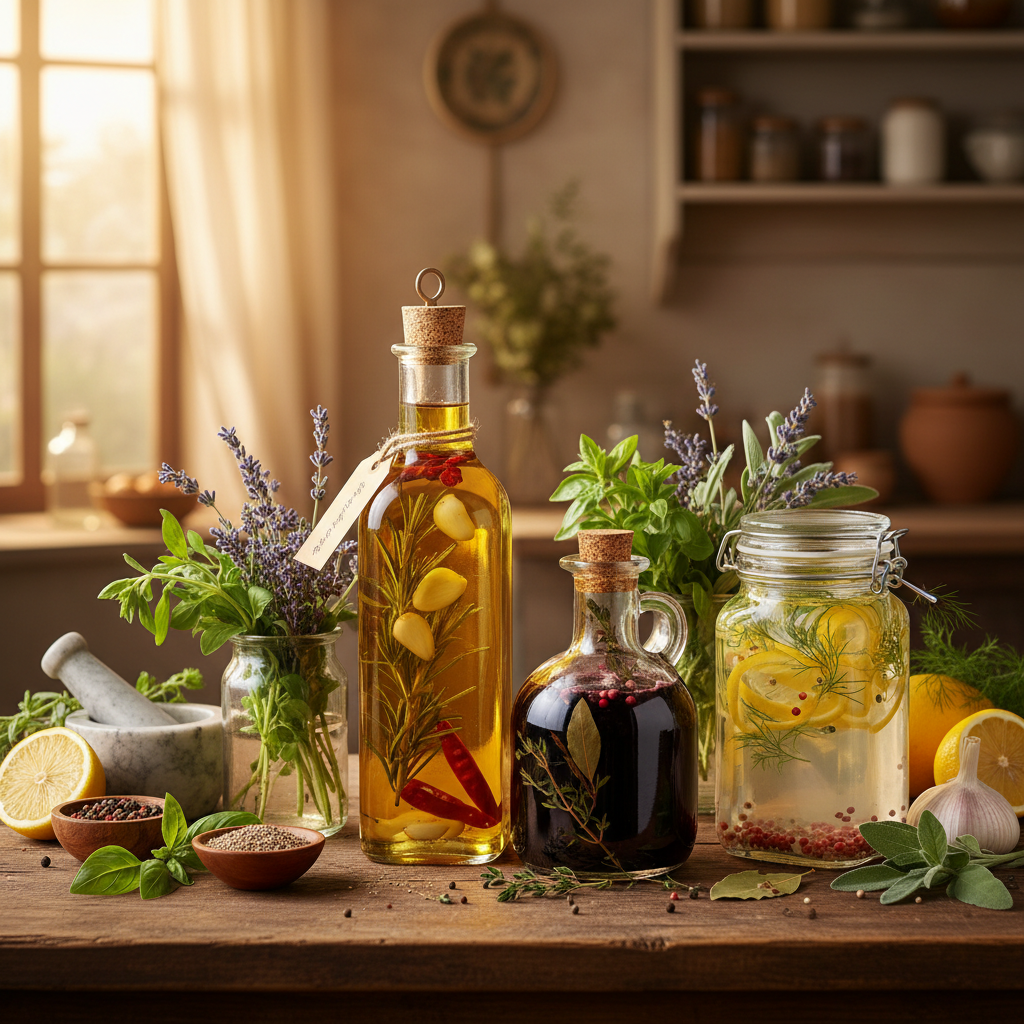
Herb Infusions: How to Create Flavor-Packed Oils and Vinegars at Home
Creating infused oils and vinegars at home is not just a culinary endeavor; it's an art form that allows you to express your creativity while enhancing the flavors of your everyday meals. Herb infusions act as flavor powerhouses, giving an exhilarating twist to salad dressings, marinades, sauces, and more. The best part is that you can customize these infusions to suit your individual taste preferences, using fresh or dried herbs, spices, and even fruits. This culinary journey not only adds a personal touch to your dishes but also enhances your understanding of flavors and complements, broadening your skills as a home cook.
Infusing oils and vinegars may sound complicated, but it’s surprisingly straightforward and highly rewarding. The process involves steeping your choice of herbs, spices, or other flavor elements in a carrier oil or vinegar, allowing the essence of the ingredients to meld together over time. The resulting products can elevate simple recipes into sumptuous delights. In this post, we will explore both the traditional methods of infusion as well as some innovative techniques to create vibrant flavors that will impress family and friends alike.
Whether you aim to drizzle a fragrant herb oil over grilled vegetables, marinate chicken in lemon-infused vinegar, or finish a dish with a punchy herb readymade from your pantry, being able to create your own flavor-packed oils and vinegars opens up a whole new world of culinary possibilities. Let's delve into the essential skills and knowledge needed to master herb infusions and turn your kitchen into a flavor laboratory.
Understanding the Basics of Infusion
Herb infusion is a fundamental culinary technique used to extract flavors from fresh or dried herbs, spices, and other ingredients. It’s important to understand the two primary bases for infusions: oils and vinegars. Both have their unique properties and are suited to different types of dishes, but they share commonalities when it comes to the infusion process.
Types of Oils for Infusion
Choosing the right oil is essential for a successful infusion. The base oil should have a neutral flavor if you want the infused herbs to shine. Some great choices include:
On the other hand, if you want to create a more robust flavor profile, you could lean towards more flavorful oils like extra virgin olive oil or even sesame oil for Asian-inspired infusions.
Types of Vinegars for Infusion
Similar to oils, vinegars provide varied flavors depending on their source. Common choices include:
Understanding which oil or vinegar best suits the flavor profile you are aiming for will set the foundation for your infusion success.
“Infusing oils and vinegars isn’t just a method; it’s a passion. It connects you with your ingredients and brings life to your cooking.”
Choosing the Right Herbs
When it comes to herbs, the world is your oyster. Think fresh herbs like basil, rosemary, thyme, and parsley, or dried versions like oregano, crushed red pepper flakes, or bay leaves. Each herb brings its distinct flavor profile. Here’s how to select:
The Infusion Process: Step-by-Step Guide
Infusing oils and vinegars follows a simple yet effective process. The following steps will guide you through creating your flavor-packed infusions, ensuring you capture the essence of your chosen ingredients perfectly.
Step 1: Select Your Ingredients
Deciding what to use in your infusion is step one. Gather:
Step 2: Prepare the Ingredients
Step 3: Combine and Heat (for Oils only)
If you choose to use a warm infusion method for oil:
For cold infusions, simply skip this heating step and combine herbs and oil in a clean, dry bottle.
Step 4: Bottle Your Infusion
Step 5: Store and Age
“Patience is key in the infusion game. Give your ingredients time to shine and they will reward you with beautiful flavors.”
Creative Ideas for Flavor Combinations
Creating infused oils and vinegars is a fantastic opportunity to let your creativity flow. Consider unique pairings, seasonal ingredients, and personal preferences as you concoct your flavor combinations. Here are some inspirations:
Herb and Garlic Olive Oil
Ingredients:
Instructions:
Lemon-Basil Vinegar
Ingredients:
Instructions:
Spicy Chili Oil
Ingredients:
Instructions:
Caprese-Style Balsamic Vinegar
Ingredients:
Instructions:
Safety Considerations When Infusing
While making herb-infused oils and vinegars at home can be fun and rewarding, there are important safety considerations to keep in mind to prevent spoilage or foodborne illnesses:
Oil Infusion Safety
- Always store infused oils in the refrigerator if using fresh ingredients and consume them within a week or two.
- Use dried herbs for long-lasting infusions, which are safer at room temperature.
Vinegar Storage
General Guidelines
Exploring Beyond Herbs
While herbs are the primary focus of infusion, don’t forget that oils and vinegars can also be flavored using an array of other ingredients. Incorporating fruits, spices, and other flavorings can yield unexpected and delightful results.
Fruits in Infusions
Infusing oils or vinegars with fruits can provide a stunning twist:
Spices and Seeds
Using spices can create warming notes in your infusions:
Unique Combinations
Experimenting with alternative ingredients can lead to fantastic discoveries:
Cooking with Infused Oils and Vinegars
Armed with your own beautifully crafted infused oils and vinegars, you may wonder how best to implement them in your cooking. Here are some ideas to inspire you:
Salad Dressings
Creating dressings is one of the easiest and most impactful ways to utilize your infused vinegar. For example, use lemon-basil vinegar with a pinch of salt and a squeeze of fresh lemon juice for a refreshing salad dressing.
Marinades
Use infused oils for marinades to enhance flavor and tenderize meats. Here’s how:
Finishing Touches
Consider finishing your dishes with a drizzle of your infused oil or vinegar:
Conclusion
Mastering the art of herb infusions empowers home cooks to elevate their culinary creations with personalized flavors. Infusing oils and vinegars not only adds depth and character to your dishes but also offers a creative outlet in the kitchen. Experimenting with varying combinations of herbs, fruits, and spices will surely lead you to some of your most unique and beloved flavors.
The process of creating these infused products encourages exploration and experimentation, so don't hesitate to play with different ratios and ingredients until you find combinations that resonate with your palate. Remember to be mindful of safety, especially with your oils, and enjoy the rewarding moments of gifting or sharing your flavorful creations.
As you get started on your journey, be patient, have fun, and let your personality shine through every bottle. Infused oils and vinegars are not just toppings; they carry stories and memories, bridging the gap between simple ingredients and extraordinary dishes. Now, let your culinary adventure begin as you infuse your world with flavor!
(Word Count: 2261)
Get the Next Recipe
Weekly recipes, techniques, and gear picks — straight to your inbox.
