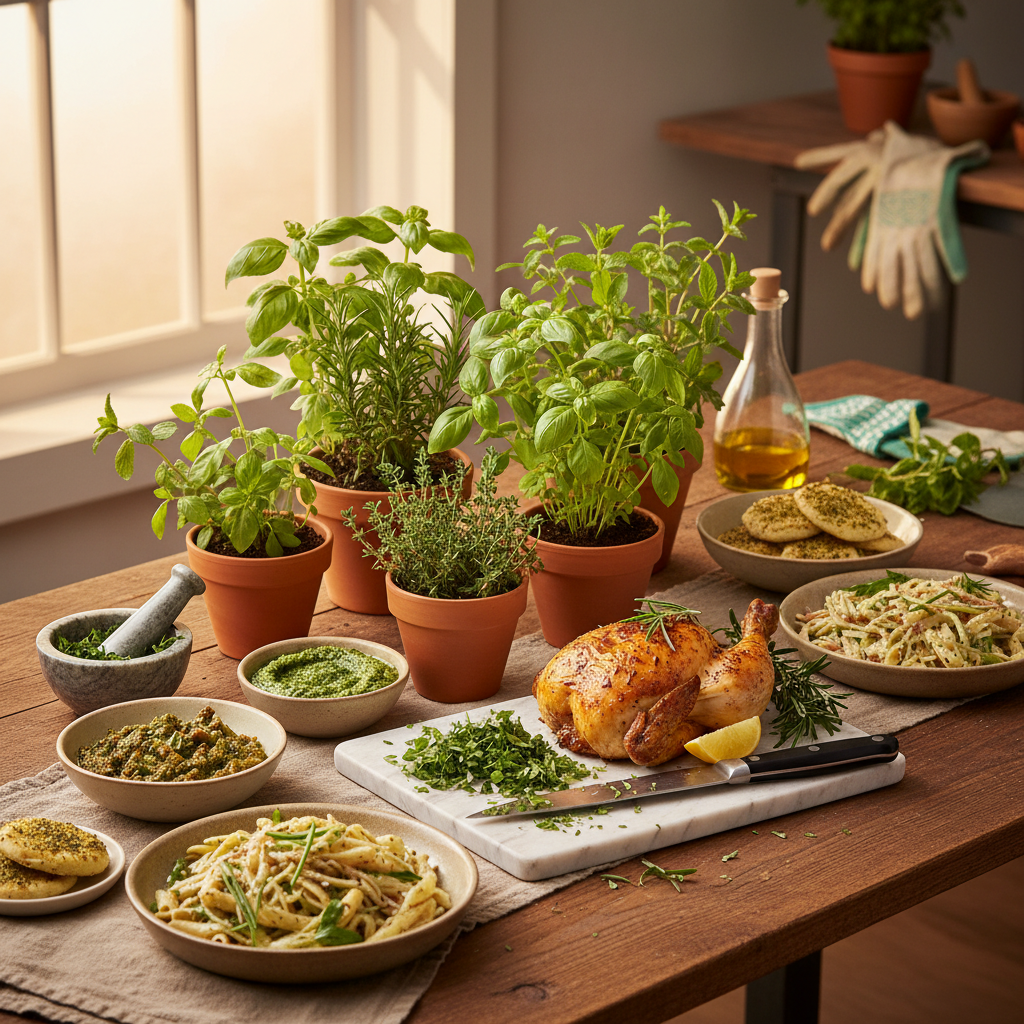
Herb Mastery: A Beginner's Guide to Growing and Cooking with Fresh Herbs
Herbs are the heart and soul of countless cuisines around the world, bringing depth and vibrancy to dishes that otherwise might fall flat. There is something undeniably rewarding about cultivating your own herbs, watching them grow from seeds or seedlings into lush green plants that not only elevate your meals but also enrich your cooking experience. The crisp aromas of freshly picked basil, oregano, or cilantro can transform an ordinary dish into something extraordinary. This beginner's guide will delve into the joys and techniques of growing herbs at home, as well as inspire you to incorporate fresh herbs into your cooking, maximizing their flavor and nutritional benefits.
Starting your own herb garden is not just a way to ensure a steady supply of these flavorful greens; it is also a therapeutic endeavor that reconnects you with nature. It encourages mindfulness as you nurture each plant, and there is nothing quite like the satisfaction of seasonally harvesting your own herbs. Whether you have a sprawling backyard or a small windowsill, growing herbs is among the easiest and most rewarding gardening tasks one can undertake. In this guide, we will demystify the processes involved, from selecting the right herbs suited for your space, to planting, caring for, and harvesting them.
As we take you through each section, we’ll provide practical tips, techniques, and flavorful recipes that allow you to use your freshly grown herbs effectively. With the right knowledge, you’ll become adept at using herbs to elevate your culinary skills, impressing your family and friends with delicious, aromatic dishes that sing with freshness. So let's dive into the world of herbs and begin this exciting culinary journey together!
Choosing the Right Herbs
Selecting the right herbs is crucial, especially for beginners. Not all herbs are created equal in terms of growth conditions, maintenance requirements, and culinary uses. When starting your herb garden, consider factors such as climate, available space, and your personal taste preferences. Certain herbs thrive better in specific conditions, while others can easily flourish in a variety of environments.
Most Popular Culinary Herbs
Here’s a list of popular culinary herbs that are great for beginners:
When selecting your herbs, take into account your culinary preferences. If you are a fan of Mediterranean cuisine, opt for rosemary, basil, and oregano. For Asian dishes, cilantro, mint, and Thai basil are quintessential. Establishing what herbs you will use most will not only ensure your gardening efforts are more fruitful but also keep your cooking experiments exciting.
Assessing Space and Climate
Before planting, assess the space where you intend to grow your herbs. You might be surprised at how many herbs can thrive in limited areas, including pots or vertical gardens. If you have direct sunlight for most of the day, you can grow sun-loving herbs such as basil and rosemary. If your space is more shaded, parsley and chives will still flourish.
Consider your climate as well. Some herbs like basil and mint thrive in warmer temperatures, while others, like chives and thyme, might tolerate cooler conditions. Research the hardiness of each herb to ensure it can survive in your local climate.
Planting Your Herb Garden
Planting is the next exciting step. Once you've chosen your herbs, you'll need to consider how you're going to plant them. You can either start from seeds or buy young plants from your local nursery. Each method has its own advantages and challenges—starting from seeds is cost-effective but requires patience, while buying established plants gives you instant gratification.
Seeds vs. Seedlings
- Cost-Effective: Buying a pack of seeds is often cheaper than purchasing young plants.
- Variety: Seeds let you choose from a broader range of herb varieties.
- Control: Starting from seeds allows you to control the growing conditions from the very beginning.
Pro Tip: Check the seed packet for planting instructions, including recommended soil temperature (usually 70°F to 75°F) and sunlight requirements.
- Convenience: These are ready to go and can be planted directly in soil.
- Less Time: You don’t have to wait for seedlings to sprout.
- Higher Success Rate: Seedlings often have a better chance of survival, as they’ve already established themselves.
Chef’s Note: Smell the young plants before you purchase them; the aroma can indicate freshness and vitality!
Preparation and Planting Steps
Once you've made your choice between seeds or seedlings, it's time to prepare the planting area. Here’s how to get started:
- If using seeds, plant them according to the packet instructions (typically about twice the depth of the seed's size).
- If using seedlings, dig a hole that’s slightly larger than the root ball and gently tuck the plant in, then cover with soil.
Caring for Your Herb Garden
Once planted, the journey of nurturing your herbs truly begins. Care involves proper watering, adequate light, appropriate fertilization, and occasional pruning or harvesting, ensuring your plants remain vibrant and healthy.
#### Watering Techniques
Keep the following watering techniques in mind:
#### Feeding Your Herbs
Herbs typically require less fertilization than other plants, but a little can go a long way to enhance growth:
#### Pruning and Harvesting
Prune your herbs regularly to encourage bushier growth. Harvesting properly is crucial to prevent the plant from bolting (flowering) too early.
“Harvest your herbs frequently, and they will flourish. Regular cutting encourages new growth, like a hairdresser giving your plants a stylish trim!”
Cooking with Fresh Herbs
Now that you have grown and harvested your herbs, it’s time to bring that freshness to your culinary creations. Understanding how to use fresh herbs effectively can dramatically alter the flavors of your dishes.
Flavor Profiles of Common Herbs
Different herbs impart distinct flavors to your dishes, and knowing how to pair them will help elevate your cooking:
Techniques for Incorporating Fresh Herbs
To extract the maximum flavor from your fresh herbs, consider various techniques:
#### Recipe Ideas for Fresh Herb Use
Here are a few vibrant ideas that highlight the beauty of fresh herbs:
- Ingredients: 1 cup olive oil, 1 cup mixed fresh herbs (rosemary, thyme, basil).
- Instructions: In a saucepan, gently heat olive oil with herbs over low heat for about 15 minutes. Allow to cool, strain, and store in a bottle.
- Ingredients: 1 cup parsley, 1 cup cilantro, 2 garlic cloves, 1/4 cup red wine vinegar, 1/2 cup olive oil, salt, and pepper.
- Instructions: Combine herbs and garlic in a food processor, pulse until chopped. Add vinegar, oil, salt, and pepper; pulse until mixed. Serve over grilled meats.
- Ingredients: Mixed greens, cherry tomatoes, cucumber, radishes, 1/4 cup chopped fresh herbs (basil, dill, parsley), dressing of choice.
- Instructions: Toss salad ingredients and top with chopped herbs and your favorite dressing.
“Fresh herbs can turn a simple salad into an unforgettable culinary experience. Never underestimate their power!”
Preserving Your Herbal Bounty
Sometimes, herbs may thrive beyond your consumption capacity. Don’t let them go to waste! There are several preservation methods you can master to enjoy your herbs long after the growing season.
Drying Herbs
- Gather herbs in small bundles and hang them upside down in a warm, dry area until completely dry (1-2 weeks).
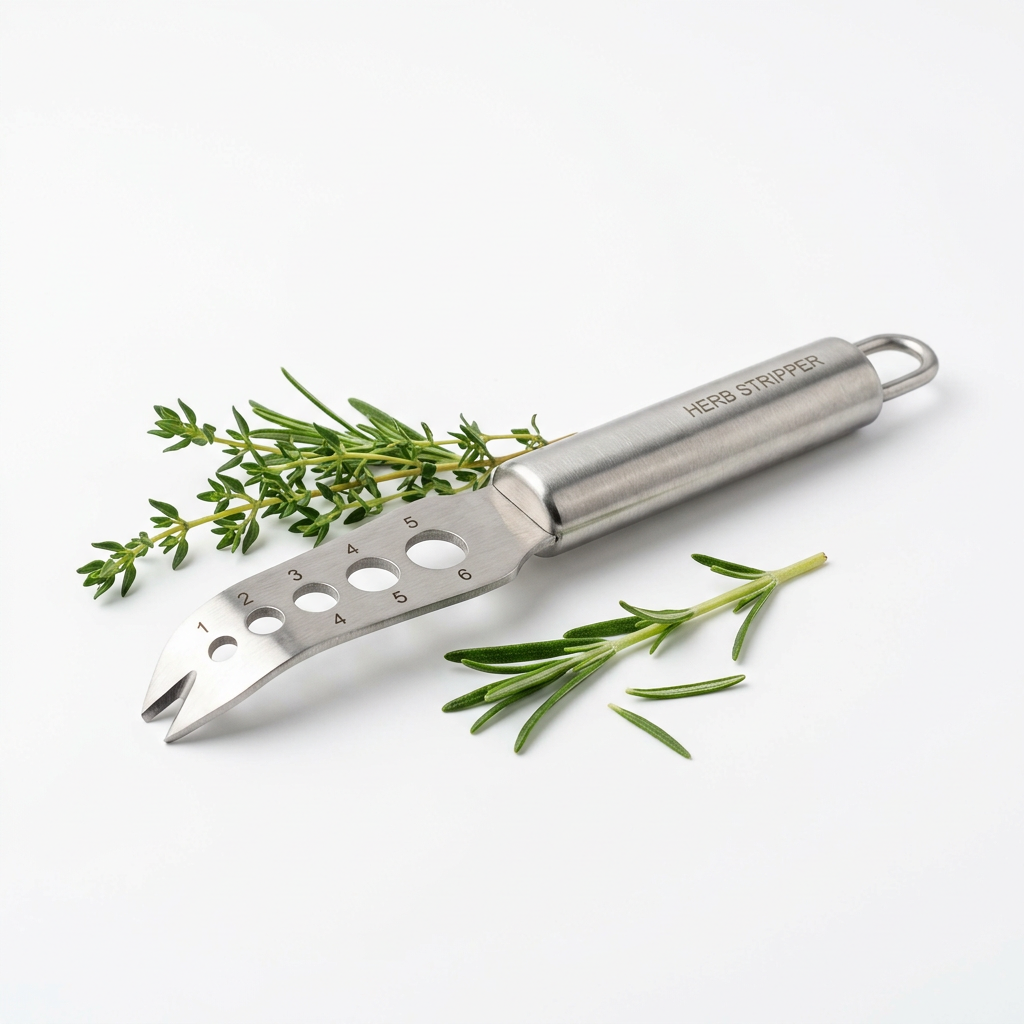
- Once dried, strip the leaves from stems and store in an airtight container.
- Preheat the oven to its lowest setting (around 180°F).
- Spread herbs on a baking sheet and place in the oven with the door slightly ajar until fully dried (1-4 hours, depending on the herb).
Freezing Herbs
Another effective way to preserve herbs while retaining their vibrant flavors involves freezing:
Making Herb Pastes
Herb pastes are incredible for infusing flavor into various dishes quickly:
Cooking Tips and Tricks from Chef Professionals
- Oregano ↔ Thyme
- Parsley ↔ Cilantro
- Chives ↔ Green onions
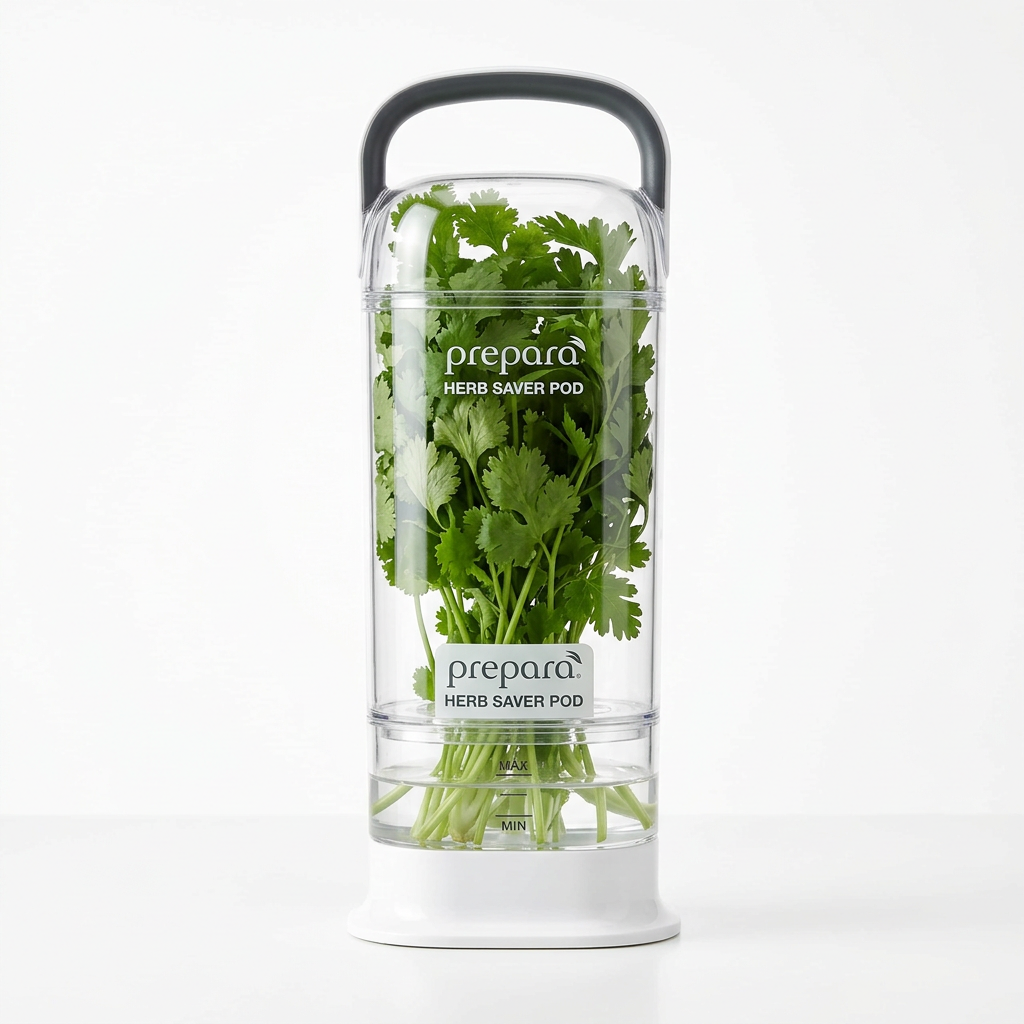
- For short-term storage, keep fresh herbs wrapped in damp paper towels in the refrigerator.
- For long-term storage, consider drying or freezing methods mentioned above.
Conclusion
Growing and cooking with fresh herbs is a gratifying journey that not only adds bold flavors to your dishes but also enriches your culinary skills. The satisfaction of nurturing your herb garden and reaping the rewards in the kitchen is unparalleled. With the basics of herb selection, cultivation, cooking, and preservation under your belt, you now possess the foundational knowledge to elevate your cooking experience.
Remember, the key to mastering herbs is practice. Experiment with different varieties and cooking methods. Don't hesitate to try new recipes, mix flavors, and challenge yourself. The world of herbs is vast, and there is always something new to learn. Next time you’re whipping up a meal, reach for those fresh herbs, and let them shine as the stars of your culinary creation. Happy cooking, and here’s to your herb mastery adventure!
Get the Next Recipe
Weekly recipes, techniques, and gear picks — straight to your inbox.
