
Homemade Pasta 101: From Dough to Dinner
Making homemade pasta from scratch is an age-old tradition that brings warmth and joy to the heart of any kitchen. While many believe creating fresh pasta is a daunting task meant only for seasoned chefs, I'm here to tell you that anyone can master this delightful skill with a bit of patience and practice. The process is not only about mixing flour and eggs; it's a beautiful blend of art and science that results in a dish that encapsulates comfort and flavor. From the moment you knead the dough until your pasta is boiled to perfection, every step is a rewarding experience that ultimately culminates in a heartwarming meal.
The beauty of homemade pasta lies in its versatility and the ability to tailor it to your personal taste. You can play with different types of flour, incorporate various flavors, and shape it in countless ways. Imagine the aroma filling your kitchen as your pasta simmers, the anticipation building for that first mouthful of al dente goodness. Homemade pasta is an opportunity to connect with your culinary roots, whether you're recreating an Italian family recipe or experimenting with your own innovative twists. This guide will take you on a journey, demystifying the art of pasta making and empowering you to create delicious, fresh noodles in the comfort of your home.
Before rolling up your sleeves and diving into the world of homemade pasta, it’s essential to gather your tools, ingredients, and a bit of motivation. Pasta making can be a labor of love, but the fruits of your labor—beautiful, fresh pasta—are worth every minute spent in preparation. With a few key techniques and tips, you'll be whipping up your favorite dishes in no time. So, let’s get started on this gastronomic adventure!
Understanding the Ingredients
Homemade pasta relies on just a few simple ingredients, but each plays a critical role in achieving the perfect dough.
The Building Blocks: Flour, Eggs, and Salt
The foundation of pasta is flour. The type of flour you choose can dramatically affect the texture and flavor of your pasta. Here are your primary options:
When combining flour with eggs, the ratio can depend on the type of pasta you're making. A classic ratio is 1 egg for every 100 grams (about 3.5 ounces) of flour. Adjust this based on the moisture of your environment or desired texture. Adding a pinch of salt to your dough not only enhances the flavor but also strengthens the gluten, lending to a better bite.
"Fresh pasta dough should feel smooth and slightly tacky; it's a sign that you've got the right consistency."
Adding Flavor and Color
While the base ingredients are essential, you can elevate your pasta by infusing colors and flavors. Here are a few ideas:
By experimenting with these additions, you can create visually stunning and flavorful pasta dishes that pique the interest of your dining guests.
Equipment Essentials and Preparation
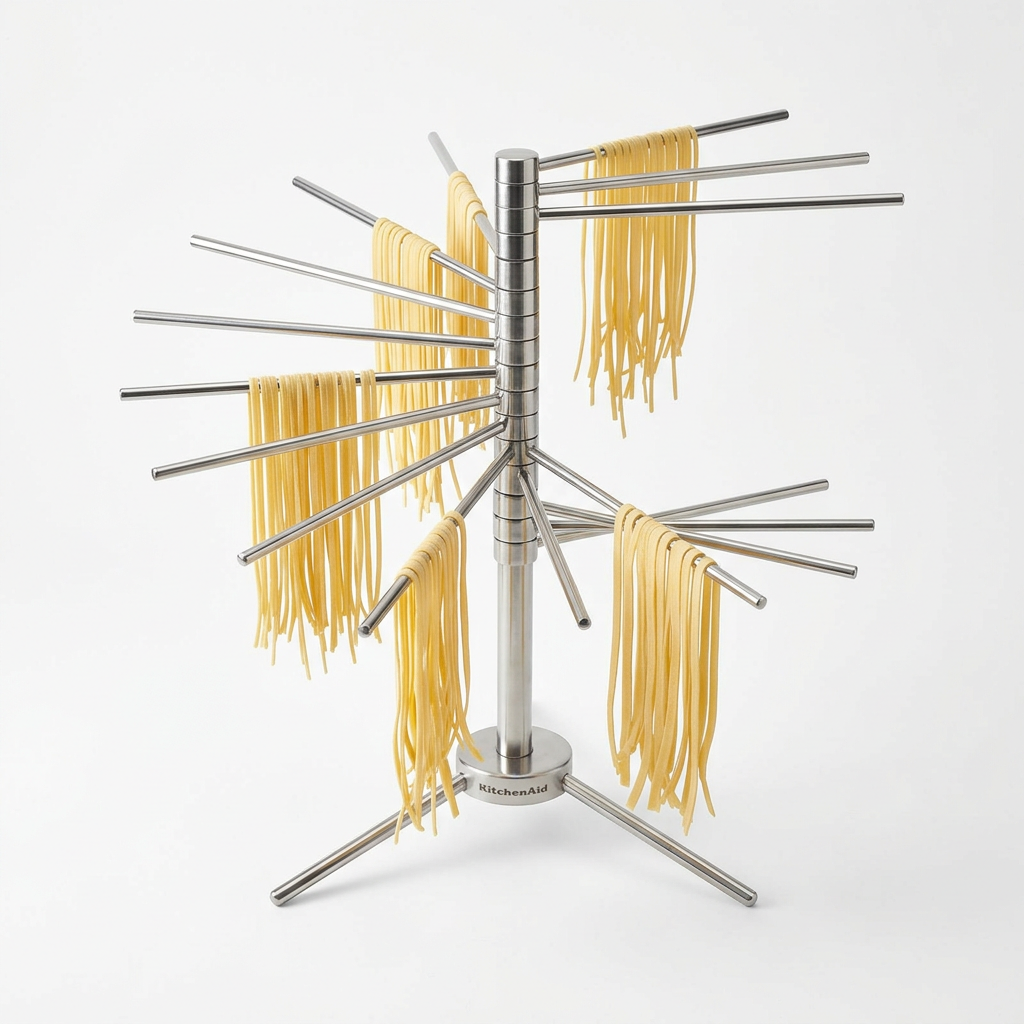
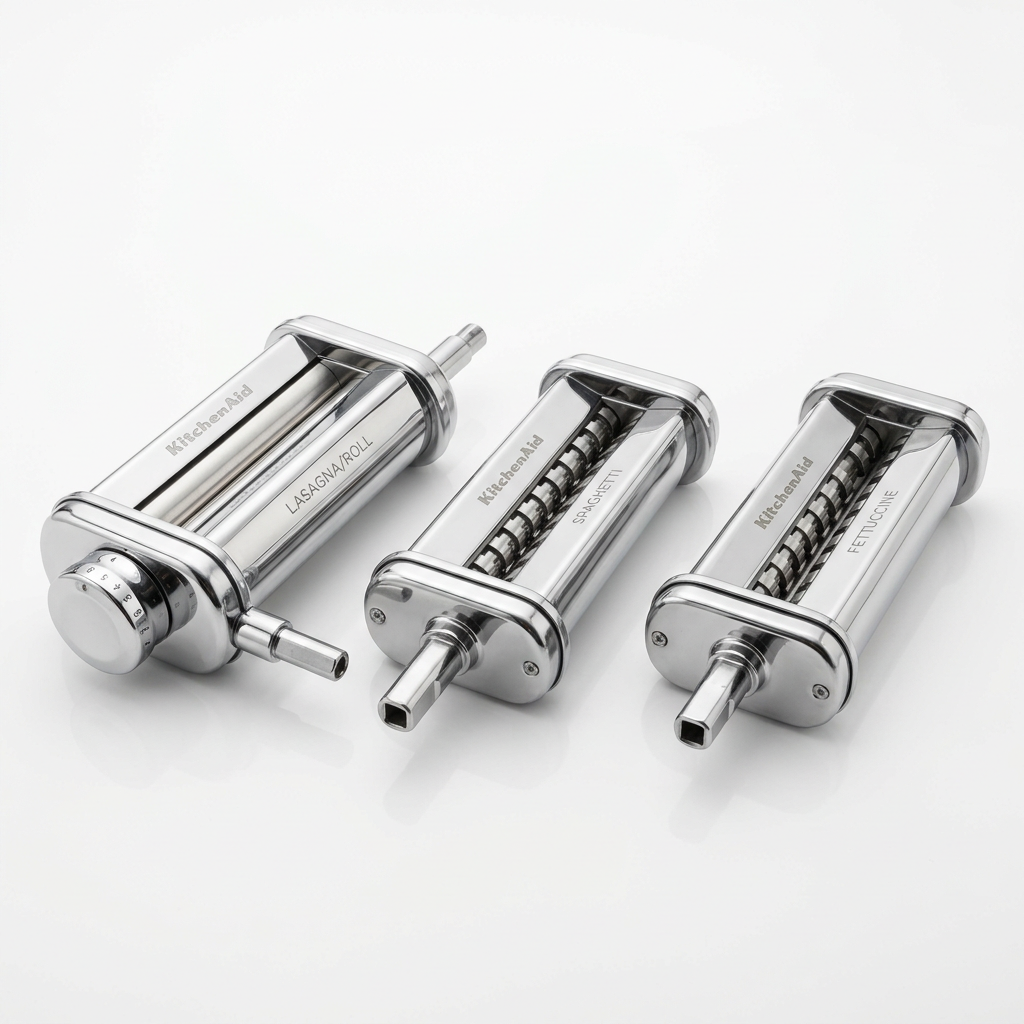
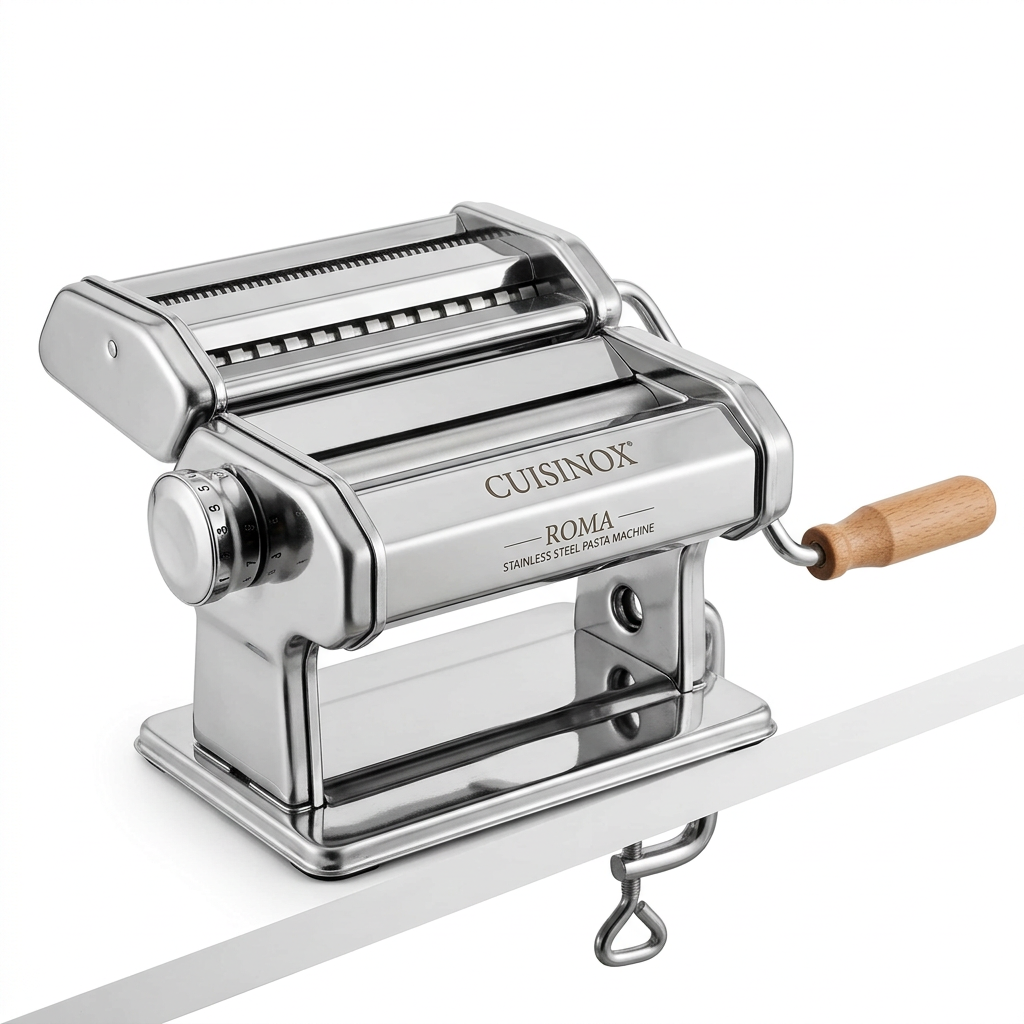
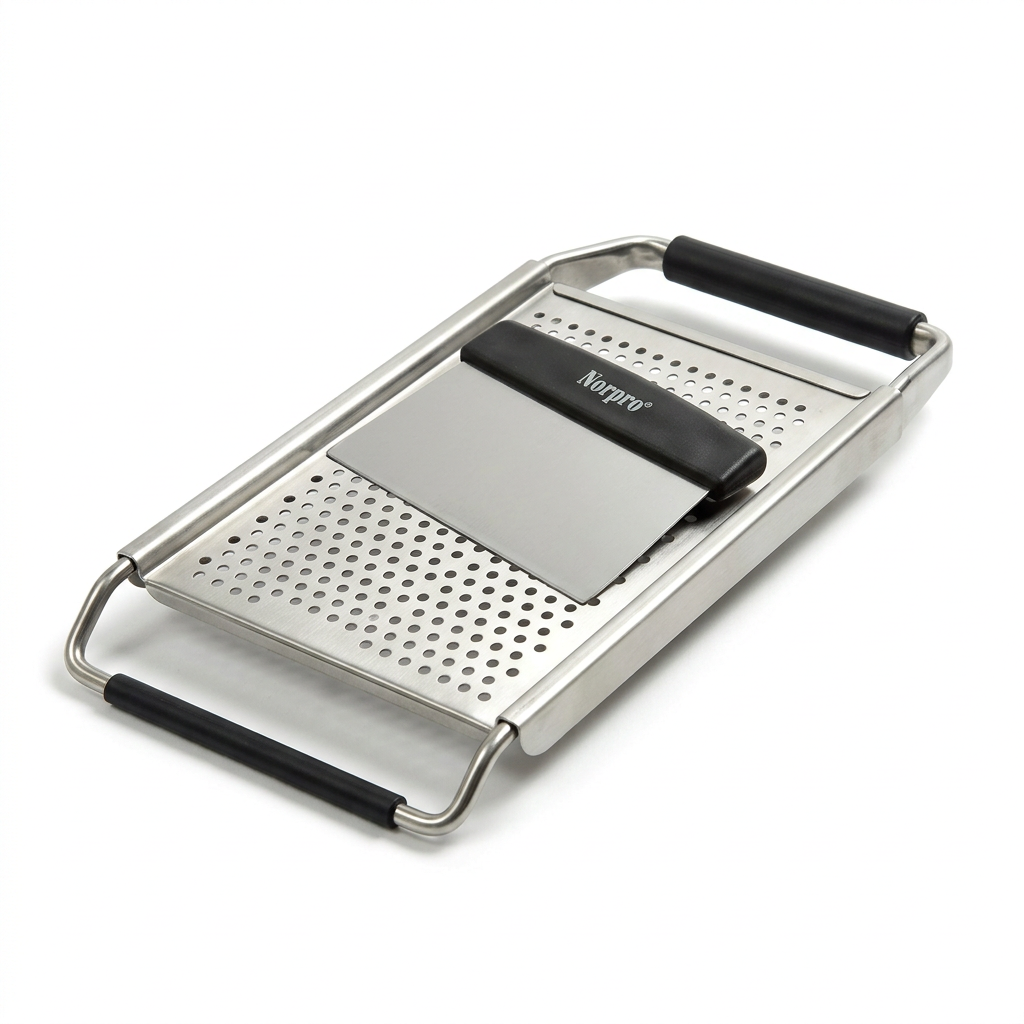
Before you begin kneading your dough, it’s crucial to ensure you have the right tools on hand. Here’s a list of must-have kitchen equipment:
Once your ingredients and equipment are ready, create a clean work surface. Cleanliness not only ensures a better cooking environment but also enhances the overall experience.
Making the Dough
With your ingredients and tools prepped, you’re ready to make the dough. Follow these steps to create a stretchy, resilient pasta dough that holds up to cooking and sauce.
Mixing the Ingredients
Kneading the Dough
Once the dough is shaggy, it’s time to get hands-on. Kneading develops the gluten in the flour, giving your pasta structure.
Resting the Dough
After kneading, let the dough rest to allow the gluten to relax, making it easier to roll out. Wrap the dough in plastic wrap or place it in a bowl covered with a damp cloth. Allow it to rest for at least 30 minutes at room temperature. This is also a perfect time to prepare any sauces or fillings you plan to use.
"Resting dough is as crucial as kneading; it allows the gluten to relax, ensuring easier rolling."
Rolling Out the Dough
Once your dough has rested, it’s time to roll it out into lovely sheets of pasta. This step is where you can really start to feel like a chef.
Using a Pasta Machine
If you have a pasta machine, this process can be significantly easier and the resulting pasta will be more even.
Rolling by Hand
If you don’t have a pasta machine, a rolling pin is the perfect alternative:
Remember, the thinner the pasta, the quicker it cooks. If you’re making lasagna or ravioli, a slightly thicker dough may be preferable.
Cutting Pasta Shapes
Once you have your dough rolled out, it’s time to shape it. Here are some popular cutting methods:
Choose a method based on the dish you plan to create. Don’t forget to sprinkle the cut pasta with flour to avoid sticking together!
Cooking Fresh Pasta
The final step is to cook your pasta. Fresh pasta generally cooks much quicker than dried pasta, so your attention to timing can significantly affect the outcome.
Boiling Water
Cooking Time
Fresh pasta typically cooks in 2-4 minutes depending on thickness. Here’s what to do:
Pairing with Sauces
Now that your pasta is cooked, it’s time to plate it with a delicious sauce. Consider these popular pairings:
Don’t forget to toss your pasta with the sauce in a pan over low heat, adding reserved pasta water as needed to achieve the desired consistency.
"Fresh pasta is best when served immediately. Cook it right before serving for the most delightful experience."
Exploring Variations
Now that you’ve mastered the basics of fresh pasta, it’s time to explore variations that can elevate your culinary experience further.
Stuffed Pasta: Ravioli and Tortellini
Stuffed pasta opens up a world of flavors and creativity. Here’s a basic overview:
- Filling Ideas: Ricotta and spinach, butternut squash, or mushroom mixtures.
Flavored Pasta Dough
As mentioned earlier, incorporating flavors and colors into your pasta makes for a stunning presentation. Consider these combinations:
Gluten-Free Pasta Options
For those with dietary restrictions, gluten-free pasta can surely hold its own. Use a blend of gluten-free flours such as brown rice, quinoa, or a commercially available gluten-free all-purpose flour blend. You may also incorporate eggs or a binding agent like xanthan gum to achieve the right texture.
Tips from the Pros
As you embark on your homemade pasta adventure, keep these professional tips in mind to ensure success every time:
Consistency is Key
Don’t Rush
Pasta making is an art that flourishes with patience. Take your time rolling and cutting; each step is crucial to achieving that perfect al dente bite.
Use Quality Ingredients
Investing in high-quality ingredients pays off greatly in flavor and texture. Opt for organic eggs and premium flour when possible, as they will transform your dish.
Taste as You Go
Always taste your pasta throughout the process. This ensures you achieve the right flavor profile and texture.
Conclusion
Homemade pasta is more than just a recipe; it’s a journey that engages all your senses and connects you to a cherished culinary tradition. From selecting your flour to rolling and shaping your creations, every step contributes to a delicious meal that warms the soul. You'll find that each experience adds layers to your skills, confidence, and creativity in the kitchen.
With practice, you can explore endless possibilities—from traditional Italian dishes to modern interpretations that reflect your personal tastes. Remember to embrace the process, make mistakes, and learn from them. The next time you crave a comforting plate of pasta, instead of reaching for that box in the pantry, you'll know exactly how to make it from scratch, bringing a little bit of the Italian countryside into your kitchen.
So gather your friends and family around the table, share your creations, and relish the satisfaction of serving a dish made with love and effort. Happy cooking!
Get the Next Recipe
Weekly recipes, techniques, and gear picks — straight to your inbox.
