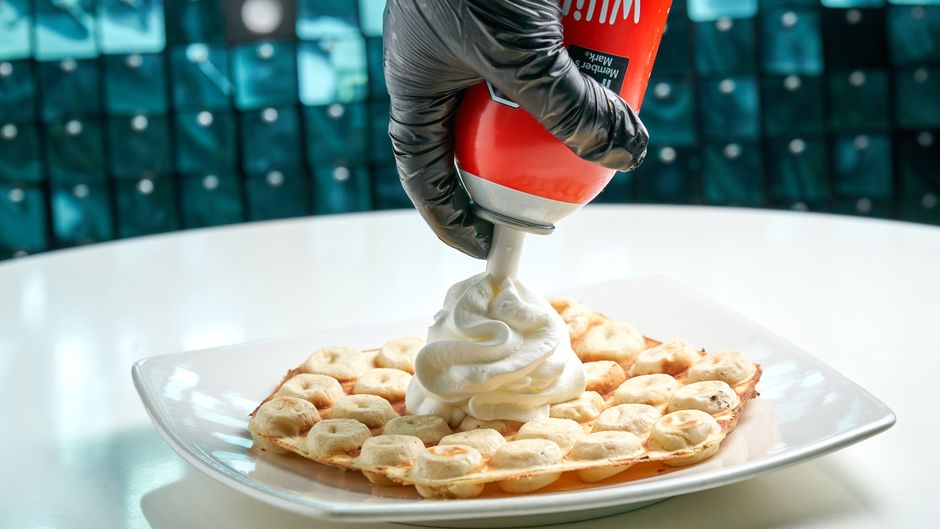
Homemade Whipped Cream vs Cream Whipper
There is a singular, transformative moment in the life of every home cook when they realize that the grocery store tubs of "whipped topping" are not merely inferior, but fundamentally different from the real thing. It begins with the scent of high-quality, heavy dairy—rich, cold, and slightly floral—and culminates in that first, velvety bite that coats the tongue in pure, unadulterated luxury. Whipped cream is a fundamental building block of pastry arts, a bridge between the humble bowl of fruit and the extravagant slice of gâteau. When you choose to master this emulsion, you are not just preparing a garnish; you are engaging in a precise scientific process that relies on the mechanical incorporation of air into fat. Understanding the nuances of this transformation is the first step toward moving from a recipe-follower to a true creator in your own kitchen.
In our culinary journey, we often find ourselves caught between the traditional methods passed down through generations and the sleek, high-tech tools of the modern professional kitchen. The classic hand-whisking or electric mixer approach offers a sense of tactile connection, allowing you to monitor the peak formation with granular control. Conversely, the iSi cream whipper—a staple in modernist kitchens—utilizes compressed nitrous oxide to aerate the cream instantly, offering a texture that is remarkably uniform and stable. Both techniques have their place in the repertoire of an ambitious home entertainer, but choosing the right one for your specific dessert requires an understanding of how they affect the stability, mouthfeel, and shelf life of the final product. Today, we are pulling back the curtain on these two worlds to help you decide which tool deserves a permanent spot in your culinary arsenal.
Whether you are hosting an intimate brunch or preparing a grand banquet, the quality of your finishings determines how your efforts are remembered. Whipped cream is often the "final touch" that hides a multitude of sins, but when prepared with intent, it becomes the highlight of the meal. We will explore the chemistry of fats, the importance of temperature regulation, and the specific equipment hacks that turn a standard bowl of cream into a masterpiece of texture. By the end of this guide, you will have the confidence to choose between the rhythm of the whisk and the precision of the siphon, ensuring that every spoonful you serve meets the professional standards we strive for here at Blame The Chef. Let us begin this exploration of structure, air, and, above all, the pursuit of culinary perfection.
The Science of the Emulsion: Understanding Whipped Cream
At its core, whipped cream is a stable foam created by trapping air bubbles within a network of fat globules. When you agitate heavy cream—ideally containing 30% to 36% milk fat—the fat globules collide and stick together, forming a semi-solid mesh that captures air. This is a delicate balancing act; if you agitate the cream too long, the fat will continue to coalesce until the emulsion breaks, resulting in the dreaded transition from cloud-like cream to granular butter and watery buttermilk. Achieving that perfect, silky state requires patience and a watchful eye, as the window between "soft peaks" and "over-whipped" can be mere seconds.
Temperature is the invisible hand guiding your success in this endeavor. Before you even touch a whisk, your cream, your bowl, and your beaters should be thoroughly chilled. Aim for a product temperature between 35°F and 40°F. When the fat is cold, it remains solid during the aeration process, providing the structure necessary for the air bubbles to remain suspended. If the cream is too warm, the fat globules become soft and greasy, making it impossible to trap air effectively, and you will end up with a deflated, weeping mess rather than a beautiful dollop.
The Critical Role of Fat Content
Heavy Cream (36% fat):* This is the gold standard for home cooks. It provides the best structural integrity and mouthfeel.
Whipping Cream (30-35% fat):* Lighter and airier, but it lacks the long-term stability of heavy cream.
Half-and-Half:* Do not even attempt this; the fat content is simply too low to hold air bubbles.
"The difference between a amateur and a professional isn't just the recipe; it is the obsession with the environmental variables that dictate the success of an emulsion."
The Traditional Method: Mastering the Bowl and Whisk
The traditional method—using a chilled stainless steel bowl and a balloon whisk—is the ultimate test of a cook’s intuition. This technique is preferred by many pastry chefs because it provides maximum control over the "overrun," which is the culinary term for the amount of air incorporated into the cream. By hand-whisking, you can stop exactly at the point of medium-soft peaks, which is ideal for folding into chocolate mousses or dolloping onto a warm fruit tart. The movement should be rhythmic and circular, using the entire forearm rather than just the wrist to prevent fatigue and ensure consistent incorporation of air.
When using an electric hand mixer, the process accelerates significantly. While efficient, it is also dangerous; the high RPM of modern beaters can turn cream into butter in under sixty seconds if you are distracted. Always start on the lowest speed to incorporate the cream and prevent splattering, then increase to medium-high once the cream begins to thicken and trail lines. As soon as you notice the beaters leaving distinct tracks that do not immediately settle back into the surface, stop and finish the final few rotations by hand.
Essential Techniques for Hand-Whisking
The Modernist Approach: The Cream Whipper
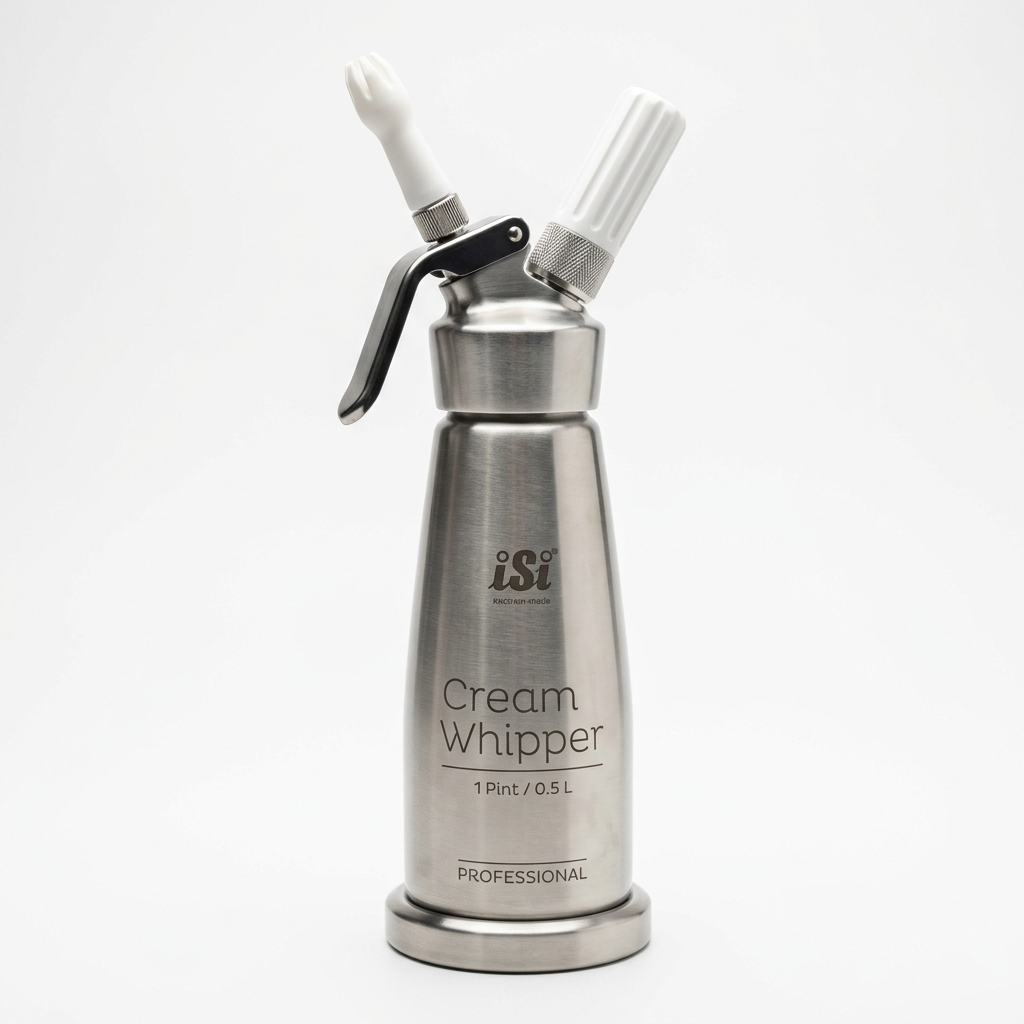
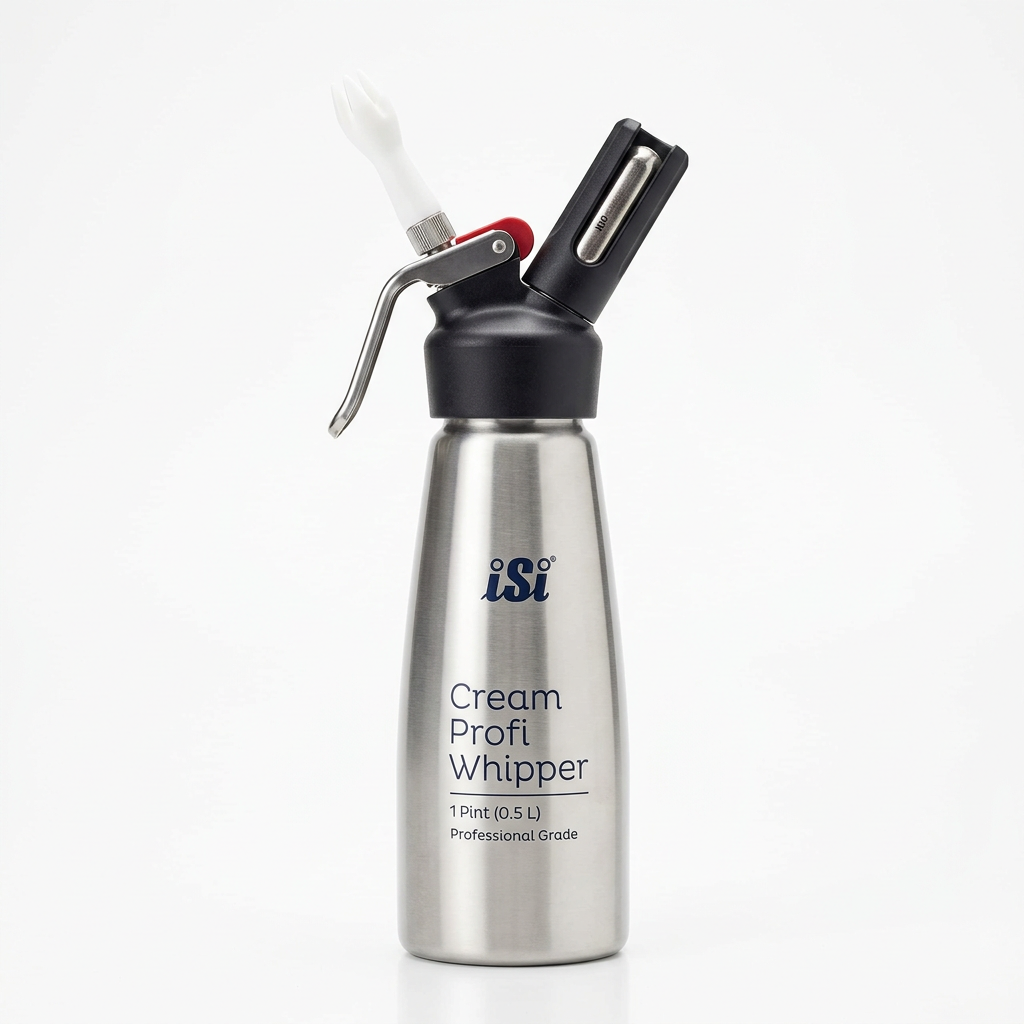
The iSi siphon or cream whipper is a marvel of modern gastronomy that functions differently than the mechanical whisking process. Instead of physical agitation, the canister uses a N2O (nitrous oxide) cartridge to force gas into the cream under pressure. When you discharge the siphon, the gas expands instantly as it leaves the nozzle, creating an incredibly light, uniform foam that is impossible to replicate with a standard whisk. This tool is the preferred choice for high-volume service or when you require a delicate texture that needs to hold its shape on a warm dessert without melting immediately.
One significant advantage of the cream whipper is the ability to infuse flavors directly into the fat. You can add spices, coffee beans, or even fresh herbs to the cream in the canister, seal it, charge it, and shake. Because the environment is pressurized, the flavors are forced into the fat globules much more efficiently than by steeping alone. However, there is a learning curve: if you over-shake the canister, you can still turn the cream into butter inside the device, which is an absolute nightmare to clean out.
The Rules of Siphon Success
Strain, Strain, Strain:* Any solid particles, such as vanilla bean seeds or zest, must be finely strained before putting the liquid into the canister, or the nozzle will clog instantly.
The Charge:* Use exactly one charger for a half-liter canister. Adding more will not make the cream stiffer; it will only increase the likelihood of the cream "spitting" out.
Temperature:* Like the traditional method, the liquid must be ice-cold. If the cream isn't cold, the gas will not bond with the fat correctly, resulting in a runny, soup-like product.
Comparison: Stability and Texture Profiles
When we talk about stability, we are looking at how long the whipped cream maintains its structural integrity. Traditional whipped cream is, by nature, fleeting. It begins to deflate as the air bubbles slowly migrate out of the fat network. In a professional kitchen, we often use stabilizers like a small amount of mascarpone or gelatin if we need the cream to last for several hours on a buffet table. Without these, traditional whipped cream is at its best within thirty minutes of preparation.
The cream whipper, however, provides a much more stable foam because the aeration is achieved through pressure-induced gas solubility. The result is a lighter, more ethereal mouthfeel that coats the palate differently. While the traditional method offers a denser, richer experience—what I like to call "creamy weight"—the siphon provides a "cloud effect." Both have their place: use the traditional method for rustic desserts where the texture of the cream should complement the density of the cake, and use the siphon for delicate parfaits or as a light garnish for coffee or cocktails.
"The structural integrity of your whipped cream is a reflection of your respect for the ingredients; a collapsing peak is a sign that the temperature was ignored."
Troubleshooting the Common Pitfalls
Even for seasoned chefs, whipped cream can sometimes defy logic. If your cream is "weeping"—releasing a pool of liquid at the bottom of the bowl—it is usually a sign that it was under-whipped or that the fat globules were not properly chilled. Conversely, if your cream is grainy or yellowish, you have effectively made butter. This is a common error when using a high-speed electric mixer. If this happens, don't throw it out; keep going until it fully separates, drain the buttermilk, add a pinch of sea salt, and you have house-made cultured butter, which is a wonderful consolation prize.
Another frequent complaint is the "flavor loss." When we whip cream, we incorporate vast amounts of air, which can dilute the perceived sweetness and intensity of our flavorings. To combat this, always season your cream slightly more aggressively than you think is necessary. If you are using a standard sugar-to-cream ratio of 1 tablespoon of sugar per 1 cup of heavy cream, consider adding a pinch of salt or a tiny dash of high-quality extract to compensate for the aeration.
The Hierarchy of Common Mistakes
Creative Applications and Flavor Infusions
Now that we have covered the technical side of the whipped cream debate, let’s explore how to elevate your service. Whipped cream is a blank canvas for aromatics. When using a cream whipper, you can create "cold-infused" flavors that would be impossible with a whisk. Think about adding a cinnamon stick or a star anise to the cream in the siphon, letting it sit for an hour in the refrigerator, and then charging it. The pressure of the gas forces the essential oils from the spices into the cream, creating a depth of flavor that is genuinely startling to guests.
For the traditional whisk method, fold-ins are the way to go. Once you have achieved a stable medium-peak, take a spatula and gently fold in elements like crushed freeze-dried raspberries, toasted cocoa nibs, or even a spoonful of high-quality fruit curd. The key is to fold, not stir. Use a large rubber spatula to cut down the middle of the bowl, sweep across the bottom, and lift, turning the mixture over itself. This preserves the air you’ve worked so hard to trap while distributing the flavor evenly throughout the cream.
Savory Whipped Cream:* Try infusing the cream with roasted garlic or chives and serving it alongside a savory beet tart.
Boozy Cream:* A tablespoon of bourbon or dark rum added right at the end of the whipping process adds a wonderful warmth to chocolate-based desserts.
The Floral Touch:* A single drop of food-grade rose water or lavender oil can turn a simple strawberry shortcake into a garden-inspired delicacy.
The Professional "Chef's Secret" for Perfect Peaks
The absolute secret to success in any kitchen—be it at home or in a Michelin-starred restaurant—is the stabilization technique. If you are preparing a dessert that needs to sit out for an hour or two, you must provide the cream with a structural scaffold. My personal favorite method for traditional whipped cream is the addition of a small amount of mascarpone cheese. For every cup of heavy cream, add two tablespoons of softened mascarpone. Whisk them together until they are fully incorporated before you start the aeration process.
The mascarpone adds a subtle tang, but more importantly, it provides a fatty structure that doesn't melt at room temperature as quickly as butterfat alone. It transforms the whipped cream from a fleeting garnish into a stable component that can be piped onto cupcakes or used to fill a layer cake without fear of collapse. If you are using a siphon, simply ensure your cream base is cold and your gas charge is fresh; the pressure-induced foam is naturally more stable, but even then, a touch of gelatin dissolved into the warm cream before chilling can provide a professional "stiff peak" that lasts for hours.
Final Thoughts: The Art of the Finish
At the end of the day, the debate between the traditional whisk and the modern cream whipper is not about which is "better" in a vacuum, but about which aligns with your intention for the dish. The whisk provides a rustic, handmade quality that signals care and tradition, perfect for family dinners and weekend baking projects. The cream whipper offers the precision, speed, and modernist flair that is essential for entertaining at a high level, especially when time is of the essence and your plating needs to look like a sculpture.
Do not be afraid to experiment. Take a carton of heavy cream, split it in half, and test both methods side-by-side. Pay attention to how the cream coats your spoon, how long it holds its shape on a warm piece of pie, and how the flavor profile shifts under the influence of different aromatics. By mastering these variables, you are taking a definitive step toward professionalizing your home kitchen. Remember, the goal is not merely to create whipped cream; it is to master the physics of flavor, to respect the sanctity of the emulsion, and to ensure that every dish you serve is a testament to your commitment to culinary excellence.
The next time you pull out the heavy cream, take a breath, check your temperature, and decide: will it be the rhythmic dance of the whisk or the sudden, pressurized burst of the siphon? Either way, you are in control. You are the architect of the experience. And when your guests take that first bite and look up with widened eyes, you will know exactly why it happened—because you took the time to master the craft of the cream. Keep your tools sharp, your cream cold, and your standards high. Welcome to the world of professional home cooking, where every detail matters and the results are truly, deliciously, in your own hands. Enjoy the process of perfecting your peaks, for that is where the magic of the chef truly resides.

Get the Next Recipe
Weekly recipes, techniques, and gear picks — straight to your inbox.
