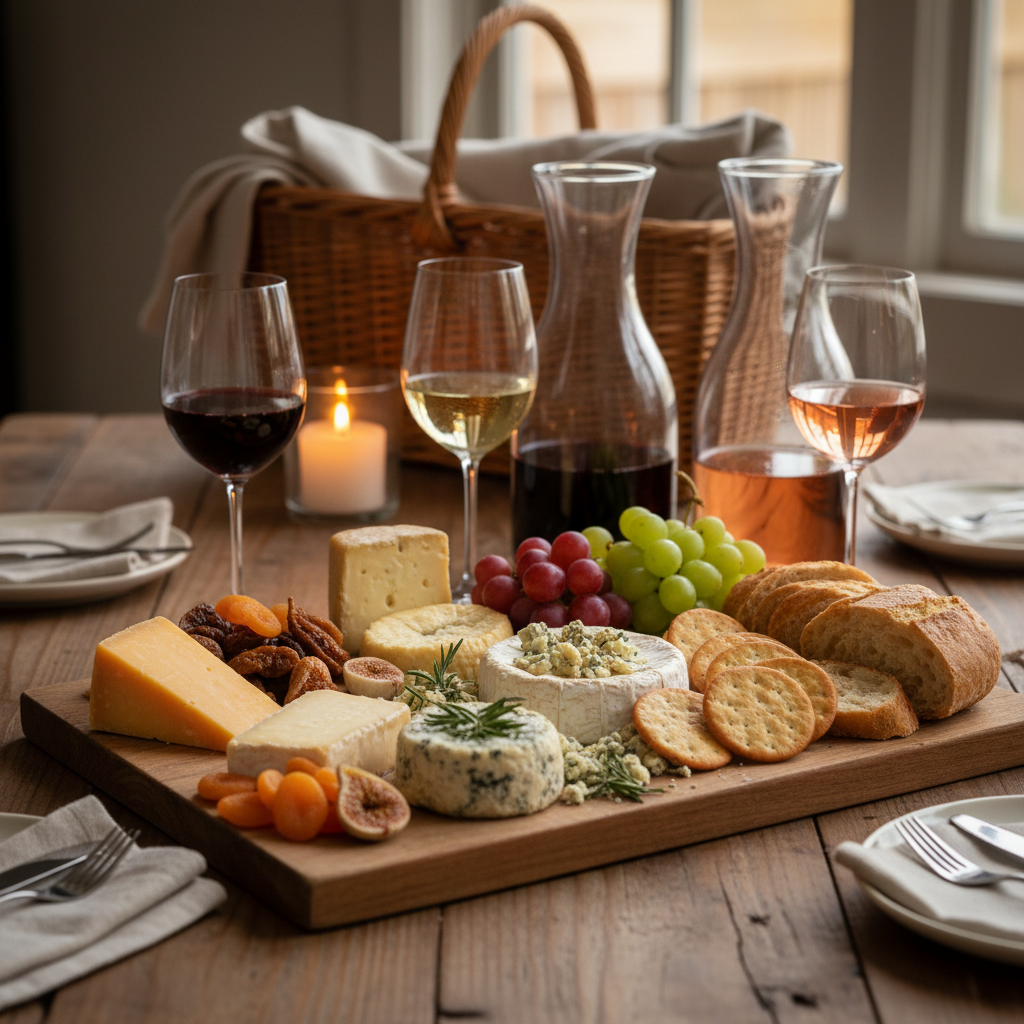
Host a Memorable Wine and Cheese Pairing: A Step-by-Step Guide for Your Next Gathering
Wine and cheese pairings have long been regarded as a classic and sophisticated way to elevate any gathering. There’s something intrinsically joyful about indulging in these two beloved staples together, each enhancing the other’s unique flavors and textures. Whether you’re hosting a cozy evening with friends or an elegant affair, mastering the art of wine and cheese pairings can set the tone for a truly memorable experience. This blog will guide you through thoughtful selection and presentation, ensuring that your next gathering not only pleases the palate but also fosters engaging conversations around the table.
At its core, a wine and cheese pairing is about balance. You want to choose wines that complement the flavors of the cheeses, enhancing the overall experience and bringing out the best in both. The key is to understand the profiles of both the wines and cheeses involved—think about elements like acidity, sweetness, earthiness, and creaminess. With a little guidance and practice, you’ll soon be able to orchestrate pairings that leave your guests raving about your newfound culinary prowess. So, grab your favorite bottle of wine and your best cheese knife as we delve into an immersive exploration of what makes these pairings irresistibly delicious.
To set the stage for this delightful journey, one must first learn about selecting the right wines and cheeses. Understanding various types of wines—from robust reds to sparkling whites—and how they can interact with a diverse range of cheeses will help you craft a vibrant platter that caters to various taste profiles. With a bit of creativity, some strategic planning, and a few handy tips, you can transform your gathering into a sophisticated culinary adventure that everyone will enjoy.
Understanding the Basics of Wine and Cheese Pairing
When it comes to pairing wine and cheese, understanding the basic principles can make a world of difference. Combining flavors that enhance each other while avoiding conflicts is the crux of a successful pairing. The first step is to consider the intrinsic characteristics of both the wine and cheese you wish to serve.
Flavor Profiles
Every wine possesses a unique blend of flavors, influenced by factors such as grape variety, region, climate, and production methods. Common flavor notes include:
Similarly, cheese also offers a wide array of flavor profiles based on its type, aging process, and milk source. Common flavor categories include:
To create harmonious pairings, aim for complimentary flavors. For instance, a bold red wine often goes well with a strong cheese that can hold its own against the wine's intensity, whereas a light-bodied white might be better suited to a delicate cheese.
Tannins and Acidity
Tannins, compounds found in grape skins, seeds, and stems, can influence the sensory experience of wine considerably. They contribute astringency and structure, which is something you might want to consider when pairing with cheese. For instance, a high-tannin red, like Cabernet Sauvignon, works beautifully with the creaminess of a blue cheese; the fat in the cheese softens the tannins, resulting in a pleasant balance.
Acidity plays a similar role in the pairing process. Wines with higher acidity can cut through the richness of cheese. For example, a crisp Sauvignon Blanc reaches for the tang of a goat cheese or a young Cheddar, each alleviating the other's heaviness. Understanding these principles equips you with the tools necessary to make informed pairing decisions.
Regional Pairing
Lastly, consider the age-old principle of regional pairing, which suggests that foods and wines from the same area tend to work well together. This is due to traditional recipes evolving alongside local agricultural outputs. A classic example is pairing French Brie with a glass of Chardonnay from Burgundy. Exploring regional pairings can also spark conversations about international culture, enhancing your gathering's convivial ambiance.
Selecting Your Wines
Once you grasp the basics of pairing, it’s time to select your wines. It’s not just about taste; the personality and theme of your gathering also play vital roles. Here’s how to ensure your wine selection is both diverse and delightful.
Choosing the Right Varietals
Consider offering options that span a variety of grapes and styles to please all palates. Here are some suggestions:
- Sauvignon Blanc: Refreshing and zesty, pairing great with goat cheeses, fresh mozzarella, and creamy Brie.
- Chardonnay: Its full body and oak aging complement a variety of cheeses, from Gruyère to sharp Cheddar.
- Pinot Noir: An elegantly light red that matches well with softer cheeses like goat cheese or Camembert.
- Cabernet Sauvignon: A bold and tannic option ideal for pairing with aged Cheddar or blue cheese.
When selecting wines, also keep your guests' preferences in mind. A mixed set of wines ensures everyone finds something to enjoy.
Practical Considerations
When planning your wine selection, consider the following:
Selecting Your Cheeses
With your wines selected, it’s time to turn your attention to cheese. The right cheeses can make or break your tasting experience, so here’s how to craft a winning selection.
Variety is Key
Aim for a well-rounded cheese board that offers a variety of flavors and textures. The ideal combination should have:
Pairing Basics
When choosing your cheeses, consider how each selection will complement your wine lineup:
Presentation Matters
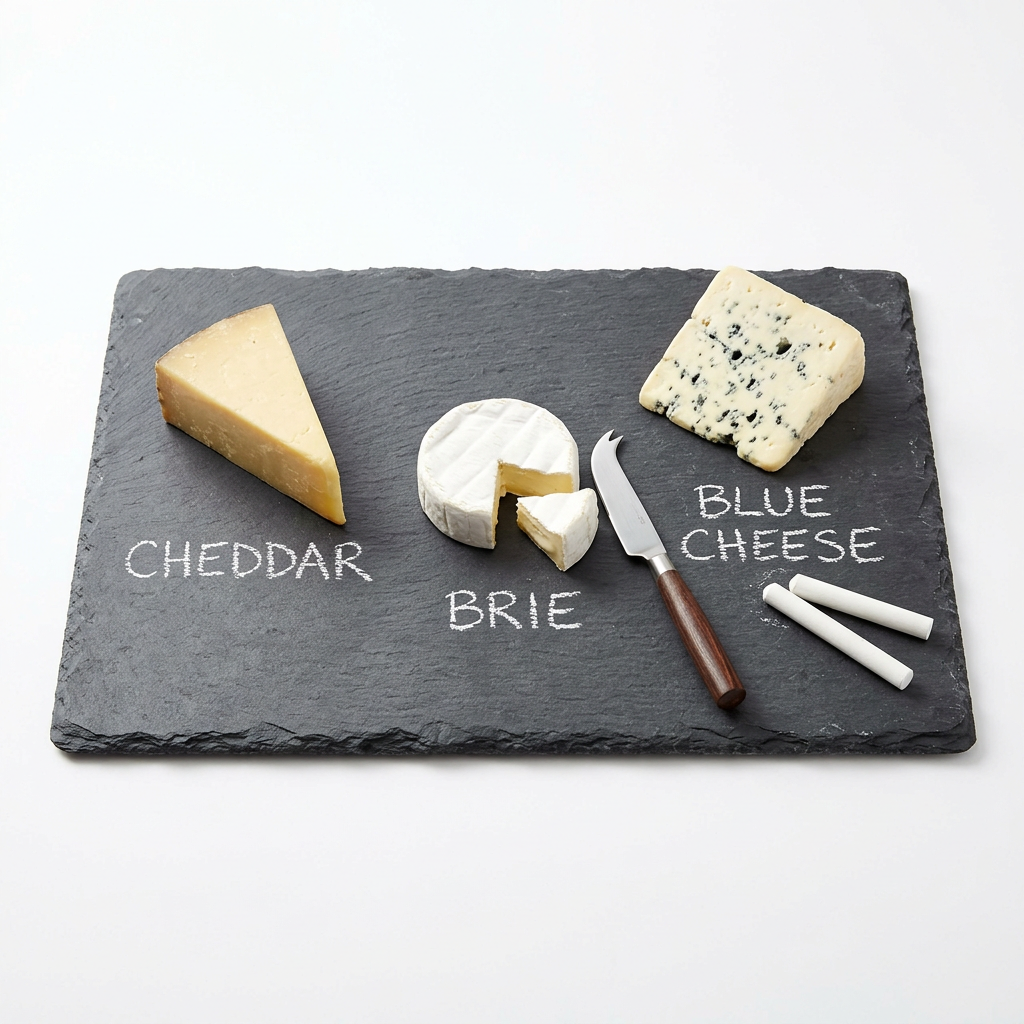
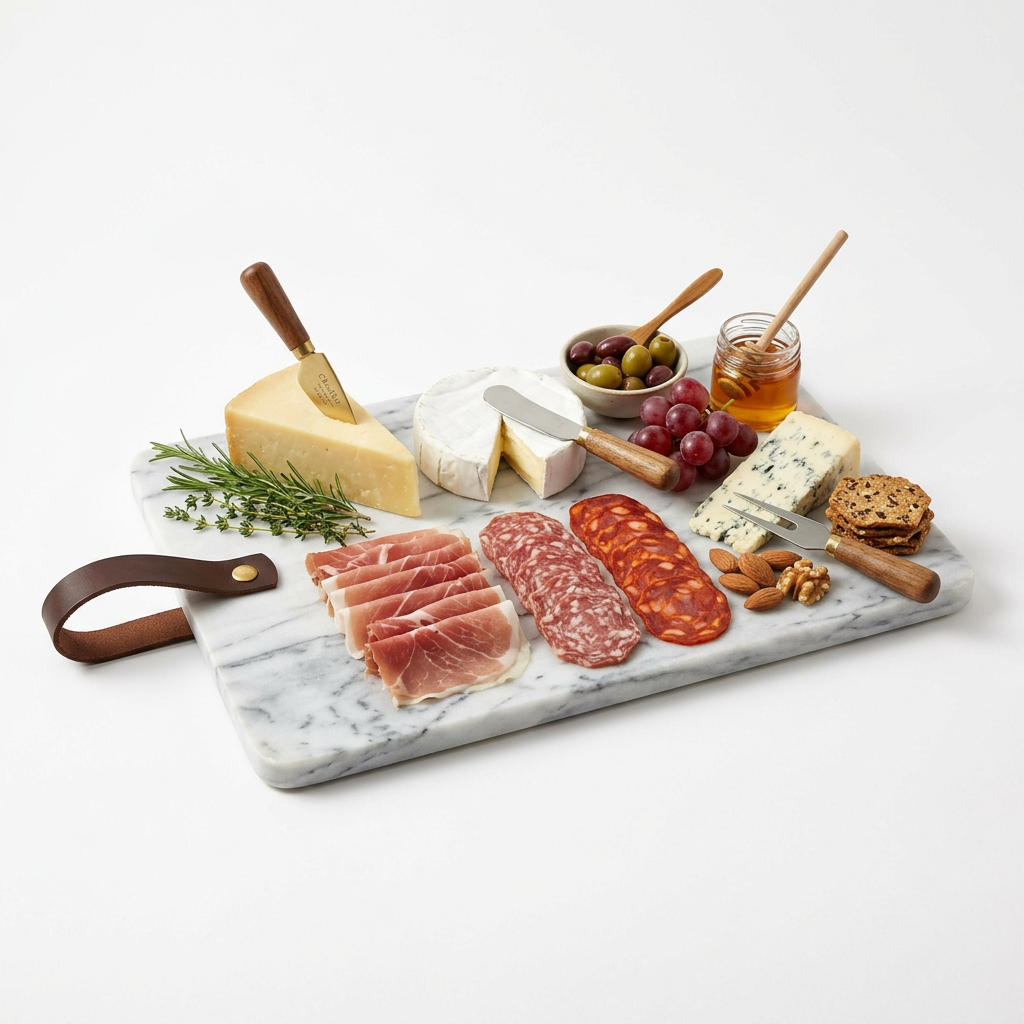
Once you’ve selected your cheeses, presentation becomes essential. How you showcase them can elevate the experience significantly. Consider the following tips:
The Art of Pairing: Techniques and Tips
Now that you have your wines and cheeses selected, let’s delve into techniques to help you elevate your pairings to the next level. Combining the right elements can create synergy, turning your gathering into a highly sophisticated affair.
The 3-1 Pairing Rule
A useful rule of thumb to remember is the 3:1 pairing ratio, which goes as follows:
Elements of Texture
Next, consider the textures of both the wine and cheese. Soft cheeses can pair beautifully with light white wines, while hard cheeses align perfectly with richer red wines. Textural contrast can enhance the tasting experience, making it more exciting.
Create a Flavor Wheel
One engaging technique is to create a flavor wheel for your guests. Draw a chart that illustrates various strength levels and flavor profiles, allowing guests to navigate from one cheese to a recommended accompanying wine. This makes the experiment interactive and promotes discussion.
“Balance is key in a pairing: a rich cheese with a bright, acidic wine, leading to a delightful explosion of flavors.”
Encourage Tasting Notes
Encourage guests to jot down their flavor experiences. Set up small cards or notebooks for them to write tasting notes as they sample the pairings. This not only creates a fun atmosphere but also promotes engagement in the pairing process.
Experimentation is Key
Lastly, experiment. Don’t be afraid to try unconventional pairings! Often, surprising combinations yield unique results. For instance, a rich sherry can pair beautifully with a smoked Gouda. Confidence will grow with each gathering as you learn what works—and what doesn't.
Setting the Mood for Your Gathering
The ambiance of your gathering contributes greatly to the beer and cheese experience. Creating an inviting atmosphere is essential and can be easily achieved with a few thoughtful touches.
Lighting and Décor
Music Selection
A carefully curated playlist in the background can enhance your gathering's atmosphere. Opt for soothing acoustic music or French café tunes to complement the elegance of your wine and cheese pairing. Ideally, the choice of music should be uplifting yet unobtrusive—encouraging chat without overwhelming conversation.
Time Management
Keep in mind the timing of your gathering. Allow adequate time for guests to mingle and sample the offerings at their own pace. On average, a wine and cheese event should last about two to three hours, providing ample room for everyone to enjoy themselves without feeling rushed.
Interactive Elements
Consider incorporating some interactive elements into your tasting experience. You might include a station where guests can craft their own perfect cheeseboard or a fun trivia game centered around fun facts about the selected wines and cheeses. Engaging your guests in such activities yields delightful discussions and memorable moments.
Conclusion
Hosting a wine and cheese pairing gathering doesn’t have to be a daunting task. With the right preparation, thoughtful selections, and an inviting atmosphere, you can easily create an elegant and enjoyable experience for your guests.
Start by understanding the basics of wine and cheese pairings—think about flavors, tannins, and regional practices. Continue by carefully selecting your wines and cheeses, ensuring a vibrant mix that caters to various palates. Finally, pay attention to the ambiance and presentation, allowing every touchpoint to work harmoniously to enhance the collective enjoyment of your gathering.
Whether it’s the shared laughter, the spirited discussions around flavors, or the simple joy of indulging in good food and drink, the ultimate goal of any gathering is connection. By mastering the art of wine and cheese pairing, you not only showcase your culinary skills but also create an opportunity for cherished memories to bloom. So, go forth and host your own captivating wine and cheese affair—your guests will thank you for it!
Get the Next Recipe
Weekly recipes, techniques, and gear picks — straight to your inbox.
