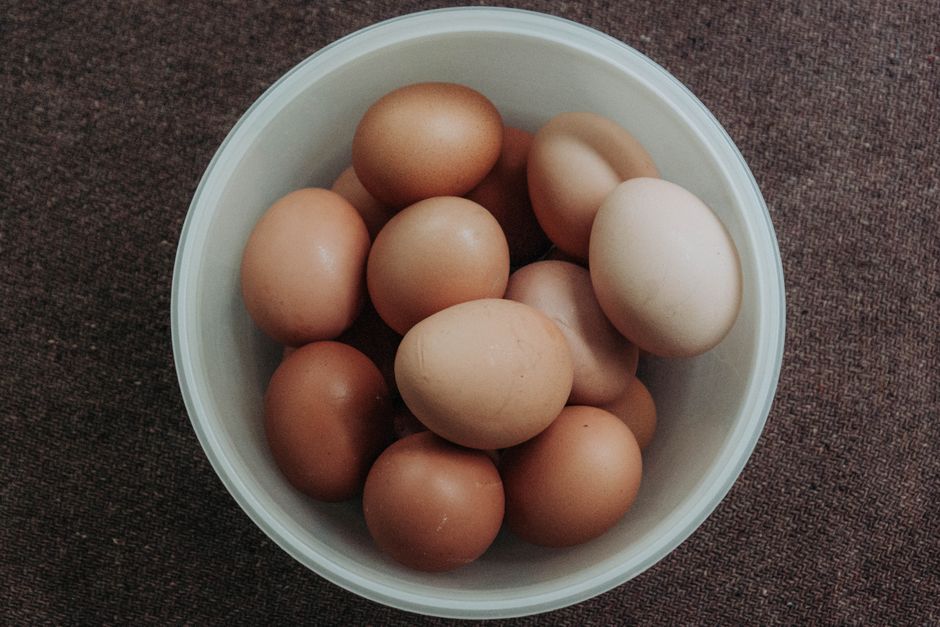
How Long Do Eggs Last? A Freshness Guide
Few ingredients in the professional kitchen command as much respect and versatility as the humble egg. From the delicate emulsion of a Hollandaise sauce to the structural integrity required for a perfectly risen soufflé, eggs are the foundation upon which many culinary masterpieces are built. Yet, despite their ubiquity, there is a recurring anxiety among home cooks regarding their shelf life and safety. Understanding the biological nuances of an egg’s lifespan is not merely a matter of avoiding food poisoning; it is about maximizing the potential of your ingredients for superior cooking results.
When you walk into a professional kitchen, the first thing a chef checks in the walk-in cooler is the integrity of the dairy and egg supply. We operate under the assumption that an egg is a living, breathing component that changes from the moment it is laid. As moisture evaporates through the porous shell over time, the chemistry of the egg shifts, altering its pH levels and protein structure. By learning to decode these changes, you can select the perfect egg for the specific task at hand, whether that is a light, airy meringue or a robust, poached addition to a brunch plate.
At "Blame The Chef," we believe that confidence in the kitchen starts with understanding your pantry. Many of the myths surrounding egg storage are rooted in outdated practices or simple misunderstandings of modern food safety standards. We are here to demystify the timeline of freshness, providing you with the technical knowledge to store, test, and utilize your eggs with absolute certainty. Let’s dive into the science of the shell and ensure you never have to wonder if that carton in the back of your fridge has seen its better days.
The Science of Egg Freshness
The egg is a marvel of biological engineering, designed by nature to protect the developing embryo within. The shell is not a solid wall but a semi-permeable barrier containing thousands of tiny pores. Through these pores, the egg interacts with its environment, allowing for the exchange of gases. This is the primary reason why freshness declines over time: as the egg ages, it loses moisture and carbon dioxide, which causes the internal air cell to grow larger and the egg white (albumen) to become thinner and more alkaline.
The Role of the Bloom
When a hen lays an egg, it is coated in a thin, protective layer called the cuticle or the "bloom." This layer effectively seals those pores, preventing bacteria from entering and protecting the contents from spoilage. In the United States, commercial eggs are washed and sanitized before being sold, a process that removes this natural barrier. Consequently, American eggs must be refrigerated to maintain their safety and quality, whereas, in many other parts of the world where washing is not practiced, eggs are often stored at room temperature for short durations.
Understanding pH and Protein
As the carbon dioxide escapes, the pH level of the egg white rises, shifting from about 7.6 to as high as 9.7 over several weeks. This change in alkalinity is exactly why "older" eggs are actually preferred by pastry chefs for certain applications. A higher pH makes it easier to peel hard-boiled eggs because the white doesn't stick as aggressively to the shell membrane. Conversely, a fresh egg with a lower pH and thicker proteins is essential for poaching, as the thick albumen will hold its shape around the yolk rather than dissipating into wispy strands in your poaching liquid.
"The difference between a mediocre breakfast and a culinary triumph often lies in your choice of egg: fresh for the gentle poach, aged for the perfect hard-boil."
Proper Storage Techniques for Longevity
To extend the life of your eggs to their maximum potential, temperature stability is the most critical factor. The refrigerator should be set at or below 40°F (4°C). Many home cooks make the mistake of storing eggs in the refrigerator door; however, this is the area subject to the most temperature fluctuation every time the door is opened. Instead, store your carton on an interior shelf where the temperature remains constant, ideally in the original carton to protect the shells from absorbing odors from other foods.
The Orientation Debate
Should eggs be stored point-side down or point-side up? Research suggests that storing eggs with the large end up is the professional standard. The large end contains the air cell. By keeping this end at the top, you prevent the air cell from moving or rupturing against the yolk, which helps keep the yolk centered and minimizes the risk of the membrane breaking prematurely. This small adjustment keeps the integrity of the internal structure intact for as long as possible.
Maintaining Ambient Humidity
Eggs thrive in a stable, humid environment, which is why the commercial refrigerators they are shipped in are climate-controlled. If your kitchen fridge is particularly dry, the shell remains a porous membrane that will continue to lose moisture. By keeping the eggs in their original cardboard carton, you provide an extra layer of micro-climate protection. Avoid transferring eggs to decorative wire baskets or ceramic holders if you intend to store them for more than a few days, as these expose the eggs to more air and light, accelerating the aging process.
How to Test for Freshness
If you ever find yourself staring at an unmarked carton in your refrigerator and questioning its viability, you do not need to resort to the "sniff test" immediately. The Float Test is the gold standard for home cooks. Because the air cell inside the egg expands as it ages, the buoyancy of the egg increases. By placing an egg in a bowl of water, you can determine its relative age based on its behavior in the basin.
Interpreting the Float Test
Visual Cues for Broken Eggs
When you crack an egg into a bowl, you can instantly verify its quality through visual inspection. A fresh egg will have a compact, high-domed yolk and a thick, gelatinous white that clings closely to the yolk. As the egg ages, the yolk membrane weakens, causing the yolk to flatten out, and the white becomes thin and runny, spreading across the pan like water. If you crack an egg and notice an off-putting odor, or if the white is cloudy or pink, discard it immediately, as these are signs of bacterial contamination.
"Trust your senses: the visual evidence of a high, vibrant yolk is the best indicator of freshness, far more reliable than an expiration date printed by a machine."
Culinary Applications Based on Age
One of the secrets to professional-grade cooking is matching the egg to the technique. We often obsess over "freshness" as a binary state, but eggs exist on a spectrum. A "past-its-prime" egg for a fried breakfast might be the perfect tool for a light, airy cake or a batch of hard-boiled eggs for a picnic. Understanding these nuances allows you to minimize food waste while optimizing your pantry inventory.
Fresh Eggs (1–7 Days)
Fresh eggs are mandatory for preparations where the structure of the egg is the main attraction. When making a poached egg, the fresh, thick albumen is essential. If you use an older egg, the thin white will separate from the yolk and create an unsightly, stringy mess in your water. Similarly, for sunny-side-up eggs, the tight yolk and thick white ensure that your presentation is clean, professional, and visually appealing.
Mid-Life Eggs (1–3 Weeks)
These eggs are the workhorses of the kitchen. They are perfect for scrambling, where the texture of the white and yolk will be whisked together anyway. They also perform admirably in baking, where the binding agent is the primary requirement. If you are making a standard pancake batter, a waffle mix, or a simple sponge cake, eggs that are two weeks old will provide the exact structural support needed for a perfect crumb.
Older Eggs (3+ Weeks)
Save your older eggs for applications where the pH change works to your advantage. As mentioned previously, the higher pH of an older egg makes it significantly easier to peel once boiled. If you are preparing a large batch of deviled eggs for a party, use eggs that have been in the fridge for at least two weeks. The membrane between the white and the shell will have loosened, allowing you to peel them cleanly without leaving chunks of white behind on the shell.
The Reality of Food Safety and Regulations
It is important to address the elephant in the room: food safety. Many home cooks are confused by the difference between "sell-by," "use-by," and "best-by" dates. In most regions, the date printed on an egg carton is not a hard safety expiration, but rather a quality assurance window set by the producer. When stored properly in a refrigerator at 40°F, eggs are generally safe to consume for several weeks beyond the printed date on the carton.
Managing Risk
The biggest risk associated with raw eggs is Salmonella. While the prevalence of this bacteria is relatively low, it is not zero. Professional chefs mitigate this risk through proper temperature control and hygienic practices. Always wash your hands after handling raw eggs, and avoid cross-contamination by keeping raw egg liquid away from surfaces where you prepare ready-to-eat foods like fresh salad greens or fruit.
When to Dispose of Eggs
Despite the extended shelf life, there are clear red flags that indicate an egg should be tossed. If you crack an egg and see any signs of mold, which can appear as black, green, or brown spots on the shell or inside the white, discard it. Similarly, any strong, sulfuric, or ammonia-like smell is an absolute dealbreaker. If the yolk is discolored (beyond the occasional harmless blood spot) or if the white appears iridescent or sticky, it is not worth the risk. When in doubt, throw it out.
Professional Tips for Egg Handling
To truly elevate your skills, you must treat your ingredients with the care they deserve. This begins with how you handle the shells and how you incorporate them into your recipes. One of the most common mistakes in home kitchens is cracking an egg directly onto the edge of a bowl or pan. This often pushes small shards of shell into the yolk or white, which are difficult to retrieve without spreading bacteria.
The Flat-Surface Crack
Chefs use a flat-surface cracking technique. By striking the egg firmly against a flat countertop or cutting board, you create a cleaner break in the shell without shattering it into tiny, sharp pieces. After the crack is made, use your thumbs to gently pull the shell halves apart over a small prep bowl. This allows you to inspect the egg before adding it to your main dish, ensuring that a bad egg doesn't ruin an entire bowl of expensive ingredients.
Emulsification Mastery
If you are working with eggs in sauces like Mayonnaise or Hollandaise, the temperature of your eggs matters. Room-temperature eggs emulsify more readily than cold ones, as the fat in the yolk and the water in the white blend more easily when they are not chilled. If you forget to take your eggs out of the fridge in advance, you can place them in a bowl of warm (not hot!) water for about five to ten minutes to bring them to room temperature safely before you begin your emulsion.
"Professional cooking is a game of details; mastering the flat-surface crack and understanding egg temperatures will do more for your sauce-making skills than the most expensive equipment ever could."
The Myth of the Frozen Egg
One question we receive often is whether it is possible to freeze eggs. The answer is yes, but with specific caveats. You cannot freeze an egg in its shell, as the water content will expand and cause the shell to crack, creating a massive, bacteria-prone mess. However, if you have an excess of eggs that you won't be able to use in time, freezing them out of the shell is an excellent way to preserve them for baking or savory dishes later on.
How to Freeze Safely
To freeze your eggs, crack them into a bowl and whisk them gently just enough to combine the yolk and white. Do not over-whisk, as you want to avoid incorporating too much air, which can affect the texture upon thawing. Pour the mixture into ice cube trays or small freezer-safe containers. Once frozen solid, you can transfer the "egg cubes" into a freezer bag. This allows you to portion out exactly what you need for a recipe later.
Thawing and Using
When you are ready to use your frozen eggs, move the desired amount to the refrigerator and allow them to thaw overnight. Once thawed, use them immediately in a cooked application. Because the freezing process can slightly alter the texture of the proteins, these are best suited for baked goods, quiches, or scrambled eggs. They are not recommended for delicate preparations like soufflés or meringues, where the original structure of the raw egg is vital for the aeration process.
Conclusion
Mastering the lifecycle of an egg is a rite of passage for any cook who takes their craft seriously. We have moved beyond the days of simply hoping for the best when cracking an egg into a pan. By understanding the biology of the egg, the impact of storage temperature, and the specific culinary benefits of freshness, you are now equipped to make informed decisions that improve your results.
Whether you are poaching a fresh egg for a Sunday brunch or using a slightly older egg to achieve a perfect, easy-to-peel hard-boiled snack, you are now operating with the precision of a professional. Remember that the refrigerator is your ally, the float test is your diagnostic tool, and the visual integrity of the yolk is your ultimate guide. Do not let fear dictate your kitchen habits; instead, let knowledge guide your hands.
We hope this guide serves as a staple reference in your culinary journey. At "Blame The Chef," our goal is always to turn common household tasks into opportunities for refinement. Treat your eggs with respect, store them with care, and keep cooking with confidence. Your future self—and your dinner guests—will thank you for the extra attention to detail. Keep your knives sharp, your pans hot, and your eggs fresh. Happy cooking!
Get the Next Recipe
Weekly recipes, techniques, and gear picks — straight to your inbox.
