
How Long Does Cooked Rice Last in the Fridge?
There is perhaps no greater kitchen staple than a perfectly cooked pot of rice, a versatile canvas that anchors cuisines from Tokyo to New Orleans. Whether you are prepping a batch of fragrant jasmine rice for a stir-fry or a hearty scoop of long-grain white rice for your favorite curry, it is a rare home cook who manages to get the portion sizes exactly right every single time. We often find ourselves staring at a leftover mound of fluffy, pearlescent grains, wondering exactly how long that bounty will remain safe for tomorrow’s lunch or a quick dinner bowl. Storing rice improperly is one of the most common kitchen oversights, yet it remains shrouded in myths and outdated advice that can lead to disappointment or, worse, foodborne illness. Understanding the delicate biology of cooked rice is essential for any home cook looking to maintain safety without sacrificing quality.
The primary challenge with cooked rice is that it is a high-moisture, starchy environment that serves as an ideal breeding ground for bacteria if it isn’t handled with clinical precision. Many people assume that because rice is "cooked," it is effectively shelf-stable or safe to leave out on the counter while they clean up the kitchen. This is a dangerous misconception. Specifically, the bacterium Bacillus cereus—a common soil-dwelling organism—can survive the cooking process in its spore form. If rice is left in the danger zone (between 40°F and 140°F) for too long, those spores germinate and produce toxins that are heat-resistant, meaning even reheating the rice won't necessarily make it safe to eat. Mastering the lifecycle of your leftovers is not just about avoiding a stomach ache; it is about respecting the integrity of the ingredient so that your second meal is just as vibrant as the first.
In this guide, we are going to dive deep into the culinary science of rice storage, helping you bridge the gap between amateur mistakes and professional habits. We will look at cooling techniques, ideal refrigeration temperatures, and the visual or sensory cues that indicate it is time to part ways with a container of leftovers. By the time you finish reading, you will possess a foundational knowledge of food safety that will serve you well beyond the rice cooker, allowing you to prep with confidence and zero waste. From the physics of quick-chilling to the nuances of reheating, we will ensure that your "Blame The Chef" kitchen remains a sanctuary of health and flavor. Let us transform those leftovers from a source of anxiety into a seamless part of your weekly culinary routine.
The Science of the Danger Zone
Understanding food safety starts with the Danger Zone, a critical temperature range where bacteria multiply at an exponential rate. For cooked rice, this window is between 40°F (4°C) and 140°F (60°C). When you pull a pot of rice off the heat, it is essentially a sterile medium, but as it cools down, it enters this zone. If you leave your rice in a thick layer in a deep pot, the center stays warm for hours, providing a cozy incubator for Bacillus cereus. This is why the speed of cooling is just as important as the temperature of your refrigerator.
Cooling for Safety and Texture
To cool rice efficiently, you must maximize surface area. Do not simply pop the lid on the pot and shove the entire vessel into the fridge. Instead, spread the cooked rice onto a large, shallow baking sheet or a wide, flat container. This allows the steam to escape rapidly, bringing the temperature of the grains down below 40°F significantly faster than they would in a clump.
"The difference between a safe meal and a spoiled one is often measured in the efficiency of your cooling process; treat your rice like a delicate protein, and it will reward you with safety and texture."
Once the rice reaches room temperature—which should happen within no more than two hours—it is ready for refrigeration. By using this shallow-tray technique, you avoid the condensation that leads to soggy, mushy rice, keeping the grains separate and ready for a future stir-fry or fried rice dish. Never let rice sit at room temperature for longer than two hours, as the risk of bacterial toxin production increases dramatically with every passing minute of neglect.
Optimal Storage Conditions
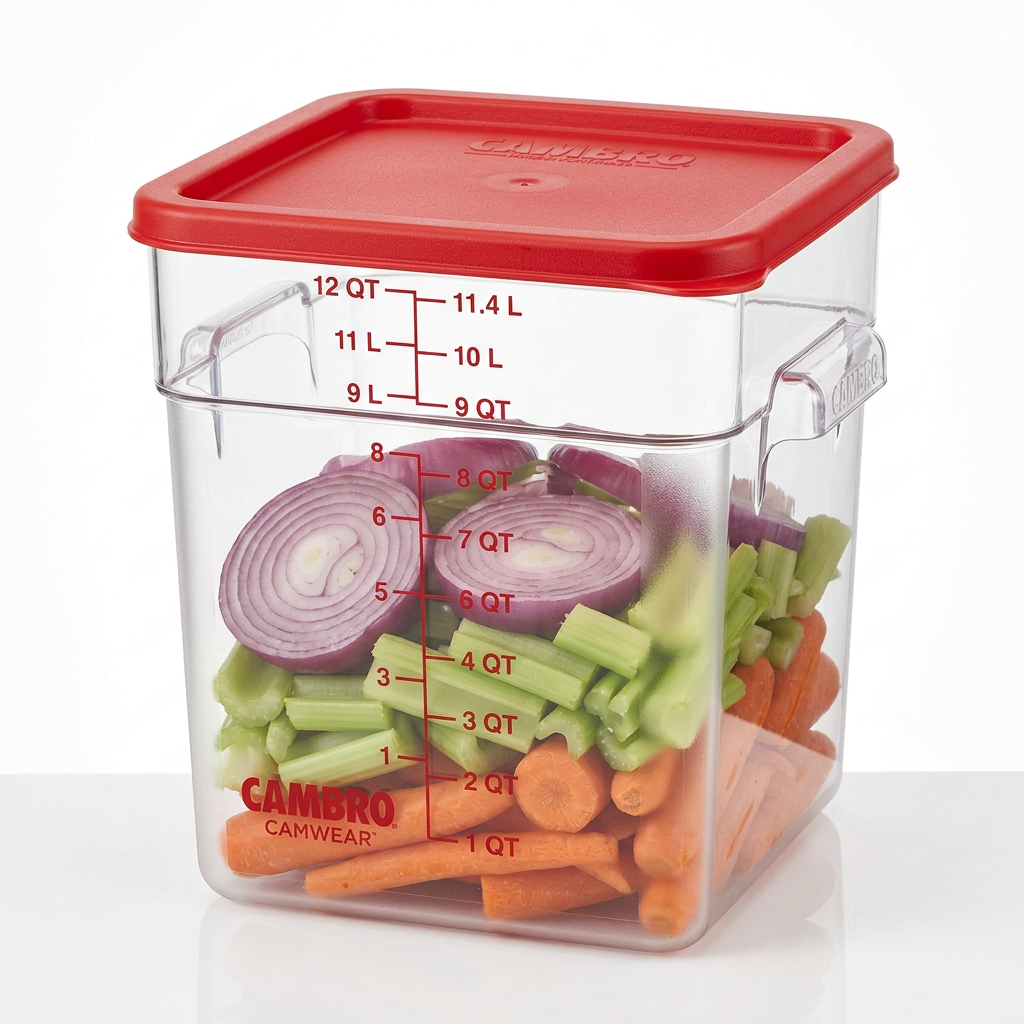
Once your rice is properly cooled, the vessel and the environment in which you store it become the next variables in the equation. The goal is to minimize moisture loss while preventing external odors or bacteria from compromising the integrity of the grains. A tightly sealed, airtight container is non-negotiable. Plastic containers with locking lids or high-quality glass storage jars are excellent choices that prevent the rice from taking on the "refrigerator taste" that often plagues improperly stored leftovers.
Temperature Control and Placement
Your refrigerator should be set to 40°F or lower. The back of the fridge is typically the coldest part, and this is where you should store your rice to ensure it stays in the safe zone. Avoid storing it in the door, where the temperature fluctuates every time the fridge is opened. Consistent temperature is the key to longevity.
By keeping the temperature stable, you effectively slow down the staling process, known as retrogradation, where the starch molecules begin to recrystallize. This is what makes refrigerated rice feel "hard" or "chalky" compared to freshly cooked rice. However, when managed well, these starches can be easily revived with the right amount of steam and moisture, bringing the rice back to a near-fresh state.
How Long Does It Actually Last?
The "golden rule" for refrigerated rice is three to four days. While some home cooks may try to stretch this to a week, the risk profile changes significantly after the fourth day. Even if the rice looks and smells fine, Bacillus cereus toxins can exist in high enough concentrations to cause illness without any noticeable change in the appearance or aroma of the grains. Culinary safety is about managing risk, and four days provides a generous enough window for meal prepping without crossing the threshold into danger.
The Myth of the "Smell Test"
Many home cooks rely on their nose to determine if leftovers are safe. While an off-smell or a sour odor is a definitive sign that you should discard the rice immediately, the absence of a smell is not a guarantee of safety. Because the toxins associated with rice are odorless and colorless, you cannot rely on your senses to detect them. Adhere strictly to the calendar.
"Safety in the kitchen is never a guessing game; when in doubt, throw it out, but by following a strict 4-day storage limit, you will rarely find yourself in that position."
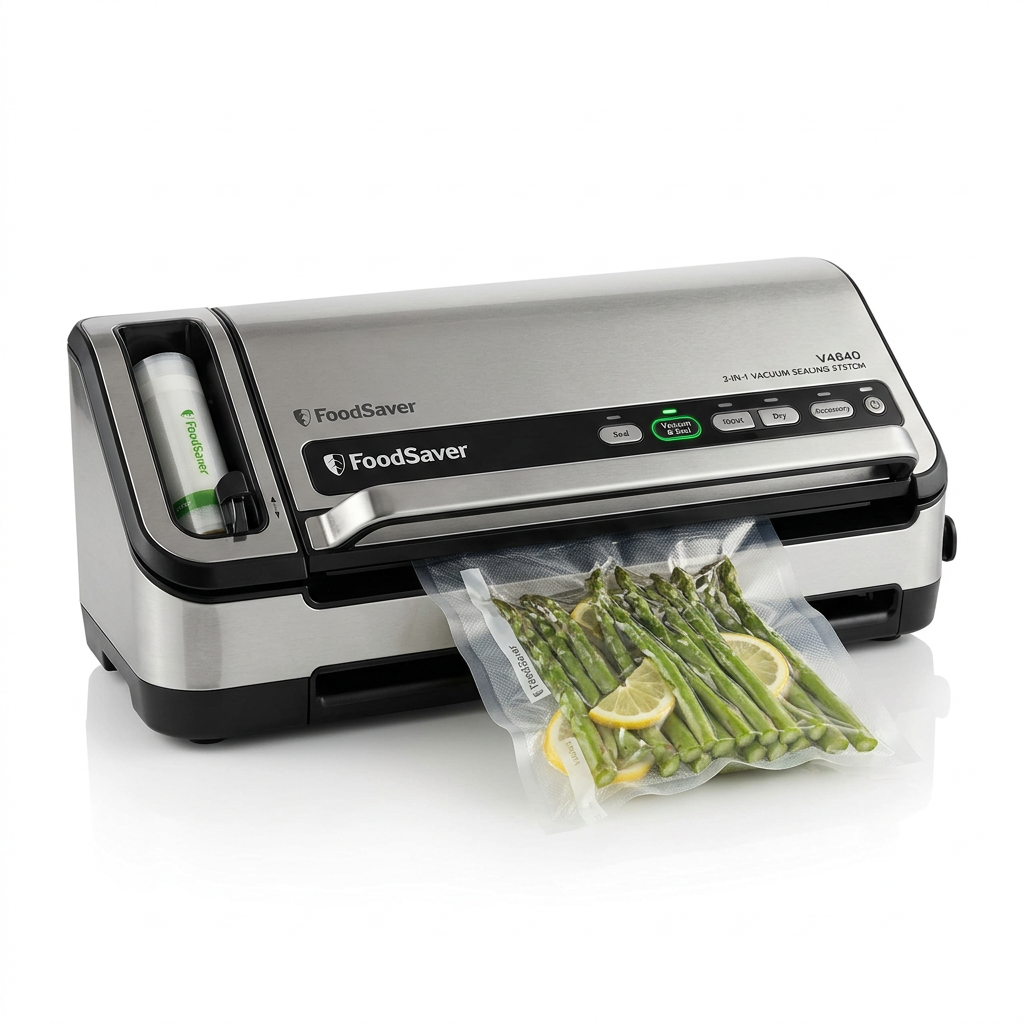
If you find yourself with more rice than you can reasonably consume in four days, do not be afraid to use your freezer. Frozen rice can last for up to two months when stored in a heavy-duty freezer bag with the air pressed out. To reheat frozen rice, you don't even need to thaw it; simply toss the frozen block into a pan with a splash of water and cover it, or microwave it with a wet paper towel draped over the top.
Techniques for Proper Reheating
Reheating rice is an art form. Most people make the mistake of nuking their rice until it becomes a dry, crusty mess. The secret to perfect reheated rice is controlled hydration. Because the refrigerator has leached some of the moisture from the starch, you need to reintroduce it in the form of steam. This is the difference between an unpalatable meal and a delicious, fluffy bowl of goodness.
The Microwave Method
Place your rice in a microwave-safe bowl. Add a tablespoon of water for every cup of rice. Cover the bowl with a damp paper towel or a microwave-safe lid left slightly ajar. This creates a miniature steam chamber, forcing moisture back into the grains. Heat in 30-second bursts, fluffing with a fork in between, until the rice is steaming hot throughout.
The Stovetop Method
For larger portions, the stovetop is superior. Place your cold rice in a pan over medium-low heat. Add a splash of water or a small pat of butter. Cover with a tight-fitting lid. As the water turns to steam, it will loosen the clumps and re-hydrate the grains without drying them out. This method is particularly useful if you are planning to make fried rice, as the heat helps to redistribute any flavors or seasonings you plan to add.
Recognizing Spoilage and When to Discard
Even with the best intentions and proper storage, there will be times when you need to discard rice. Knowing the visual cues of spoilage is a vital skill. Aside from the obvious "sour" smell, look for a slimy or sticky residue on the grains. If the rice feels slick to the touch or has developed an off-color—often a yellowish or grayish tint—it has been colonized by spoilage bacteria or mold.
What Happens if You Consume Spoiled Rice?
Food poisoning from rice typically manifests within one to six hours of consumption. Symptoms include nausea, vomiting, and abdominal cramps. This is often referred to as the "fried rice syndrome," a term chefs use to remind themselves of the dangers of improper cooling. Because these toxins are heat-stable, they are not destroyed by reheating, which is why it is critical to prevent the toxins from forming in the first place by cooling and storing the rice correctly.
If you ever experience a bout of foodborne illness after eating leftover rice, it serves as a stern reminder that the time-temperature relationship is the most important factor in your kitchen. Always prioritize safety over convenience. If you have any doubt about how long that container has been sitting in your fridge, it is always safer to discard it and cook a fresh batch. Fresh rice takes only minutes to prepare and is infinitely better than the potential consequences of "just one more day."
Professional Chef Tips for Rice Management
As a chef, my goal is to maximize efficiency while maintaining the highest quality standards. When I am managing a busy service, I treat every batch of rice with a standard operating procedure. First, we use parboiled or high-quality jasmine because they hold up better to storage. We never, under any circumstances, allow rice to sit at room temperature for more than 20 minutes before it hits the walk-in cooler.
Scaling and Portioning
Do not cook massive quantities of rice unless you have the refrigeration space to cool it down quickly. If you have a small fridge, cooking smaller batches is better for your safety. Consider portioning your rice into individual serving sizes before putting them into the fridge. This way, you only take out what you need and never reheat the same batch twice—a habit that drastically reduces your risk of foodborne illness.
"A well-organized kitchen is a safe kitchen; by portioning your rice, you are not just managing your inventory, you are safeguarding your health."
Furthermore, if you are making fried rice, use day-old refrigerated rice rather than freshly cooked rice. The starch retrogradation that occurs in the fridge makes the grains firmer and less likely to break down when tossed in a hot wok. This is a classic professional technique: cook your rice the day before, let it dry out slightly in the fridge, and you will achieve that professional "grain-separate" texture that is nearly impossible to master with fresh, steaming rice.
Conclusion
The humble grain of rice is the bedrock of many of our most beloved meals, and handling it with care is a hallmark of a thoughtful home cook. We have explored the critical importance of cooling your rice rapidly using shallow trays, the strict timeline for safe consumption within four days, and the essential techniques for rehydrating your leftovers with steam rather than force. By respecting the Danger Zone and acknowledging the biology behind Bacillus cereus, you can move forward with confidence, knowing exactly how to treat your pantry staples.
Ultimately, your refrigerator is a tool, not a graveyard for abandoned containers. When you manage your leftovers with intentionality—labeling them, cooling them properly, and reheating them with moisture—you elevate your kitchen skills from casual cooking to professional-grade food management. There is no reason to be intimidated by leftovers; they are a bridge to your next meal, a way to reduce waste, and a testament to your ability to master the fundamentals of food safety.
As you continue your culinary journey with "Blame The Chef," remember that the best dishes start with good habits. Keep your surfaces clean, your fridge cold, and your mind sharp regarding your storage timelines. If you treat your ingredients with respect—even the ones that have already spent a few days on the shelf—they will continue to provide you with delicious, safe, and comforting meals for a long time to come. Thank you for joining me in this deep dive into the world of rice storage; here is to many more perfectly cooked pots of rice in your future.
Now that we have covered the storage basics, I want to briefly touch upon the variety of rice and how it impacts storage. Not all rice is created equal. Short-grain rice (like sushi rice) has a higher amylopectin content, which makes it stickier and perhaps more prone to forming a dense mass that traps heat. This requires even more attention to the cooling process, as the density of the starch can keep the internal temperature high for longer. Conversely, long-grain rice like basmati or jasmine has a higher amylose content, which stays firmer and is generally easier to cool evenly. Regardless of the variety, the principles remain the same: cool it fast, store it cold, and eat it within four days.
If you find yourself with an abundance of leftover rice that you simply cannot finish in time, consider getting creative. Rice can be repurposed in ways that go far beyond just a simple side dish. It can be tossed into a soup to add body, ground into a porridge, or even incorporated into a savory rice pancake for breakfast. However, always ensure that if you are using refrigerated rice in these secondary applications, you are bringing the entire dish back up to a boiling or simmering temperature to ensure even heat distribution. Never assume that mixing old rice into a new dish somehow "resets" the safety clock; the toxins I mentioned earlier are resilient, and cooking the rice once, storing it, and then cooking it a second time as part of a casserole or soup should still fall within your initial four-day safety window.
The beauty of the home kitchen is that you are the final authority on quality. If you follow these guidelines, you will find that your leftovers become a genuine asset rather than a source of "refrigerator guilt." It is time to look at that pot of rice not as an item to be feared, but as a resource to be managed. By applying these professional standards to your home routine, you are taking a significant step toward a more efficient, safer, and ultimately more enjoyable culinary lifestyle. Keep cooking, keep learning, and as always, whenever the kitchen experiment takes an unexpected turn, you can always blame the chef.
In my years of professional cooking, I have seen every mistake possible in the kitchen. The one that stands out the most is the casual attitude toward food cooling. Chefs, particularly those starting out, often think that the walk-in cooler is magic—that you can put a steaming pot of soup or rice in there and it will handle everything. But refrigerators are meant to maintain temperature, not drop it aggressively. You have to do the heavy lifting of the initial cool-down yourself. Using a sheet pan is the most effective way to accomplish this. It changes the geometry of the cooling process. When you spread the rice out, the heat radiates away from the grains instantly. This is a small, five-second step in your process, but it is the most important step for the longevity and safety of your rice.
When we talk about "Blame The Chef," we aren't just looking for someone to take the heat; we are looking for the wisdom that comes from making mistakes and learning how to avoid them in the future. The goal of this platform is to provide you with the tools and the knowledge to minimize those mistakes. Storage might seem like the least exciting part of cooking—it’s the "aftermath," so to speak—but it is the foundation of the next meal. If you master the end of the cooking process, you are already halfway to mastering the beginning of the next one. Take pride in your organization, keep your storage containers clear and clean, and watch how much more enjoyable your daily cooking routine becomes.
Remember, there is no substitute for vigilance. If you have a busy week and you know you won't be able to finish that leftover rice, make the decision to move it to the freezer on day one. Do not wait for day three to decide you don't have time to eat it. Proactive management is the secret of the professional kitchen. Labeling your containers with a piece of masking tape and a sharpie, noting the date, takes two seconds. It removes the guesswork and makes you look like a pro. These small habits compound over time, making you a faster, safer, and more confident cook. Your kitchen is your domain, and with these techniques, you are fully in command.
Finally, consider the environmental impact of your storage habits. By reducing food waste, you aren't just saving money—you are being a responsible steward of your kitchen. Properly stored food means less in the bin and more on your plate. It means fewer unnecessary grocery trips because you know exactly what is in your fridge and exactly how long it’s been there. It brings a sense of order to the chaos of daily life. When you open your fridge door, you want to see a collection of ingredients that you are excited to cook with, not a mystery collection of aging leftovers. With this guide, you have the road map to achieve that state of kitchen zen.
Thank you for trusting me with your kitchen queries. Whether you are a novice or a seasoned veteran, there is always room to improve, refine, and sharpen your skills. We cover everything from the basic science to the advanced techniques because we believe that a well-informed cook is the best cook. Keep your knives sharp, your ingredients fresh, and your storage organized. I look forward to helping you navigate your next culinary challenge. Remember, the journey is just as important as the final dish, and if anything goes wrong along the way, you can always blame the chef. Happy cooking!
Get the Next Recipe
Weekly recipes, techniques, and gear picks — straight to your inbox.
