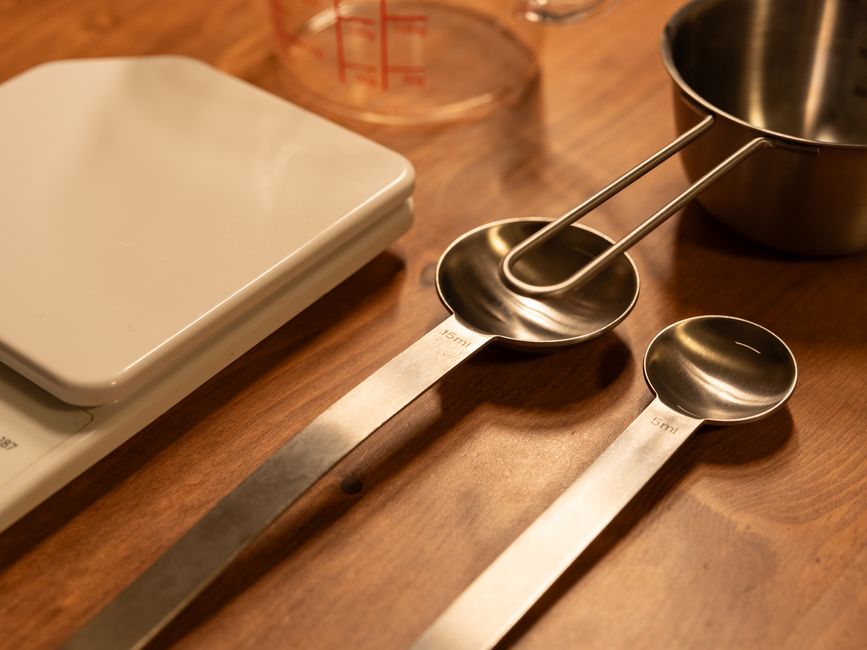
How Many Cups in a Pint? (Chart)
Cooking is a symphony of precision, a delicate dance between chemistry and creativity that often leaves home cooks feeling overwhelmed. We have all been there—standing in the middle of the kitchen with flour on our noses, staring at a recipe that asks for a pint of heavy cream while our liquid measuring cup only shows marks for cups. It is a moment of hesitation that disrupts the flow of your mise en place, and in the culinary world, momentum is everything. When you understand the fundamental relationships between volume measurements, you gain the confidence to pivot, adapt, and ultimately master the kitchen rather than being dictated by it.
At "Blame The Chef," our mission is to peel back the layers of mystery surrounding professional techniques and turn them into accessible habits for your home kitchen. Measuring ingredients is not just a chore; it is the backbone of consistent culinary success, particularly when it comes to the science of baking or the emulsification of sauces. Whether you are scaling up a family recipe for a holiday gathering or attempting a complex French reduction, knowing that two cups equal one pint is a cornerstone piece of knowledge. We believe that once you internalize these basic conversions, you stop measuring by rote and start cooking with intent.
To truly elevate your skills, you must move beyond the basic idea of "following a recipe" and start understanding the ratios that make dishes work. When you know that volume measurements like cups, pints, quarts, and gallons are part of a predictable, logical system, you unlock the ability to improvise. Throughout this guide, we will break down the precise conversion factors you need, discuss the importance of tool calibration, and provide you with a definitive chart to keep on your refrigerator. Prepare to transform your approach to kitchen prep, ensuring that every measurement you take brings you one step closer to consistent, restaurant-quality results in the comfort of your home.
The Foundation of Volume Conversions
The culinary world operates on a base-two system when it comes to standard liquid volume measurements. This logic dictates that every step up the ladder doubles the previous unit, a system designed for efficiency in busy commercial kitchens. Understanding that there are two cups in a pint is just the first step in mastering the imperial measurement hierarchy that dominates American cooking. By internalizing this hierarchy, you eliminate the frantic search for a specific measuring cup when you have a pint-sized container already in your hand.
Understanding the Imperial Hierarchy
The relationship between these units is consistent: fluid ounces, cups, pints, quarts, and gallons are all linked by factors of two or four. A single cup contains eight fluid ounces, which means a pint, at sixteen fluid ounces, must logically contain two cups. When you scale your recipes, whether you are doubling a soup recipe or halving a batch of buttercream frosting, this doubling or halving math becomes second nature. Professionals rarely reach for a specialized "pint measure" because they know that two standard eight-ounce cups fill that space perfectly.
Consistency is the secret ingredient in professional cooking; by mastering the simple math of volume conversions, you eliminate the variables that lead to kitchen disasters.
Beyond the basic cups and pints, it is helpful to remember that four cups make a quart, and four quarts make a gallon. This structure is incredibly useful when purchasing ingredients in bulk. For example, if a recipe calls for a gallon of stock and you are making a smaller batch, you can easily divide your way down to the pint or cup level without needing a complex conversion calculator. Developing this internal mental map of volumes will significantly increase your speed and efficiency during your daily prep work.
Essential Measurement Tools and Techniques
Accuracy in the kitchen starts with your tools, but it is maintained by your technique. Many home cooks make the mistake of using "eyeballing" as a measurement method, which is the quickest way to ruin a delicate emulsion or a temperamental cake batter. Investing in a set of high-quality, clear graduated measuring cups—preferably made of tempered glass—allows you to verify your levels at eye level. Always place your measuring cup on a flat, level surface rather than holding it in your hand, as the slightest tilt can skew your measurement by several tablespoons.
The Art of the Liquid Level
When measuring liquids like milk, stock, or heavy cream, you are looking for the bottom of the meniscus to align perfectly with the graduation mark. The meniscus is the curve seen at the top of a liquid in response to its container, and it is the true indicator of volume. For viscous liquids like honey, corn syrup, or thick molasses, consider lightly coating your measuring cup with a thin layer of neutral vegetable oil before pouring. This simple professional trick ensures that the ingredient slides out completely, preventing the "stuck-in-the-cup" waste that ruins the ratio of your recipe.
Always verify your measurements on a flat, level surface*.
View the liquid at eye level* to account for the meniscus.
Use the displacement method* for sticky ingredients to ensure 100% yield.
Prioritize glass or clear plastic* containers over opaque measuring vessels.
Managing Dry versus Liquid Volume
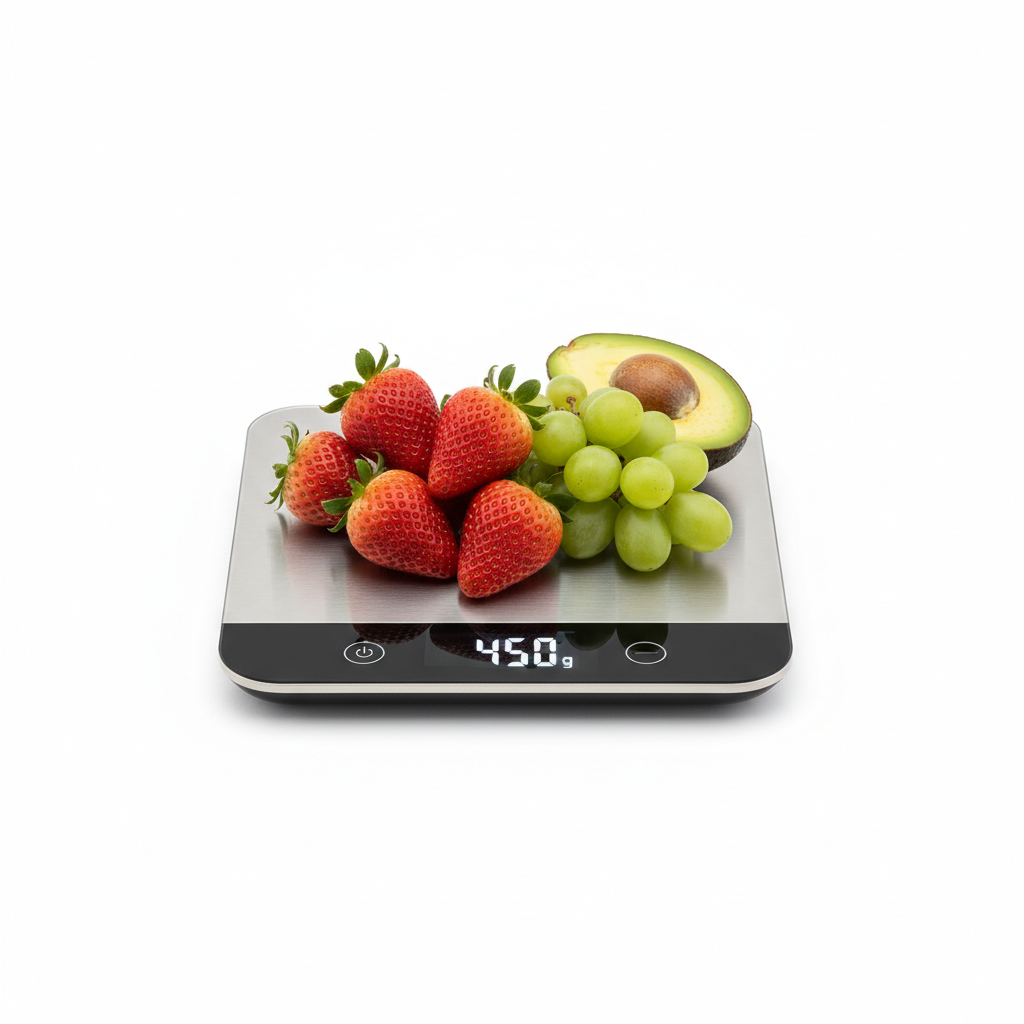
It is a common misconception that a cup of dry ingredients is identical to a cup of liquid. While the volume is technically the same, the method of measurement differs significantly. For dry ingredients like flour, the dip-and-sweep method is often inaccurate because it packs the flour, leading to an overly dense product. Instead, use a spoon to fill your measuring cup until it is overflowing, then use the straight edge of a butter knife to level it off. For the highest level of professional consistency, we always recommend moving toward a digital scale, which measures by mass rather than volume, effectively eliminating the issues associated with packing and settling.
Creating Your Conversion Cheat Sheet
To keep your kitchen workflow smooth, we have curated a master chart that you should print out and affix to your pantry door or the side of your refrigerator. Having this information visible removes the mental load of doing math while your hands are covered in dough or seasoning. The following table represents the standard US Customary units used in almost every professional culinary school and home kitchen in the United States. Keep this handy to ensure that your "pint of cream" or "half-gallon of base" is always perfectly measured.
The Professional Volume Reference Table
| Unit | Cups | Fluid Ounces | Tablespoons |
| :--- | :--- | :--- | :--- |
| 1 Pint | 2 Cups | 16 oz | 32 tbsp |
| 1 Quart | 4 Cups | 32 oz | 64 tbsp |
| 1/2 Gallon | 8 Cups | 64 oz | 128 tbsp |
| 1 Gallon | 16 Cups | 128 oz | 256 tbsp |
This table covers the most common conversions you will encounter. Notice the pattern: as you increase in unit size, the number of cups doubles every time you jump a tier. If you are ever stuck in a situation where a recipe is written in milliliters, remember that one cup is approximately 236 to 240 milliliters. While the metric system is more precise for laboratory work, the US Customary system remains the language of the American home cook, and mastering these specific increments will serve you for a lifetime of cooking.
The professional chef does not memorize recipes; they memorize ratios and the relationships between units of measurement, allowing them to adapt on the fly.
Scaling Recipes for Large Gatherings
The true test of a chef’s skill is the ability to scale a recipe from a dinner for four to a banquet for forty. When you are scaling up, simple multiplication is your best friend, but you must be wary of "scaling errors" that occur with spices and leavening agents. When you multiply a recipe, the volume of liquids increases linearly, but the intensity of certain aromatics and leavening agents like baking powder does not always behave the same way. Always scale your base ingredients first, then use your judgment to temper the spices and seasoning once the bulk of the recipe is assembled.
The Math of Batch Cooking
When you need to prepare a large quantity of a base, such as a master velouté or a basic vinaigrette, think in terms of quarts and gallons. If you know that two cups make a pint, you quickly realize that a gallon contains sixteen cups. If a recipe calls for two cups of cream, and you are scaling it up by a factor of eight to serve a large crowd, you now know that you need exactly one gallon of cream. This mental calculation saves time and reduces the risk of miscounting the number of cups you have poured into your mixing bowl.
Handling Leavening and Aromatics
When scaling, be particularly careful with salt and baking agents. A common mistake is to quadruple the salt when quadrupling a recipe, which often results in an inedible, over-salted dish. Instead, scale your salt by 75% and taste, adding more as necessary. Similarly, with baking powder, too much in a large-batch cake can lead to a metallic aftertaste or a collapse in the center. Understanding the volume allows you to handle these adjustments with surgical precision, ensuring the integrity of your final product remains intact regardless of the volume produced.
Troubleshooting Common Measurement Errors
Every chef makes mistakes. The difference between a home cook and a professional is the ability to diagnose and correct those mistakes before the dish hits the plate. If you find your cake is too dry, it is almost always a result of over-measuring your flour or under-measuring your liquid. If your sauce is too thin, you might have miscalculated your pint-to-cup conversion. By maintaining a clean prep area and keeping your tools organized, you can minimize these errors significantly.
When the Math Goes Wrong
If you realize you have added too much of an ingredient, don't panic. Understanding the volume relationship helps you "balance out" the mistake. For example, if you have accidentally doubled the amount of liquid in a soup, you can often compensate by increasing the aromatic base or reducing the liquid through a longer, slower simmer—a technique known as reduction. Reduction is a classic professional method that concentrates flavor and adjusts the consistency of the dish after the initial measurement phase.
Consistency is key*: Always use the same set of measuring cups throughout the preparation of a single dish.
Keep your workspace clear*: Do not let empty measuring cups clutter your station, as it is easy to lose track of how many cups have already been added.
The "Double Check" Rule*: If you are working with expensive ingredients like saffron or high-end chocolate, always double-check your measurement before pouring.
Document your changes*: If you scale a recipe, write the new measurements down in the margin of your cookbook for the next time.
The Role of Precision in Pastry
Pastry, in particular, is an unforgiving discipline. While a soup might allow for a "splash" of extra stock, a choux pastry or a macaron shell requires exact proportions. If you are struggling with your bakes, it is time to move away from volume entirely and invest in a digital scale. Measuring by weight (grams) is the gold standard for pastry because it accounts for the density of the ingredient. However, if you must use volume, be meticulous with your leveling and ensure you are using the correct pint-to-cup ratios to maintain the delicate chemical balance of your bake.
The Professional Mindset: Mise En Place
The term mise en place is French for "everything in its place," and it is the most important concept you will learn at "Blame The Chef." It refers to the preparation that occurs before you even turn on the burner. When you are organized, you aren't scrambling to find a measuring cup while your butter is burning in the pan. Professionalism starts with the setup. Before you start cooking, gather all your ingredients, verify your measurements, and place them in small bowls or containers.
Structuring Your Workflow
Your workflow should move from the most time-consuming prep to the fastest actions. If your recipe requires a quart of stock, measure that quart out first. If you need two pints of cream, measure them and set them aside. By creating a visual inventory of your ingredients, you ensure that you don't miss a step or double-add an ingredient. This level of organization allows you to focus on the heat, the timing, and the texture of your food, rather than the logistics of the measurement.
Maintaining Temperature and Texture
Beyond volume, temperature control is essential. When you are measuring out liquids, consider the temperature of the ingredient as well. For example, when adding a pint of heavy cream to a hot sauce, you should temper it by adding a small amount of the hot liquid to the cold cream first. This prevents the cream from curdling or breaking. These small, calculated movements are what separate a competent cook from a master chef. Keep your measurements accurate, and keep your techniques consistent, and you will see an immediate improvement in the quality of your meals.
True culinary mastery isn't about recipes; it's about understanding the fundamental properties of your ingredients and how they interact under heat and time.
Advanced Culinary Ratios to Remember
Once you have mastered the pint-to-cup conversion, you are ready to explore the ratios that define classic French cuisine. These aren't just measurements; they are blueprints. Take the roux, for instance—a mixture of flour and fat used to thicken sauces. The classic ratio is equal parts by weight or volume. If you use one cup of butter, you use one cup of flour. This creates a thickening base that can handle up to one gallon of liquid to create a standard velouté.
Building Your Culinary Repertoire
Understanding these ratios allows you to cook without a recipe. When you know the ratio of a vinaigrette is 3:1 (three parts oil to one part acid), you can make a gallon of dressing or just a single cup for a quick salad lunch. Whether you are creating a béchamel, a hollandaise, or a simple reduction sauce, these ratios provide the structure upon which you can build your unique flavor profiles. Start by focusing on the standard volumes, and soon you will find yourself measuring by instinct.
The Future of Your Kitchen
As you continue your culinary journey with "Blame The Chef," remember that every mistake is just a data point for your next success. If a dish is too salty, you learned the importance of the salt-to-volume ratio. If a sauce breaks, you learned the importance of temperature control and emulsification. Do not be afraid to experiment, but always respect the foundation of measurement. With your new knowledge of pints, cups, and quarts, you are well on your way to becoming the master of your own kitchen.
Conclusion
Mastering the basics of culinary measurement—such as knowing there are two cups in a pint—is more than just a matter of convenience; it is a fundamental shift in how you relate to your ingredients. By moving from a place of uncertainty to a place of precision, you grant yourself the freedom to focus on what truly matters: flavor, technique, and the enjoyment of the culinary process. Whether you are whipping up a simple family dinner or attempting a complex, multi-course feast, the confidence that comes with accurate measurements is an indispensable asset.
We hope this guide has demystified the imperial measurement system and provided you with the tools necessary to approach your kitchen with newfound authority. Remember that a kitchen is a place for discovery, and every dish you prepare is an opportunity to refine your touch. From the eye-level check of a liquid measure to the careful scaling of ingredients for a large gathering, these techniques will stay with you long after the stove is turned off.
At "Blame The Chef," we believe that anyone can reach a professional level of competency with enough practice and the right guidance. Keep your cheat sheet handy, continue to experiment with your ratios, and never stop questioning the "why" behind the "what." Your cooking is a reflection of your dedication to the craft. As you continue to grow, always remember that the best dish is the one made with care, patience, and, most importantly, the right amount of ingredients. Happy cooking, and may your measurements always be spot on.

Get the Next Recipe
Weekly recipes, techniques, and gear picks — straight to your inbox.
