
How Many Cups in a Pound of Sugar? (Chart)
Whether you are a seasoned baker perfecting a delicate sponge or a home cook just starting to navigate the intricacies of a new recipe, understanding the fundamentals of measurement is the bedrock of culinary success. In the professional kitchen, precision is not merely a suggestion; it is the difference between a soaring, airy soufflé and a dense, disappointing puck. Many recipes, particularly those found in older cookbooks or American-style culinary texts, rely heavily on volume-based measurements like cups and tablespoons. However, as any pastry chef will tell you, volume is inherently imprecise because it measures the space an ingredient occupies rather than its actual mass. This is why learning how many cups are in a pound of sugar—and, more importantly, when to stop trusting the measuring cup altogether—is a vital rite of passage for any serious cook.
When we talk about sugar, the conversation is rarely as simple as it seems on the surface because the density of the crystal structure changes based on the variety of the sweetener. Granulated white sugar behaves very differently from light brown sugar, which in turn acts like an entirely different beast compared to powdery confectioners' sugar. If you attempt to measure these ingredients by scooping directly from a bag with a cup, you are likely introducing significant variables into your bake, such as compaction or air pockets. Mastering the conversion between weight and volume allows you to troubleshoot your recipes with confidence, ensuring that your buttercream frosting is the perfect consistency and your caramel doesn't crystallize due to inaccurate ratios. At "Blame The Chef," our goal is to strip away the guesswork and provide you with the professional insight necessary to master your pantry.
This guide is designed to be your ultimate reference for navigating the sweet, granular world of sugars, providing the data you need to adjust your recipes on the fly. We will explore the mechanics of measurement, the chemistry behind how sugar crystals pack together, and why switching to a digital scale will ultimately save you time, ingredients, and frustration. From the crystalline structure of raw cane sugar to the fine, aerated nature of powdered varieties, we will dissect exactly what happens when you pour these ingredients into your mixing bowl. By the time you finish this guide, you will have a deep understanding of density, volume, and mass, moving you one step closer to the kind of consistency that separates a home kitchen from a commercial bakery. Let us dive deep into the numbers and techniques that make every dessert a masterpiece.
The Chemistry of Sugar Density
The reason there is no single answer to "how many cups are in a pound of sugar" lies in the physics of particulate matter. When you pour granulated sugar into a measuring cup, you are not just measuring the sugar itself; you are measuring the sugar plus the microscopic pockets of air between the crystals. If you shake that cup, those crystals settle, reducing the air space and allowing more sugar to fit into the same volume. This is known as compaction, and it is the primary enemy of accuracy in home baking. Professional chefs avoid this by using mass, which remains constant regardless of how much you shake or settle the container.
Understanding Particle Size and Air Space
Granulated white sugar is made of relatively uniform, medium-sized crystals. Because these crystals are consistent in size, they pack with a predictable level of air space. However, when you look at brown sugar, the addition of molasses changes everything. The moisture causes the sugar to cling together, which means you can pack significantly more mass into a single cup by pressing down on it. This is why recipes usually specify "packed" or "lightly packed" brown sugar. If a recipe says "1 cup of packed brown sugar," it is essentially asking for a specific density of moisture and crystal.
Why Volume Fails in Precision Baking
Volume measurements are prone to "user error." Even if you use the "scoop and level" method, the way you hold the cup or the way you dip it into the canister can change the result by up to 15 percent. In a delicate recipe like macarons or meringues, a 15 percent error in sugar content can mean the difference between a glossy, stable structure and a weeping, soupy mess. When you bake, you are performing chemistry, and just like in a laboratory, your reactant ratios must be exact. If you are struggling with cakes that collapse or cookies that spread too much, the culprit is almost always inaccurate measurement.
"Baking is a science of ratios, and when you allow volume-based measuring tools to introduce uncertainty into your workflow, you are sabotaging your own creativity before the oven even turns on."
The Master Conversion Chart
To help you standardize your pantry, use the following chart as your primary reference. Keep in mind that these numbers represent the average weight of a level, unsifted cup. For the absolute best results, always verify these weights using a digital scale calibrated to grams. Grams are the universal language of the professional pastry kitchen because they allow for granular adjustments that ounces simply cannot capture.
Granulated Sugar Conversions
1 pound of granulated sugar* is approximately 2.25 to 2.3 cups.
1 cup of granulated sugar* weighs approximately 200 grams (about 7.1 ounces).
1/2 cup of granulated sugar* weighs 100 grams.
1/4 cup of granulated sugar* weighs 50 grams.
Specialized Sugar Conversions
Packed brown sugar:* 1 pound is approximately 2.25 cups, but due to compaction, 1 cup weighs closer to 215–220 grams.
Confectioners' (powdered) sugar:* 1 pound is approximately 3.5 to 4 cups. This is highly variable depending on how much air is incorporated during the milling process and whether it has settled in the bag.
Superfine (caster) sugar:* 1 pound is approximately 2.25 cups, but because the crystals are smaller, they pack more densely than standard granulated sugar, making it weightier per volume.
Pro-Tip: The Digital Scale Advantage
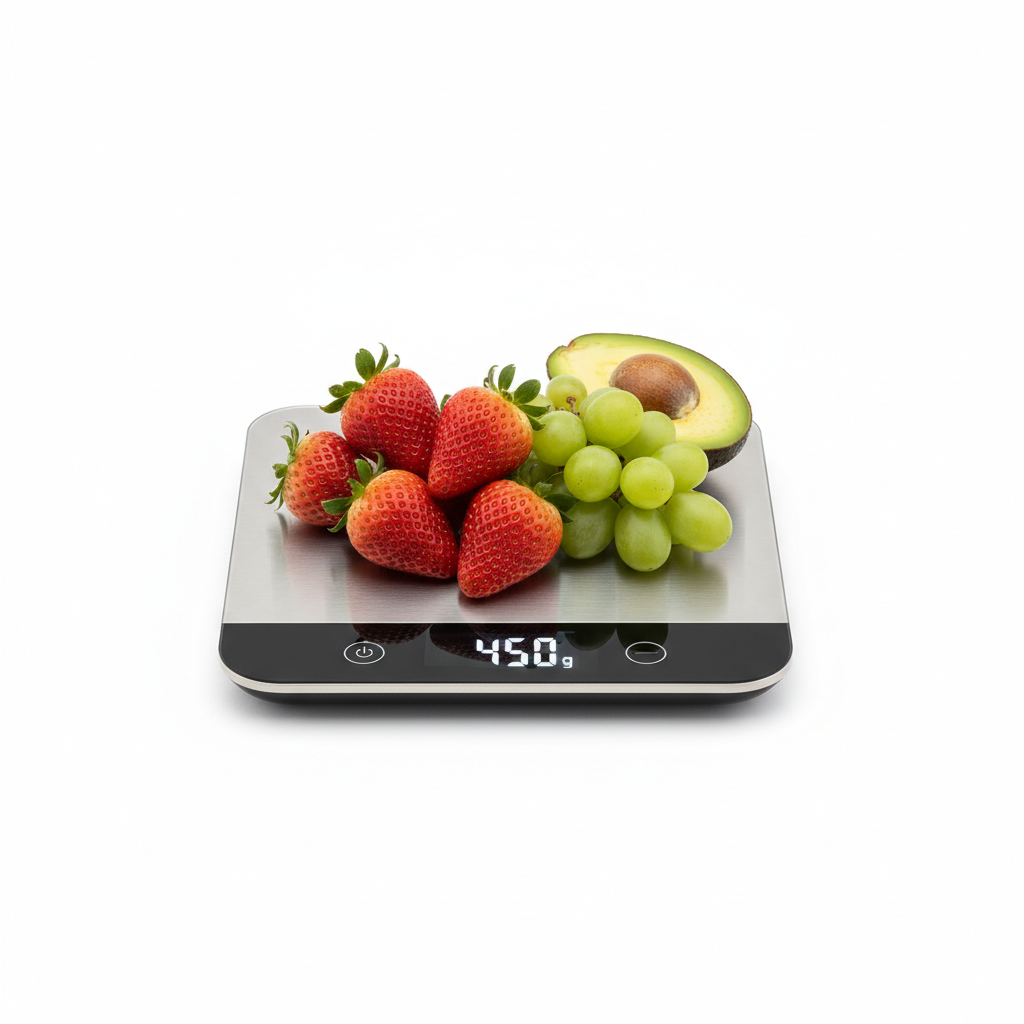
If you take nothing else away from this guide, let it be the decision to invest in a digital kitchen scale. You should look for a scale that measures in both ounces and grams with a "tare" function. The tare function allows you to place your bowl on the scale, hit the button to reset the display to zero, and then add your sugar directly. This eliminates the need for extra measuring cups and reduces the number of dishes you have to clean after your baking session is complete.
How to Measure Sugar Properly
If you must use volume measurements—perhaps you are traveling or working in a kitchen without a scale—you must follow the industry-standard "scoop and level" technique. This technique is designed to minimize the accidental compression of your sugar. Never, ever use your measuring cup to scoop directly from the bag, as this acts like a piston and compacts the sugar into the bottom of the cup, leading to an over-measurement that can throw off the balance of fats and leavening agents in your batter.
The Scoop and Level Technique
Handling Brown Sugar
Unlike granulated sugar, brown sugar should generally be measured by packing it into the cup. If a recipe calls for brown sugar, it usually expects the moisture to be part of the volume. Use the back of a large spoon or your fingers to press the sugar firmly into the cup until it holds the shape of the container when turned out. If you do not pack it, you will likely end up with about 20 percent less sugar than the recipe requires, which will affect the sweetness and the chewiness of your final product.
The Problem with Confectioners' Sugar
Confectioners' sugar is the most notorious offender in the kitchen. Because it contains a small amount of cornstarch to prevent clumping, it is prone to extreme aeration. Always sift your powdered sugar before measuring if the recipe calls for a delicate texture, such as in an icing or a royal glaze. If you measure it unsifted, you are measuring clumps of air and solid sugar, which will result in a gritty texture and an inconsistent final yield.
"A level cup is a happy cup; the precision you apply at the start of your recipe is the foundation upon which your flavors will build."
The Impact of Temperature and Humidity
Beyond the measurement of the sugar itself, you must account for the environment in which you are baking. Sugar is hygroscopic, meaning it naturally attracts and absorbs moisture from the air. In a humid climate, your brown sugar might become damp and sticky, or your granulated sugar might develop hard clumps. Conversely, in a very dry climate, your sugar may lose moisture, potentially affecting how it dissolves in a wet batter or how it caramelizes in a saucepan.
Sugar and Caramelization
When you are cooking sugar, temperature is the only metric that matters. Whether you start with one cup or two pounds, the sugar will eventually reach the same physical transformation points. Use a high-quality candy thermometer to track the stages: Thread (230°F), Soft Ball (240°F), Hard Ball (260°F), Soft Crack (280°F), and Hard Crack (300°F). Never eyeball the color; always verify the temperature with an accurate digital probe, as sugar can transition from a perfect golden caramel to an acrid, burnt mess in a matter of seconds.
Storing for Consistency
Store your sugars in airtight, food-grade containers to prevent them from absorbing odors or moisture from the kitchen environment. If you find that your brown sugar has hardened into a brick, do not throw it away. You can revive it by placing it in a microwave-safe bowl with a damp paper towel and heating it for 20 seconds, or by simply placing a slice of apple or a piece of terra cotta sugar saver into the container for a few hours. The sugar will pull the moisture from the source and return to its soft, usable state.
Advanced Techniques for Sugar Handling
As you elevate your skills, you will move beyond simple measurement and into the realm of sugar manipulation. This involves understanding how different sugars behave when heated, folded, or whipped. For instance, the fine crystals of caster sugar dissolve faster than standard granulated sugar, making it the preferred choice for delicate mousses or meringues where large sugar grains might remain undissolved and create an unpleasant crunch.
Creaming and Aeration
In cookie and cake baking, the "creaming method" relies on the sharp edges of granulated sugar to cut into the fat (butter). This process creates millions of tiny air bubbles that expand in the oven. If your sugar is too coarse, it will not cream effectively; if it is too fine, it may dissolve too quickly into the butter, resulting in a greasy texture. For the best "creamed" result, stick to standard granulated sugar. If you are using a recipe that requires a very light crumb, consider using a high-quality organic cane sugar, which usually features a slightly larger, more consistent crystal size.
Achieving the Perfect Meringue
When making a meringue, you are essentially creating a foam stabilized by sugar. The goal is to dissolve the sugar into the egg whites without destabilizing the protein structure. Adding the sugar too quickly will weigh down the whites, preventing them from achieving their maximum volume. Add your sugar one tablespoon at a time once the whites have reached soft peaks. This gradual incorporation ensures the sugar dissolves completely into the protein matrix, creating the glossy, stable, and stiff peaks necessary for successful French, Italian, or Swiss meringues.
Avoiding Crystallization
If you are making a sugar syrup or a caramel, one stray sugar crystal can trigger a chain reaction that causes the entire batch to crystallize and turn into a grainy, solid mess. To prevent this, always wipe down the sides of your saucepan with a pastry brush dipped in warm water. This removes any crystals that may have splashed onto the sides of the pot. Additionally, never stir the sugar once the liquid begins to boil, as the agitation can encourage premature crystallization.
Troubleshooting Your Sweetener Issues
Even the best chefs encounter "sugar disasters" from time to time. The most important thing is to understand what went wrong so you can correct it next time. If your cookies spread into a thin, caramelized puddle, you likely had too much sugar or not enough flour. If your cake is tough rather than tender, you may have over-creamed the sugar with the butter, creating too much structural integrity where you wanted airiness.
When to Adjust Ratios
If you find that a recipe is too sweet, you can often reduce the sugar by up to 20 percent without compromising the structural integrity of a cake or a cookie. However, be aware that sugar also provides moisture. If you reduce the sugar, you may need to increase your liquid content slightly or add a small amount of an invert sugar like honey or corn syrup to maintain the desired texture and chew.
The Role of Invert Sugars
Invert sugars, such as honey, agave, or corn syrup, are liquid sweeteners that do not crystallize easily. They are excellent for candies and frostages because they provide a smooth, velvety texture. Because they are liquid, you cannot measure them by the cup in the same way you measure granulated sugar. Always weigh your syrups. A cup of honey is significantly heavier and sweeter than a cup of white sugar, and substituting them at a 1:1 ratio by volume will result in a recipe that is far too sweet and likely too liquid.
Refining Your Palate
As you gain experience, your palate will become more sensitive to the differences between sugar varieties. Turbinado sugar has a deep, molasses-like flavor that works beautifully in spiced cakes but would ruin a delicate lemon sponge. Demerara sugar provides a fantastic crunch as a topping but doesn't dissolve well in batters. Learn to respect the unique characteristics of each sugar type, and you will find that your desserts possess a complexity and depth that most home cooks simply never achieve.
"The difference between a good home cook and a professional is the willingness to look at the ingredients as living entities that react differently under pressure, heat, and time."
Final Thoughts
Mastering the art of measurement is the ultimate act of respect for your ingredients and for the craft of baking itself. By understanding that "how many cups are in a pound of sugar" is a question of density and physics rather than a fixed rule, you have taken the first step toward true culinary autonomy. We hope this guide serves as a reliable anchor in your kitchen, helping you navigate the complexities of sweeteners with precision and ease. Remember that while the numbers are important, the most vital component in your kitchen is your own intuition, developed through practice and consistent application of these techniques.
At "Blame The Chef," we believe that baking should be a joyful, rewarding process. It should never be a source of stress or anxiety. By removing the ambiguity of volume measurements and embracing the reliability of weight, you are clearing the path for more creativity and fewer mishaps. Start by weighing your sugar the next time you bake a batch of cookies, notice the difference in consistency, and watch how your confidence grows. Do not be afraid to experiment, to record your findings, and to adjust your methods as you learn what works best for your specific oven and climate.
Keep your scale close, keep your workspace clean, and never stop learning. The world of pastry is vast, and the science of sugar is only the beginning. Whether you are tempering chocolate, spinning sugar into delicate ornaments, or simply baking a classic chocolate chip cookie for your family, the principles of precision remain the same. Go forth with your new knowledge, refine your technique, and above all, enjoy the process of turning simple pantry staples into extraordinary experiences. You now possess the tools to ensure that your bakes are not just good, but consistently professional, every single time.
As you look forward to your next kitchen project, consider the role of every single ingredient. Sugar is not just there to provide sweetness; it is a structural component that dictates texture, moisture retention, shelf life, and the Maillard reaction that gives your baked goods that beautiful golden-brown color. When you treat these variables with the attention they deserve, you unlock the ability to manipulate your recipes to suit your own tastes and preferences. Continue to push yourself, stay curious, and always remember that when a bake goes wrong, you can always look back to your measurements to find the answer. Happy baking, and may your kitchen always be filled with the sweet scent of perfectly prepared treats.
We truly hope that this comprehensive guide has empowered you to take control of your baking. Baking is a lifelong journey of discovery, and every mistake is simply a lesson in disguise. By standardizing your measurements, you are building a solid foundation that will support you as you move into more advanced techniques. Thank you for choosing to hone your craft with us at "Blame The Chef." We are honored to be a part of your culinary evolution. Now, grab that bag of sugar, hit the tare button on your scale, and go create something truly spectacular. The oven is preheated, the ingredients are ready, and your next masterpiece is just one accurate measurement away. Stay focused, stay consistent, and keep baking.

Get the Next Recipe
Weekly recipes, techniques, and gear picks — straight to your inbox.
