
How Many Cups in a Quart? (Chart)
Every home cook, from the enthusiastic beginner to the seasoned kitchen warrior, has experienced that moment of panic when a recipe calls for a unit of measurement that doesn’t match their measuring tools. You are mid-prep, your hands are covered in flour or perhaps sticky with a marinade, and you find yourself staring at a recipe that demands a quart of stock when all you have is a set of dry measuring cups. This confusion is common, and quite frankly, it is the reason many aspiring cooks start to doubt their intuition. At "Blame The Chef," we believe that culinary confidence begins with a deep, unshakable understanding of the fundamental mechanics of the kitchen. Understanding how to navigate measurements is not just about following directions; it is about liberating yourself from the rigid constraints of a recipe card.
When you master the basic ratios and conversion factors—specifically the relationship between volume measurements like cups and quarts—you gain the ability to scale recipes, improvise with the ingredients you have on hand, and ultimately cook with a fluidity that defines the professional experience. Cooking is often described as an art, but at its foundation, it is a science governed by precision and predictable ratios. If you treat your kitchen like a laboratory, even if only for the moments when you are measuring your mise en place, you will find that your final dishes improve dramatically in consistency and flavor profile. There is no shame in double-checking your math; in fact, the best chefs in the world are constantly verifying their ratios to ensure that every pot of sauce or batch of dough hits the perfect note.
In this guide, we are going to demystify the quart and its relationship to the humble cup. We will explore why these conversions are essential for everything from large-batch canning and soup-making to simple baking projects. We will also discuss the importance of proper measuring techniques, the difference between liquid and dry volume, and how to adjust your cooking strategy when you find yourself lacking the specific tool you need. By the time you finish reading this, you will never have to search for a conversion chart mid-recipe again. You will have internalized these numbers, allowing you to focus on the sensory experience of cooking—the aroma of aromatics hitting the pan, the texture of a thickening reduction, and the joy of serving a meal that was executed with absolute technical competence.
The Mathematical Foundation of the Kitchen
At the core of American standard culinary measurements lies a system that is, at times, admittedly confusing. However, it is rooted in a logical progression of volume. A quart is defined as one-quarter of a gallon, which is where the name originates. Understanding this hierarchy—gallons, quarts, pints, and cups—is the first step toward true kitchen autonomy. When you realize that a quart is exactly equal to four cups, you unlock the ability to quickly scale almost any liquid-based recipe. Whether you are whipping up a large batch of homemade vinaigrette or preparing a base for a hearty beef stew, knowing that four cups make a quart allows you to estimate your storage requirements and your total ingredient yield with ease.
Why Precision Matters in Scaling
When scaling recipes up or down, it is easy to assume that you can simply multiply or divide everything by the same factor. While this is true for most ingredients, it can lead to disaster with leavening agents or delicate spice blends. By knowing that a quart is four cups, you can accurately transition from a small family meal to a large party menu. If a recipe calls for two quarts of chicken stock but you only want to make half that amount, you now know you need exactly four cups. This mental agility is what separates someone who reads a recipe from someone who controls it.
"Precision in the kitchen is not just about avoiding mistakes; it is about building a foundation of consistency that allows you to experiment with confidence and flair."
Measuring Liquids vs. Dry Ingredients
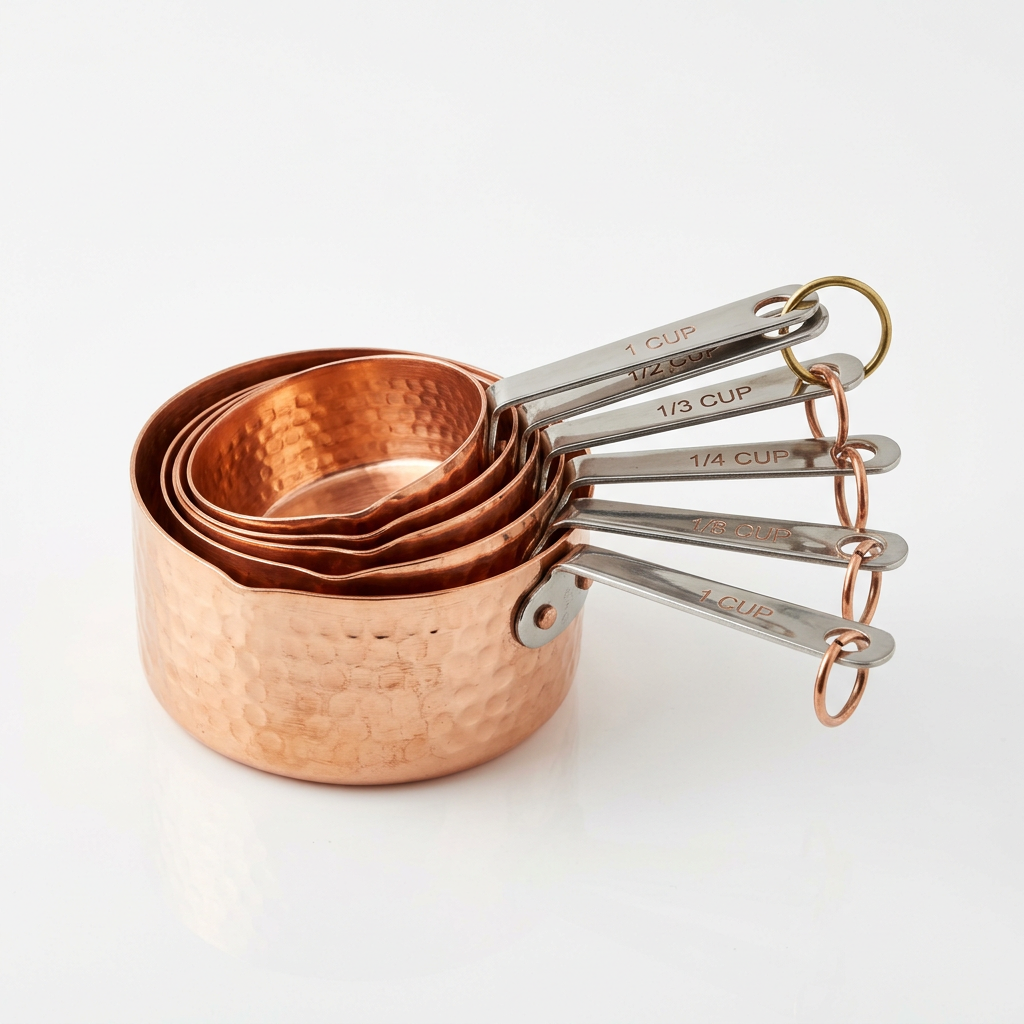
It is a cardinal sin in the kitchen to measure dry ingredients with liquid measuring cups, and vice-versa. Liquid measuring cups, usually made of transparent glass or plastic, are designed to allow for a meniscus reading, ensuring accuracy for water, oil, or milk. Dry measuring cups are meant to be filled to the brim and leveled off with a straight edge. When you are dealing with a quart of a liquid ingredient, you must use a vessel that accounts for the displacement of liquid. If you are measuring a quart of dry flour, you are essentially dealing with a volume that should be measured by weight whenever possible, but if you must use volume, be aware that a quart of flour will weigh significantly less than a quart of water.
The Quart and Cup Conversion Chart
To help you internalize these conversions, we have designed a quick reference guide that you can save or memorize. While the basic conversion is simple, it is helpful to see the breakdown of how these units interact within the context of a standard kitchen. Keeping this information handy will save you time and prevent the frustration of stopping your cooking process to perform arithmetic.
The Conversion Breakdown
1 Quart = 4 Cups*
1 Quart = 2 Pints*
1 Quart = 32 Fluid Ounces*
1 Pint = 2 Cups*
1 Cup = 8 Fluid Ounces*
Understanding Fluid Ounces
Many professional recipes are written in fluid ounces rather than cups or quarts. This is because fluid ounces are a more granular unit of measurement, which helps maintain higher levels of accuracy in high-end culinary applications. If a recipe calls for 16 ounces of cream, you can quickly divide by eight to determine that you need exactly two cups, or exactly half a quart. Understanding how these units interlock ensures that you can interpret any recipe, regardless of the format, with total clarity and professional ease.
Essential Techniques for Accurate Measurement
Even if you know that there are four cups in a quart, your measurements will be useless if your technique is flawed. The way you handle your measuring tools can mean the difference between a perfectly set custard and a watery, unusable mess. Professional chefs are trained to handle their mise en place with a specific rhythm and rigor, ensuring that the volume of an ingredient is exactly what the recipe requires. Consistency is the hallmark of a great chef, and consistency begins with how you approach your measuring cup.
The Importance of Leveling
When measuring dry ingredients, you must always use the dip and sweep method. Dip your measuring cup into the bag of flour, sugar, or grain, then use a flat-edged spatula or the back of a knife to level it off across the top of the cup. Never pack the ingredient down unless the recipe specifically calls for it, as this will artificially increase the density and volume of your measurement. If you are measuring a quart of a dry ingredient using a one-cup measure, you must repeat this leveling process four times to ensure you actually end up with a full quart.
Utilizing Scale-Based Measuring
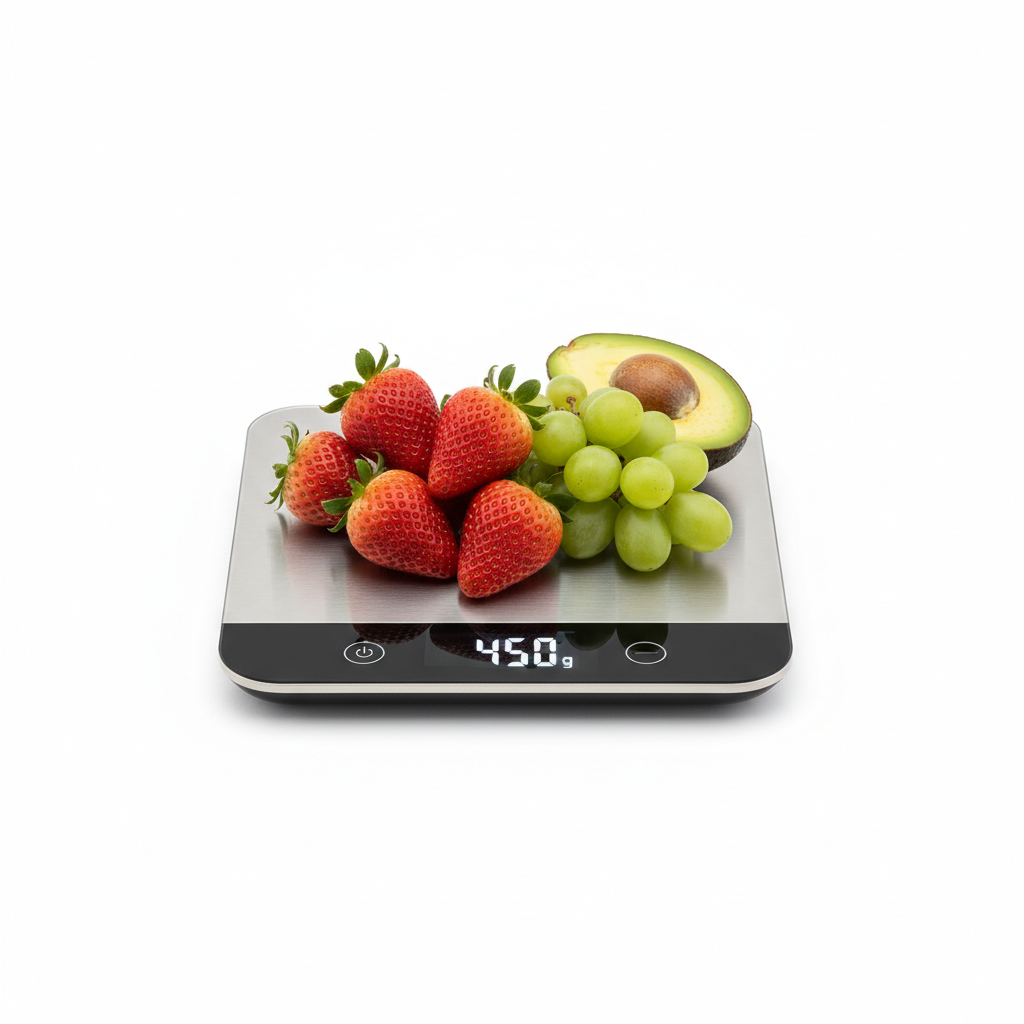
While this post focuses on volume, it would be remiss not to mention that professional kitchens are moving toward weight-based measurements for everything. Using a kitchen scale is the most accurate way to measure both liquids and solids. A quart of water weighs approximately 32 ounces (or 2 pounds). If you weigh your ingredients, you eliminate the variables of human error, packing, and meniscus reading. We highly recommend investing in a high-quality digital scale that can switch between grams, ounces, and pounds to elevate your overall cooking precision.
"A kitchen scale is the most important tool you will ever purchase. It replaces guesswork with certainty, allowing you to replicate your culinary successes every single time."
Managing Large Volumes and Batch Cooking
Once you have mastered the quart-to-cup conversion, you open the door to efficient batch cooking. Large-batch cooking is a skill that saves hours of time throughout the work week. Whether you are simmering a massive pot of tomato sauce to be jarred or preparing a hearty bone broth, knowing how many cups you need to reach a quart allows you to scale your ingredients properly without losing the balance of flavors.
Scaling Up for Stocks and Soups
When you are scaling a recipe that requires large volumes of liquid, such as a soup or stock, remember that evaporation is your biggest enemy. If you are quadrupling a recipe to make four quarts of soup, you must also be mindful of the surface area of your pot. A wider pot will lose more liquid to evaporation than a tall, narrow stockpot. Therefore, while the mathematical conversion remains four cups to a quart, the culinary application requires you to monitor the pot and potentially add a splash of water or broth to maintain the desired consistency as the soup simmers.
Proper Storage Techniques
Knowing your volumes is essential for efficient storage. If you have prepared four quarts of chili, you know exactly how many standard-sized quart containers you need to retrieve from your pantry. Using the right size container is vital for food safety. Smaller containers chill faster in the refrigerator, preventing the "danger zone" where bacteria can proliferate. Always allow your food to reach room temperature before sealing it tightly, and label your containers with the date to maintain a professional standard of quality control.
Troubleshooting Common Measurement Errors
Every cook has experienced the sinking feeling of realizing they have over-salted a sauce or under-measured a leavening agent. When this happens, understanding your volumes can actually help you "rescue" the dish. If you know that you have four cups of liquid base, you can better estimate how much seasoning or acidity (like lemon juice or vinegar) is required to balance the flavor profile.
Adjusting Salt and Spices
A common mistake is assuming that spice ratios scale linearly with liquid volume. While the base liquid (like a quart of broth) scales easily, spices and salt do not always follow the same rule. If you are quadrupling a recipe, start by tripling the spices, then taste. You can always add more, but you can never take it out. This is a classic professional technique: season in layers and taste at every stage of the process to ensure that the intensity remains balanced even as the volume increases.
Correcting "Off" Measurements
If you realize you have added too much of a dry ingredient—for instance, you used a quart of flour when the recipe only called for three cups—you must balance it with more liquid. By understanding the cup-to-quart relationship, you can calculate that you have added one extra cup of flour. You can then compensate by adding a proportional amount of liquid (usually water or stock) to return the dough or batter to its intended hydration. This type of "culinary math" saves ingredients and prevents food waste.
The Psychology of Cooking with Confidence
The ultimate goal of learning these conversions is not to memorize numbers for the sake of it, but to build a psychological framework for confidence in the kitchen. When you aren't worried about whether you have enough cups to make a quart, your brain is free to focus on the sensory cues that define great food. You begin to notice the color change in a roux, the viscosity of a reducing glaze, and the aroma of herbs being released into fat. This is where the magic happens.
Moving Beyond the Recipe
Once you master the basic ratios, you will find that you no longer need to strictly follow a recipe card. You will start to understand why a recipe works the way it does. You will see a quart of liquid and immediately envision the flavor profiles you can build, the vegetables you can add, and the herbs that will complement the base. You become the conductor of the kitchen, rather than just an observer. This level of confidence is what we strive for at "Blame The Chef."
Developing Your Chef's Intuition
Intuition is really just experience that has been internalized. Every time you measure a cup and recognize that you are one-fourth of the way to a quart, you are reinforcing your internal map of culinary logic. Over time, these calculations become second nature. You won't have to count the cups; you will simply know the volume by sight. This is the hallmark of an intuitive cook who can walk into a kitchen, look at the ingredients available, and build a meal that is balanced, delicious, and perfectly portioned.
"True kitchen mastery is when the measurements become invisible, and all that remains is the harmony of flavors and the pleasure of the process."
Conclusion
Understanding the simple fact that there are four cups in a quart is more than just a piece of trivia—it is a foundational building block for every great home cook. By mastering this conversion, you gain the ability to scale, store, and troubleshoot your cooking with the same efficiency as a professional chef in a high-pressure kitchen. We encourage you to take this knowledge and apply it to your next cooking project, whether you are simmering a simple broth or crafting an elaborate multi-course meal.
Remember that the goal of every technique we discuss here is to empower you. Precision is the tool, but your intuition and creativity are the true drivers of your culinary journey. Do not let the complexity of traditional measuring systems intimidate you; instead, view them as a language you are learning to speak fluently. As you continue to practice, you will find that these numbers disappear into the background, leaving you with nothing but the joy of the craft and the satisfaction of a perfectly executed dish. Keep your kitchen organized, keep your measurements accurate, and above all, keep cooking with passion and curiosity. Your table, your family, and your own culinary journey will be richer for it.
We hope this guide has provided you with the clarity needed to navigate your kitchen with renewed confidence. At "Blame The Chef," our mission is to ensure that every cook has the tools and information necessary to turn a basic meal into an exceptional experience. Whether you are using a quart to measure out milk for a delicate béchamel or using it to store the bounty of a seasonal harvest, carry this knowledge with you. The kitchen is a place of constant growth and discovery. Embrace the process, trust your measurements, and enjoy the delicious results of your hard work. Until next time, keep your knives sharp, your mise en place ready, and your standards high. Happy cooking!

Get the Next Recipe
Weekly recipes, techniques, and gear picks — straight to your inbox.
