
How Many Grams in a Cup of Sugar?
Every seasoned baker knows the feeling of standing in the kitchen, flour on their apron, staring at a recipe that calls for "one cup of sugar." While a simple measuring cup might seem like the standard tool for the job, anyone who has spent enough time behind an oven door understands that volume measurements are the sworn enemy of precision. In the professional culinary world, we rely almost exclusively on weight because it removes the guesswork and the inconsistency that inevitably creeps in when you use a scoop. Achieving the perfect crumb on a cake or the ideal snap on a cookie depends entirely on the baker’s percentage and the exact ratio of dry to wet ingredients. When you rely on volume, you are at the mercy of how tightly you pack your sugar or how settled the contents of your canister have become, leading to wildly different results between batches.
Transitioning to a digital scale is the single most important step a home cook can take to elevate their baking from "good enough" to "bakery quality." Sugar, in particular, is a fickle ingredient; its crystal structure varies, and moisture levels in your kitchen can actually change how much space a cup of granulated sugar occupies. By learning exactly how many grams are in a cup, you stop being a cook who "makes do" and start being a scientist who understands the chemistry of sweets. We are going to break down the conversion rates for every common type of sugar you might find in your pantry, from the stark white granulated standard to the dark, treacle-heavy muscovado. This guide is your foundation for building consistency, professionalizing your technique, and ensuring that every batch of cookies or loaf of cake comes out exactly as intended.
Precision is not just about perfection; it is about the freedom to experiment without fear of failure. When you know your base ingredients by weight, you can adjust your recipes to account for altitude, humidity, and even the specific heat capacity of your oven. Many home bakers find the shift to weighing ingredients intimidating at first, but once you master the scale, you will wonder how you ever functioned with a measuring cup. We will explore the nuances of sugar density, the importance of tare-weighting your bowls, and the specific ratios required for delicate meringues versus sturdy butter cakes. Let’s dive into the science of sweetness and turn your kitchen into a high-precision laboratory where the results are as repeatable as they are delicious.
Understanding Sugar Density and Weight
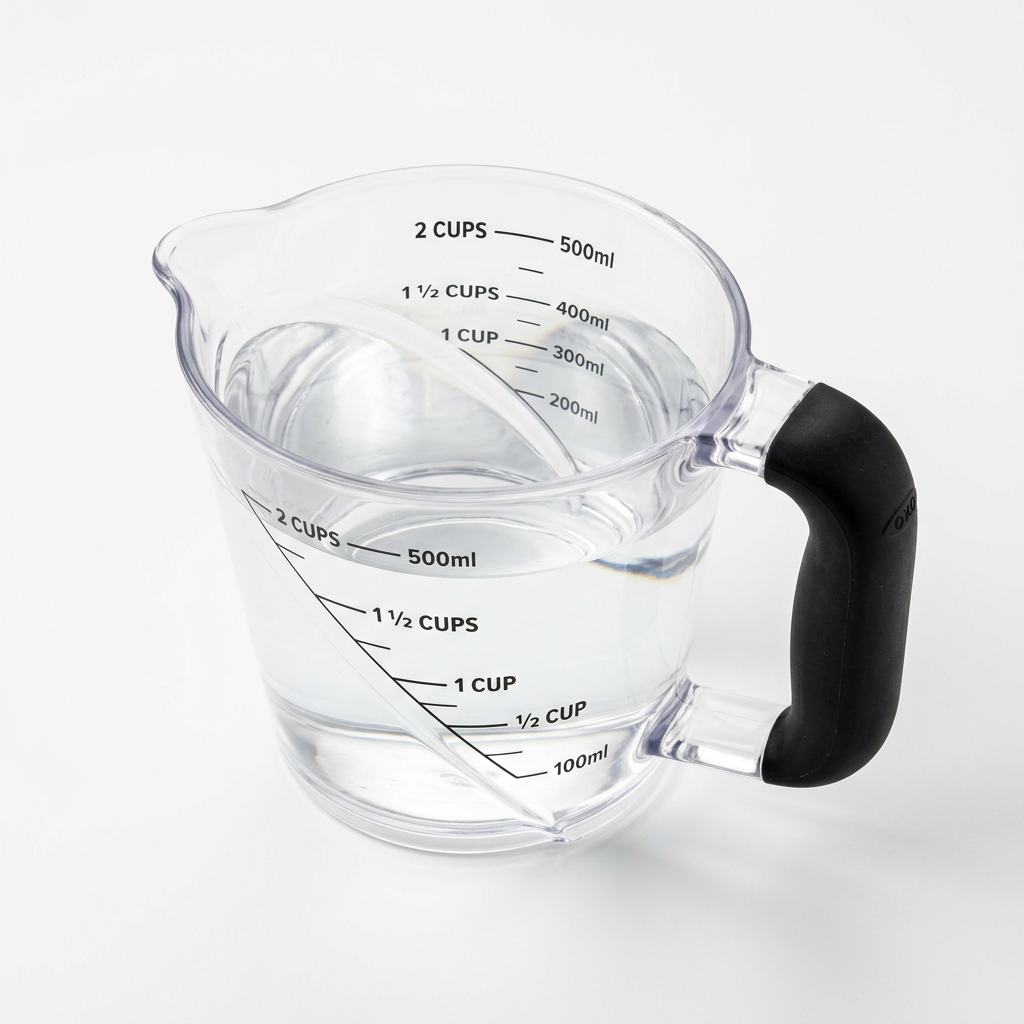
The most common point of confusion for home bakers is the assumption that one cup of any ingredient weighs the same. In reality, the density of a substance determines how much it weighs per unit of volume. Because granulated sugar is crystalline and relatively uniform, it sits consistently in a measuring cup if handled properly, but it is still far less reliable than a digital scale. One cup of standard granulated white sugar generally weighs approximately 200 grams. If you are looking for a reliable baseline for your recipes, this is the number you should keep taped inside your pantry door. However, this number can fluctuate by 5 to 10 grams depending on whether the sugar has been sifted or settled.
The Role of Granule Size
The size of the sugar crystal plays a major role in how much mass fits into a standard volume. Superfine or caster sugar, which has smaller, finer crystals, packs together much more densely than standard granulated sugar. If you were to measure a cup of caster sugar, you would find it weighs closer to 210 to 225 grams. This is a significant difference when you are scaling up a recipe for a wedding cake or a large batch of macarons. Using the wrong type of sugar measurement can lead to a batter that is too sweet, too thin, or structurally unsound during the baking process.
Why Your Scale is Your Best Friend
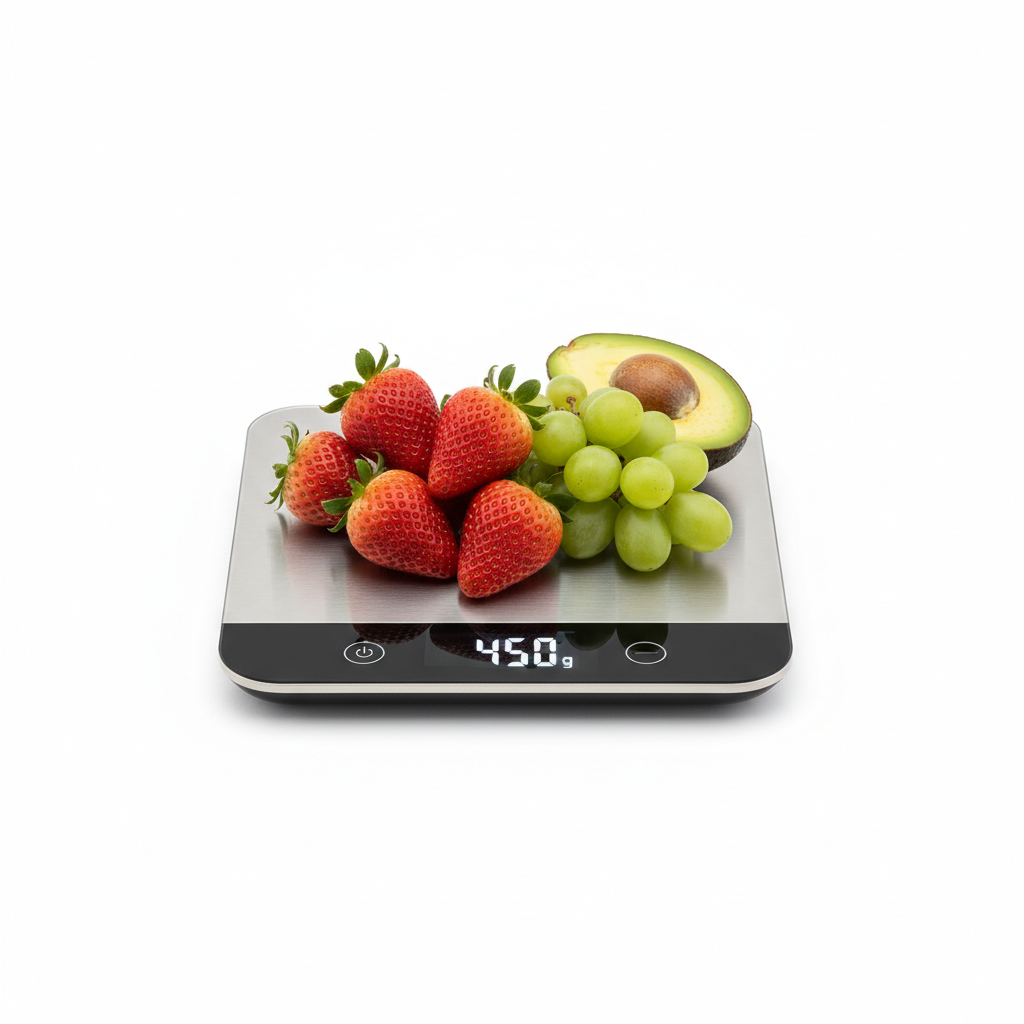
A digital kitchen scale is the most affordable way to instantly upgrade your culinary output. When you measure by weight, you eliminate the "human error" factor. Whether you are measuring a teaspoon or a kilogram, the weight remains constant regardless of the container. We recommend using a scale that measures in one-gram increments to ensure maximum accuracy. When you add the sugar to your mixing bowl, simply place the bowl on the scale and press the "tare" or "zero" button. This allows you to add the ingredient directly into the vessel you are mixing in, saving you from cleaning extra cups and spoons, and providing a clean, accurate measurement every single time.
"Baking is chemistry, and chemistry requires precision. When you switch to a digital scale, you stop guessing and start engineering your desserts to perfection."
The Gram Weights of Common Sugars
Not all sugars are created equal. While granulated sugar is the workhorse of the baking world, your pantry likely houses a variety of other sweeteners, each with its own unique weight profile. Understanding these variations is essential for adapting vintage recipes that rely on old-fashioned volume measurements into modern, professional-grade formulas. When you understand the weight of your ingredients, you gain the ability to troubleshoot why a recipe failed and make the necessary adjustments for your next attempt.
Granulated and Caster Sugar
As noted, a cup of standard granulated sugar sits at the 200-gram mark. Caster sugar, also known as superfine sugar, is slightly heavier due to the smaller crystal structure, typically coming in at 210-225 grams per cup. If a recipe specifically calls for "caster sugar," it is usually because the baker wants the crystals to dissolve quickly into a fat-based mixture, such as in a delicate sponge or a quick-dissolve meringue. Never substitute these two blindly if you are aiming for a specific texture.
Brown Sugar Varieties
Brown sugar is a completely different beast because it contains molasses, which adds significant moisture and density. Light brown sugar, when firmly packed into a measuring cup, usually weighs about 215 to 220 grams. Dark brown sugar, which has a higher molasses content, can weigh up to 230 grams per cup. The key phrase here is "firmly packed." If you do not pack the sugar, you will get significantly less mass, which will drastically alter the moisture and flavor profile of your baked goods.
* Light Brown Sugar (Packed): ~215 grams
* Dark Brown Sugar (Packed): ~230 grams
* Powdered/Confectioners Sugar (Sifted): ~120-125 grams
* Turbinado or Raw Sugar: ~200-205 grams
The Impact of Measurement on Texture
The texture of a cookie or cake is highly dependent on the sugar-to-fat ratio. Sugar is hygroscopic, meaning it attracts water. If you use too much sugar, your cookies will spread excessively in the oven and turn into flat, crispy disks. If you use too little, the structure of the cake may be dense, dry, and lacking the necessary browning that comes from the Maillard reaction. When you measure by weight, you ensure that the hydration levels in your dough are perfectly balanced, allowing for the precise spread and rise that you see in professional photography.
Controlling the Spread
If your cookies are spreading too thin, the culprit is often an excess of sugar relative to the flour. By weighing your sugar to the gram, you can control the moisture in the dough. For a thicker, chewier cookie, we often use a higher ratio of brown sugar to white sugar. Because brown sugar is acidic, it also reacts with baking soda to help the dough rise, providing a loftier, softer texture. This chemistry is precise, and it relies entirely on your ability to accurately weigh those grams.
Achieving the Perfect Meringue
Meringues are the ultimate test of a baker's precision. When working with egg whites and sugar, the ratio must be exact. Too little sugar, and the proteins will not have enough support to hold the structure, causing the meringue to weep or collapse. Too much sugar, and you end up with a grainy, overly sweet mess that refuses to whip into the desired peaks. When we prepare a French or Swiss meringue, we measure our sugar by the gram to ensure the perfect ratio of sugar to protein, usually aiming for a 2:1 ratio by weight.
"The difference between a home baker and a pastry chef is the discipline to use a scale. Once you stop measuring by the cup, you will never go back."
Advanced Techniques for Sugar Handling
Once you have mastered the basics of weighing, it is time to look at how you handle sugar within the mixing process. Creaming is a fundamental technique where sugar crystals are beaten into butter. This process is not just about mixing; it is about creating millions of tiny air bubbles. The sharp edges of the sugar crystals act like microscopic knives, cutting into the fat to aerate the mixture. If you are using old, clumped sugar, this aeration will be uneven, leading to a cake with inconsistent crumb density.
The Creaming Method
To achieve the best results, ensure your butter is at room temperature (65°F to 68°F). Add your weighed sugar and beat on medium-high speed for at least three to five minutes. You should notice the color change from a deep yellow to a pale, off-white hue. This indicates that you have successfully incorporated air. If you weigh your sugar accurately, you can replicate this stage perfectly every single time, ensuring your cakes have that light, airy texture that is the hallmark of a professional pastry kitchen.
Incorporating Sugar in Batters
When working with liquid-heavy batters, such as muffins or pancakes, the way you incorporate sugar changes. We often mix the sugar with the dry ingredients to prevent clumping. By whisking the sugar with your flour and leavening agents, you ensure an even distribution of sweetness and structural support throughout the batter. This prevents those annoying pockets of unmixed sugar that can burn on the bottom of a pan or result in uneven caramelization.
Troubleshooting Common Baking Failures
Even with a scale, things can go wrong. If you are struggling with "sunken" cakes or "greasy" cookies, it is usually a sign that your ingredient ratios were slightly off or your oven temperature was not calibrated. When you have a firm baseline for your sugar weight, you can begin to isolate the variables. Start by checking your oven temperature with a standalone oven thermometer. Most residential ovens fluctuate by 25 to 50 degrees, which can spell disaster for a delicate soufflé or a batch of sugar cookies.
Why Your Cake Might Be Sinking
A sunken cake is frequently caused by a collapse of the air structure you worked so hard to create. If you add too much sugar, the structure becomes too heavy and the sugar acts as a liquidizer, melting the crumb before it can set. Conversely, if you are not using enough sugar, the cake may not achieve the necessary structural integrity from the caramelization of the edges. By maintaining a strict weight-based recipe, you can look at the result and make informed, scientific adjustments—like reducing the sugar by five grams or increasing the baking time by three minutes—rather than guessing.
The Importance of Ingredient Quality
The quality of your sugar can also impact your final product. While most white sugar is highly refined and uniform, some organic or raw sugars retain more moisture or have larger crystal sizes. If you decide to switch brands or types, you must re-verify the weight. Never assume that a cup of organic cane sugar weighs the same as a cup of standard white granulated sugar. Always weigh, record, and adjust your master recipes accordingly.
* Check your scale calibration with a known weight (like a new box of baking soda).
* Ensure your sugar is stored in an airtight container to prevent moisture absorption.
* If your brown sugar has hardened, gently heat it in the microwave with a damp paper towel to restore its texture before weighing.
Professional Tips for the Home Baker
As you advance your skills, consider keeping a baking journal. Write down every recipe you attempt, the exact weights of the ingredients used, the ambient temperature of your kitchen, and the final results. This is how pastry chefs develop their signature dishes. You might find that in your specific kitchen, using 195 grams of sugar yields a better result for your cookies than the standard 200 grams. That is not an error; that is personal mastery.
Mastering Temperature Controls
Sugar is highly heat-sensitive. When making caramels, toffees, or Swiss meringue buttercream, temperature is as critical as weight. We use high-quality candy thermometers to ensure the syrup hits the exact "soft ball" or "hard crack" stage. If you are working with sugar syrups, remember that the concentration of sugar increases as the water evaporates. Precision here is a safety issue as well as a culinary one; molten sugar can cause severe burns, so always handle it with extreme caution and never rush the process.
The Final Flourish
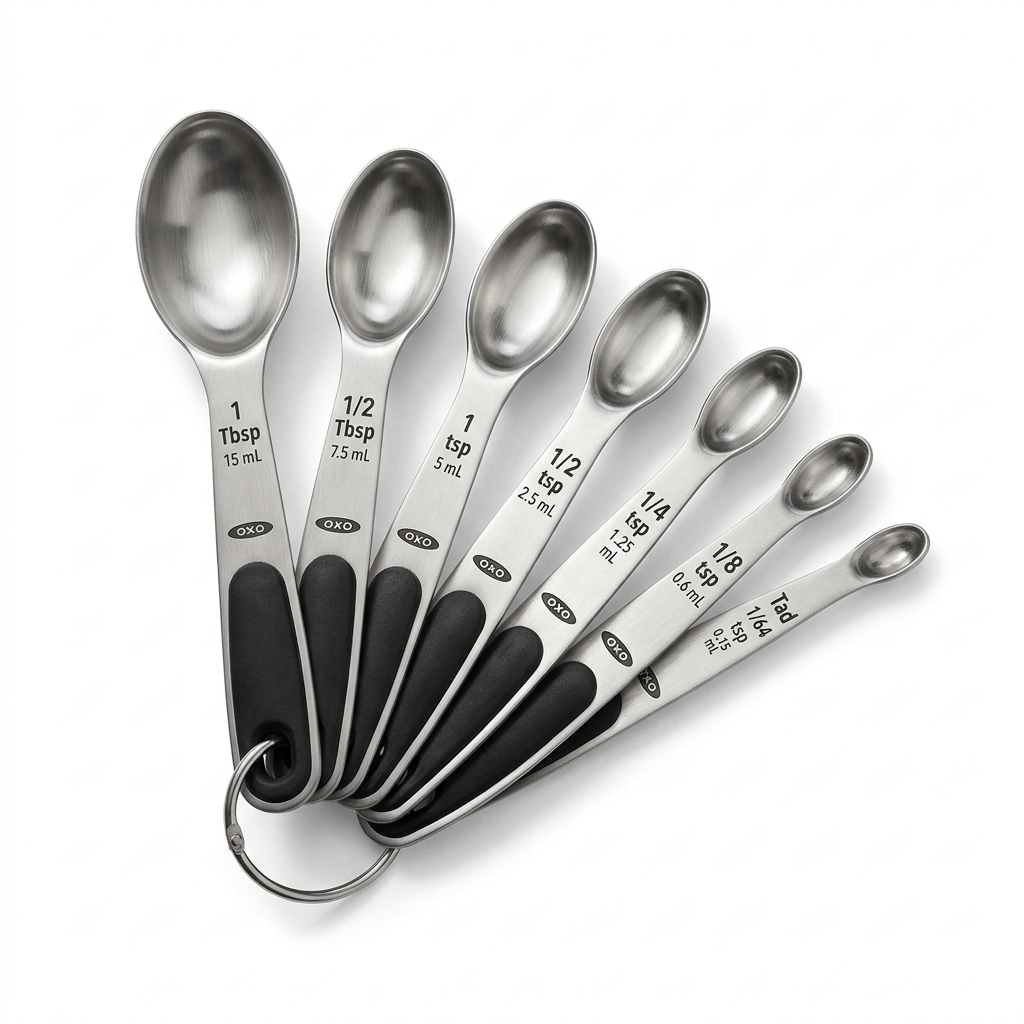
Once you have mastered the weights of your sweeteners, look at your leavening agents and salt. These are often measured in small, inaccurate "teaspoons." Moving these measurements to a scale (a gram scale is essential here) will change your baking life. A teaspoon of baking powder can vary by nearly 50% depending on how you scoop it, which is the difference between a fluffy muffin and a dense, metallic-tasting brick. Embrace the scale for everything, and your consistency will skyrocket.
"Baking is the art of following the rules until you know them well enough to break them. Start by mastering the gram, and soon you will be creating your own legendary recipes."
Conclusion
The journey to becoming a better baker is paved with small, deliberate changes, and none are as impactful as learning to measure your ingredients by weight. Understanding that a cup of sugar is approximately 200 grams is just the beginning. It is the shift in mindset—from viewing recipes as loose guidelines to seeing them as precise formulations—that truly defines the artisan. When you stop relying on volume and start relying on the accuracy of your digital scale, you remove the biggest barrier to consistent success in the kitchen.
You now have the knowledge to navigate the density of different sugars, the importance of proper packing, and the necessity of precision for structural integrity. Remember that your kitchen is a laboratory and your ingredients are the variables you control. By maintaining this discipline, you ensure that every batch of cookies, every loaf of cake, and every delicate dessert you prepare reflects the high standard of your commitment. Keep your scale clean, keep your pantry stocked with reliable ingredients, and never stop experimenting.
The next time you reach for a recipe, ignore the cups and scoops gathering dust in the back of your drawer. Pull out your scale, hit that zero button, and measure your sugar with confidence. You will find that your baking becomes less stressful, your results become more predictable, and your finished products achieve that professional flair you have been striving for. "Blame the Chef" is all about taking responsibility for your growth in the kitchen, and there is no greater responsibility than ensuring your measurements are exact. Happy baking, and may every batch be your best one yet.
Final Thoughts on Consistency
In the final analysis, the pursuit of culinary perfection is a lifelong endeavor. While the technical aspects of measuring sugar are foundational, the true magic happens when you pair that technical accuracy with intuition. Over time, you will begin to notice how the dough feels when it has the right moisture content, or how the meringue looks when it has reached the perfect peak. Your scale provides the scientific baseline, but your senses are what turn those numbers into something truly delicious.
Do not be afraid to fail, but let your failures be informed by data. If a recipe fails, check your measurements, check your oven temperature, and check your ingredient quality. More often than not, the answer lies in a simple, measurable variable that can be corrected in the next round. By sharing these techniques and standards, we hope to encourage you to push your boundaries and elevate your home-baking game to professional heights.
Remember that professional baking is not about having the most expensive equipment, but about having the most disciplined habits. A simple, reliable digital scale is worth more than the most expensive stand mixer if you aren't using the right ratios. Continue to track your weights, continue to refine your methods, and continue to find joy in the process. The path to mastery is built one gram at a time, and every single gram you weigh brings you one step closer to the perfection you seek. Keep pushing, keep baking, and always keep your scale close by. Your kitchen is waiting for you to create your next masterpiece, and with these tools, you are more than ready for the challenge. Now, get back to that kitchen and put these lessons into practice—the perfect cookie is only a measurement away. There is no limit to what you can achieve when you start with the foundation of precision and build upon it with passion and persistence. Enjoy the process of refinement, and may your oven always be at the perfect temperature and your ingredients perfectly weighed. This is the mark of a true master.

Get the Next Recipe
Weekly recipes, techniques, and gear picks — straight to your inbox.
