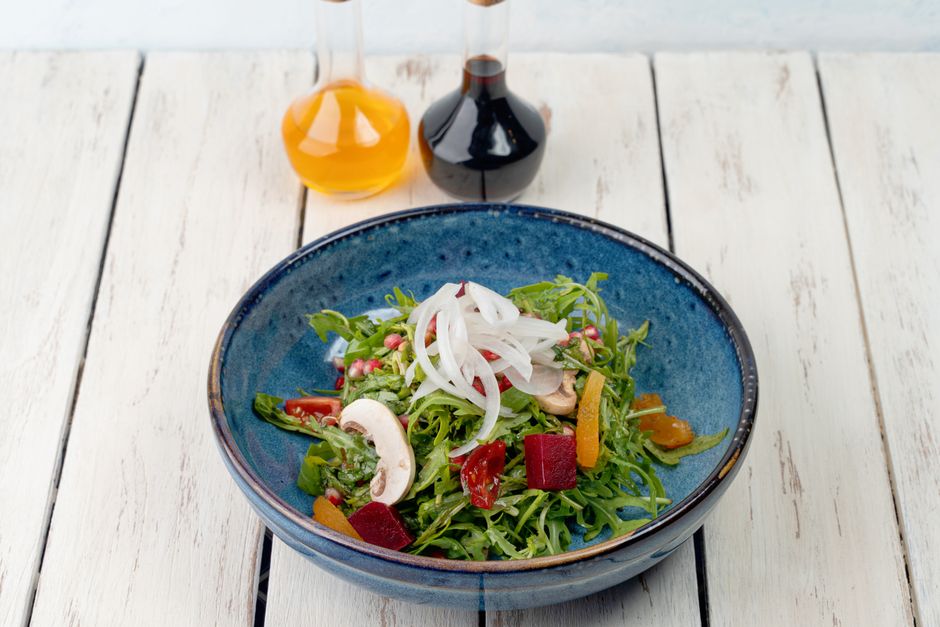
How to Build a Flavor-Packed Vinaigrette
When it comes to elevating your culinary creations, one element that can make all the difference is a well-crafted vinaigrette. Despite its seemingly simple composition, the art of making an exceptional vinaigrette involves an understanding of flavor balance, ingredient synergy, and proper technique. Whether you’re looking to drizzle a fresh salad, marinate meats, or add an extra kick to roasted vegetables, mastering the vinaigrette can turn ordinary dishes into extraordinary experiences. This post will guide you through the essential components of a flavor-packed vinaigrette and explore how to customize it to suit your taste or the season.
The versatility of vinaigrette lies in its ability to adapt to various cuisines, flavors, and ingredients. A basic vinaigrette typically consists of a fat, an acid, and various flavor-enhancing ingredients like herbs, spices, and sweeteners. Yet, the magic occurs in the details—choosing the right types of vinegar, oils, and additional flavorings can lead to a whole spectrum of tastes. With a little guidance and practice, you can construct vinaigrettes that not only complement your meals but also bring a delightful explosion of flavor to every bite.
In this guide, we will delve into the fundamental elements of making a vinaigrette, the different types of fats and acids you can use, and provide a roadmap for how to experiment with flavors. We’ll also touch on emulsification techniques to achieve a velvety texture, making your vinaigrettes enticing not just for the palate but for the eyes as well. So grab your whisk and bowl, and let’s embark on this flavorful journey!
Understanding the Basics of Vinaigrette
What is Vinaigrette?
At its core, a vinaigrette is a suspension of fat and acid typically used in salads but can also serve as a delicious marinade or finishing sauce. The traditional ratio for a vinaigrette is three parts oil to one part vinegar, but this ratio is flexible. The beauty of vinaigrettes lies in their ability to highlight the natural flavors of the ingredients in your dish while adding their own unique character.
The Core Components
To create a well-balanced vinaigrette, you need to focus on three key components:
The Importance of Balance
Creating a vinaigrette is not just about combining these ingredients; it’s about achieving a harmonious balance between fat, acid, and flavor enhancers. Too much fat can make your vinaigrette heavy and greasy, while too much acid can make it overly sharp and unpalatable. The key is to taste and adjust as you go—adding a pinch of salt, a splash of vinegar, or a drizzle of honey can elevate your vinaigrette to the next level.
"A well-balanced vinaigrette should dance on your tongue, singing the perfect melody of flavors without overpowering any one note."
The Ratio: Oil to Vinegar
Traditional Ratios
As mentioned, the classic ratio for vinaigrette is three parts oil to one part vinegar (3:1). This ratio is a fantastic starting point, but ultimately, it can be adjusted according to your personal preference or the specific ingredients in your dish.
Experimenting with Ratios
Consider these alternatives based on your flavor profile:
Calculating Ingredients
To make it easy for home cooks, let’s lay out a measuring guide using the 3:1 ratio as our reference:
- Use ¾ cup (180 ml) of oil.
- Use ¼ cup (60 ml) of vinegar.
You can keep modifying the ingredients according to the size of your serving or the ratio you prefer, but this basic guide should serve you well as you develop your vinaigrette skills!
Types of Fats to Use
The Many Oils of Life
The choice of oil is paramount in vinaigrette-making, as it greatly affects the flavor and texture. Here are some popular options with brief descriptions:
Infused Oils
Consider using infused oils for a unique flavor twist. You can purchase these or make your own by steeping ingredients like garlic, herbs, chili flakes, or citrus in your base oil for several days. Just remember to strain out the solids for a smooth finish.
Temperature Considerations
The temperature of your oil can affect the emulsification process. Using oils at room temperature allows for better mixing with the vinegar or acid, creating a more stable vinaigrette. If your oil is solid from being too cold, gently warm it up using a microwave or a double boiler.
"A quality oil can elevate your vinaigrette from good to extraordinary; it’s worth investing in the best you can find."
Choosing the Right Acid
Types of Vinegars
A broad spectrum of vinegars is available that can work beautifully in vinaigrettes, each lending its unique flavor profile. Some popular choices include:
Citrus Juices
Citrus juices like lemon, lime, and orange can replace or complement vinegars in your vinaigrette. They provide acidity along with fresh flavor:
Creative Combinations
To develop interesting flavors, consider mixing different acids. For example:
Experimentation is key! Adjust the ratios until you find a blend that appeals to your palate.
Flavor Enhancers: Herbs, Spices, and More
Fresh Herbs
Fresh herbs are a fantastic way to add flavor without extra calories. Consider these common selections:
Mustard Magic
Adding mustard not only serves as an emulsifier for the vinaigrette but also brings a tangy depth of flavor. You can use:
Sweeteners and Other Add-Ins
Adding a bit of sweetness can help balance acidity. Consider:
A Touch of Spice
Don’t forget the potential of spices to enhance your vinaigrette's flavor:
Mix and match these ingredients, keeping in mind the overall goal of creating a balanced, flavorful dressing.
Emulsification Techniques
What is Emulsification?
Emulsification is the process that combines two ingredients that typically don’t mix well, such as oil and vinegar. A well-emulsified vinaigrette will appear creamy and cohesive rather than separated.
Whisking by Hand
The classic method to create an emulsion is by briskly whisking the ingredients together. To ensure a smooth blend:
Using a Blender or Food Processor
For a more thorough emulsion, consider using a blender or food processor. This method is especially useful when incorporating solid flavor enhancers:
The Mason Jar Method
A simple trick for home cooks is to use a mason jar to emulsify the ingredients:
This method is not only effective but also convenient, as you can store leftover vinaigrette in the same jar.
"The key to a successful vinaigrette lies in your ability to emulsify. Don’t be shy—shake it, whisk it, blend it, until it’s beautifully cohesive!"
Storing and Using Vinaigrettes
Best Storage Practices
Homemade vinaigrettes can be stored in the refrigerator for up to a week, depending on the ingredients used. Here are some tips for storing your vinaigrette:
How to Use Vinaigrettes Beyond Salads
While vinaigrettes are often associated with salads, their versatility extends far beyond:
Shake Well Before Use
Homemade vinaigrettes can separate when stored, so give them a good shake or stir before using. This helps reincorporate the oil and acid, ensuring a balanced taste in every serving.
Conclusion
Mastering the art of vinaigrette opens up a world of culinary possibilities. From simple salads to complex dishes, a well-crafted vinaigrette enhances flavors and adds dimension. With a firm grasp of the components—oils, acids, flavoring agents—and the techniques of emulsification, you can create vinaigrettes that will impress family and friends alike.
Remember these essential tips:
As you practice, you will find what flavors resonate with you the most, leading to signature vinaigrettes that reflect your personal culinary style. Whether you aim to create a light, refreshing dressing or a bold, complex sauce, mastering vinaigrettes will empower you as a home cook and enhance every dish you serve. Happy cooking!


Get the Next Recipe
Weekly recipes, techniques, and gear picks — straight to your inbox.
