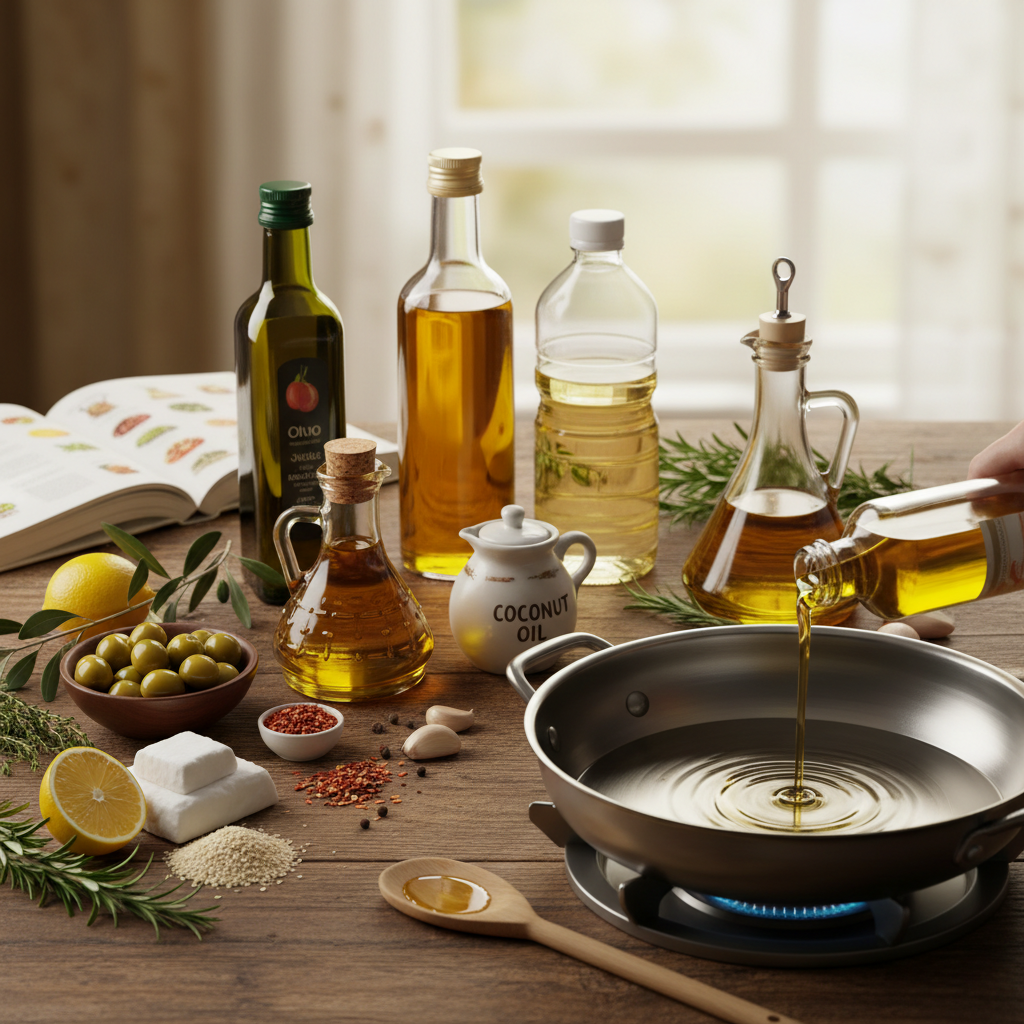
How to Choose and Use Essential Cooking Oils: A Guide for Home Cooks
Choosing the right cooking oil can be a game-changer in your culinary adventures. As home cooks, we often underestimate the significance of oils in our cooking. Beyond mere flavor, oils are crucial in determining the outcome of a dish. They can elevate a simple sauté or add depth to a marinade with just a few drops, making the choice of oil essential to both taste and technique. From frying and sautéing to baking and dressing a salad, each oil brings unique characteristics that can complement or overpower your recipes; thus, understanding how to select and use these oils can transform your meals from ordinary to extraordinary.
Often, home cooks may find themselves reaching for the same bottle of oil out of habit, not realizing that different types of oils can serve various purposes. Olive oil, for instance, is a staple in Mediterranean diets and lends itself beautifully to dressings, while coconut oil can bring a tropical flair to baking and cooking Asian-inspired dishes. Each oil possesses distinct flavor profiles, smoke points, and health benefits. This guide serves to arm you with knowledge and insights on how to choose the right oils for specific culinary endeavors, paving the way for more confident cooking.
Furthermore, the concept of cooking oils extends beyond mere flavors and functionalities. In recent years, the spotlight on health and nutrition has illuminated the healthful properties of various oils. With the right choices, oils can serve as a source of beneficial fatty acids, vitamins, and antioxidants, promoting overall well-being. As we delve into the world of culinary oils, we will explore their properties, uses, and how to leverage their unique characteristics in your kitchen.
The Basics of Cooking Oils
To embark on the journey of understanding cooking oils, it's essential to grasp what cooking oils are and the various classifications they fall into. Cooking oils are typically extracted from plants, seeds, or nuts and are used primarily for cooking, frying, baking, and dressing food.
Types of Cooking Oils
Cooking oils can primarily be categorized into two main types: refined and unrefined oils.
Smoke Points Explained
Understanding smoke points is crucial when selecting oils for specific cooking methods. The smoke point is the temperature at which an oil begins to smoke and break down, releasing harmful compounds and imparting unpleasant flavors to the food. Each oil has a unique smoke point; here are some common oils and their approximate smoke points:
Flavor Profiles
The flavor of oils can vary dramatically, impacting the overall taste of your dishes. When choosing an oil, it is essential to consider the dish's flavor profile and whether you'd like the oil to enhance or stand out within the recipe. For instance, extra virgin olive oil adds a fruity and peppery undertone, making it a fantastic choice for Mediterranean recipes, whereas sesame oil has a distinct nutty flavor, ideal for Asian cuisines.
"The right oil transforms an ordinary recipe into a culinary masterpiece."
Choosing the Right Cooking Oil
Now that you understand the basics, let’s explore how to choose the right cooking oil for different cooking techniques and purposes. Factors to consider include the oil's smoke point, flavor profile, and health benefits.
For Sautéing
Sautéing requires oils that can withstand moderate to high heat without smoking. Oils with higher smoke points tend to work best. Here are some excellent choices for sautéing:
For Baking
When baking, the choice of oil can impact not only the texture but also the flavor of the end product. Look for oils that offer moisture without overpowering your baked goods:
For Frying
Frying requires oils with high smoke points to withstand the high temperatures necessary for achieving that perfect crispy exterior. Here are the leading contenders:
"Select your oils like you would select a wine for your meal; the right pairing can elevate your dish to new heights."
Special Purpose Oils
Beyond the everyday cooking oils, there are specialty oils that can enhance your culinary repertoire. These oils are often more expensive but can impart distinct flavors and benefits that elevate your dishes.
Extra Virgin Olive Oil
Extra virgin olive oil (EVOO) is celebrated for its health benefits and robust flavor. It retains a rich blend of antioxidants and omega-3 fatty acids. With a smoke point around 375°F (190°C), it’s best for drizzling over salads, enhancing dips, and low-heat cooking.
Sesame Oil
Sesame oil is integral to Asian cuisine and is available in both toasted and light varieties. The toasted version, with its bold, nutty flavor, is typically used for drizzling or as a finishing touch, while light sesame oil has a higher smoke point, making it suitable for stir-frying.
Walnut Oil
Walnut oil is valued for its distinctly sweet and nutty flavor, making it perfect for drizzling over salads or adding depth to sauces. Its lower smoke point (around 320°F or 160°C) means it works best in no-cook applications or as a finishing oil.
Truffle Oil
Truffle oil is a luxurious specialty oil made by infusing olive oil or another oil with truffle flavor. Used sparingly, it can elevate dishes with its earthy aroma and flavor. It’s perfect for drizzling over pasta or risottos just before serving.
Health Considerations
When selecting a cooking oil, it's also critical to consider its health properties. Different oils offer various benefits, making some more appealing based on dietary needs or health goals.
Omega-3 Fatty Acids
Oils rich in omega-3 fatty acids, such as flaxseed oil and walnut oil, are known for their anti-inflammatory benefits and are recommended for heart health. Incorporating these oils into your diet can boost your intake of essential fatty acids.
Monounsaturated Fats
Monounsaturated fats, found predominantly in olive and avocado oils, are touted for their heart health benefits. They can help lower bad cholesterol levels and provide antioxidants.
Saturated Fats
Oils like coconut oil contain saturated fats, typically frowned upon; however, they also have unique benefits. Some studies suggest certain saturated fats can be beneficial for metabolism. Use coconut oil for baking or adding flavor to rich dishes in moderation.
Storing Cooking Oils
Proper storage of your cooking oils is vital in retaining their quality and flavor. Here are some key tips for storing these essential kitchen items:
"Quality oils deserve as much care and attention as the foods they're paired with."
Cooking Techniques to Enhance Oil Use
Understanding various techniques to leverage oil can maximize flavor and health benefits in your cooking. Here are a few techniques to consider:
Infusing Oils
Infusing oils with herbs, spices, or other ingredients can create unique flavors that can elevate your dishes. Here’s how:
Emulsifying Dressings
Emulsifying oil with acidic ingredients (like vinegar or lemon juice) creates dressings that cling to salads and vegetables. Here’s a simple method:
Roasting Techniques
Oils are excellent for roasting vegetables or meats, helping to develop flavors and create a golden crust. Here’s a quick guide for roasting:
Final Thoughts
Navigating the world of cooking oils may seem daunting at first, but as you become familiar with their unique attributes and applications, you'll discover how truly transformative they can be in your cooking. From enhancing flavors to benefiting health, the right oil can turn an everyday dish into an unforgettable experience.
Armed with the knowledge to choose and use these essential cooking oils, you can approach your next culinary project with confidence. So don’t hesitate—experiment with different oils, embrace their flavors, and let your kitchen become your playground. Remember, every drizzle and splash is an opportunity to create something delicious. Happy cooking!
Get the Next Recipe
Weekly recipes, techniques, and gear picks — straight to your inbox.
