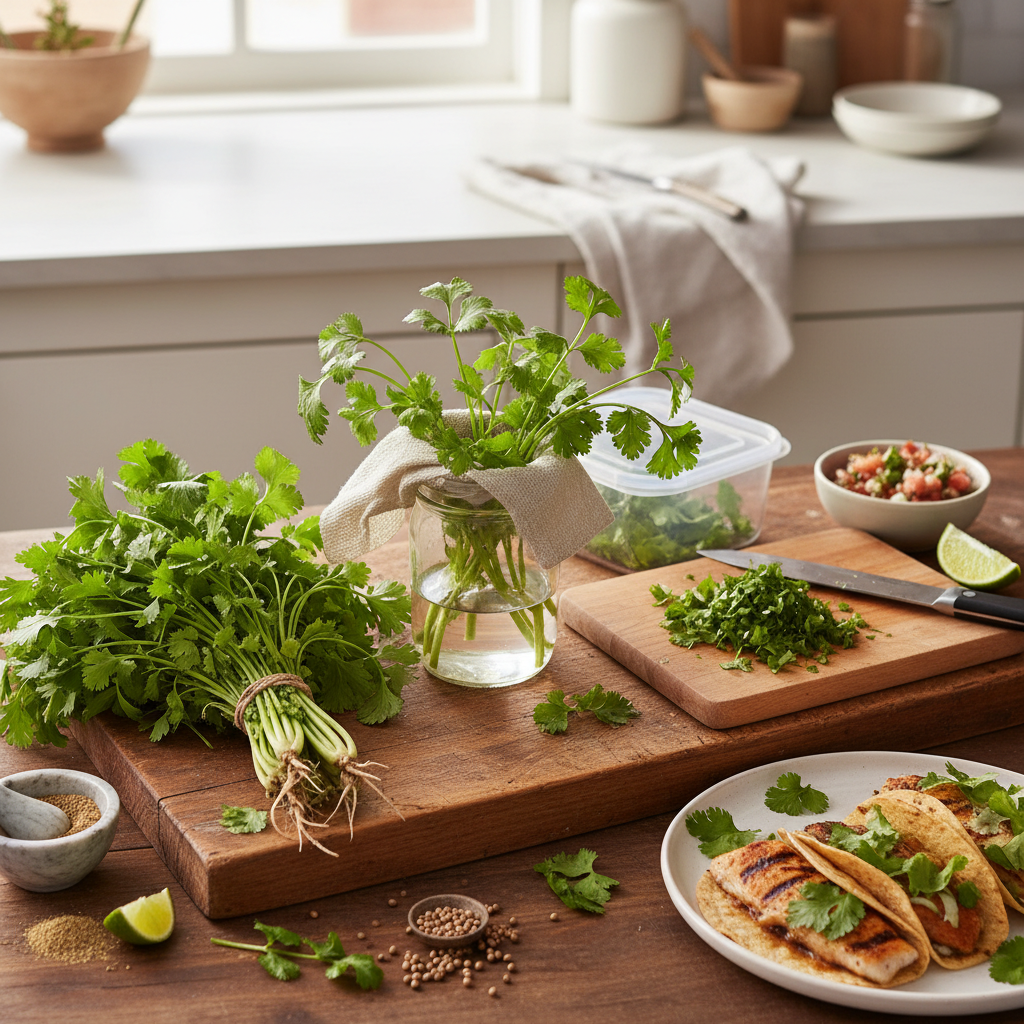
How to Choose, Store, and Cook with Fresh Cilantro: A Comprehensive Guide for Home Cooks
Cilantro, often referred to as coriander in many parts of the world, is a herb that elicits strong opinions. For some, its bright, aromatic profile elevates dishes with an unparalleled freshness, while others find its flavor reminiscent of soap due to genetic predispositions. Regardless of where you stand on this flavorful divide, the versatility of cilantro in cooking cannot be denied. If you're looking to enhance your culinary repertoire, understanding how to choose, store, and cook with fresh cilantro is essential for every home cook aiming for depth and complexity in their dishes.
Fresh cilantro is not only a culinary staple in many cuisines, particularly in Mexican, Indian, and Thai cooking, but it also carries numerous health benefits. Rich in vitamins A, C, and K, as well as essential oils that promote digestion and help detoxify the body, incorporating cilantro into your meals can contribute to a balanced diet. Learning how to select high-quality cilantro, maintain its freshness, and utilize its unique flavor profile can transform your cooking game and elevate simple dishes to extraordinary heights.
In this guide, we will explore each aspect of cilantro— from selecting the best bunch at the grocery store or farmers market to mastering cooking techniques that showcase its robust flavor. With our tips and methods, you’ll become adept at incorporating this herb into your meals, whether it’s as a garnish, an essential ingredient, or a complementary flavor. Whether you're a cilantro enthusiast or still navigating your relationship with this fragrant herb, read on to unlock its culinary possibilities.
Understanding Cilantro: A Botanical Perspective
Cilantro (Coriandrum sativum) is an annual herb belonging to the Apiaceae family, which also includes carrots, celery, and fennel. Interesting to note, both the leaves and the seeds of the cilantro plant are used in cooking, but they offer distinct flavors and uses. The leaves, known as cilantro, are known for their vibrant, citrusy flavor, while the seeds are called coriander and possess a warm, nutty taste.
This herb grows best in cooler temperatures, making it a favorite in spring and fall gardening. With its delicate leaves and tender stems, cilantro reaches for the sun while still thriving in well-drained soil that is rich in organic matter. Its growth requires plenty of water but should avoid waterlogged conditions, which can cause root rot. Understanding where cilantro comes from and what conditions it thrives in can help you appreciate it even more when using it in your cooking.
Identifying the difference between cilantro and parsley is crucial for home cooks, as their appearances can be deceptively similar. Cilantro features rounded leaves with a softer texture, while parsley's leaves are more jagged and curlier. The flavor profiles of the two herbs are also markedly different, with cilantro's pungent notes standing out compared to the more mild, grassy taste of parsley. Recognizing these differences enhances your culinary skills, enabling you to make informed and tasty choices in recipes.
Choosing Fresh Cilantro
When it comes to fresh cilantro, selecting the right bunch is crucial for achieving the best flavor and quality in your dishes. Here are some tips for choosing fresh cilantro:
Visual Inspection
Smell Test
Fresh cilantro should have a strong, fragrant aroma. If the scent is weak or absent, consider looking for another bunch. The smell is an indicator of essential oils, which carry the herb's flavor profile.
Where to Buy
"The right selection of cilantro can turn a mundane dish into a flavor explosion."
Storing Fresh Cilantro
Once you've chosen fresh cilantro, proper storage is essential to keep it vibrant and flavorful for as long as possible. Here are the best methods for storing cilantro:
In the Refrigerator
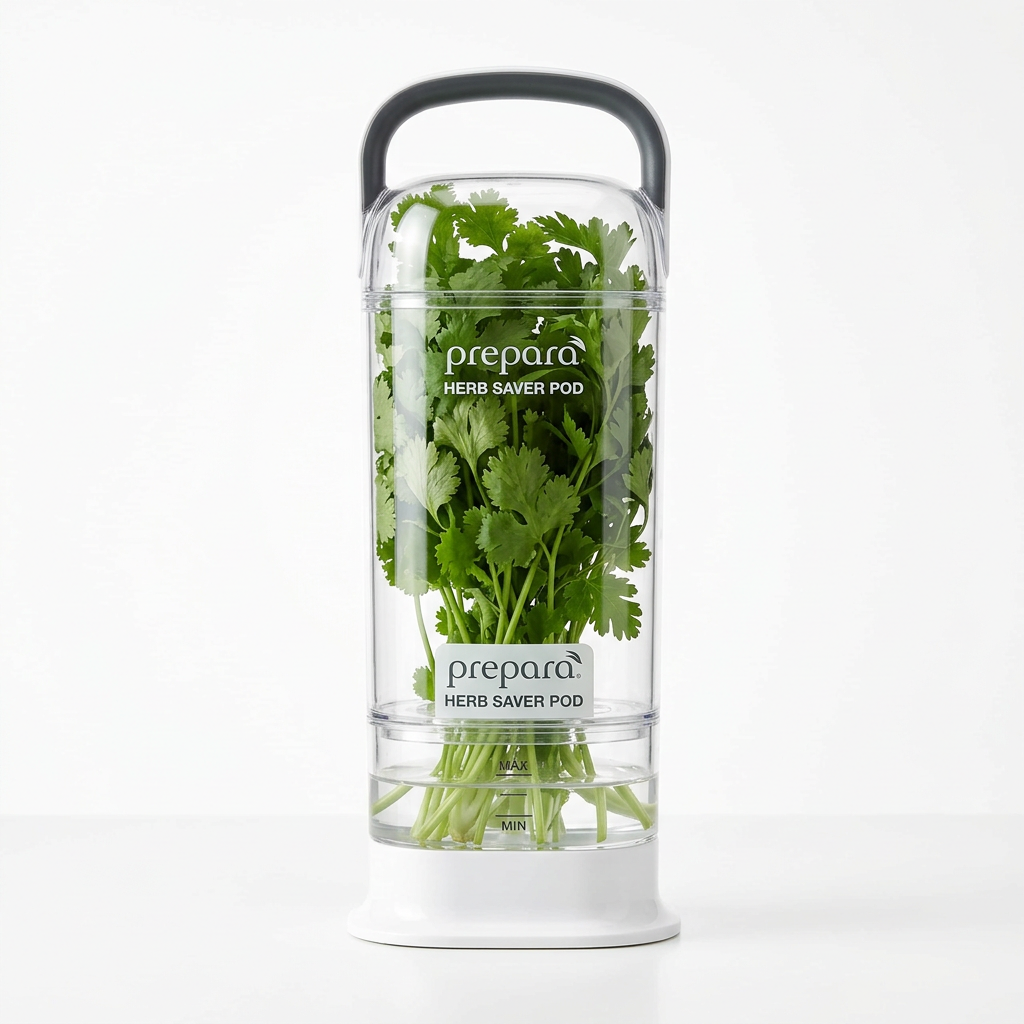
#### Method 1: Upright in Water
#### Method 2: Wrapped in Damp Paper Towels
Freezing Cilantro
If you have cilantro that you cannot use in time, consider freezing it. Here’s how:
- Place chopped cilantro in an ice cube tray and fill with broth or water.
- Freeze until solid, then transfer the cubes to a resealable plastic bag and store them in the freezer. This method can preserve the flavor for several months.
Tips for Maintaining Freshness
Cooking with Fresh Cilantro
Cilantro brings a unique flavor to various dishes, but its versatility extends beyond just being an aromatic herb. Here’s how to incorporate it into your cooking:
Flavor Profile
Cilantro’s flavor is often described as bright, herbaceous, and citrusy, making it an excellent addition to both cooked and raw dishes. The best way to enjoy its distinct taste is to add it fresh at the end of the cooking process.
Methods of Cooking with Cilantro
Here are some practical methods and applications for cilantro in your cooking:
- Tip: Mix with a dash of lime juice for an extra flavor kick.
Cooking Techniques
"Cooking with cilantro isn't just about taste; it's about enhancing the whole culinary experience."
Pairing Cilantro with Other Ingredients
Understanding ingredient pairing can help you craft dishes that showcase cilantro's unique flavor profile. Here are some complementary ingredients that work wonderfully with cilantro:
Aromatics
Acidic Ingredients
Proteins
Vegetables
Culinary Flair: Recipes Featuring Fresh Cilantro
To fully embrace the vibrant taste of cilantro, it’s important to integrate it into your meals creatively. Here are a few recipes that celebrate cilantro's unique flavor.
Cilantro Lime Rice
Ingredients:
Instructions:
Fresh Salsa Verde
Ingredients:
Instructions:
Cambodian Chicken Salad with Cilantro
Ingredients:
Instructions:
Conclusion
Cilantro is a dynamic herb that, when understood and manipulated properly, unlocks the ability to elevate a dish from mundane to memorable. From choosing the perfect bunch at the market to mastering its application in your recipes, every aspect of working with cilantro contributes to a more profound culinary experience. Whether you're preparing traditional salsa, a refreshing salad, or enhancing your favorite grilled protein, cilantro brings out the best flavors in food.
As with any ingredient, allow yourself the opportunity to experiment and explore the world of culinary possibility that cilantro offers. Embrace its contrasting flavors, experiment with different pairings, and discover how it can transform your cooking. In doing so, you’re not just enhancing your palate; you're cultivating an appreciation for the beauty that fresh ingredients like cilantro can bring to the table.
Fresh cilantro is more than just a garnish; it’s an ingredient that holds the power to create deep connections to cultures and traditions through food. So the next time you find yourself in the produce aisle, consider the unique potential of cilantro and let it inspire your cooking journey. Whether you’re a novice or an experienced cook, the magic of fresh cilantro awaits.
Get the Next Recipe
Weekly recipes, techniques, and gear picks — straight to your inbox.
