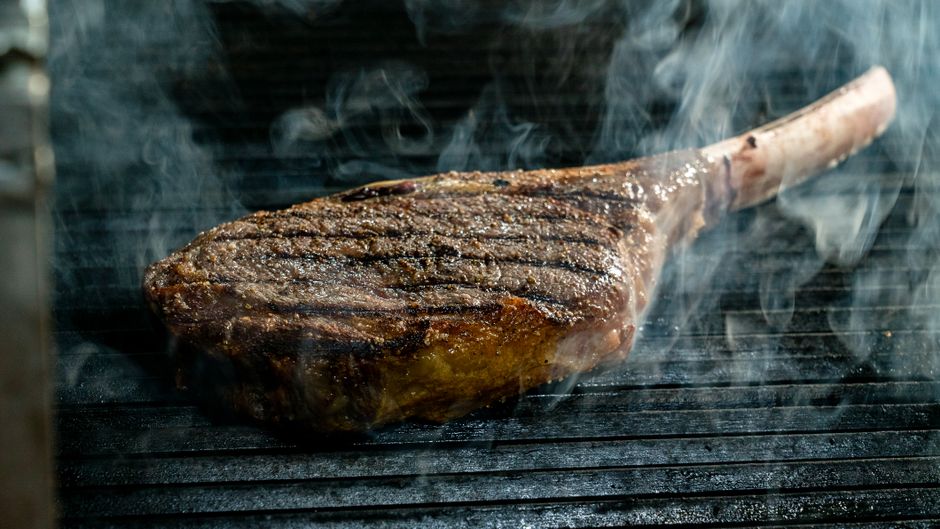
How to Cook the Perfect Steak
Cooking the perfect steak is an art that blends science, technique, and a bit of personal flair. For many, a steak isn’t just a meal; it’s an experience, a celebration of flavor, texture, and creativity. However, achieving that perfectly seared crust and juicy interior can often feel elusive, leading to disheartened attempts and overcooked disappointments. But fear not! With the right techniques, knowledge, and a touch of patience, anyone can master the skill of cooking a steak that would make any chef proud.
At its core, cooking steak is about understanding the meat itself. Different cuts of beef offer distinct flavors, tender textures, and cooking methods that can change the final result dramatically. Around the world, steak is appreciated not only for its hearty flavor but also for the memories it creates, whether it's a backyard barbecue, a cozy dinner for two, or a special gathering with friends. Knowing how to navigate the intricacies of steak preparation and cooking can elevate your dishes from simple dinners to memorable feasts.
In this guide, we'll explore everything from the foundational cuts of steak to expert cooking techniques. We'll delve into the importance of preparation, proper seasoning, and the critical steps for achieving the ideal doneness. With this comprehensive approach, you will gain the confidence to grill, pan-sear, or broil like a seasoned chef. By the end of this post, you'll be well-equipped to impress your friends and family, all while enjoying the process of cooking this beloved dish.
Understanding the Cuts of Steak
The first step in cooking the perfect steak is understanding the different cuts of meat available. Each cut has its unique attributes, cooking methods, and flavor profiles. Here are some of the most popular cuts of steak that every home cook should know:
The Ribeye
Often hailed as the king of all steaks, the ribeye is known for its rich marbling and intense flavor. Cut from the rib section, this steak is tender and juicy, making it a favorite among steak lovers. The marbled fat throughout this cut provides a wonderful flavor and moisture, resulting in a truly delectable experience. Cooking ribeye to medium-rare is often recommended to maximize its tenderness and flavor.
The Filet Mignon
If you're after tenderness, then the filet mignon is your cut. Derived from the tenderloin, this small, thick cut is the flaunting star of high-end restaurants. While it may lack the intense beef flavor found in other cuts, its buttery texture is unmatched. Filet mignon is best cooked quickly over high heat, making it perfect for grilling or pan-searing.
The New York Strip
Also known as the strip steak or Kansas City strip, the New York strip strikes a wonderful balance between tenderness and beefy flavor. Cut from the short loin, this steak is a bit firmer than the ribeye but still boasts adequate marbling. This cut can be cooked in various ways but is best suited for grilling due to its thickness.
The T-Bone and Porterhouse
These two cuts are unique because they feature both the tenderloin and strip, separated by a bone in the shape of a “T”. The T-bone is smaller, while the porterhouse offers a larger portion of tenderloin, making it a favorite for sharing. Both are ideal for grilling or roasting, and they embody the best of both worlds in terms of flavor and texture.
The Flank
A less recognized cut, the flank steak has a robust flavor but can be a bit tougher. It’s derived from the abdominal muscles of the cow, making it leaner than other cuts. For optimal tenderness, flank steak should be sliced against the grain and marinated beforehand. This cut is perfect for fajitas or grilled dishes where bold flavors come to life.
Understanding these cuts is paramount as they influence not just the final flavor profile of your dish but also the cooking techniques you'll employ. Opt for the cut that brings you the most joy, and don’t hesitate to experiment until you find your favorite!
Importance of Preparation
Once you've selected your cut of steak, preparation becomes the next critical step in your journey to cooking the perfect steak. Proper preparation consists of not only seasoning but also letting your steak come to room temperature and ensuring your tools are ready.
Bringing Your Steak to Room Temperature
Before cooking, allow your steak to sit at room temperature for approximately 30 minutes. Bringing the meat to room temperature helps it cook more evenly, reducing the chances of a cold center. An unevenly cooked steak can lead to a chewy exterior while the center remains undercooked.
Seasoning
Seasoning is crucial for enhancing the flavors of your steak. The best seasoning is simple yet effective, allowing the natural flavors of the beef to shine. Use kosher salt and freshly ground black pepper for a classic flavor profile.
- Moisture is the enemy of a good sear, so patting your steak dry is essential.
- Sprinkle salt over the steak, ensuring an even coating. Do not be afraid to use a good amount of salt as it will enhance the flavor and create a delicious crust.
- If you choose to marinate your steak, consider using acidic components like lemon juice or vinegar, along with herbs and spices.
- A simple marinade may consist of:
- 1/4 cup olive oil
- 1 tablespoon soy sauce
- 2 tablespoons balsamic vinegar
- 2 cloves minced garlic
- Fresh herbs like rosemary or thyme
Allow the steak to marinate for at least 30 minutes and up to a few hours, depending on the type of meat. Avoid marinating too long, especially with acidic marinades, as it can break down the meat too much and affect texture.
Tools You’ll Need
Having the right tools is essential for the cooking process. Equip yourself with the following:
Preparation is the key to ensuring your steak is not only delicious but also beautiful in presentation.
Cooking Techniques
There are several methods for cooking steak, all of which can yield fantastic results if executed correctly. Understanding each technique allows you to determine which suits your kitchen and palate best.
Grilling
Grilling is perhaps the most popular method for cooking steak, especially during the warmer months. It adds a unique smoky flavor while promoting that sought-after crust.
- 125°F for rare
- 135°F for medium-rare
- 145°F for medium
- 160°F for well-done
Pan-Seering
Pan-searing is ideal for those without access to a grill. It creates a beautiful crust while keeping the inside juicy.
Broiling
Broiling is another effective technique that replicates a grill using your oven's heating element. Use the broiler to get a high, direct heat.
Each of these cooking methods can yield impressive results if executed properly. Your choice may depend on your available equipment and your preferred flavor profile.
Achieving the Perfect Doneness
Perfecting the doneness of your steak is crucial for a truly enjoyable meal. While personal preference plays a substantial role in how well you want your steak cooked, achieving the proper temperature is the best way to ensure a juicy, flavorful bite.
Temperature Guide
Here is a quick guide for steak doneness based on internal temperature:
Techniques for Checking Doneness
While you can always rely on a meat thermometer, there are a few other methods available:
Resting Your Steak
Resting your steak is vital. After cooking, remove the steak from the heat source and cover it loosely with aluminum foil. Rest time depends on the thickness of the steak:
During this time, the juices redistribute throughout the meat, preventing them from running out when you slice into it.
Sauces and Accompaniments
While a perfectly cooked steak can certainly stand on its own, sauces and accompaniments can enhance the overall flavor and presentation.
Classic Sauces
Making a sauce to accompany your steak can be relatively simple yet incredibly rewarding. Here are a few classics:
Side Dishes
Complement your steak with sides that enhance its flavors:
Presentation
Presentation can elevate any dish. Slice your steak against the grain and fan out the slices on a plate. Drizzle with sauce and garnish with fresh herbs for a beautiful plate that looks as good as it tastes.
Final Thoughts
Cooking the perfect steak is not just about following a recipe; it's an experience that combines understanding, technique, and a touch of creativity. With the right knowledge about cuts of meat, preparation, cooking techniques, and achieving the right doneness, you can transform a simple steak into an extraordinary meal.
Remember, practice makes perfect. Don’t be discouraged if your first steak isn’t exactly what you envisioned. Play with seasonings, cooking times, and methods. Over time, you will discover your unique style and preferences.
So, the next time you fire up the grill or heat a skillet, embrace the process and savor every moment. With just a bit of patience and care, you'll be well on your way toward becoming a steak master, ready to impress family and friends alike with your culinary prowess. Happy cooking!
(Word Count: 2,054)

Get the Next Recipe
Weekly recipes, techniques, and gear picks — straight to your inbox.
