
How to Keep Blueberries Fresh for 2 Weeks
There is perhaps no greater culinary tragedy than reaching into your refrigerator for a handful of plump, sweet blueberries, only to find the container hiding a fuzzy, gray secret. Blueberries are nature’s candy, packed with antioxidants and that perfect burst of acidity, yet they are notoriously temperamental when it comes to shelf life. Many home cooks make the mistake of assuming that the plastic clamshell they arrive in is the best long-term home for these delicate fruits. In reality, that packaging is designed for transport and immediate sale, not for the humid, fluctuating environment of a standard kitchen refrigerator. Learning how to properly treat your produce after you leave the grocery store is the hallmark of an elevated home cook.
When we talk about food preservation, we are essentially fighting a war against moisture and microbial growth. Blueberries are highly susceptible to mold because of their thin skins and high water content, making them a prime target for decay the moment they are picked. However, with the right post-harvest handling techniques, you can easily extend their lifespan from a few days to a solid fortnight. It is not just about keeping them cold; it is about managing the micro-climate within your refrigerator and neutralizing the invisible bacteria that cause spoilage. By applying a few professional techniques, you can ensure that your weekly farmer’s market haul stays vibrant and delicious for much longer than you ever thought possible.
At "Blame The Chef," we believe that the kitchen should be a place of empowerment, where your ingredients are treated with the respect they deserve. Many of the frustrations home cooks face, such as waste and premature spoilage, can be solved by understanding the science behind food storage. This guide is designed to strip away the mystery surrounding produce care, giving you actionable steps that will change your shopping habits forever. If you are tired of throwing money away with rotting fruit, you have come to the right place. Let’s dive deep into the professional methods used to keep blueberries fresh, plump, and flavor-packed for two full weeks.
The Science of Berry Decay and Why Timing Matters
The primary culprit behind a spoiled carton of blueberries is excess moisture. When you buy blueberries, they often come with microscopic spores of mold already present on the skins. These spores are dormant until the right conditions—moisture and warmth—trigger their growth. In a typical grocery store clamshell, the berries are packed tightly together, creating pockets of stagnant, humid air that encourage this rapid decomposition. If one berry begins to weep juice, it quickly contaminates its neighbors, leading to a chain reaction of spoilage that can ruin an entire container in just 48 hours.
Understanding the respiration rate of your fruit is essential for any serious cook. Blueberries are living, breathing organisms even after they have been plucked from the bush. They consume oxygen and release carbon dioxide, a process that continues until the berry is either consumed or reaches the end of its natural cycle. By slowing down this metabolic respiration, we can significantly delay the onset of aging. This is why temperature control is the most critical variable in your storage equation. Your goal is to keep the berries consistently cold but not frozen, which requires a strategic approach to where they are placed within your cooling appliance.
"True culinary mastery begins the moment you step out of the grocery store. It is not just about how you cook the food, but how you protect the life cycle of every ingredient in your pantry."
Why Humidity is Your Biggest Enemy
Many home cooks mistakenly believe that washing their blueberries immediately is the best way to keep them clean. However, introducing water to the fruit before you are ready to use it is a recipe for disaster. The berries have a natural, waxy coating known as a bloom, which acts as a protective barrier against pests and environmental stressors. When you wash the berries, you remove this bloom and introduce excess water, which gets trapped in the crevices and accelerates rot. Always wait until the exact moment of consumption to introduce water to your blueberries.
The Vinegar Bath Technique for Longevity
The most effective tool in your arsenal for long-term berry storage is a simple, mild vinegar rinse. This technique does not just clean the berries; it effectively kills any surface spores or bacteria that might be lurking on the skin. By creating an acidic environment, you neutralize the mold growth before it has a chance to take root. This is a standard practice in professional kitchens where produce preservation is critical to maintaining high-quality service standards. The amount of vinegar you use is minimal, and the taste is completely undetectable once the berries are dried properly.
To perform the vinegar bath, follow these specific steps to ensure maximum effectiveness:
The Importance of Thorough Drying
After the vinegar bath, the drying phase is perhaps the most labor-intensive but rewarding part of the process. You must ensure that every single berry is completely dry before it goes into storage. We recommend laying the blueberries out in a single layer on a large, clean kitchen towel or a sheet of paper towels. Using a gentle rolling motion, pat them dry until no visible water remains on the skin. If you store even one damp berry, it can compromise the entire batch through a process of moisture transfer. Patience here is your greatest asset.
Proper Container Selection for Airflow
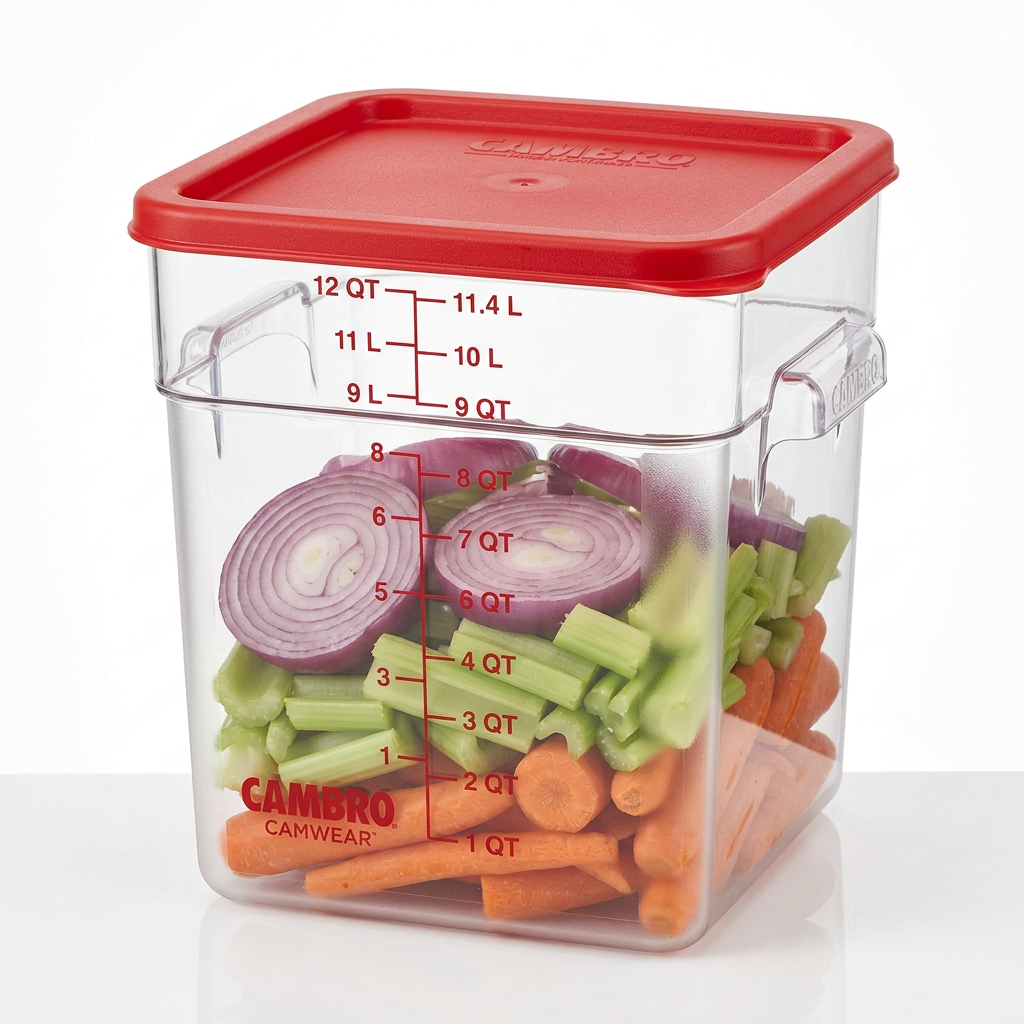
The container you choose for storage is just as important as the preparation process itself. The original plastic clamshell is designed for visibility in a retail environment, not for airflow. Because the clamshell has limited ventilation, it traps ethylene gas and moisture, which are the primary catalysts for spoilage. Instead, you want a container that provides controlled breathability. The ideal storage vessel is either a glass container lined with high-quality paper towels or a specialized produce container designed for airflow management.
When selecting your container, ensure it is completely clean and dry before adding the berries. If you are using glass, the material itself is excellent because it is non-porous and does not retain odors. Line the bottom of your container with two layers of folded paper towels. These towels will act as a moisture-wicking system, absorbing any condensation that naturally forms as the berries breathe. If you see the paper towels become damp during the two-week window, swap them out for fresh ones. This small maintenance step is the difference between fresh fruit and compost.
"The secret to freshness is not keeping food in a vacuum; it is managing the micro-environment so that the fruit can breathe without absorbing excess humidity."
Strategic Layering for Optimal Results
If you have a large quantity of berries, do not pile them deep. The weight of the berries on top will crush those at the bottom, releasing juices and triggering decay. Instead, aim for a container that allows you to store them in a single or double layer. If you must stack them, place an additional sheet of dry paper towel between the layers. This distributes the weight and keeps the berries separated. Remember, physical damage to the skin is an invitation for mold; treat your blueberries as you would a crate of delicate eggs.
Temperature Management: The Fridge Sweet Spot
Your refrigerator is not a uniform climate. The temperature can vary significantly between the top shelf, the door, and the crisper drawers. For blueberries, you want a consistent temperature between 32°F and 36°F (0°C to 2°C). This is the "sweet spot" where biological activity is minimized, but the cell structure of the berry remains intact. Avoid storing your berries in the door, as this is the warmest part of the refrigerator and experiences frequent temperature fluctuations every time you reach for a beverage.
We highly recommend placing your container in the back of the refrigerator, preferably near the back wall or in the crisper drawer if your unit is properly calibrated. The crisper drawer is specifically designed to manage humidity levels, which is exactly what we need for longevity. If you do not have a crisper drawer, choose a shelf near the bottom where the air is coldest and most stable. Keeping the berries away from strong-smelling foods like onions or garlic is also vital, as berries are porous and can easily absorb external flavors.
Understanding Ethylene Exposure
Blueberries are not high ethylene producers, but they can be sensitive to the gases released by other fruits like apples, bananas, or stone fruits. If you store your berries in the same area as ripening bananas, you will notice that they age much faster. This is due to the natural ripening hormone, ethylene gas, which acts as a signal for fruit to soften and break down. By keeping your berries isolated from other ripening produce, you protect them from this external decay signal.
Routine Maintenance During the Two-Week Window
Even with the perfect vinegar bath and optimal container, you must remain vigilant. Over the course of two weeks, you should perform at least one or two "quality audits." This involves quickly inspecting the berries to ensure none have started to soften or mold. If you spot a single compromised berry, remove it immediately. This is an application of the "one bad apple" rule; a single rotting berry can release spores that will quickly colonize the rest of the container.
During these inspections, check the integrity of your moisture-wicking paper towels. If they appear saturated, carefully remove them and replace them with fresh ones. This is a low-effort, high-reward habit that ensures the integrity of your storage system. If you find that your berries are lasting consistently for two weeks, you have mastered the environmental variables. If you notice signs of softening, it is a sign that the humidity inside the container is still too high, and you may need to increase the ventilation or use more absorbent material.
When to Pivot to Freezing
If you reach day ten and realize you have a surplus of blueberries that you won't be able to finish, do not wait for them to spoil. The beauty of these berries is how well they handle extreme temperature changes once the peak freshness period has passed. If you see signs that the berries are losing their firmness, pivot your strategy to flash freezing. This preserves the integrity of the fruit for months, allowing you to use them in smoothies, baking, or sauces long after their fresh shelf life has expired.
Culinary Applications for Long-Stored Berries
Once you have mastered the storage process, you will find yourself with an abundance of fresh, firm blueberries ready for any culinary application. Because you have kept them at such a high level of quality, they remain versatile enough for raw consumption or complex preparations. A fresh, two-week-old blueberry should still have a distinct "snap" when bitten. If you find your berries have softened slightly, they are still perfect for compotes, reductions, or incorporated into a batter where texture is less critical than flavor.
Consider using your well-stored blueberries in a classic balsamic reduction. The acidity of the balsamic vinegar pairs perfectly with the natural sweetness of the berries, and the heat of the stovetop will bring out the deep, earthy undertones of the fruit. Alternatively, use them in a simple galette or a batch of muffins. Since you know how to keep them fresh, you can shop in bulk, buying at the peak of the season when prices are lower and quality is at its absolute height. This is the definition of smart, budget-conscious, and professional-grade culinary management.
"Cooking is a practice of stewardship. When you respect the ingredients enough to store them correctly, the quality of your finished dish will inevitably reflect that dedication."
Professional Chef Tip: The Sugar Maceration
If your blueberries have been in the fridge for a week and are losing that "just-picked" brightness, try a quick maceration. Toss the berries with a tablespoon of granulated sugar and a squeeze of fresh lemon juice. The sugar will draw out the juices and create a natural, syrupy glaze, while the lemon juice will brighten the flavor profile and restore that essential acidity. This simple technique transforms slightly aging fruit into a gourmet topping for yogurt, pancakes, or ice cream, ensuring that absolutely nothing goes to waste.
Advanced Storage Troubleshooting
Sometimes, despite your best efforts, you might encounter issues. If you notice that your berries are developing a grayish, powdery film (different from the natural, light-blue bloom), you are dealing with Botrytis cinerea, or gray mold. This is a common fungus that thrives in the very conditions we are trying to manage. If you see this, it is best to discard the affected berries immediately and move the remaining ones to a brand-new container. Do not attempt to salvage heavily molded berries, as the fungal hyphae likely extend far deeper than the surface suggests.
If you find that your berries are consistently drying out and shriveling, it suggests that your refrigerator might be too cold or the container is too ventilated. Humidity is a delicate balance; you need enough to prevent dehydration but not enough to support mold. If you live in a very dry climate or have an especially aggressive refrigerator fan, you may need to add a light, perforated plastic wrap over your container to retain just enough internal humidity. It is about experimentation and paying attention to the unique environment of your home kitchen.
Maintaining Your Equipment
Your tools are extensions of your hands. Ensure that your colanders, glass storage containers, and kitchen towels are always sanitized. Using a dirty towel can introduce new bacteria into your storage container, effectively defeating the purpose of the vinegar bath. Run your glass containers through the dishwasher on a high-heat cycle and ensure they are completely cool before adding fresh produce. A hot container will cause condensation to form inside, creating a warm, damp environment that is exactly what we are trying to avoid.
Conclusion
Mastering the art of produce storage is a foundational skill that separates the casual cook from the culinary professional. By understanding the biology of your ingredients—specifically the delicate, high-respiration nature of the blueberry—you can stop the cycle of food waste and enjoy peak-flavor produce for twice as long as the average person. The vinegar bath, the meticulous drying, and the controlled environment of your refrigerator work in tandem to extend the life of your fruit from a few fleeting days to a robust two-week window.
Remember that storage is not a passive activity; it is a dynamic process of observation and maintenance. By auditing your berries, managing their humidity, and keeping them away from the ethylene-producing gases of other fruits, you are taking control of your kitchen. "Blame The Chef" is about taking responsibility for every element of the culinary experience, and that starts with the very first step of grocery preservation. You have the tools, the knowledge, and the methodology now; go forth and keep those berries fresh.
As you become more comfortable with these techniques, you will notice an improvement not just in the quality of your blueberries, but in your overall organization and efficiency. When you manage your pantry with this level of detail, your confidence in the kitchen grows, allowing you to focus on the creativity and joy of cooking rather than the frustration of spoilage. Embrace these professional habits, enjoy the luxury of having fresh fruit available for weeks on end, and never let a spoiled container of blueberries ruin your morning again. Keep your knives sharp, your fridge organized, and your blueberries fresh.
Final Thoughts
The journey to becoming a better cook is often paved with small, deliberate changes in technique. While many would suggest that storing blueberries is an impossible task to extend beyond a few days, we have demonstrated that with a scientific approach and a commitment to detail, the impossible becomes routine. Do not be afraid to experiment with your specific refrigerator settings or your choice of storage containers until you find the exact balance that works for your kitchen environment.
Your kitchen is your sanctuary, and your ingredients are the tools of your art. Treating them with respect—through proper washing, drying, and temperature control—is the highest form of homage a cook can pay to their produce. May your blueberries stay plump, your paper towels stay dry, and your culinary creations remain as vibrant as the day you brought your ingredients home. We look forward to seeing how you apply these storage techniques in your own kitchen; if you find success with this method, remember that the smallest details often yield the most impressive results. Continue to learn, continue to refine your craft, and above all, continue to blame the chef for making things look so easy. The path to perfection is paved one properly stored berry at a time. Happy cooking!
Get the Next Recipe
Weekly recipes, techniques, and gear picks — straight to your inbox.
