
How to Keep Cilantro Fresh for 3 Weeks
We have all stood in front of our open refrigerators, staring down a sad, limp bunch of cilantro that we bought with the best of intentions only four days prior. It is a universal kitchen tragedy, the kind that forces a chef to pivot a meal at the last second or settle for a flavor profile that lacks that essential, vibrant brightness. Cilantro is arguably the most divisive yet indispensable herb in the culinary world, acting as the backbone of salsas, curries, chimichurri, and countless Asian-inspired infusions. When it is fresh, it provides a citrusy, peppery lift that cuts through heavy fats and balances acidic heat, but when it turns to a mushy, dark green sludge in the produce drawer, it is practically useless. Learning to preserve this delicate herb is not just a money-saving endeavor; it is a fundamental skill for anyone who wants to cook with genuine intent.
The culinary industry treats fresh herbs with a level of reverence that often surprises home cooks, largely because the difference between fresh and wilted product is the difference between a dish that sings and one that merely speaks. In a professional kitchen, our mise en place—the setup of our ingredients—is sacred, and the state of our herbs dictates the success of our dinner service. Cilantro, specifically, is a high-maintenance guest in the kitchen; it is highly perishable, susceptible to ethylene gas, and prone to bruising if handled with anything less than gentle precision. By understanding the biological needs of the plant—specifically its thirst for moisture and its sensitivity to temperature fluctuations—you can drastically extend its shelf life.
This guide is designed to move you away from the plastic bag of doom and toward a sustainable method of storage that will keep your cilantro crisp, aromatic, and vibrant for three full weeks. We are going to break down the science of transpiration, the importance of hydration, and the specific environment required to keep those delicate stems upright. You are about to transform your approach to pantry management, ensuring that whenever you need a handful of fresh green garnish, your cilantro is ready to be harvested from your own makeshift herb garden inside the fridge. Let us stop blaming ourselves for spoiled produce and start treating our ingredients with the professional respect they deserve.
The Science of Herb Preservation
To understand why cilantro wilts so quickly, we have to look at the process of transpiration, which is essentially how a plant loses water. Because cilantro is a leafy herb with a high surface-area-to-volume ratio, it loses moisture rapidly once it has been cut from its root system. In a standard grocery store plastic bag, the herb creates its own humid microclimate, which sounds good in theory but often results in the leaves sitting in a puddle of condensation. This excess water encourages the growth of bacteria and mold, turning your beautiful green stems into a dark, slimy mess within just a few days.
When we talk about long-term storage, we are effectively talking about simulating the plant's natural growing conditions while slowing down its metabolic rate. By placing the stems in water, we allow the herb to continue drinking through its capillary system, replacing the moisture lost through the leaves. However, this must be balanced with the cold environment of a refrigerator, which slows down the respiration rate, effectively putting the cilantro into a state of suspended animation.
Managing Temperature and Environment
The optimal temperature for storing cilantro is between 34 and 38 degrees Fahrenheit. If your refrigerator is set too high, the leaves will respire too quickly, leading to yellowing; if it is too cold, you risk frost damage on the delicate edges of the leaves, which causes instant bruising and decay. It is also important to consider the placement within your fridge. The door is the worst place for herbs because the temperature fluctuates wildly every time you reach for the milk. Instead, aim for the middle or lower shelves, away from ethylene-producing fruits like apples, bananas, and tomatoes, which accelerate the aging of herbs.
"Fresh herbs are the soul of the dish; if your cilantro is wilted, your flavor profile is compromised before the burner is even turned on. Treat it like a bouquet of flowers, and it will reward you with flavor for weeks."
The Professional Technique: The Herb Bouquet
The most effective way to store cilantro for the long haul is the Bouquet Method. Think of your bunch of cilantro exactly as you would a bunch of fresh roses from a florist. The goal is to keep the stems hydrated while keeping the leaves dry and aerated. This technique is used in professional kitchens worldwide to maintain the structural integrity of soft-stemmed herbs like parsley, cilantro, and mint.
Step-by-Step Bouquet Assembly
By following these simple steps, you create a controlled hydration cycle. The stems draw up the water as needed, and the loose covering keeps the ambient humidity around the leaves at an ideal level. Change the water every three to four days, and always check for any leaves that have started to turn yellow or brown, as these can spread decay to the rest of the bunch.
Handling and Sanitation Protocols
Before you even think about storage, your interaction with the herb begins at the sink. Many home cooks make the mistake of washing their cilantro before storing it, which is often a death sentence for the plant. Water sitting on the surface of the leaves is the primary cause of rot. Never wash your cilantro until the exact moment you are ready to chop it. Moisture on the exterior of the leaves will lead to rapid decay regardless of how well you store it.
Proper Washing Techniques
When you are ready to use your cilantro, place the needed amount in a bowl of cold, salted water. Agitate it gently to loosen any dirt or grit that might be hiding in the intricate stems. Lift the cilantro out of the water rather than pouring it into a colander, as this allows the heavy grit to settle at the bottom of the bowl instead of being trapped in the herb. Pat the cilantro thoroughly dry using a salad spinner or paper towels before you begin your knife work.
Using a dull knife is another common mistake that ruins fresh cilantro. A dull blade crushes the cell walls of the herb rather than slicing through them. When you crush the leaves, you release the essential oils prematurely, leaving them on your cutting board instead of in your food. Always ensure your knife is sharp; a clean, crisp cut keeps the cilantro vibrant and aromatic for much longer during the preparation process.
"A sharp knife is not just about safety; it is about respect for the ingredient. A clean cut prevents bruising, and bruised herbs are already halfway to the compost bin."
Troubleshooting Common Storage Failures
Even with the best techniques, environmental factors can occasionally cause issues. If you notice your cilantro is wilting despite being in water, check the water itself. Is it cloudy? This indicates that bacteria have colonized the water, likely due to debris or slime from the stems. In this scenario, discard the water, trim the stems again by another quarter-inch, and refill the jar with fresh, clean water.
Identifying Decay Signs
Yellowing Leaves:* This is often a sign of either old age, exposure to ethylene gas, or light deprivation. If it happens shortly after purchase, check your fridge for nearby ripening produce.
Black/Slimy Leaves:* This is almost always a result of too much moisture. If you see this, remove the affected stems immediately to stop the spread of decay.
Dry/Crispy Tips:* This occurs when the environment is too dry or the refrigerator is dehydrating the herb. The plastic bag "tent" technique should be used to increase local humidity.
Remember that cilantro is a living product. While we want to keep it fresh, it does not live forever. If you find that you simply cannot use an entire bunch within three weeks, the best practice is to process it. You can blend the cilantro with olive oil, a touch of garlic, and a pinch of salt to create a cilantro oil or pesto, which can be frozen in ice cube trays for months. This is a brilliant way to have "fresh" flavor on hand for finishing soups, tacos, or dressings without worrying about the shelf life of the raw herb.
Advanced Preservation: Freezing and Drying
Sometimes, despite our best efforts, we have an abundance of cilantro that needs a permanent home. While drying is often the go-to for woody herbs like oregano or thyme, it is less effective for delicate, soft-stemmed herbs like cilantro. Drying cilantro causes it to lose most of its signature aroma and flavor, turning it into a flavorless, grassy dust. If you must preserve it long-term, freezing is the only professional-grade method that retains the volatile oils responsible for that bright, citrusy character.
The Ice Cube Tray Technique
To freeze your cilantro, start by thoroughly washing and drying it. Remove the thickest parts of the stems, though the tender stems are full of flavor and should absolutely be kept. Finely chop the cilantro and distribute it evenly into the compartments of an ice cube tray. Fill the remaining space in each compartment with a neutral oil, such as grapeseed or light olive oil.
Once frozen, these cubes can be popped out and stored in a sealed freezer bag. When you are making a curry, a stew, or a stir-fry, simply drop one of these frozen cubes directly into the hot pan. The oil acts as a carrier for the flavor, and the cilantro will release its brightness into your dish as it melts. This technique provides a near-fresh experience even in the middle of winter, and it is a massive time-saver for busy weeknight cooking.
The Role of Packaging Materials
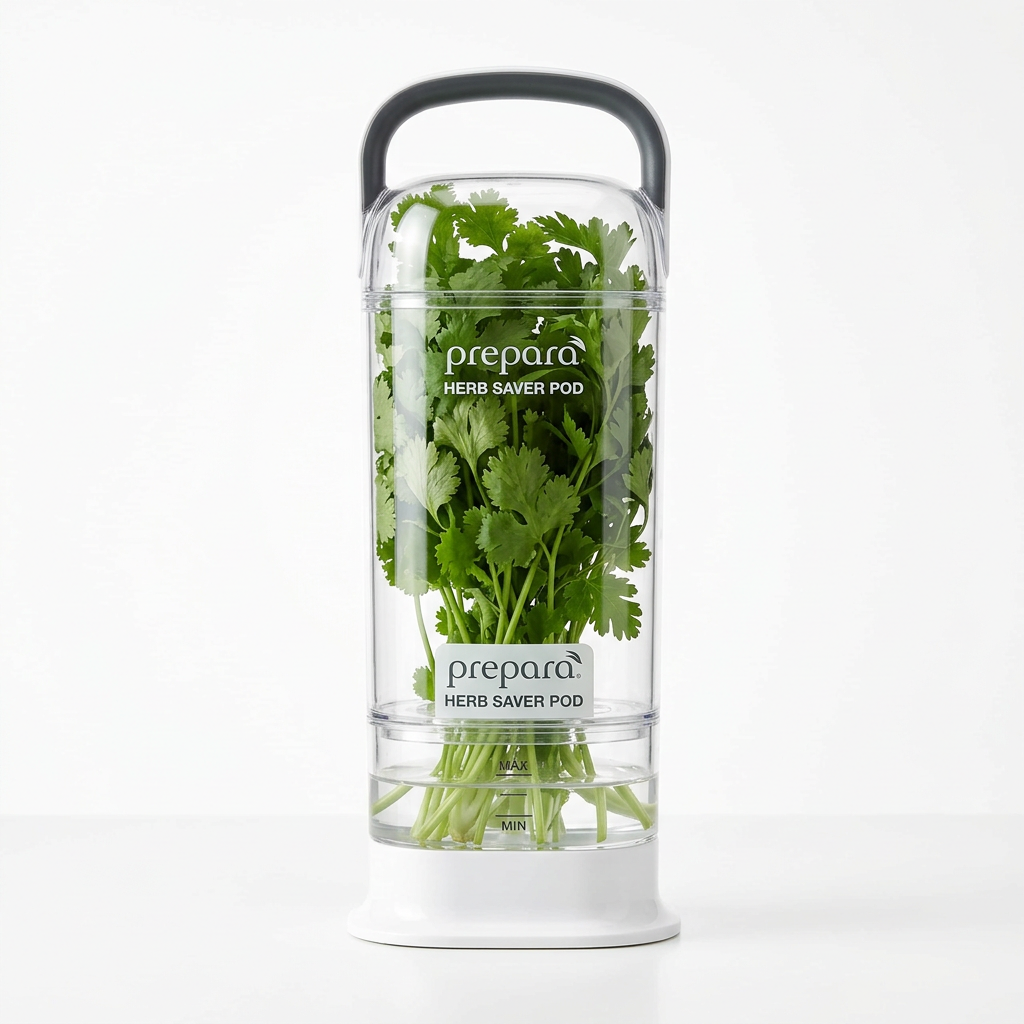
The materials you use to store your cilantro can make a significant difference. While standard plastic bags are common, they are rarely the best choice because they are usually thin and prone to trapping too much humidity. If you find that your cilantro is rotting despite using the Bouquet Method, consider switching to a glass jar or a dedicated herb storage container. Glass is non-porous and does not harbor the same bacteria that plastic can over time, provided it is cleaned properly between uses.
Sustainable Alternatives
If you prefer to move away from plastic entirely, you can use a clean, thin cloth or a piece of cheesecloth to cover the top of your herb bouquet. This provides enough humidity to keep the leaves hydrated while allowing for constant, natural airflow. The key is to experiment with your specific refrigerator. Every appliance has its own cold spots and airflow patterns. By observing how your herbs react over the first week, you can adjust your "tenting" strategy to suit your specific kitchen environment.
Furthermore, invest in a good quality kitchen scale if you want to be precise. You can weigh your cilantro before and after storage to see how much moisture it is losing. While this is certainly an "extra" step, it is the kind of analytical thinking that separates a home cook from a culinary professional. When you treat your kitchen like a laboratory, the consistency of your results will inevitably improve.
Understanding Herb Varieties
Not all cilantro is created equal. When shopping at the market, look for bunches that have bright green, perky leaves and firm, sturdy stems. Avoid any bunches that have yellow or wilted edges, as these are already in decline. In some high-end markets, you might find "bunched" cilantro with the roots still attached. If you can find this, buy it! Storing cilantro with the roots attached in a glass of water is the gold standard for freshness. It allows the plant to continue its natural life cycle far longer than cut stems ever could.
Evaluating Quality at the Market
Vibrancy:* The color should be a uniform, deep emerald green. Any pale or translucent spots indicate tissue damage.
Aroma:* If you can smell the cilantro from a few inches away, that is a good sign of high oil content and freshness.
Stem Texture:* The stems should be firm and slightly crunchy. If they are limp or bend without resistance, they are likely dehydrated and will not hold up well in storage.
When you bring your herbs home, prioritize using them based on their condition. If one bunch looks slightly less perfect than the other, use that one first for your high-heat cooking (like mixing into a curry or cooking into a sauce) and save the most pristine, beautiful bunches for raw applications, like garnishing a fresh salad or topping off a vibrant bowl of street tacos.
The Art of the Garnish
We often forget that cilantro serves two distinct purposes in the kitchen: as a flavor component that is cooked into a dish, and as an aromatic garnish that provides a final sensory hit before eating. Using a wilted, sad herb for a garnish is a disservice to the hours of effort you put into the rest of the meal. The visual appeal of a dish is the first thing a diner experiences, and fresh, vibrant green cilantro is the ultimate sign of a dish that has been prepared with care.
Always reserve the most tender leaves at the very top of the stems for your final garnishing. When chopping, use a rocking motion with your knife to slice through the cilantro, rather than pressing down. This motion ensures that the leaves remain whole and perky. If you are garnishing a hot dish, add the cilantro at the very last second. If you add it too early, the residual heat will cause the leaves to wilt instantly, turning your beautiful green topper into a dark, sad garnish that looks like it has been sitting under a heat lamp for an hour.
"A dish is not finished until it has been tasted and seasoned. Fresh herbs are the final seasoning, providing the brightness that lifts the palate and makes the food pop."
Conclusion
Mastering the storage of cilantro is a classic example of how small, technical adjustments in the kitchen can yield massive rewards in the final product. By treating your herbs with the same level of care and attention you would give to an expensive cut of meat or a delicate pastry, you elevate your status from someone who "makes food" to someone who truly commands the kitchen. You no longer have to dread the produce drawer or feel the guilt of tossing out wilted, unused herbs. With the Bouquet Method, consistent hydration, and a professional approach to sanitation, your cilantro will remain as vibrant and fragrant on day twenty-one as it was on day one.
The beauty of cooking lies in these small, repetitive habits. When you consistently store your ingredients properly, you are essentially buying yourself more time to create, explore, and enjoy your culinary process. Whether you are a weekend warrior or a dedicated home cook, these techniques will serve you for years to come. Remember to keep your tools sharp, your water clean, and your environment stable. Once you have mastered these basics, you will find that the rest of your kitchen organization follows suit.
Continue to challenge yourself with these small technical refinements. The difference between a "good" home cook and a "great" one is rarely a secret ingredient; it is almost always the application of professional technique to everyday items. You have the tools now to keep your herbs fresh for three weeks, effectively ending the cycle of kitchen waste that plagues so many. Take this knowledge, apply it to your next grocery run, and enjoy the confidence that comes with knowing your ingredients are ready whenever inspiration strikes. Your kitchen is now a space of efficiency and excellence, and every meal you create will benefit from that foundation of care. Keep cooking, keep experimenting, and most importantly, keep your cilantro crisp.
We have explored the biology, the physics, and the logistical side of herb storage, but the final piece of the puzzle is your own kitchen environment. Do not be afraid to experiment with the placement of your herb bouquets or the amount of "tenting" you use based on your specific refrigerator’s personality. Your fridge is an appliance, but it is also a micro-climate that you can manage and manipulate to suit your needs. By paying close attention to the way your herbs behave over the next few weeks, you will learn to intuitively understand the needs of all your produce, leading to less waste and better meals.
This journey is just the beginning of your professional-grade storage practices. Once you have mastered the cilantro bouquet, apply these same principles to parsley, mint, dill, and even woody herbs that you have brought back from the market. The core principle remains the same: treat the plant as a living entity, respect its needs for hydration and aeration, and it will remain a vital, flavorful contributor to your kitchen. Thank you for reading, and may your future kitchen endeavors be as fresh and vibrant as your perfectly stored cilantro. Happy cooking to all the home chefs looking to level up their game, one ingredient at a time. The path to a professional kitchen is paved with small, consistent habits, and you have just taken a massive step forward today.
As you move forward, keep a record of your success. Note down what worked, what you might have changed, and how these techniques have altered the way you approach your weekly meal prep. There is immense satisfaction in reaching into the fridge on a Tuesday night to pull out a bunch of cilantro that looks as though it was just harvested that morning. This is the hallmark of a confident cook who manages their pantry with precision. Continue to seek out these small, transformative techniques, and watch as the quality of your home dining experience continues to climb to new, professional heights. You have the skills, you have the knowledge, and you are ready to command your kitchen with the authority of a seasoned professional. Happy, fresh, and aromatic cooking!
Get the Next Recipe
Weekly recipes, techniques, and gear picks — straight to your inbox.
