
How to Keep Cilantro Fresh for 3 Weeks
There is perhaps no ingredient in the modern kitchen that inspires as much polarizing passion as cilantro. To some, it is the bright, citrusy backbone of a perfect salsa or a fragrant finish to a Thai curry, while to others, it is a soapy nuisance that ruins a dish. Regardless of where you stand on the flavor spectrum, there is a universal truth shared by every home cook: fresh cilantro is notoriously difficult to keep alive. You buy a beautiful, vibrant bunch at the farmer’s market on Saturday, tuck it into the crisper drawer with good intentions, and by Tuesday, you are pulling out a slimy, blackened bouquet of disappointment. It is the ultimate kitchen heartbreak, forcing us to abandon our culinary plans or settle for substandard herbs.
The problem, as I have learned through years of professional kitchen experience, is not the herb itself but our approach to storage. Cilantro is a tender-stemmed herbaceous plant that is incredibly sensitive to humidity, ethylene gas, and temperature fluctuations. When treated like a standard vegetable, it degrades rapidly because it essentially lacks the cellular durability of woody herbs like rosemary or thyme. By understanding the biological needs of the plant, you can actually extend its lifespan from a few days to a full three weeks. This transition from "wasteful" to "waste-free" cooking is one of the most effective ways to sharpen your kitchen habits and ensure that you always have fresh components at your fingertips.
In this guide, we are going to move beyond the simple "put it in a glass of water" advice you see on social media and dive into the scientific techniques used by restaurant chefs to maintain peak freshness. We will cover the selection process, the critical preparation steps, and the environmental storage conditions that prevent spoilage. Keeping your herbs fresh for twenty-one days is entirely achievable if you respect the plant’s anatomy and manage its moisture levels with precision. Once you master these professional habits, you will find that your grocery budget stretches further and your dishes taste significantly more vibrant. Let’s stop blaming the grocer and start taking control of our pantry.
Understanding the Anatomy of Freshness
To keep cilantro alive, you must first treat it like a cut flower bouquet rather than a standard piece of produce. The stems of cilantro are porous and contain a high volume of water, which makes them susceptible to both dehydration and rotting. When you purchase a bunch, the first thing you should do is inspect the leaves for signs of yellowing or bruising. Any damage to the leaves triggers an accelerated release of ethylene gas, which acts as a ripening hormone, causing the healthy leaves surrounding it to degrade much faster. This "one bad apple" effect is the primary reason why an entire bunch of cilantro turns to mush overnight.
Selecting the Right Bunch
When shopping, look for cilantro that is deep, vibrant green with no signs of yellowing or slime. Avoid bunches that are tightly packed with rubber bands that cut into the stems, as this damage creates an entry point for bacteria. Instead, reach for bundles that feel crisp to the touch and possess a strong, clean aroma. If the stems are limp or the leaves look wilted in the store, no amount of home intervention will bring them back to their peak, so start with the freshest product available.
The Importance of Stem Integrity
The stems are the lifeline of the cilantro bunch. In a professional kitchen, we often trim the very bottom of the stems by about half an inch before doing anything else. This creates a clean surface area that allows the herb to drink water efficiently. If you leave the cut end jagged or covered in the original rubber band, you effectively choke off the plant’s ability to hydrate itself. Think of it like a carnation; if you don't cut the stem, the plant simply cannot survive the transfer from the market to your home environment.
The secret to professional-grade herb storage is not just about keeping the leaves cool; it is about treating the stems as if they were a fresh floral arrangement that requires constant hydration and air circulation.
The Professional Hydration Technique
The most common mistake home cooks make is storing cilantro in a plastic bag directly against the cold back wall of the refrigerator. This creates a "freeze-thaw" cycle that breaks down the plant’s cell walls, turning the leaves into a brown, mushy mess. Instead, you need to create a micro-climate that mimics a humid greenhouse environment while ensuring the leaves themselves remain dry. The classic "glass of water" method is a fantastic starting point, but it requires specific parameters to be successful for a full three weeks.
Setting Up the Water Bath
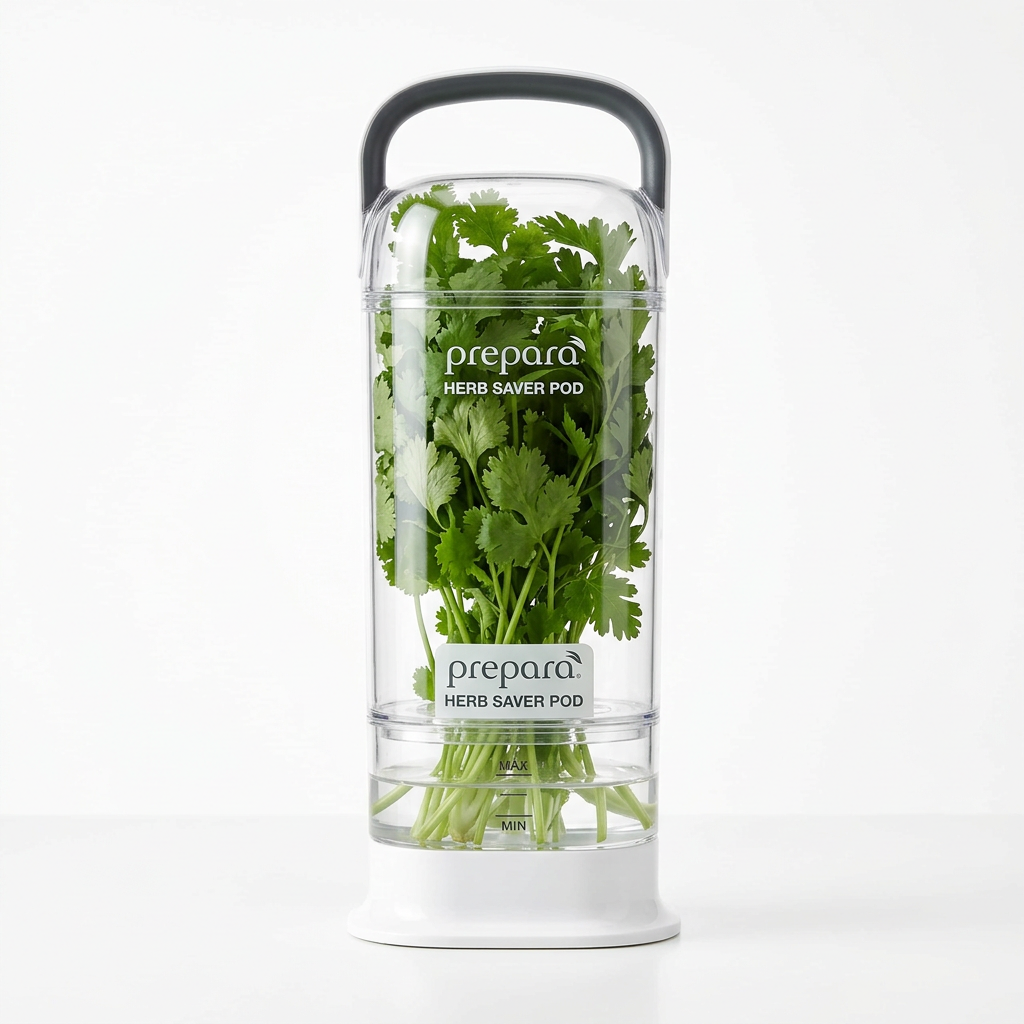
Use a clean, wide-mouth mason jar or a sturdy glass. Fill it with roughly two inches of filtered or cold tap water. You want enough water to submerge the cut stems, but you must be careful that the leaves do not touch the water. If the leaves are submerged, they will begin to rot, and that decay will spread upward through the entire bunch. The water should be changed every four to five days to prevent bacterial growth and ensure the stems remain hydrated.
Managing Environmental Humidity
Once your cilantro is in the jar, cover the top loosely with a recycled produce bag or a large Ziploc bag. Do not seal the bag tightly; you want to create a loose, humid tent. Secure the base of the bag with a rubber band, but ensure there is plenty of air trapped inside. This trapped air is the key to maintaining a consistent moisture level around the leaves. This simple ventilation technique prevents the cilantro from drying out while also preventing the condensation buildup that leads to rapid spoilage.
Temperature and Placement Strategies
Not all parts of your refrigerator are created equal. The back of the fridge, near the cooling element, is far too cold for delicate herbs. You want to place your jar in a location with consistent, moderate temperatures, typically the middle or lower shelf away from the cold air blast. If your refrigerator has a temperature-controlled crisper drawer, that is generally the best place for herbs, provided it isn't so full that the cilantro gets crushed by heavier produce.
Avoiding Ethylene Producers
Cilantro is highly sensitive to ethylene gas, a natural ripening agent produced by fruits like apples, bananas, and tomatoes. Never store your cilantro in the same drawer or near these items. If you place a bag of apples next to your cilantro, the herbs will turn yellow and wilt in a matter of days. Keep your herbs sequestered away from the fruit bowl and the high-output produce to preserve their shelf life.
Managing Ambient Light
While you might be tempted to leave your cilantro on the counter in a sunny spot, this is actually a detriment to its longevity. Direct sunlight will encourage the plant to continue growing, which depletes the energy stored in the stems and causes the leaves to lose their flavor and texture. Cilantro prefers a dark, cool environment. The darkness of your refrigerator is ideal, as it slows down the metabolic processes of the plant, allowing it to stay in a state of suspended animation for longer periods.
The Role of Hygiene in Herb Longevity
Many cooks have a habit of washing their herbs immediately upon arriving home from the store. While this feels like the "clean" thing to do, it is actually the fastest way to ruin your cilantro. Excess moisture on the leaves is the enemy. Water sitting on the surface of the leaves promotes the growth of mold and bacteria. If you must wash your herbs, do so immediately before chopping, never while you are prepping for storage.
Controlling Bacterial Load
If you want to be extra careful, you can add a tiny pinch of salt to the water in your jar to act as a mild preservative, though this is optional. The real focus should be on the cleanliness of your jar. Every time you change the water, wash the container with hot, soapy water and dry it completely. A clean environment is the most important factor in preventing the "sliminess" that often plagues stored cilantro.
Dry Storage Alternatives
If you are completely out of refrigerator space and need a dry alternative, you can wrap the washed and thoroughly dried cilantro in a series of paper towels, then place it inside a sealed plastic container. The paper towels act as a moisture wick, pulling excess water away from the leaves. This method works well for about one week, but for the three-week benchmark, the jar-and-tent method remains the superior choice for professional chefs.
The most overlooked step in the kitchen is proper preparation. If you store your ingredients without considering their biological needs, you are fighting a losing battle against nature.
Troubleshooting Common Issues
Even with the best intentions, things can go wrong. If you notice a single yellow leaf, remove it immediately. The decay will spread to the healthy stems like a virus. If the stems in the water begin to look cloudy or milky, that is a sign of bacterial growth. Pour the water out, give the stems a fresh trim, rinse the jar thoroughly, and replace it with fresh, cool water. These minor interventions can add days to the life of your cilantro.
Reviving Wilting Cilantro
If your cilantro looks a bit sad but hasn't turned black or mushy, you can often revive it with an ice-water bath. Submerge the entire bunch in a bowl of ice-cold water for about 20 minutes. This provides a "shock" of hydration that can cause the cells to plump up again, giving the cilantro a secondary lease on life. This is a classic trick used by caterers to freshen up herbs right before service.
Recognizing the Point of No Return
There comes a time when the cilantro simply cannot be saved. If the leaves become slimy, develop an off-smelling odor, or turn a dark, translucent black, discard them. Eating herbs at this stage not only ruins the flavor of your dish but can also be a food safety concern. Learning to identify the "point of no return" is a hallmark of an experienced home cook who knows that fresh flavor is non-negotiable.
Advanced Culinary Applications
Once you have mastered the art of keeping your cilantro fresh, you can begin to use it in more creative ways. Cilantro isn't just a garnish; it is a powerful aromatic that can be used to build flavor layers in soups, braises, and pestos. By maintaining a fresh, three-week supply, you have the flexibility to experiment with these techniques rather than rushing to use up a bunch before it rots.
Using the Stems for Flavor
Most home cooks throw away the cilantro stems, which is a massive culinary mistake. The stems contain the highest concentration of the essential oils that give cilantro its citrusy profile. In a Thai-inspired curry paste or a vibrant green salsa, chop the stems finely and incorporate them into the base. Because you have kept your cilantro fresh and clean, those stems will be crisp and full of flavor, not woody or bitter.
Infused Oils and Purees
If you find yourself with an excess of cilantro that is nearing the end of its three-week life, do not let it go to waste. You can blanch the leaves for thirty seconds, shock them in an ice bath, and then blend them with olive oil to create a vibrant green cilantro oil. This oil can be stored in the refrigerator for another week and serves as an incredible finishing drizzle for grilled fish, roasted vegetables, or tacos.
Blanching:* Boiling for 30 seconds preserves the chlorophyll.
Shocking:* Ice water stops the cooking process immediately.
Blending:* Emulsify with high-quality extra virgin olive oil.
Straining:* Use a fine-mesh sieve for a silky, restaurant-quality result.
The Philosophy of Professional Efficiency
At the heart of the "Blame The Chef" ethos is the idea that kitchen skills are not static; they are habits that we build over time. Learning how to store cilantro is not just about saving a couple of dollars at the grocery store; it is about respecting the ingredients you bring into your home. When you take the time to properly hydrate, tent, and place your herbs, you are demonstrating a commitment to quality that will eventually manifest in every single dish you prepare.
Reducing Kitchen Waste
Food waste is a major issue in the modern home, and much of it stems from poor storage techniques. By extending the life of your cilantro to three weeks, you are effectively reducing your environmental footprint and becoming a more conscious consumer. This level of intentionality is what separates a novice home cook from a truly skilled culinary enthusiast. It is about moving from a reactive kitchen—where you cook based on what hasn't rotted yet—to a proactive kitchen where you have the ingredients you need, when you need them.
Cultivating Your Kitchen Intuition
Over time, these techniques will become second nature. You will stop needing to consult a guide and will naturally reach for the jar, the tenting bag, and the cool shelf placement. You will begin to notice the subtle differences in the herbs at the market, choosing the best quality and treating it with the care it deserves. This is the path to culinary mastery: small, consistent actions that build up to a more enjoyable and successful cooking experience.
Precision is the difference between a meal that is merely edible and a dish that sings. When you master the shelf life of your ingredients, you gain the freedom to express your creativity without the constant looming deadline of spoilage.
Conclusion
The journey to keeping your cilantro fresh for three weeks is a testament to the fact that culinary greatness often lies in the smallest details. We have discussed the critical importance of stem integrity, the necessity of creating a humid yet ventilated micro-climate, and the tactical placement of your herbs away from ethylene-producing fruits. We have also explored the importance of timing, the nuances of temperature control, and the professional-level waste-reduction strategies that turn a perishable ingredient into a reliable pantry staple.
By embracing these methods, you have transitioned from a cook who struggles with wilting greens to an expert who manages ingredients with professional precision. Remember that the goal here is not perfection, but rather a consistent, thoughtful approach to your craft. Some weeks your cilantro might last eighteen days instead of twenty-one, and that is perfectly acceptable. The true victory is the shift in your mindset—acknowledging that the quality of your output is directly tied to how well you care for your inputs.
I encourage you to put these tips into practice the next time you head to the market. Buy that beautiful, fragrant bunch of cilantro, trim those stems with confidence, and tuck them away into their protected, hydrating environment. When you go to grab them a week or even two weeks later, you will find them as vibrant and aromatic as the day you brought them home. Keep practicing, keep observing, and most importantly, keep cooking. When you take responsibility for your ingredients, you take responsibility for the quality of your cooking, and that is a skill that will serve you for a lifetime. Happy cooking, and may your cilantro always stay fresh.
Get the Next Recipe
Weekly recipes, techniques, and gear picks — straight to your inbox.
